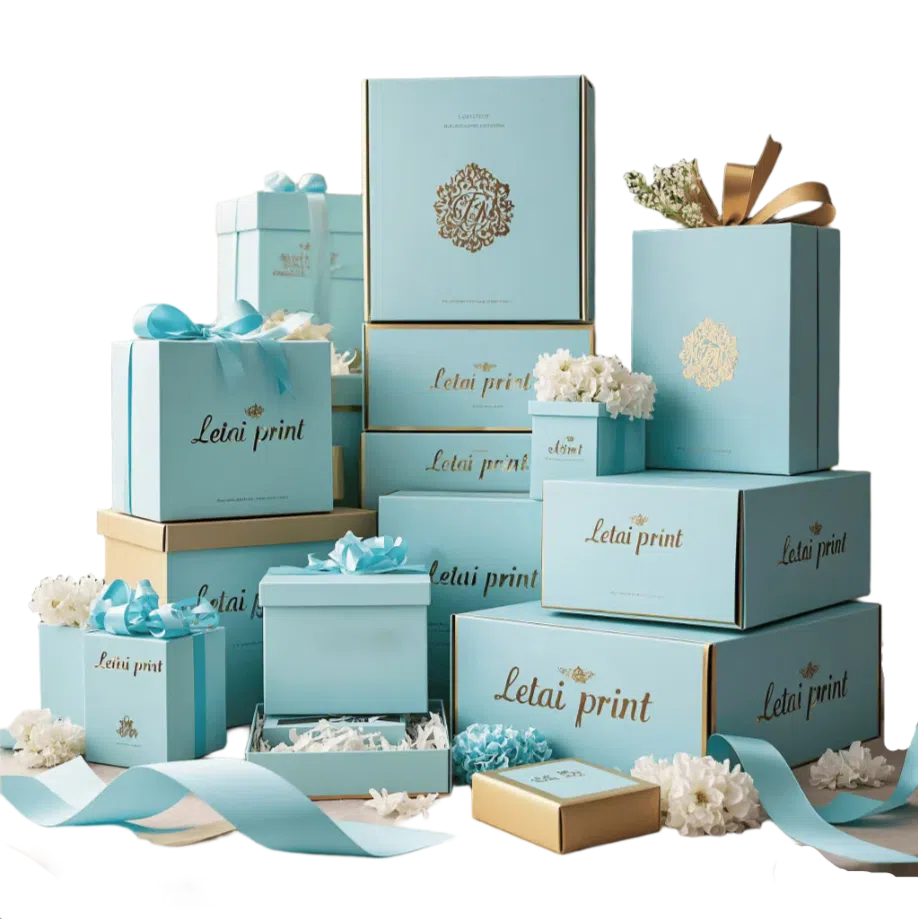
Con l'aumento dell'attenzione dei consumatori per l'ambiente, i marchi di cioccolato si rivolgono a soluzioni di imballaggio sostenibili che siano in linea con i loro valori. I materiali ecologici per il confezionamento del cioccolato non solo riducono l'impatto ambientale, ma migliorano anche l'immagine del marchio come responsabile e lungimirante. Con l'aumento della domanda di alternative ecologiche, la scelta dei materiali giusti è fondamentale per il successo a lungo termine.
Dalla carta riciclabile alla plastica biodegradabile, dagli involucri compostabili alle lattine riutilizzabili, sono numerose le opzioni disponibili per il confezionamento sostenibile del cioccolato. La scelta giusta dipende da fattori quali il tipo di prodotto, la durata di conservazione e la filosofia generale del marchio. Abbracciando soluzioni eco-compatibili, i marchi di cioccolato possono proteggere il pianeta e rivolgersi a consumatori consapevoli.
Che cos'è il confezionamento del cioccolato?
L'imballaggio del cioccolato si riferisce ai materiali e al design utilizzati per racchiudere e proteggere i prodotti di cioccolato durante lo stoccaggio, la spedizione e l'esposizione.
Svolge un ruolo cruciale nel preservare la freschezza e la qualità del cioccolato, proteggendolo da fattori esterni quali calore, umidità e luce. L'imballaggio garantisce inoltre che il prodotto rimanga intatto e visivamente attraente, creando una prima impressione positiva per i consumatori.
Materiali per l'imballaggio del cioccolato
I materiali di confezionamento del cioccolato svolgono un ruolo fondamentale nel proteggere il prodotto, preservarne la qualità e migliorarne l'aspetto. Con una varietà di opzioni disponibili, ogni materiale offre vantaggi distinti, dalla durata e freschezza alla sostenibilità e all'estetica.
La scelta del giusto materiale di confezionamento è essenziale sia per la longevità del prodotto sia per l'immagine del marchio, soprattutto perché i consumatori attenti all'ambiente cercano alternative più ecologiche.
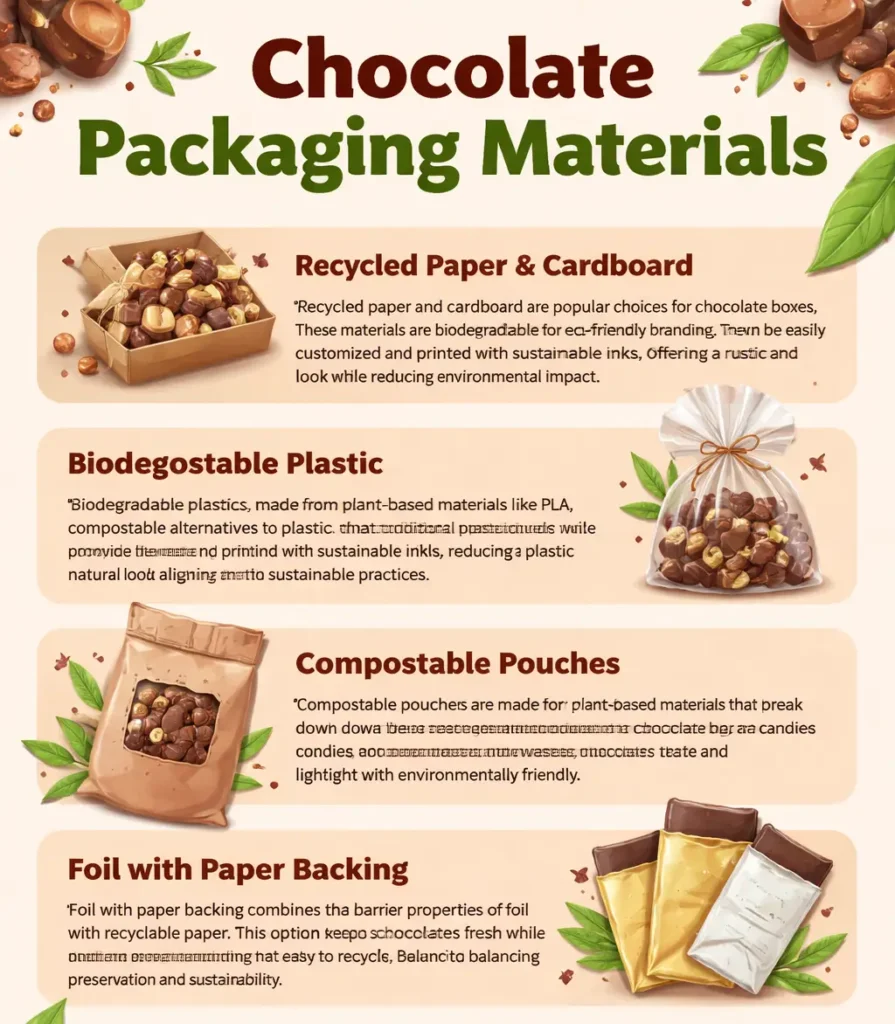
Carta e cartone
La carta e il cartone sono tra i materiali più comuni utilizzati per le confezioni di cioccolato. Questi materiali non sono solo versatili ed economici, ma anche riciclabili, il che li rende una scelta ecologica. Rappresentano un'opzione robusta ma leggera per tavolette di cioccolato, praline e altri prodotti, proteggendoli da eventuali danni durante il trasporto e offrendo al contempo ampio spazio per il marchio.
Il cartone è spesso utilizzato per gli imballaggi esterni, come scatole e custodie, mentre la carta può essere utilizzata per involucri o inserti. Questi materiali possono essere facilmente personalizzati con disegni stampati, loghi e colori vivaci, che aumentano il fascino del prodotto. Inoltre, grazie ai progressi nel riciclaggio, le opzioni di carta e cartone sono ora più sostenibili che mai.
Imballaggio in plastica
La plastica è comunemente utilizzata per il confezionamento del cioccolato grazie alla sua durata e flessibilità. Offre un'eccellente protezione contro l'umidità, la luce e gli agenti contaminanti, garantendo la freschezza del cioccolato per un periodo più lungo. Gli imballaggi in plastica possono avere varie forme, tra cui involucri, vassoi e contenitori trasparenti, che consentono ai clienti di vedere facilmente il prodotto, pur mantenendolo saldamente sigillato.
Sebbene la plastica sia un materiale di imballaggio molto efficace, cresce la preoccupazione per il suo impatto ambientale. Di conseguenza, molti marchi si stanno rivolgendo a plastiche biodegradabili o riciclabili per ridurre i rifiuti. Utilizzando plastica riciclabile o esplorando alternative, le aziende possono trovare un equilibrio tra i benefici protettivi della plastica e la necessità di soluzioni sostenibili.
Foglio di alluminio
Il foglio di alluminio è una scelta popolare per l'imballaggio del cioccolato grazie alla sua capacità di creare una chiusura ermetica, mantenendo il cioccolato fresco e protetto dagli elementi esterni. Viene spesso utilizzato per avvolgere singoli pezzi di cioccolato, tavolette o tartufi, assicurando che ogni pezzo sia mantenuto in condizioni immacolate fino al momento del consumo. La sua superficie riflettente contribuisce inoltre a mantenere il fascino visivo del prodotto.
Uno dei vantaggi principali del foglio di alluminio è la sua leggerezza e compattezza, che lo rendono ideale per le confezioni monodose. Inoltre, l'alluminio è altamente riciclabile e offre un'opzione più sostenibile rispetto ad alcuni materiali plastici. Per i marchi che mirano a promuovere la sostenibilità, il foglio di alluminio può essere un'ottima scelta, che unisce funzionalità e responsabilità ambientale.
Imballaggio in vetro
L'imballaggio in vetro offre un'opzione premium ed ecologica per i prodotti di cioccolato di alta gamma. La sua natura trasparente permette ai clienti di vedere chiaramente il prodotto, esaltando il fascino visivo del cioccolato. I contenitori in vetro, come i barattoli o le bottiglie, sono spesso utilizzati per i cioccolatini che richiedono una presentazione più lussuosa, come i cioccolatini artigianali o gourmet.
Il vetro è un materiale completamente riciclabile, il che lo rende una scelta sostenibile per i marchi che cercano di ridurre il loro impatto ambientale. Inoltre, rispetto ad altri materiali, garantisce una maggiore durata di conservazione, contribuendo a preservare il sapore e la consistenza del cioccolato. Tuttavia, a causa della sua fragilità e del costo più elevato, il vetro viene solitamente utilizzato per cioccolatini speciali o confezioni regalo.
Materiali eco-compatibili
Con la crescente domanda di prodotti sostenibili da parte dei consumatori, i materiali di imballaggio ecologici sono diventati una scelta popolare per i marchi di cioccolato. Per ridurre l'impatto ambientale si utilizzano materiali come plastiche biodegradabili, pellicole a base vegetale e carta riciclata. Queste opzioni di confezionamento non solo aiutano a preservare il pianeta, ma attraggono anche i consumatori attenti all'ambiente che sono alla ricerca di alternative più ecologiche.
I materiali ecologici sono disponibili in varie forme, dagli involucri compostabili alle scatole di cartone riciclabili. Molte aziende stanno incorporando questi materiali nel design delle loro confezioni per allinearsi agli obiettivi di sostenibilità. Scegliendo un imballaggio ecologico, i marchi di cioccolato possono promuovere la responsabilità ambientale e allo stesso tempo offrire ai loro clienti un piacere senza sensi di colpa.
Ecco una tabella che mostra i diversi materiali di confezionamento delle scatole di cioccolato:
| Materiale | Caratteristiche principali | Vantaggi | Idoneità |
|---|
| Carta e cartone | Riciclabile, personalizzabile, leggero | Economico, ecologico, ideale per il branding | Adatto per barre, scatole e manicotti |
| Plastica | Durevole, resistente all'umidità, flessibile | Protezione eccellente, visibilità chiara, convenienza. | Ideale per involucri, vassoi e contenitori trasparenti |
| Foglio di alluminio | Tenuta ermetica, resistenza, leggerezza | Preserva la freschezza, protegge dagli elementi esterni | Ottimo per confezioni individuali, barrette e tartufi |
| Vetro | Premium, trasparente, resistente | Look di alta gamma, riutilizzabile, lunga durata di conservazione | Ideale per cioccolatini speciali o confezioni regalo |
| Materiali eco-compatibili | Alternative biodegradabili, riciclabili e a base vegetale | Sostenibile, si rivolge ai consumatori eco-consapevoli | Perfetto per un imballaggio ecologico |
| Sacchetti compostabili | Biodegradabile, leggero, flessibile | Riduce l'impatto ambientale, protegge il cioccolato | Ideale per confezioni di cioccolato piccole o sfuse |
Come fare le confezioni di cioccolato?
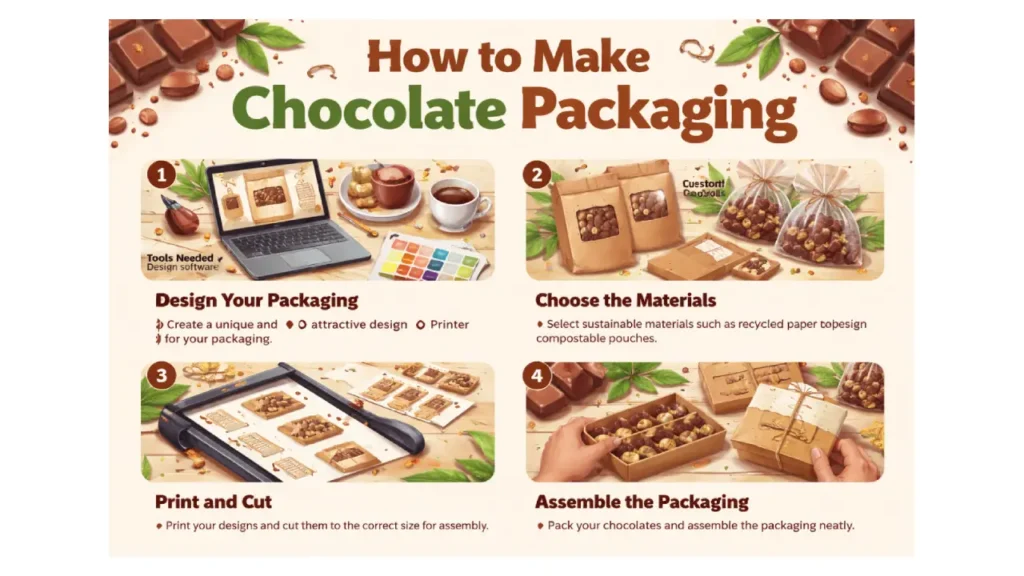
Creazione di confezioni di cioccolato è una parte essenziale della presentazione del prodotto ai clienti. Si tratta di selezionare i materiali giusti, progettare l'imballaggio e garantire che il prodotto finale sia funzionale e attraente.
Ecco una guida passo passo su come realizzare la propria confezione di cioccolato, dalla scelta dei materiali all'aggiunta di elementi di branding e alla sigillatura del prodotto per la vendita.
Strumenti necessari
- Materiali da imballaggio (cartone, carta, plastica, ecc.)
- Forbici o strumenti da taglio
- Colla o adesivo
- Materiale di stampa per il branding (opzionale)
- Righello o nastro di misurazione
- Elementi decorativi (nastri, adesivi, ecc.)
Fase 1: scegliere il giusto materiale di imballaggio
Il primo passo nella realizzazione di un imballaggio per il cioccolato è la scelta del materiale appropriato in base alle esigenze del prodotto. Considerate fattori quali la protezione, l'aspetto e la sostenibilità. Sono comunemente utilizzati materiali come il cartone, la plastica e opzioni ecologiche come la carta riciclata. Scegliete un materiale che sia in linea con il vostro marchio e che valorizzi il cioccolato.
Fase 2: progettazione della confezione
La progettazione della confezione è fondamentale per fare un'ottima prima impressione. Pensate ai colori, ai caratteri e alle immagini che possano attrarre il vostro pubblico di riferimento. Il design deve riflettere la personalità del marchio e attirare l'attenzione. Utilizzate un software di progettazione grafica o collaborate con un designer per creare un layout funzionale e di grande impatto visivo.
Fase 3: tagliare e assemblare l'imballaggio
Una volta che il materiale di imballaggio e il design sono pronti, è il momento di tagliare e assemblare i componenti. Utilizzate forbici o strumenti da taglio per tagliare il materiale nella misura richiesta. Se si utilizza il cartone, inciderlo dove necessario per creare le pieghe. Una volta tagliato tutto, piegare e incollare i bordi per formare la forma della confezione.
Fase 4: Aggiungere il marchio e gli elementi decorativi
Aggiungete alla confezione il logo del vostro marchio, lo slogan e altri elementi di branding. Potete stamparli direttamente sul materiale di imballaggio o utilizzare etichette o adesivi. È inoltre possibile aggiungere elementi decorativi come nastri, goffratura o stampa su lamina per migliorare l'aspetto visivo e rendere la confezione più attraente per i clienti.
Fase 5: Confezionamento del cioccolato
Infine, posizionate il cioccolato all'interno della confezione, assicurandovi che si adatti in modo sicuro e confortevole. Se si utilizza una scatola rigida o una struttura simile, si consiglia di aggiungere degli inserti protettivi per evitare che il cioccolato si sposti. Sigillate la confezione, assicurandovi che sia ermetica se necessario, e la vostra confezione di cioccolato è pronta per essere spedita o esposta per la vendita.
Come scegliere i materiali di confezionamento del cioccolato più adatti?
La scelta di materiali adeguati per il confezionamento del cioccolato richiede un'attenta considerazione di fattori quali la protezione, la sostenibilità e l'attrattiva visiva. La confezione non solo preserva la qualità e la freschezza del cioccolato, ma trasmette anche i valori e l'identità del marchio. Ecco come scegliere i materiali migliori per il vostro prodotto.
- Protezione e freschezza: La funzione principale dell'imballaggio del cioccolato è quella di preservare la freschezza e proteggere dagli elementi esterni. Materiali come la carta stagnola e le plastiche biodegradabili sono eccellenti per tenere lontani dal prodotto l'umidità, la luce e l'aria. Metodi di sigillatura adeguati, come confezioni ermetiche o barriere resistenti all'umidità, aiutano a mantenere la qualità del cioccolato per periodi più lunghi.
- Sostenibilità ed ecocompatibilità: Poiché un numero sempre maggiore di consumatori cerca di fare scelte attente all'ambiente, i materiali di imballaggio sostenibili sono diventati fondamentali. La scelta di materiali biodegradabili, riciclabili o compostabili, come la carta riciclata, il cartone o la plastica di origine vegetale, è in linea con i valori di eco-compatibilità. In questo modo non solo ci si rivolge a un mercato in crescita di consumatori attenti all'ambiente, ma si contribuisce anche a ridurre l'impatto ambientale complessivo.
- Branding e appeal visivo: L'imballaggio è un potente strumento di marketing che può influenzare la percezione dei consumatori. Scegliete i materiali che completano l'immagine e il messaggio del vostro marchio. Finiture lucide ed eleganti possono andare bene per i marchi di lusso, mentre la carta opaca o kraft può piacere ai consumatori che cercano una sensazione più organica. Opzioni personalizzabili come la stampa o la goffratura possono migliorare ulteriormente il riconoscimento del marchio.
- Costo e praticità: Quando si sceglie un imballaggio per il cioccolato, bisogna considerare il costo complessivo e la praticità della produzione. I materiali di qualità superiore possono offrire una protezione e un'estetica migliori, ma possono anche aumentare il costo di produzione. È essenziale bilanciare funzionalità e convenienza, assicurando che la confezione soddisfi gli standard del marchio senza superare i vincoli di budget.
- Convenienza per il consumatore: L'imballaggio deve essere facile da aprire, conservare e smaltire per i consumatori. Considerate materiali che offrano praticità, come sacchetti richiudibili o involucri facili da strappare. È importante anche un imballaggio che consenta un trasporto e uno stoccaggio efficienti, soprattutto per i lotti più grandi o per le attività di e-commerce. La facilità d'uso migliora l'esperienza complessiva del cliente.
Conclusione
Incorporare materiali ecologici per il confezionamento del cioccolato nella vostra linea di prodotti non solo favorisce la sostenibilità, ma migliora anche la credibilità del vostro marchio. Optando per confezioni biodegradabili, riciclabili o riutilizzabili, trasmettete un impegno verso la responsabilità ambientale, attirando clienti che apprezzano la sostenibilità. Questo cambiamento contribuirà a promuovere la fedeltà al marchio e la fiducia dei consumatori nella vostra azienda.
Il passaggio a confezioni di cioccolato eco-compatibili non è solo vantaggioso per l'ambiente, ma rafforza anche il vantaggio competitivo del vostro marchio. I consumatori sono sempre più consapevoli del problema dei rifiuti da imballaggio e preferiscono i marchi che adottano misure significative per ridurre il loro impatto. L'adozione di soluzioni di packaging ecologiche può aumentare la vostra quota di mercato attirando consumatori responsabili dal punto di vista ambientale.
Se siete alla ricerca di confezioni di cioccolato all'ingrosso, non cercate oltre Letai Packaging. Offriamo un'ampia gamma di confezioni ecologiche e personalizzabili per aiutare il vostro marchio a distinguersi e a sostenere la sostenibilità. Rivolgetevi a noi oggi stesso per soluzioni di imballaggio che proteggano i vostri prodotti e il pianeta!

Ho affinato la mia esperienza nella creazione di soluzioni di imballaggio di alta qualità, apportando innovazione ed efficienza al settore. Sono appassionato di risultati eccezionali e di contribuire a pratiche di imballaggio sostenibili.
- Cos'è una CBD Box? La guida definitiva - 9 giugno 2026
- Idee per la scatola dei braccialetti: modelli di ispirazione per uno spazio ordinato - 8 giugno 2026
- Cos'è un Bangle Box? La guida definitiva - 8 giugno 2026
 English
  Español
  Deutsch
  Français
  Italiano
  日本語
日本語  한국어
한국어  Русский
  Português do Brasil
  العربية