En la industria alimentaria actual, la sostenibilidad y la seguridad son preocupaciones fundamentales. Los envases de papel se están convirtiendo en una solución popular por su naturaleza ecológica y su versatilidad. Los distintos tipos de envases de papel, como el kraft, el estucado y el ondulado, ofrecen ventajas únicas adaptadas a la conservación y la comodidad de los alimentos.
Desde proteger los alimentos hasta garantizar un transporte seguro, las aplicaciones de los envases de papel son muy amplias. No sólo sirven para preservar la calidad de los alimentos, sino que también mejoran la identidad de la marca mediante diseños personalizados. Conocer los distintos tipos disponibles es crucial para hacer la mejor elección para sus necesidades de envasado.
Tipos de envases de papel para alimentos
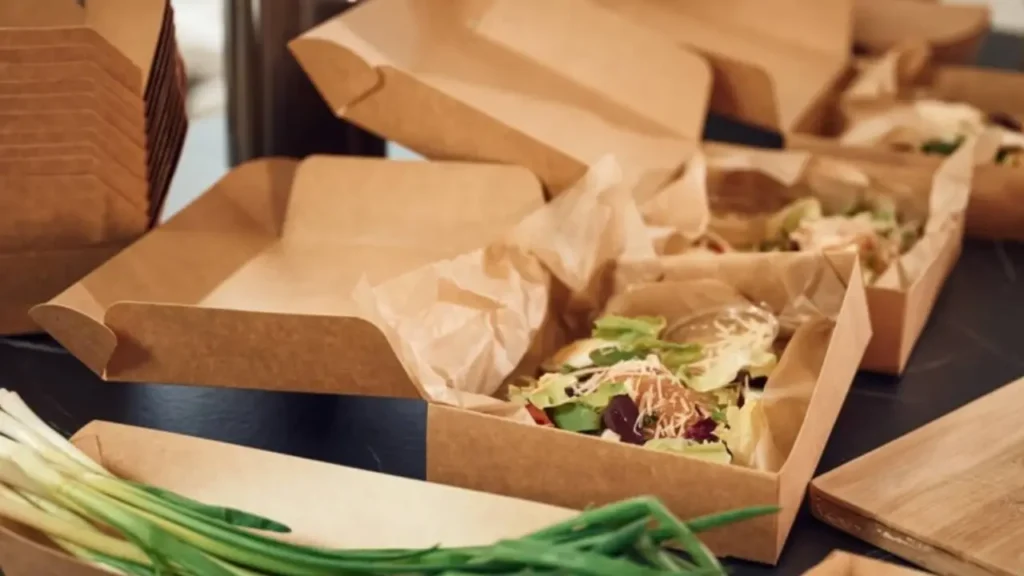
Los envases de papel se han convertido en una opción popular para los productos alimentarios por su sostenibilidad, resistencia y versatilidad. Ofrece una gran variedad de opciones adaptadas a las distintas necesidades de envasado de alimentos, garantizando su frescura, seguridad y protección.
Desde el papel kraft hasta el pergamino, cada tipo aporta ventajas únicas para satisfacer los diversos requisitos de la industria alimentaria.
Papel Kraft
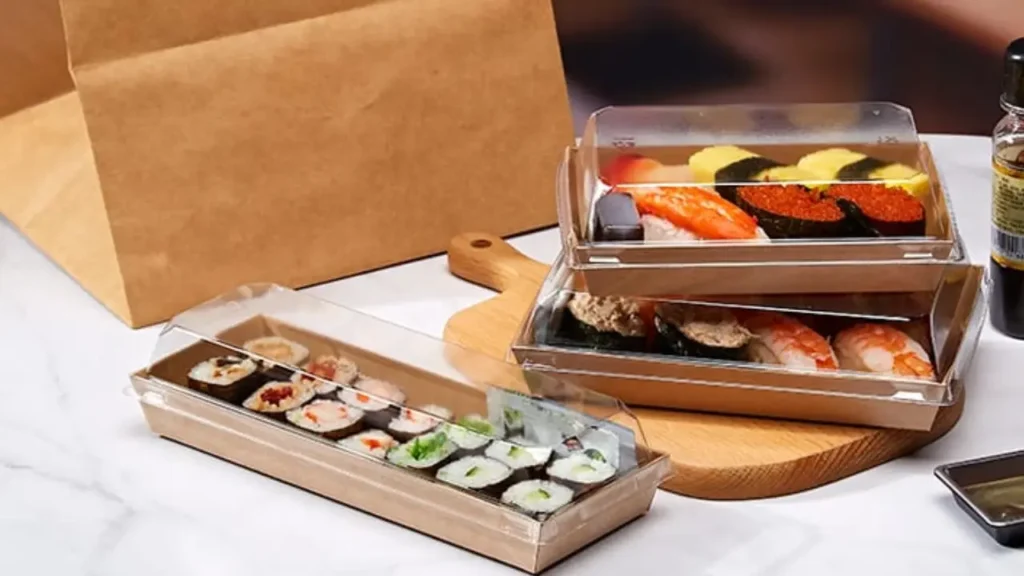
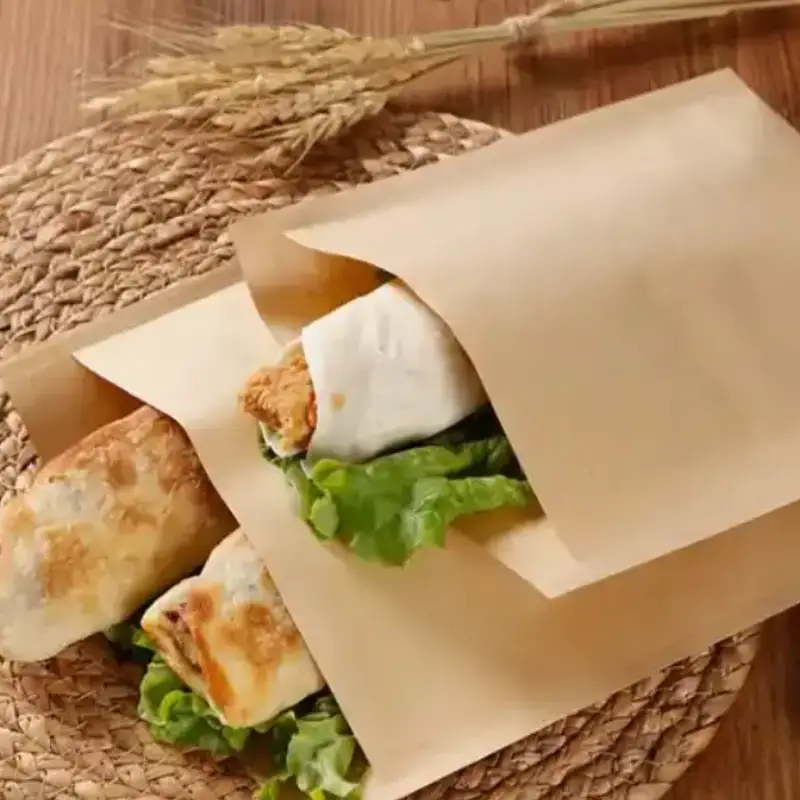
El papel kraft es una opción duradera y ecológica fabricada con pasta de madera sin blanquear. Su color marrón natural es ideal para quienes buscan una solución de embalaje rústica y sostenible. El papel kraft es muy resistente al desgarro, por lo que resulta adecuado para envases de gran resistencia, como productos de panadería, aperitivos y comida para llevar.
La naturaleza biodegradable y reciclable del papel kraft lo convierte en una opción de envasado respetuosa con el medio ambiente. Se utiliza habitualmente en bolsas, envoltorios y cajas para alimentos, sobre todo para sándwiches, productos frescos y repostería.
Papel estucado
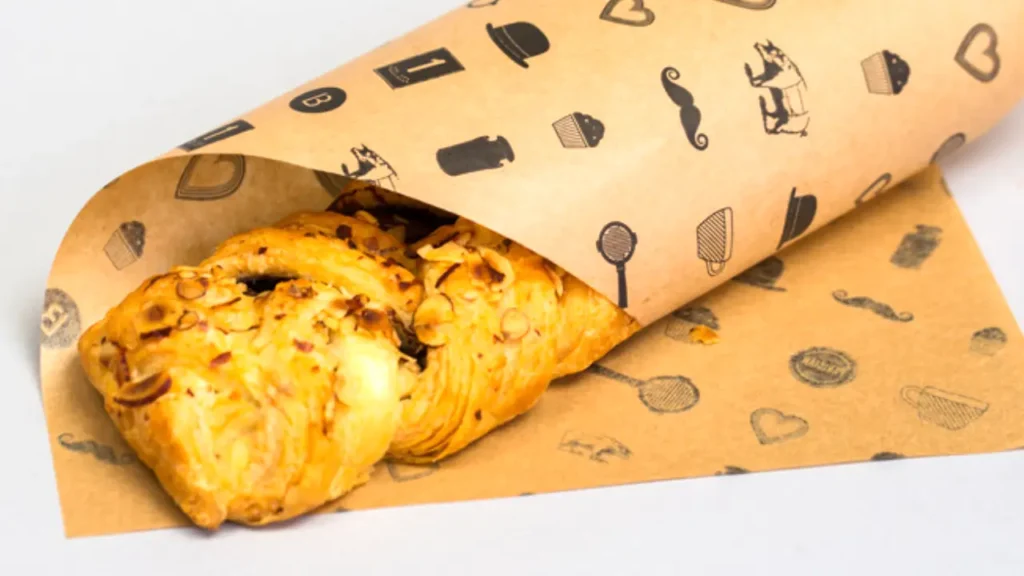
El papel estucado se trata con un acabado liso y brillante para mejorar su resistencia y su impermeabilidad. Este tipo de papel es perfecto para envasar alimentos que requieren una capa extra de protección, como envases de comida rápida, cajas de pizza y envases de aperitivos.
El papel estucado ofrece una excelente imprimibilidad, lo que ayuda a las marcas a presentar sus productos alimenticios de forma atractiva. Sus cualidades de resistencia a la humedad también garantizan que los alimentos grasientos o húmedos se mantengan frescos, lo que lo convierte en una opción popular en el sector de la restauración. Su capacidad para preservar la integridad de los alimentos lo hace muy eficaz para el envasado diario de alimentos.
Papel ondulado
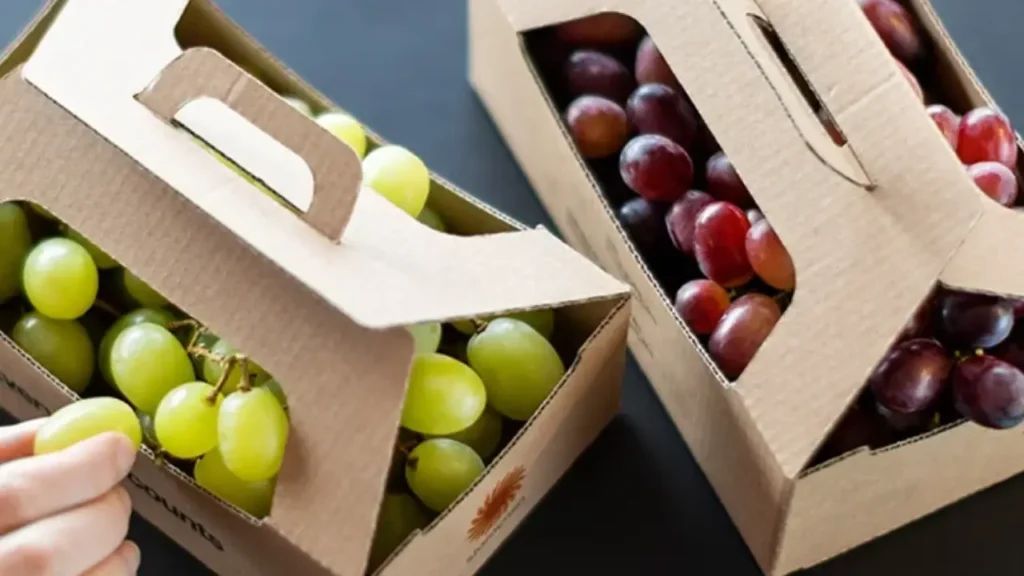
El papel ondulado, o cartón, se fabrica a partir de capas de cartón, lo que le confiere una resistencia y durabilidad superiores. Se utiliza principalmente para el envío y almacenamiento de productos alimentarios, ofreciendo una protección fiable durante el transporte. Entre sus usos más comunes están las cajas de pizza, las cajas de cartón para el transporte de alimentos a granel y los grandes contenedores de comida para llevar.
Las propiedades amortiguadoras del papel ondulado ayudan a proteger los alimentos frágiles de posibles daños durante su manipulación y transporte. Además, es reciclable, lo que supone una opción sostenible para las empresas. Este material es una opción de envasado asequible y resistente, especialmente para productos alimentarios voluminosos que requieren protección adicional durante el transporte.
Papel encerado
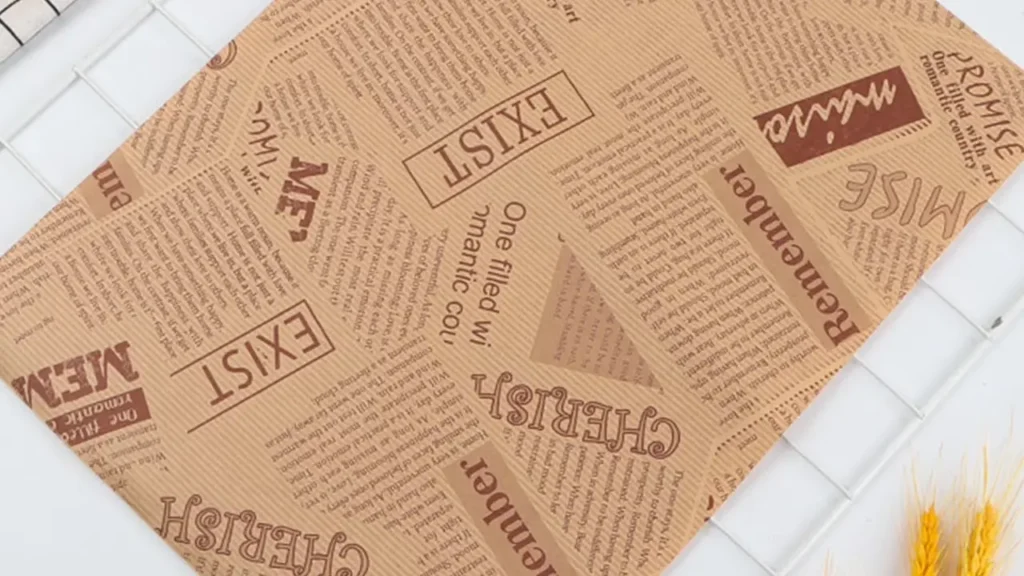
El papel encerado está recubierto de una fina capa de cera que le confiere propiedades resistentes a la humedad y la grasa. Se suele utilizar para envolver alimentos como bocadillos, pasteles y caramelos. El revestimiento de cera ayuda a evitar fugas y conserva la frescura, al tiempo que garantiza que los alimentos permanezcan intactos.
El papel encerado es una solución rentable para almacenar alimentos a corto plazo, y sus propiedades antiadherentes son especialmente útiles para alimentos grasientos o pegajosos. Sin embargo, aunque es biodegradable, no es tan reciclable como otros tipos de papel, por lo que es importante desecharlo correctamente. Es ideal para envasar alimentos que no requieren conservación a largo plazo.
Cartón
El cartón es un material grueso y resistente que suele utilizarse en cajas plegables y envases para productos alimentarios. Lo encontrará en artículos como cajas de cereales, envases para alimentos congelados y cartones para bebidas. El cartón ofrece una amplia superficie para la marca y es perfecto para el envasado de alimentos listos para la venta al por menor.
El cartón es duradero, ligero y tiene excelentes propiedades de barrera para proteger los alimentos de la humedad y el aire. También es muy reciclable, lo que lo convierte en una opción sostenible para las empresas que dan prioridad a las prácticas ecológicas. Su capacidad para ofrecer protección y una imagen de marca atractiva hace del cartón un material ideal para el envasado de alimentos.
Papel de pergamino
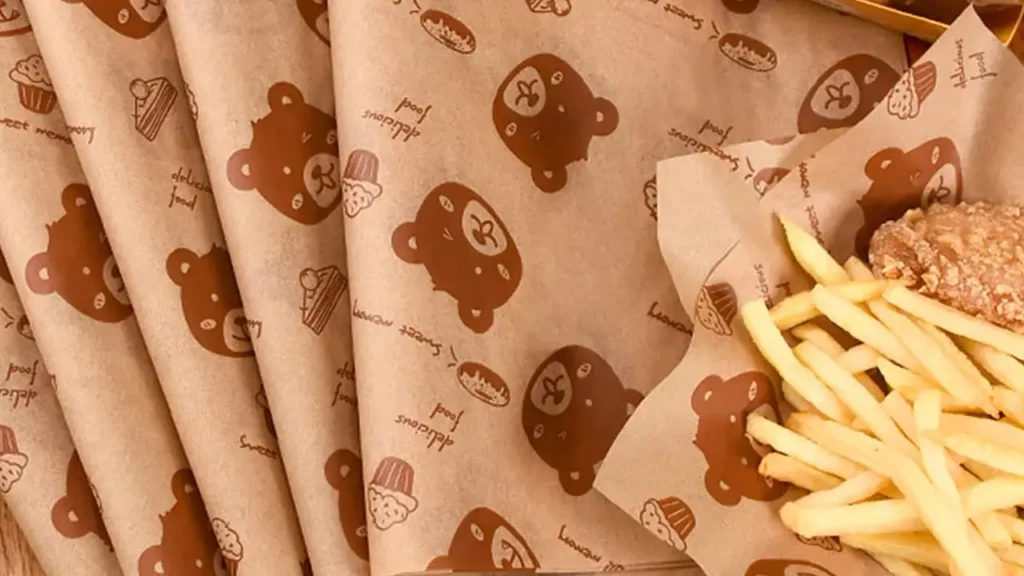
El papel pergamino es un papel resistente al calor y antiadherente tratado con silicona, lo que lo convierte en una excelente opción para cocinar y hornear. Se suele utilizar para forrar bandejas de horno, envolver alimentos para cocinar y envasar productos como pasteles, galletas y carne.
La naturaleza antiadherente del papel pergamino lo hace perfecto para evitar que los alimentos se peguen al cocinar u hornear. También es muy resistente al calor, lo que permite utilizarlo con seguridad en métodos de cocción a alta temperatura como el asado y el horneado. El papel pergamino es biodegradable, por lo que es una alternativa ecológica para cocinar y envasar.
He aquí un cuadro con las principales características y aplicaciones de cada tipo de envase de papel para alimentos:
| Tipo de papel | Características principales | Aplicaciones comunes | Beneficios |
|---|---|---|---|
| Papel Kraft | Pasta de madera resistente, ecológica y sin blanquear | Productos de panadería, bocadillos, cajas de comida para llevar, productos frescos | Biodegradable, reciclable, duradero, aspecto natural |
| Papel estucado | Acabado liso y brillante, resistente a la humedad y la grasa | Envases para comida rápida, cajas para pizza, envases para aperitivos | Excelente imprimibilidad, barrera contra la humedad, mantiene los alimentos frescos |
| Papel ondulado | Capas de cartón, resistentes y duraderas | Cajas de pizza, cajas de cartón para envío de alimentos a granel, envases grandes para comida para llevar | Protector, amortiguador, reciclable, rentable |
| Papel encerado | Recubierto con una fina capa de cera, resistente a la humedad y la grasa | Bocadillos, bollería, dulces, almacenamiento de alimentos a corto plazo | Antiadherente, evita fugas, biodegradable |
| Cartón | Cajas plegables gruesas y resistentes, excelentes para la marca | Cajas de cereales, envases de alimentos congelados, envases de cartón para bebidas | Ligero, reciclable, ideal para la imagen de marca y el atractivo de los estantes |
| Papel de pergamino | Resistente al calor, antiadherente, recubierto de silicona | Forrar bandejas de horno, envolver para cocinar, envasar pasteles | Resistente al calor, antiadherente, biodegradable, ideal para hornear |
Este gráfico ofrece una visión general de las características y usos de cada tipo de envase de papel, lo que facilita la comparación y la elección de la opción adecuada para las distintas necesidades de envasado de alimentos.
¿Qué papel es adecuado para el envasado de alimentos?
Elegir el papel adecuado para el envasado de alimentos depende de factores como el tipo de alimento, las condiciones de almacenamiento y el impacto medioambiental. Varias opciones de papel ofrecen ventajas únicas en términos de protección, sostenibilidad y presentación. A continuación se indican los tipos de papel más adecuados para el envasado de alimentos y sus respectivas ventajas.
- Papel Kraft: Fabricado con pulpa de madera sin blanquear, es duradero, ecológico y perfecto para artículos de panadería, bocadillos y productos frescos. Su naturaleza biodegradable garantiza la sostenibilidad, ofreciendo resistencia y un aspecto natural.
- Papel estucado: Presenta un acabado brillante resistente a la humedad y la grasa, ideal para comida rápida, pizza y aperitivos. También permite una impresión de alta calidad, por lo que es adecuado para la marca junto con la funcionalidad.
- Papel ondulado: Conocido por sus propiedades de resistencia y amortiguación, es perfecto para enviar y proteger alimentos a granel, como productos congelados, cajas de pizza y recipientes de comida para llevar. Es reciclable y sostenible.
- Papel encerado: Recubierto con una fina capa de cera, lo que lo hace resistente a la humedad y la grasa. Ideal para envolver alimentos como bocadillos y pasteles. Garantiza la frescura y evita las fugas, pero es menos reciclable.
- Cartón: Grueso y duradero, ideal para envases de venta al por menor como cajas de cereales y alimentos congelados. Protege los alimentos de la humedad y el aire, al tiempo que es reciclable, lo que lo convierte en una alternativa sostenible al plástico.
- Papel de pergamino: Resistente al calor y antiadherente, es perfecto para cocinar y hornear. Se utiliza habitualmente para forrar bandejas de horno o envolver alimentos para asar. Resiste altas temperaturas y es totalmente biodegradable.
Conclusión
A medida que crece la demanda de envases sostenibles, los envases de papel ofrecen una solución eficaz y respetuosa con el medio ambiente para los fabricantes de alimentos. Su versatilidad permite a las empresas adaptar sus envases a necesidades específicas, al tiempo que contribuyen a un planeta más verde. Esto lo convierte en una opción atractiva tanto para las empresas como para los consumidores.
Al elegir el tipo adecuado de envase de papel, las empresas pueden mejorar la vida útil y el atractivo visual de sus productos. También ofrece a los consumidores la seguridad de que el envase se ajusta a sus valores de sostenibilidad. Ya sea para comida para llevar, para envíos o para la venta al por menor, los envases de papel desempeñan múltiples funciones en el sector alimentario.
Si busca envases de papel al por mayor, Letai Packaging es su mejor opción. Ofrecemos una amplia gama de opciones de embalaje de papel diseñadas para satisfacer las necesidades únicas de sus productos alimenticios, garantizando tanto la protección como una huella ecológica. Póngase en contacto con nosotros hoy mismo para sus necesidades de envasado.

He perfeccionado mi experiencia en la creación de soluciones de envasado de alta calidad, aportando innovación y eficiencia al sector. Me apasiona ofrecer resultados excepcionales y contribuir a las prácticas de envasado sostenibles.
- ¿Qué es una caja de CBD? La guía definitiva - 9 de junio de 2026
- Ideas para guardar brazaletes: diseños inspiradores para un espacio ordenado - 8 de junio de 2026
- ¿Qué es una «Bangle Box»? La guía definitiva - 8 de junio de 2026
 English
  Español
  Deutsch
  Français
  Italiano
  日本語
日本語  한국어
한국어  Русский
  Português do Brasil
  العربية