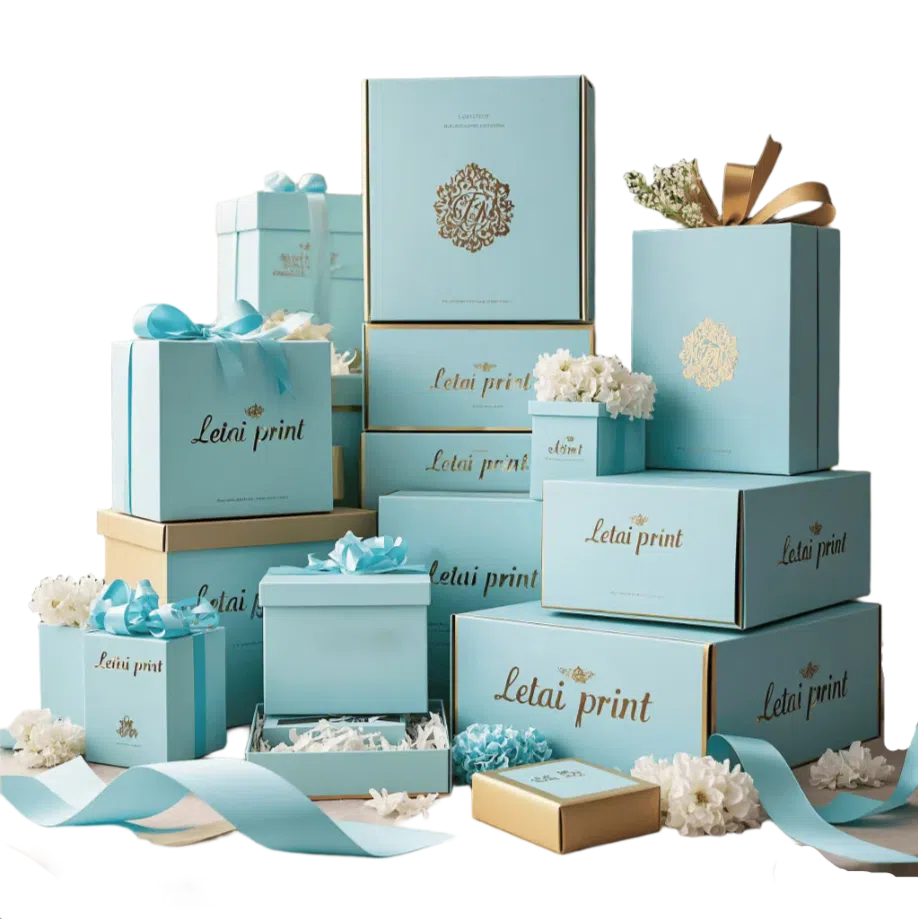
La goffratura cieca è una tecnica di stampa che crea un'impronta sottile e in rilievo sulla superficie della carta o di altri materiali senza l'uso di inchiostro o lamina. Questo elegante processo conferisce una consistenza tattile ai disegni, offrendo un aspetto sofisticato e minimalista. Viene spesso utilizzata per imballaggi di alta qualità, biglietti da visita e articoli di cancelleria.
A differenza di altre tecniche di goffratura, la goffratura cieca non lascia tracce di colore, ma si concentra esclusivamente sulla consistenza e sulla profondità del disegno. È perfetta per creare un branding sobrio ma d'impatto. Che si tratti di packaging di lusso, inviti o progetti personalizzati, la goffratura cieca aggiunge un tocco raffinato e professionale che attira l'attenzione grazie alla sua semplicità.
Che cos'è il Blind Debossing?
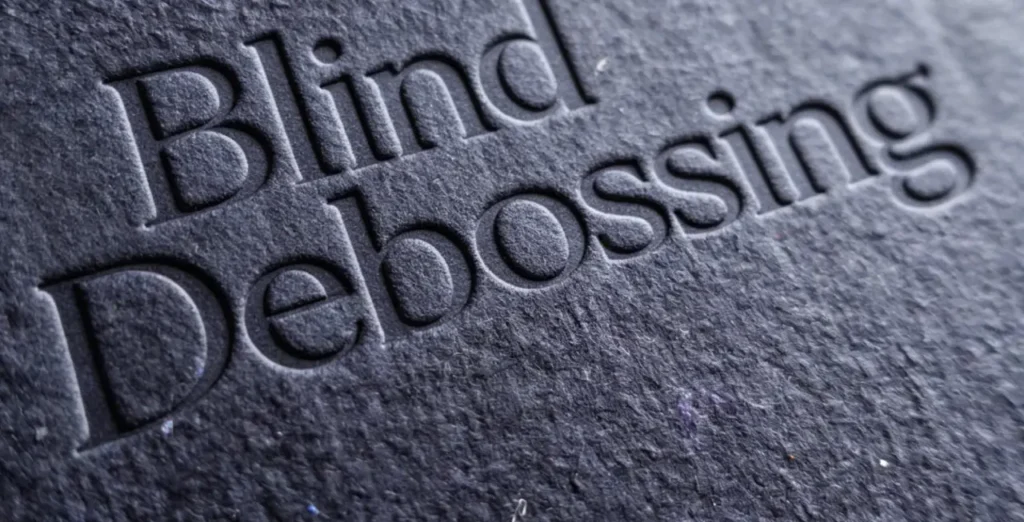
La goffratura cieca è una tecnica di stampa che crea un'impronta in rilievo e tattile su una superficie senza utilizzare inchiostro o lamina. Questo metodo lascia un design sottile ed elegante, basato esclusivamente sulla texture, per un effetto sofisticato e minimalista.
Spesso utilizzata per confezioni, biglietti da visita e articoli di cancelleria di alto livello, la goffratura cieca aggiunge profondità e dimensione a un design dal fascino sobrio.
Come funziona la goffratura cieca?
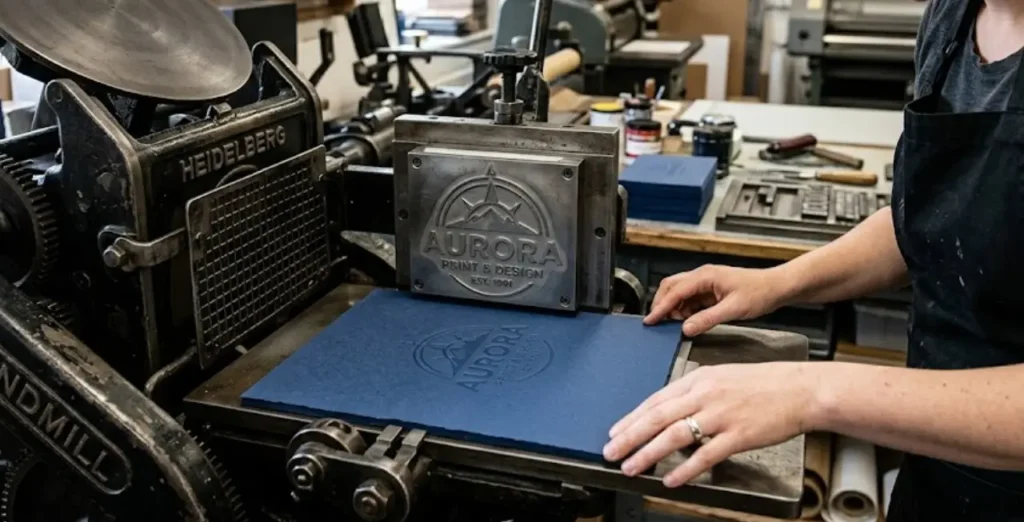
La goffratura cieca è una tecnica precisa che prevede la pressatura di un disegno in un materiale senza l'utilizzo di inchiostro o lamina, creando un'impronta in rilievo. Il processo aggiunge una texture tattile, facendo risaltare il disegno attraverso la profondità piuttosto che il colore.
Ecco come funziona il debossing cieco.
- Creazione di stampi: Viene creato uno stampo metallico personalizzato con il disegno che corrisponde alla grafica, inciso con il motivo desiderato per garantire la profondità e la precisione dell'effetto a rilievo. Lo stampo è realizzato con grande attenzione ai dettagli, per garantire che ogni linea e curva del disegno venga trasferita correttamente sul materiale, consentendo di imprimere motivi intricati, loghi o testi senza inchiostro o colore.
- Applicazione di calore e pressione: Lo stampo viene riscaldato e poi premuto sul materiale, applicando la pressione necessaria per creare l'impronta desiderata. Il calore attiva la superficie del materiale, consentendo al disegno di premere all'interno e di creare un'impronta pulita e nitida, mentre la pressione assicura che il disegno in rilievo sia uniforme e coerente su tutta la superficie.
- Raffreddamento e ispezione: Dopo che il disegno è stato pressato nel materiale, lo si lascia raffreddare. Il risultato è un disegno in rilievo che risulta tattile al tatto. Il materiale viene ispezionato attentamente per garantire che la goffratura sia accurata e uniforme su tutta la superficie. Questa fase finale garantisce la precisione della texture, per un effetto elegante e di alta qualità.
Goffratura cieca vs. goffratura
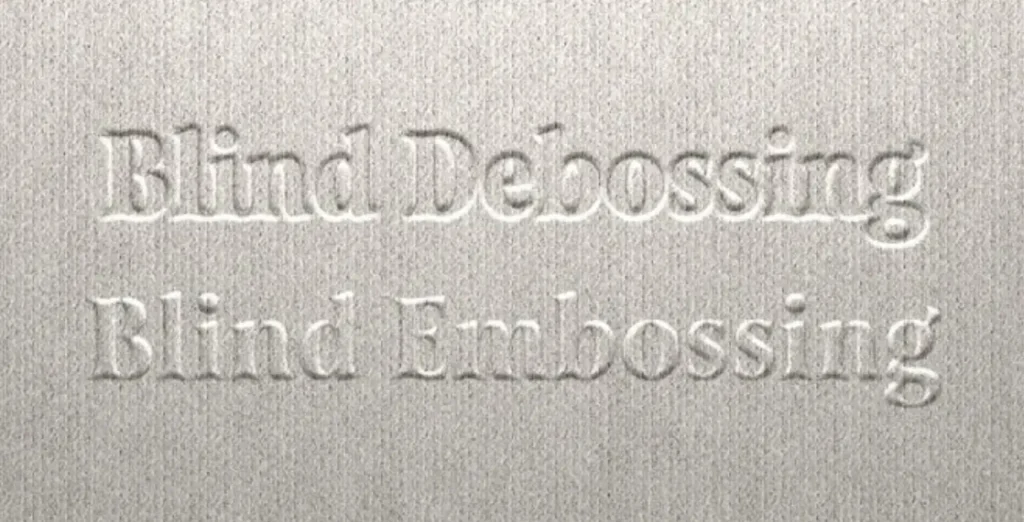
La goffratura cieca e la goffratura sono entrambe tecniche utilizzate per creare impronte in rilievo o incassate sulle superfici, ma differiscono in modo significativo per il modo in cui si formano le impronte e per il loro aspetto. La comprensione delle loro caratteristiche uniche può aiutarvi a decidere quale metodo è più adatto ai vostri specifici obiettivi di design.
1. Tipo di impressione
La goffratura cieca crea un'impronta incassata, in cui il disegno viene premuto nel materiale, conferendogli una texture sottile e frastagliata. La goffratura, invece, crea un'impronta in rilievo, in cui il disegno viene spinto verso l'esterno, creando un effetto 3D che si staglia sulla superficie. La differenza principale è che il debossing produce un disegno frastagliato, mentre la goffratura ne crea uno in rilievo.
2. Effetto visivo
La goffratura cieca offre un effetto visivo più sobrio ed elegante, con il disegno visibile principalmente attraverso la sua consistenza e profondità. Non viene aggiunto alcun colore, quindi si concentra sull'esperienza tattile. La goffratura, invece, è molto visibile grazie all'effetto in rilievo e può essere arricchita con colori o lamine per far risaltare ancora di più il disegno. La goffratura ha spesso un impatto visivo più marcato rispetto al debossing cieco.
3. Tecnica di applicazione
Il debossing cieco utilizza il calore e la pressione per premere un disegno nel materiale senza l'uso di inchiostro o lamina. Il disegno è visibile solo attraverso la texture lasciata. La goffratura, invece, utilizza un processo simile di calore e pressione, ma mira a sollevare il disegno al di sopra del materiale. Per creare l'effetto 3D è necessario un diverso processo di stampaggio e lavorazione.
4. Compatibilità dei materiali
Entrambe le tecniche funzionano bene su carta, cartone, pelle e altri materiali. Tuttavia, la goffratura è spesso più efficace su materiali più spessi o rigidi, in quanto il disegno in rilievo richiede più materiale per creare definizione. La goffratura cieca è più adatta a materiali più delicati o sottili, dove è possibile creare una texture sottile senza compromettere la struttura del materiale.
5. Costo e complessità
Il debossing cieco tende a essere più economico e meno complesso rispetto alla goffratura. Il processo è più semplice perché non prevede l'uso di materiali aggiuntivi come lamine o inchiostro. La goffratura richiede stampi e impostazioni più complesse per creare il disegno in rilievo, il che la rende un'opzione un po' più complessa e costosa, soprattutto per le grandi tirature o i disegni dettagliati.
Ecco alcune differenze tra il debossing cieco e la goffratura:
| Aspetto | Goffratura cieca | Goffratura |
|---|---|---|
| Tipo di impressione | Design incassato (rientrante) | Design in rilievo (3D) |
| Effetto visivo | Sottile, elegante, tattile | Audace, visibile e d'impatto |
| Tecnica di applicazione | Calore e pressione senza inchiostro/foglio | Calore e pressione con design rialzato |
| Compatibilità dei materiali | Ideale per i materiali più sottili e delicati | Funziona bene su materiali rigidi e spessi |
| Costo e complessità | Più economico e più semplice | Più complesso e costoso |
Vantaggi dell'imballaggio con la goffratura cieca
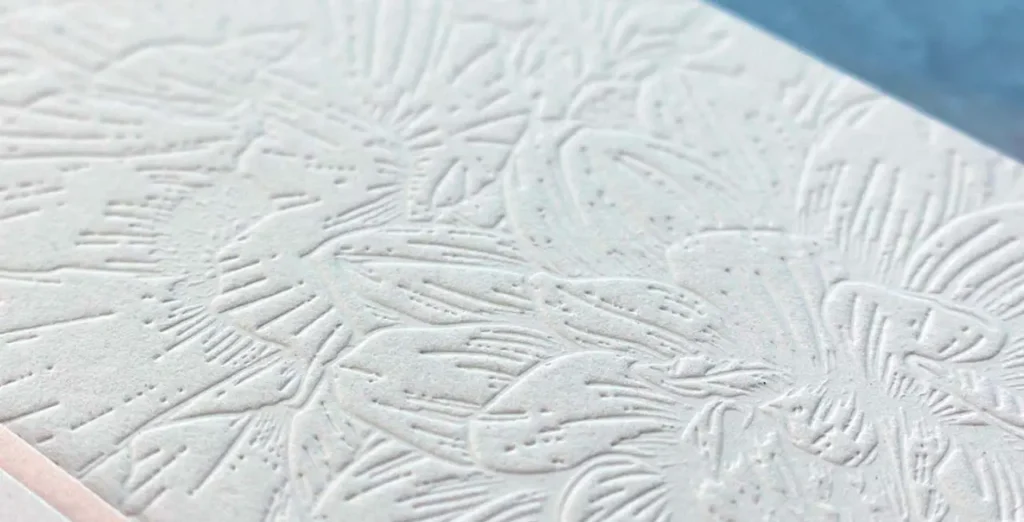
La goffratura cieca offre numerosi vantaggi nel packaging, migliorando l'esperienza estetica e tattile di un prodotto. Creando una sofisticata texture in rilievo senza l'uso di inchiostro o lamina, questa tecnica contribuisce a elevare l'identità del marchio.
Ecco i principali vantaggi dell'utilizzo del debossing cieco per gli imballaggi.
- Aspetto premium: La goffratura cieca conferisce una sensazione di lusso e raffinatezza alle confezioni, rendendole più sofisticate e di alto livello. Questa texture tattile aumenta il valore percepito del prodotto, facendolo risaltare tra i concorrenti. È ideale per i marchi di lusso che desiderano trasmettere esclusività e qualità senza l'uso del colore.
- Branding sottile: Questa tecnica consente di creare un marchio sottile ma efficace. Senza ricorrere all'inchiostro, il blind debossing crea un'impressione minimalista ed elegante, lasciando un segno memorabile senza sovrastare il design. È perfetta per le confezioni di fascia alta, dove l'eleganza e la semplicità sono elementi chiave dell'identità del marchio.
- Durata e longevità: Poiché non vengono utilizzati inchiostro o lamine, il disegno in rilievo è durevole e non sbiadisce o si consuma nel tempo. L'impronta è incisa nel materiale, rendendolo resistente ai graffi e allo sbiadimento, il che garantisce che la confezione mantenga il suo aspetto premium per tutto il suo ciclo di vita.
- Ecologico: Il debossing cieco è un'opzione ecologica in quanto non richiede inchiostri, coloranti o sostanze chimiche aggiuntive. Si tratta quindi di un'ottima scelta per i marchi che desiderano ridurre l'impatto ambientale mantenendo un aspetto di qualità. Il processo è pulito, preciso e sostenibile per i marchi attenti all'ambiente.
- Versatilità dei materiali: La goffratura cieca funziona bene su un'ampia gamma di materiali, tra cui carta, cartone, pelle e altri ancora. Può essere utilizzata sia su materiali morbidi che su materiali duri, garantendo flessibilità nel design e consentendo di applicarla a diversi tipi di packaging. Questa versatilità consente di completare qualsiasi prodotto, dai cosmetici ai regali di lusso.
Dove si usa la goffratura cieca?
Il debossing cieco è ampiamente utilizzato nei settori dell'imballaggio e della stampa per il suo sofisticato effetto tattile. Premendo il disegno nel materiale senza inchiostro o lamina, crea un'impressione sottile ma di grande impatto.
Ecco alcune applicazioni chiave del debossing cieco:
- Imballaggio di lusso: Aggiunge un tocco premium alle confezioni di prodotti di fascia alta, facendole risaltare con una texture raffinata ed elegante, migliorando la percezione del marchio e spesso completando altri elementi decorativi come la goffratura o la laminazione.
- Biglietti da visita: Aggiunge un tocco unico ai biglietti da visita, creando una sensazione di sostanza che lascia una prima impressione memorabile, a testimonianza della qualità e dell'attenzione ai dettagli.
- Copertine di libri: Utilizzato in editoria per creare disegni minimalisti e raffinati che conferiscono un aspetto professionale, attirando l'attenzione su dettagli chiave come titoli o loghi senza la distrazione di colori o finiture metalliche.
- Articoli di cancelleria: Per trasmettere professionalità e classe, la goffratura cieca viene utilizzata su carta intestata, buste e altri articoli di cancelleria, spesso in ambito aziendale o personale, per un design pulito e sobrio.
- Scatole regalo: Eleva le confezioni regalo aggiungendo un elemento tattile che migliora l'esperienza dell'unboxing, soprattutto nelle scatole di fascia alta, aumentando la percezione di esclusività e attenzione ai dettagli.
Conclusione
La goffratura cieca aggiunge un elemento raffinato e tattile a qualsiasi progetto, creando un'impressione duratura senza bisogno di inchiostro o colore. Il suo aspetto sottile e minimalista valorizza il packaging, il branding e i materiali di stampa, offrendo una sensazione di alta qualità. Questa tecnica è ideale per le aziende che cercano raffinatezza ed eleganza nella loro presentazione visiva.
I vantaggi del debossing cieco vanno oltre la semplice estetica. L'impronta lasciata sul materiale offre un'esperienza sensoriale al destinatario, aggiungendo profondità e unicità al prodotto. Che si tratti di imballaggi personalizzati, biglietti da visita di fascia alta o cancelleria di pregio, la goffratura cieca eleva l'identità del vostro marchio facendola risaltare in modo elegante e minimalista.
Se siete alla ricerca di imballaggi per il debossing cieco all'ingrosso, Letai Packaging offre soluzioni di alta qualità su misura per le vostre esigenze. Grazie alle nostre tecniche avanzate e alla nostra esperienza, possiamo aiutarvi a dare vita ai vostri progetti, creando imballaggi di alta qualità che riflettono la raffinatezza del vostro marchio. Contattateci oggi stesso per iniziare il vostro progetto di packaging con debossing cieco.

Ho affinato la mia esperienza nella creazione di soluzioni di imballaggio di alta qualità, apportando innovazione ed efficienza al settore. Sono appassionato di risultati eccezionali e di contribuire a pratiche di imballaggio sostenibili.
- Cos'è una CBD Box? La guida definitiva - 9 giugno 2026
- Idee per la scatola dei braccialetti: modelli di ispirazione per uno spazio ordinato - 8 giugno 2026
- Cos'è un Bangle Box? La guida definitiva - 8 giugno 2026
 English
  Español
  Deutsch
  Français
  Italiano
  日本語
日本語  한국어
한국어  Русский
  Português do Brasil
  العربية