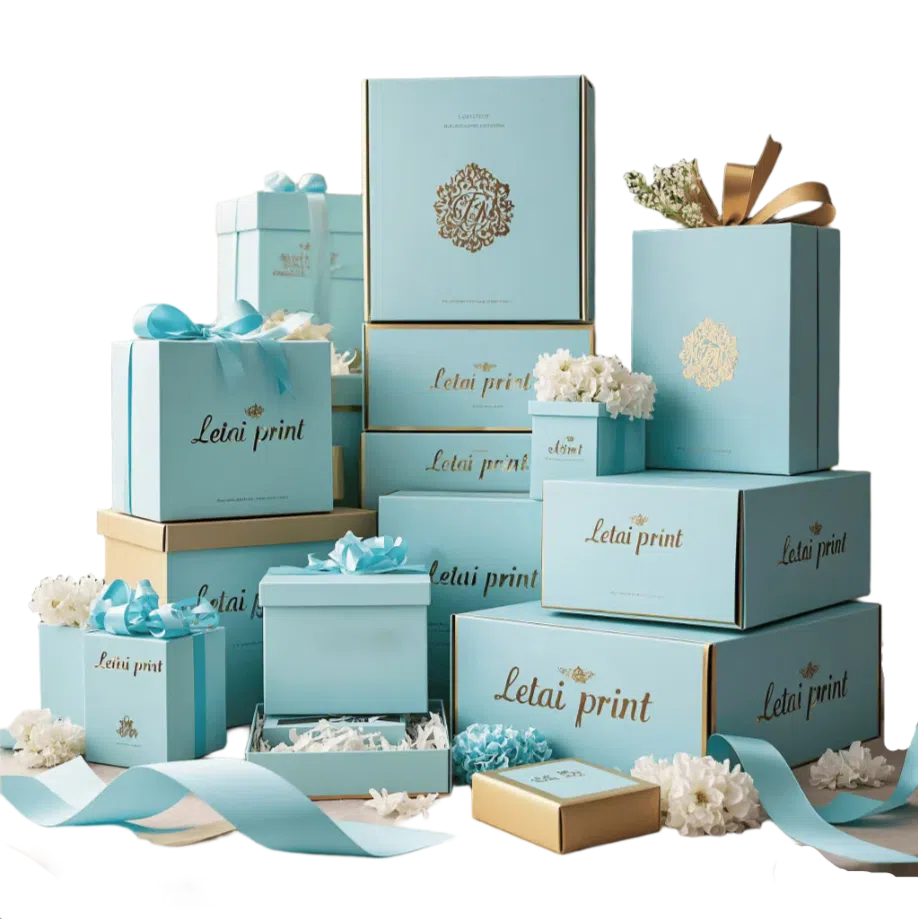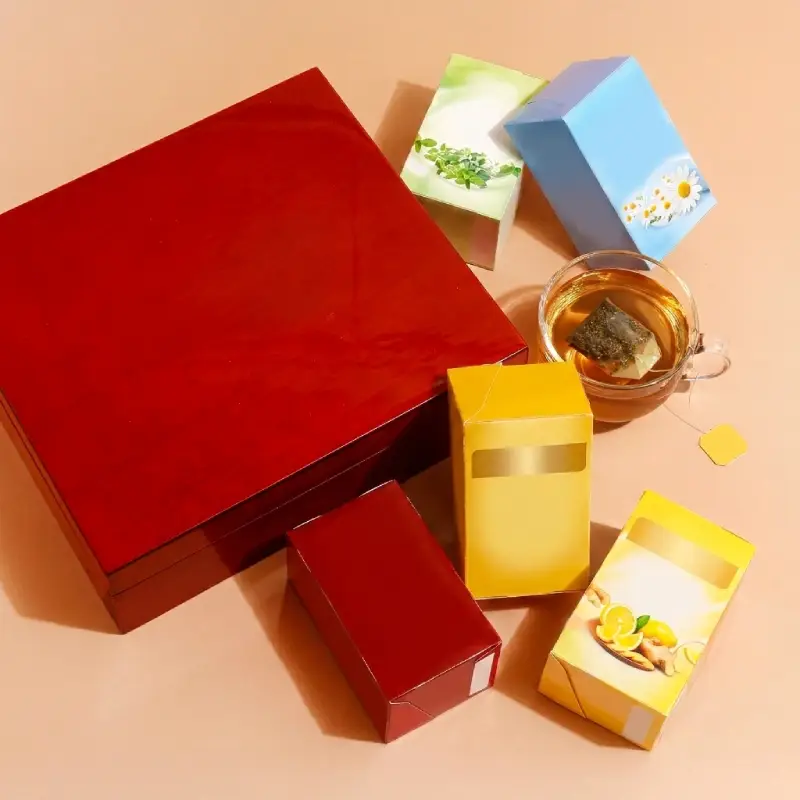
Proper storage is essential for maintaining the freshness, aroma, and quality of tea. Whether you sell loose-leaf tea, tea bags, or premium tea gift sets, protecting tea from moisture, light, air, and strong odors helps preserve its original flavor profile. Well-designed tea boxes also play a key role in extending shelf life.
Choosing the right storage methods can prevent tea from becoming stale or losing its delicate characteristics over time. Understanding how to store tea boxes correctly benefits both businesses and consumers, ensuring every cup delivers the intended taste and experience while maximizing product value and customer satisfaction.
What are Tea Boxes?
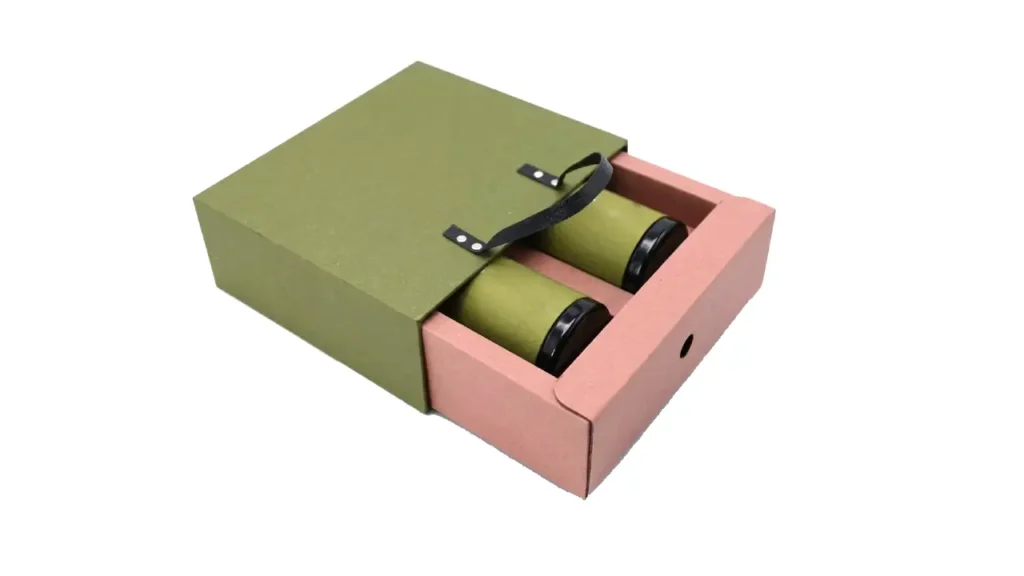
Tea boxes are specially designed packaging solutions used to store and protect tea products such as loose leaf tea, tea bags, or herbal blends.
The premium tea boxes help preserve freshness, aroma, and flavor by shielding tea from moisture, light, and air. Tea boxes also enhance presentation, making them ideal for retail, gifting, and branding purposes in the tea industry.
How to Store Tea Boxes?

Proper storage of tea boxes is essential for preserving flavor, aroma, and overall tea quality. Tea is highly sensitive to moisture, light, air, and heat, so correct handling and storage practices are necessary. By following structured steps, businesses and consumers can extend shelf life and maintain a consistent tea experience.
Choose a cool, dry and stable environment
Tools Needed:
- airtight containers
- silica gel packs
- storage shelves
- humidity monitor
- label stickers
A stable environment is the foundation of proper tea storage. High humidity or fluctuating temperatures can quickly damage tea quality, leading to loss of aroma and flavor. Selecting a controlled storage space helps protect tea boxes from environmental stress and keeps products in optimal condition for longer periods.
Tea boxes should always be stored in areas away from kitchens, bathrooms, or windows. These locations often experience heat, steam, or sunlight exposure, which can degrade tea quality over time. A cool, dry room ensures tea remains fresh and maintains its intended taste profile consistently.
Keep tea boxes away from direct sunlight
Direct sunlight is one of the fastest ways to degrade tea quality. UV exposure breaks down delicate compounds in tea leaves, causing flavor loss and discoloration. Proper placement of tea boxes in shaded or enclosed storage areas helps preserve freshness and prevents premature aging of the product.
Using closed cabinets or opaque storage bins adds an extra layer of protection against light exposure. Even indirect sunlight over time can affect quality, so it is important to ensure tea boxes are fully shielded. This simple step significantly improves long-term preservation and product consistency.
Prevent exposure to strong odors
Tea easily absorbs surrounding odors due to its natural porous structure. If stored near spices, cleaning agents, or strong-smelling goods, tea can lose its original aroma and develop unwanted flavors. Proper separation of storage items is essential for maintaining tea purity and taste integrity.
Using airtight tea boxes or sealed containers reduces the risk of odor contamination. Keeping tea in a dedicated storage space ensures that external scents do not interfere with product quality. This step is especially important for premium teas where aroma plays a key role in customer experience.
Maintain proper packaging integrity
Tea boxes must remain properly sealed to protect contents from air and moisture. Once packaging is opened or damaged, tea quality begins to decline more rapidly. Ensuring tight closures and intact packaging helps preserve freshness and prevents environmental exposure during storage.
For long-term storage, consider placing tea boxes inside secondary protective packaging. This extra layer acts as a barrier against humidity and accidental spills. Maintaining packaging integrity is a simple yet effective way to extend shelf life and ensure consistent tea quality.
Organize and rotate tea inventory regularly
Proper organization helps maintain freshness and reduces waste. Labeling tea boxes with production or expiration dates allows for efficient stock rotation. This ensures older products are used first, preventing tea from becoming stale while improving overall inventory management.
Regular inspection of stored tea boxes helps identify any signs of damage or moisture early. By keeping storage areas organized and monitored, businesses can maintain consistent product quality. This practice supports better efficiency and ensures customers always receive fresh, high-quality tea.
Things to Avoid for Tea Box Storage
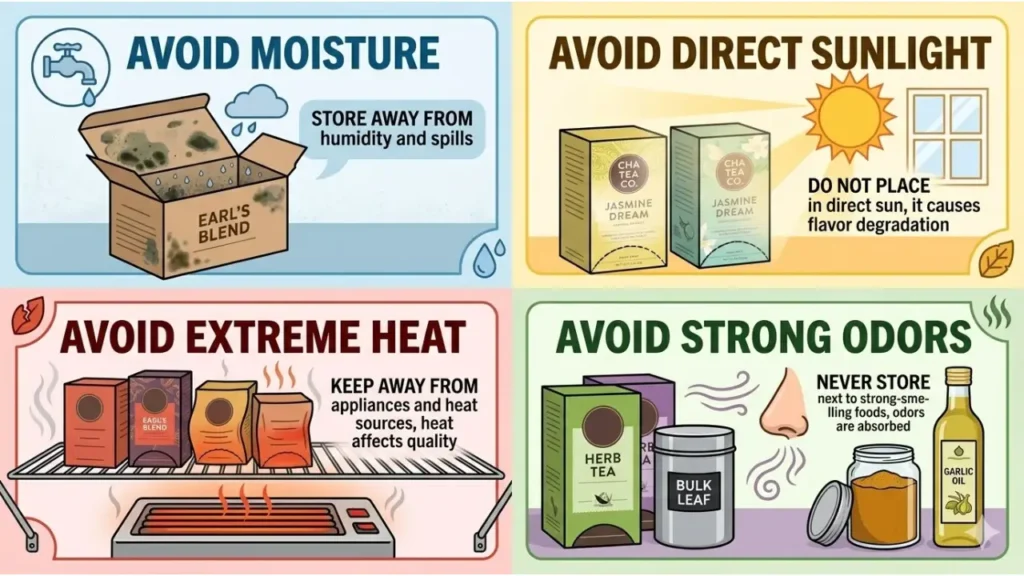
Proper tea box storage requires avoiding several common mistakes that can quickly reduce quality. Exposure to heat, moisture, light, and odors can damage tea leaves and packaging integrity. Understanding what to avoid helps preserve freshness, aroma, and flavor.
These guidelines ensure tea products remain stable, appealing, and suitable for long-term storage and consistent consumer satisfaction overall quality assurance always.
- Heat exposure
- Moisture and humidity
- Direct sunlight
- Strong odors
Heat exposure damages tea quality by speeding oxidation and breaking down flavor compounds. Avoid placing tea boxes near stoves, ovens, or electronics that emit warmth. Proper temperature control preserves aroma, freshness, and stability, ensuring consistent quality and extending shelf life during storage conditions effectively always.
Moisture and humidity cause tea to absorb water, leading to mold growth and flavor loss. Avoid damp storage areas such as basements or kitchens. Keeping tea boxes in dry environments with controlled humidity ensures product safety, preserves aroma and maintains overall quality storage effectiveness always
Direct sunlight breaks down tea compounds, causing discoloration and loss of flavor. Avoid storing tea boxes near windows or transparent containers exposed to light. Using opaque packaging or shaded cabinets helps protect tea quality, preserving aroma and ensuring long-lasting freshness and stable product performance
Strong odors can be absorbed by tea, altering its natural aroma and taste. Avoid storing tea boxes near spices, cleaning agents or perfumes. Proper separation and airtight packaging help maintain flavor purity, ensuring tea remains fresh, stable, and true to its original taste profile always
Conclusion
Storing tea boxes correctly is one of the most effective ways to protect tea quality and preserve its unique flavor, aroma, and freshness. By keeping tea away from heat, humidity, direct sunlight, and strong odors, businesses and consumers can significantly extend product shelf life while maintaining a premium tea-drinking experience.
The choice of packaging also plays a major role in tea preservation. High-quality tea boxes made from durable materials help create an additional barrier against environmental factors that can affect tea quality. Combining proper packaging with suitable storage conditions ensures that tea remains fresh and appealing for a longer period.
If you are looking for reliable and attractive wholesale tea packaging solutions, Letai Packaging offers custom tea boxes designed to protect products while enhancing brand presentation. Our wholesale tea boxes are available in various styles, materials, and finishes to meet your packaging needs and help your tea products stand out in the market.

I have honed my expertise in creating high-quality packaging solutions, bringing both innovation and efficiency to the field. I am passionate about delivering exceptional results and contributing to sustainable packaging practices.
- What is a CBD Box? The Ultimate Guide - June 9, 2026
- Bangle Box Ideas: Inspiring Designs for a Clutter-Free Space - June 8, 2026
- What is a Bangle Box? The Ultimate Guide - June 8, 2026
 English
  Español
  Deutsch
  Français
  Italiano
  日本語
日本語  한국어
한국어  Русский
  Português do Brasil
  العربية