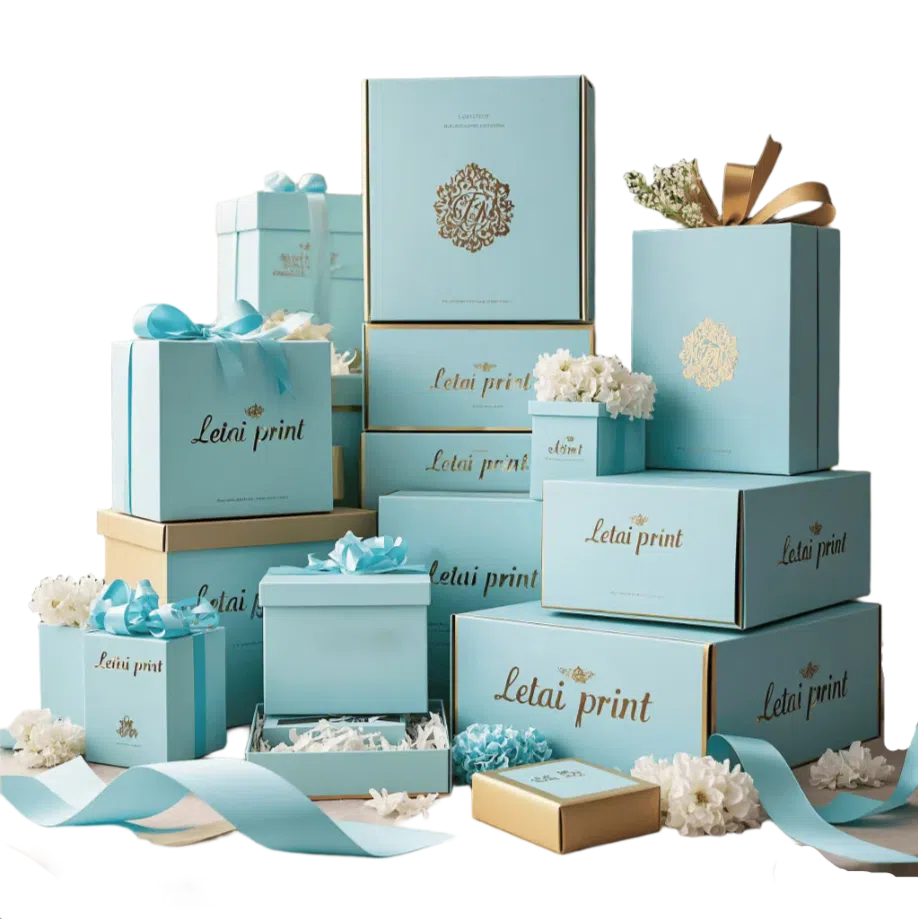
Corrugated packaging is a widely used material designed for safe shipping and storage of goods. It features a fluted inner layer between linerboards, providing strength, durability, and cushioning. Businesses across industries rely on it to protect products during transportation while keeping packaging lightweight, cost-effective, and environmentally friendly for daily operations.
Corrugated packaging offers excellent protection for fragile and heavy items, making it ideal for e-commerce, retail, and industrial use. Its recyclable nature supports sustainability goals, while customizable designs improve branding. With various strength levels available, it adapts to different shipping needs, ensuring reliable performance throughout the supply chain process worldwide.
What is Corrugated Packaging

Corrugated packaging is an engineered material designed for strength and protection. Many people call it cardboard, but it is not right. It consists of three distinct layers of paper glued together to form a rigid, durable sheet. Think of it like a paper sandwich.
The structure is simple but effective.
- Two Outer Layers: These are flat sheets called linerboard.
- One Inner Layer: This is a wavy, arched paper sheet known as the flute or medium.
The magic is in the flute. The arches create pockets of air that act as a cushion, protecting contents from impacts and vibrations. This unique design also gives the board incredible rigidity and stacking strength. It allows the packaging to be lightweight yet surprisingly strong.
How is Corrugated Packaging Made?
Corrugated packaging is a versatile solution used worldwide for shipping and protecting products. Its layered design combines strength, flexibility, and cushioning to safeguard items during transport. Understanding how it is made helps businesses choose the right materials and processes. The production involves several precise steps, from preparing paper to cutting and scoring, ensuring durable, reliable packaging every time.
Tools Needed
- Kraft paper rolls
- Corrugating machine
- Adhesive glue
- Cutting and scoring tools
- Drying oven or heat press
Step 1: Preparing Paper
The first step involves selecting high-quality kraft paper rolls for both liners and the fluted medium. Paper is fed into the corrugating machine, where it is pre-conditioned with heat and moisture to make it flexible. Proper preparation ensures the paper maintains strength and durability throughout the corrugation process.
Step 2: Corrugating Medium
Next, the paper passes through corrugating rollers that form the fluted or wavy medium. Heat and pressure are applied to shape the paper, creating the distinct ridges that give corrugated packaging its strength. This process determines the box’s ability to absorb shock and protect the contents during shipping.
Step 3: Laminating Layers
After corrugation, the fluted medium is glued between flat linerboards using adhesive. This lamination process is done carefully to avoid gaps or weak spots. The glue is then dried under heat, bonding the layers securely. Proper lamination enhances durability and ensures the final corrugated sheet meets packaging standards.
Step 4: Cutting and Scoring
Finally, the corrugated sheets are cut and scored into the desired dimensions. Cutting ensures the panels fit together properly, while scoring allows folding without cracking. Automated or manual tools are used depending on volume. These steps prepare the sheets for assembly into boxes, ready for packaging, shipping, or customization.
Differences Between Corrugated and Cardboard
Many people use the words “cardboard” and “corrugated” as if they mean the same thing. They are actually completely different. Their structure, performance, and uses are not the same at all.
Cardboard is a single, thick sheet of paper. Think of a cereal box or the backing of a notepad. It is a solid, dense material. Its main job is to provide a basic structure and a smooth surface for printing.
Corrugated board is an engineered material with a hollow structure. It is made of multiple layers.
Here are some core differences between corrugated boxes and cardboard boxes.
| Feature | Cardboard | Corrugated Board |
| Structure | A single, solid layer of heavy paper. There is no hollow space. | At least three layers: two flat liners and one wavy flute. It has a hollow design. |
| Core Performance | High stiffness and a very smooth surface. It has poor cushioning and weak compression strength. | Excellent cushioning (the flute absorbs shock). It is strong against impacts and pressure. The surface is slightly less smooth. |
| Grammage (GSM) | 180-600 g/m²<br>(Commonly 250-350 g/m²) | Liners: 120-200 g/m²<br>Flute: 100-150 g/m²<br>(Higher overall weight) |
The takeaway is simple. Use cardboard when you need to display or hold a product. Use corrugated board when you need to ship or protect it.
High-end gift boxes often use both. The inner box might be made of rigid Boxes for a premium feel, while the outer shipping container is made of corrugated board. This combination provides both elegant presentation and robust protection.
Corrugated Flute Types
The flute is the wavy, arched layer of paper between the liners. It is the soul of the board. The size and shape of these waves determine the board’s cushioning, stacking strength, and overall thickness. Choosing the wrong flute is the source of most packaging failures.

Here are the most common flute types and their best uses.
C-Flute: The All-Rounder
This is the workhorse of the shipping world. If you’ve ever received a standard e-commerce package, you’ve likely handled a C-Flute box. It offers a great balance of both cushioning and stacking strength. It’s strong enough to be stacked but has enough give to protect most everyday items.
- Best for: Almost everything. It’s the go-to choice for shipping products like books, clothing, and household goods.
A-Flute: The Ultimate Cushion
Think of A-Flute as having the thickest, tallest waves. This creates the most air space, making it the best shock absorber. It’s like wrapping your product in a protective air pillow. While it provides amazing cushioning, its wider waves make it a bit less crush-resistant than other types.
- Best for: Your most fragile items. Use this for glassware, delicate electronics, and antiques that need maximum protection from bumps and drops.
B-Flute: The Stacking Champion
B-Flute has shorter, more frequent waves. This makes the box stiff and rigid, preventing it from being crushed when stacked high. It provides good protection against punctures but offers less cushioning than A-Flute. Its smooth surface is also great for printing.
- Best for: Heavy items that will be stacked in a warehouse. Think of cases of canned goods, beverages, or any dense product where stacking strength is the top priority.
E-Flute & F-Flute: The Sleek and Slender
These are the thinnest flutes. They look almost like a simple piece of thick paperboard. Their job isn’t heavy-duty protection, but presentation. They provide a super-smooth surface that is perfect for high-quality, colorful printing, giving products a premium feel right on the retail shelf.
- Best for: Retail packaging. You see these used for cosmetic boxes, small electronics packaging, and fancy gift boxes where looks matter most.
Combined Flutes (AB or BC): The Heavy-Duty Titans
What happens when you combine two flute layers? You get a double-wall box that is the tank of the packaging world. It offers the best of both worlds: incredible stacking strength and superior cushioning. This is the ultimate solution for maximum protection.
- Best for: The heaviest and most demanding jobs. Use this for shipping industrial motors, large furniture, or for products taking a long, rough journey across the ocean.
Quick Tips: For light items under 10 lbs (~5 kg), choose an E or F flute to save on costs. For heavy items over 20 lbs (~10 kg), use an A or AB flute for maximum cushioning. For boxes that will be stacked high in a warehouse, B flute offers the best crush resistance.
Types of Corrugated Board (Wall Construction)

The number of layers in a corrugated board directly determines its strength and how much weight it can hold. There are three main types.
- Single Wall
- Structure: Two linerboards + one layer of flute.
- Thickness: 3-6 mm
- Max Load: Up to 20 lbs (~10 kg)
- Best For: Snacks, stationery, cosmetic samples, and most small e-commerce shipments.
- Double Wall
- Structure: Three linerboards + two layers of flutes.
- Thickness: 8-12 mm
- Max Load: 20-65 lbs (~10-30 kg)
- Best For: Small appliances (microwaves, air fryers), fresh produce (fruits, seafood), and international parcels.
- Triple Wall
- Structure: Four linerboards + three layers of flutes.
- Thickness: 15-20 mm
- Max Load: 65-220 lbs (~30-100 kg)
- Best For: Industrial parts, large furniture, and heavy machinery components.
The logic is simple: first, determine your product’s weight, then choose the wall type. A 4 lb (2 kg) gift set needs a single-wall box. A 45 lb (20 kg) appliance needs a double wall box. A 110 lb (50 kg) motor requires a triple-wall box.
Common Corrugated Box Styles
The style of a box affects how it is used, assembled, and opened. These five styles are the most common in packaging.
| Box Style | Key Features | Best For | Main Advantage |
| Regular Slotted Container (RSC) | Top and bottom flaps meet in the middle. Must be sealed with tape. | High-volume consumer goods, general e-commerce shipping. | Fast to produce, low cost, and easy to stack. |
| Folder Box | Ships flat and is folded into shape by the user, often without tape. | Small, light items (books, accessories), temporary storage. | Saves shipping space (ships flat, reducing volume). |
| Tuck Top Box | The lid has a small flap or “tongue” that tucks into the box to close it. | Retail packaging (snacks, tissues), gift boxes. | Easy for customers to open without tools. Great unboxing experience. |
| Mailer Box | Features a hinged lid with locking tabs for a secure closure without tape. | E-commerce items needing security (cosmetics, apparel), subscription boxes. | Tamper-evident, secure, and provides a premium feel. |
| Die-Cut Box | Custom-cut on a machine (a die) to fit a product’s exact shape. Can include built-in cushions. | Uniquely shaped products (toys, electronic parts), custom gift boxes. | Provides a perfect fit, reducing the need for extra void fill materials. |
What Are the Advantages of Using Corrugated Packaging?
Corrugated packaging is more than just a box. It is a smart solution. It solves real-world problems for businesses of all sizes. Its strength, low cost, and flexibility offer major benefits.
1. For E-commerce and Logistics
The global corrugated packaging market was valued at USD 233.8 billion in 2024 and is projected to grow at a CAGR of 5% between 2025 and 2034.
Corrugated packaging solves key e-commerce problems. Online stores ship a huge variety of items. Packages are handled many times during transit. This increases the risk of damage.
Corrugated offers a specific solution. You can design the right box for every single product. A fragile item gets a box with more cushioning.
A durable item can use a simpler, low-cost design. This protects goods while controlling costs.
2. For Industrial Shipping and Transport
Heavy industrial goods need tough packaging. These products are often bulky and valuable. They are stacked high in warehouses. They must fit onto pallets for forklifts.
Corrugated board is the solution. Using double or triple-walled board creates incredible stacking strength. This prevents boxes at the bottom of a pallet from being crushed. Boxes can also be made to exact dimensions. This ensures a secure fit for safe and efficient transport.

3. For Retail and Consumer Goods
Retail is a game of volume and cost. Fast-moving consumer goods require packaging that is extremely inexpensive. It must also stack efficiently on store shelves.
Corrugated is the ideal choice. Simple B-flute, single-wall boxes are low-cost to produce in high volumes. Their flat surfaces also provide a great canvas for printing. This turns a simple shipping box into a retail display.
Based on end use, the food & beverage segment led the corrugated boxes market, accounting for over 30% of the market share in 2022。
4. For Sustainability and Environmental Responsibility
Corrugated packaging is an environmentally smart choice. Today, sustainability matters. Customers expect it. Governments require it like Eu (ESG).
Corrugated helps companies meet these demands. It is often made from a high percentage of recycled materials. It is also 100% recyclable after use. As a paper-based product, it is biodegradable. Choosing corrugated reduces a company’s environmental impact and builds a positive brand image.

Ready To get Custom Packaging ?
Contact us with a Lower Quantity
Quality Control Tests for Corrugated Packaging
To ensure quality, corrugated boxes must pass four key tests. Each test checks a different kind of strength.
- Edge Crush Test (ECT): This tests how much weight a box can handle when stacked.
- Bursting Strength Test: This tests if the box can resist being punctured.
- Box Compression Test (BCT): This tests if the entire box can resist being squeezed during shipping.
- Drop Test: This tests if the box can protect its contents when it is dropped.
What You need to Notice when choosing Corrugated Packaging.
Choosing the right box is key. A small mistake can cost you money. It can lead to damaged products and unhappy customers. Avoid these five common pitfalls.
1. Match Strength to the Product
A weak box will fail. It cannot hold a heavy product. The box will bend and crush. Your product gets damaged.
A box can also be too strong. This wastes money. You pay for strength you do not need. Match the box to the product. This protects your items and saves you money.
2. Leave Room for Cushioning
Do not make the box a tight fit. This is a common mistake. A tight fit offers no protection from bumps or drops. Every impact hits your product directly.
This causes dents and breaks. Instead, leave a small gap on all sides. This gap is for cushioning. Use bubble wrap or packaging foam. Think of it as a safety zone.
3. Plan for Moisture
Water is the enemy of a standard box. A wet box loses its strength. It becomes soft and tears easily. Think about your shipping journey.
Will your product face rain, humidity, or cold? If so, you need a water-resistant box. A simple coating works for light moisture. A waterproof film is better for rain. Very wet products need a fully waterproof box to arrive safely.
4. Build for the Stack
Your boxes will be stacked high in a warehouse. The box on the bottom must hold all the weight. Is it strong enough? A weak box will get crushed over time.
This ruins your products. It also creates a dangerous mess. You must plan for stacking. Make sure the box can handle the load. You can add corner guards for more support.
5. Design for the Pallet
Bad box sizes waste pallet space. This costs you shipping money. You pay to ship empty air. The load is also less stable. The solution is simple. Design your box to fit the pallet perfectly. A smart box size creates a tight block. You ship more products for less money.
Get Your Premium Corrugated Packaging
Corrugated packaging plays a vital role in modern logistics by ensuring products are transported safely and efficiently. Its layered structure provides superior protection against impact and compression.
Businesses benefit from its cost efficiency, versatility, and eco-friendly nature. As demand for reliable shipping solutions grows, corrugated packaging continues to be a preferred choice across global supply chains today worldwide industry networks.
Choosing the right corrugated packaging partner is essential for ensuring consistent quality and supply reliability. Businesses looking to scale operations can benefit from customized packaging solutions tailored to their needs. For premium options and bulk supply, get wholesale corrugated packaging boxes from our Letai Packaging, helping you improve efficiency, reduce costs, and enhance product protection globally with long term value.
Getting this system right requires a partner with expertise. Contact Letai Printing today to design the perfect packaging solution for your business.

I have honed my expertise in creating high-quality packaging solutions, bringing both innovation and efficiency to the field. I am passionate about delivering exceptional results and contributing to sustainable packaging practices.
- What is a CBD Box? The Ultimate Guide - June 9, 2026
- Bangle Box Ideas: Inspiring Designs for a Clutter-Free Space - June 8, 2026
- What is a Bangle Box? The Ultimate Guide - June 8, 2026
 English
  Español
  Deutsch
  Français
  Italiano
  日本語
日本語  한국어
한국어  Русский
  Português do Brasil
  العربية