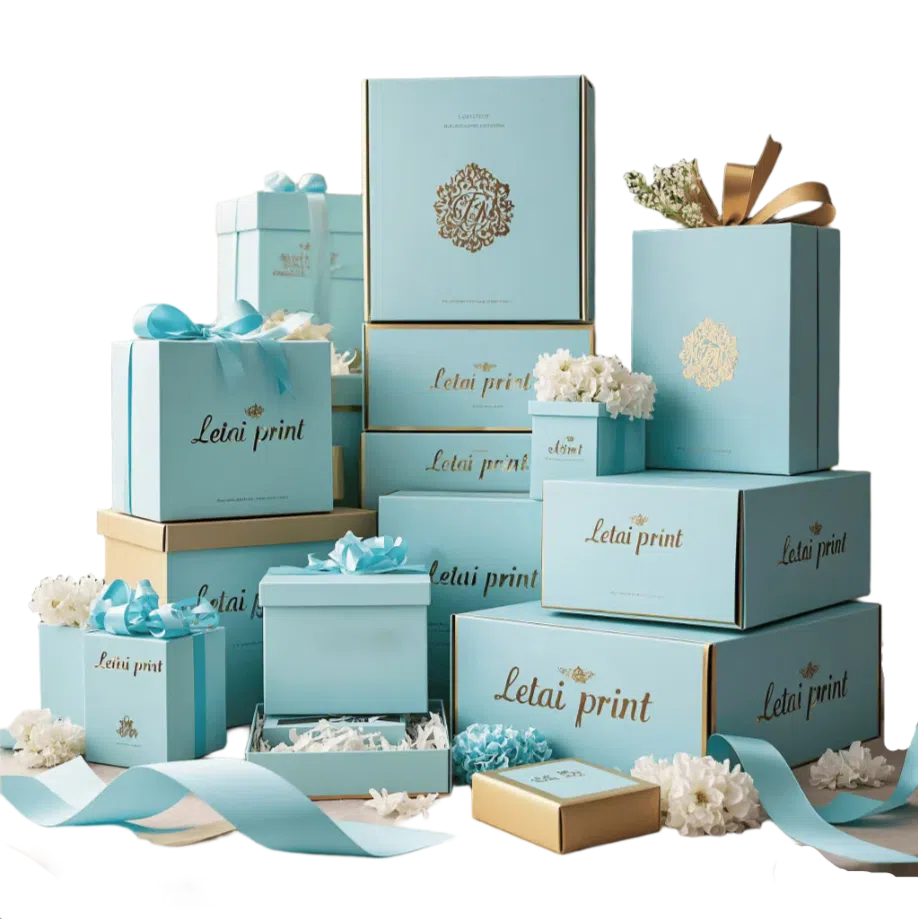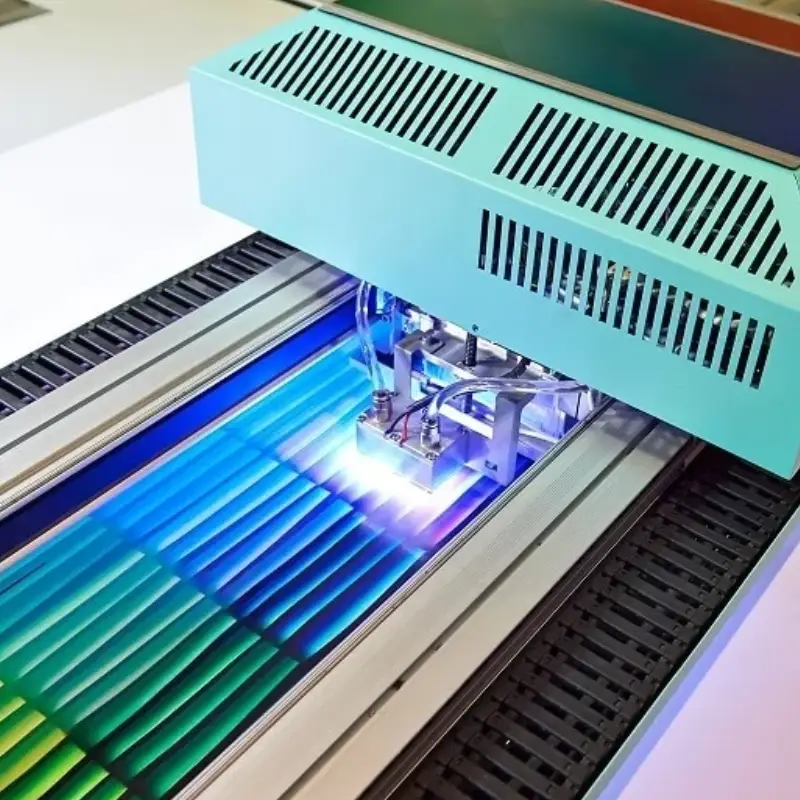
UV printing has revolutionized the world of printing by offering fast, durable, and high-quality results. In 2026, this innovative technique continues to evolve, enabling businesses to create stunning prints on various materials. Whether you’re looking for vibrant graphics or intricate designs, UV printing provides unmatched precision.
With its rapid drying process, UV printing has become a game-changer for packaging, signage, and promotional materials. The benefits of using UV printing include vibrant colors, durability, and eco-friendly inks. As industries continue to demand better printing solutions, this guide explores everything you need to know about UV printing in 2026.
What is UV Printing?
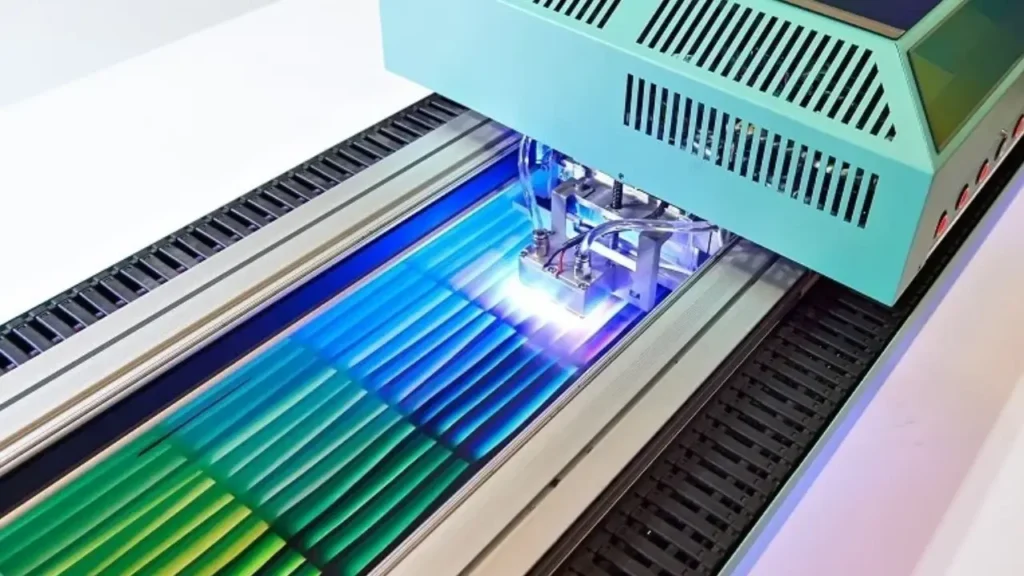
UV printing is a digital printing technique that uses ultraviolet (UV) light to cure or dry the ink as it’s printed.
UV printing process allows for faster drying times, vibrant colors, and high durability. UV printing is versatile, capable of printing on a wide range of materials, making it ideal for creating eye-catching graphics on products, packaging, and signage.
How Does UV Printing Work?
UV printing works by using UV light to instantly cure the ink as it’s applied to a surface, creating high-quality, durable prints. The process offers faster drying times and enhanced colors, making it ideal for printing on a variety of materials. Here’s how it works:
- Ink Application: The printer uses special UV inks that are applied directly onto the material. These inks are designed to stay wet until exposed to UV light.
- UV Curing: Once the ink is applied, UV lamps emit ultraviolet light to cure the ink almost immediately. This instant drying prevents smudging and enhances precision, especially on non-porous surfaces like plastic, glass, or metal.
- Material Versatility: UV printing works on a wide range of materials, from traditional paper to more complex substrates like acrylic, wood, or ceramics. This flexibility makes it suitable for various industries, including packaging, signage, and promotional products.
- Durability & Quality: UV printing creates highly durable prints that are resistant to fading, scratching, and weather conditions. This makes it an excellent choice for products exposed to the outdoors or heavy handling, ensuring long-lasting designs.
Types of UV Printing
UV printing offers different types based on the equipment, substrates, and techniques used. Each type is suited for specific applications, ensuring high-quality results. Here’s an overview of the most common types of UV printing:
- Flatbed UV Printing: This type uses a flatbed printer that holds materials flat while UV ink is applied. It’s ideal for printing on rigid and large materials like acrylic, wood, or glass.
- Roll-to-Roll UV Printing: Roll-to-roll printers work by feeding continuous rolls of flexible materials like vinyl, fabric, or paper through the machine. This is commonly used for large format prints such as banners and decals.
- Hybrid UV Printing: Hybrid printers combine flatbed and roll-to-roll features, making them versatile for printing on both rigid and flexible materials. This flexibility is perfect for businesses needing diverse product printing options.
- UV Screen Printing: UV screen printing is used to apply thicker layers of UV ink to materials. It’s commonly used for creating textures or special effects on items like promotional products, signage, or packaging.
- UV Inkjet Printing: Inkjet-based UV printing uses precise droplets of ink to create high-quality, intricate designs. This method is widely used for detailed printing on small items like labels, tags, or custom packaging.
| UV Printing Type | Ideal For | Materials | Common Use Cases |
|---|---|---|---|
| Flatbed UV Printing | Rigid, large materials | Acrylic, wood, glass | Custom signage, large packaging |
| Roll-to-Roll UV Printing | Flexible materials | Vinyl, fabric, paper | Banners, decals, vehicle wraps |
| Hybrid UV Printing | Both rigid and flexible materials | Acrylic, vinyl, fabric | Versatile for multiple substrates |
| UV Screen Printing | Thick ink layers, textures | Plastic, metal, glass | Promotional products, signage |
| UV Inkjet Printing | Detailed designs | Paper, plastic, metal | Labels, custom packaging, small items |
UV Printing Benefits
UV printing offers numerous advantages over traditional printing methods, making it a preferred choice for high-quality, durable prints. Its efficiency and versatility cater to various industries, from packaging to signage. Here’s why UV printing stands out:
- Fast Drying Time: UV printing uses UV light to instantly cure ink, resulting in faster production times and no need for drying. This quick process increases efficiency and reduces turnaround time.
- High Durability: Prints created using UV ink are resistant to fading, scratching, and weathering. This durability makes it an excellent choice for both indoor and outdoor applications, ensuring long-lasting, vibrant results that can withstand heavy handling or exposure.
- Environmentally Friendly: UV printing uses eco-friendly inks that do not release harmful VOCs (volatile organic compounds) during the curing process. This makes it a safer and more sustainable option compared to traditional solvent-based printing.
- Material Versatility: UV printing can be applied to a wide variety of materials, including paper, plastics, metal, wood, and glass. This flexibility allows businesses to create unique designs on a range of substrates, offering endless possibilities for customization.
- Vibrant Colors & Fine Detail: UV printing produces sharp, vibrant colors with high precision. It’s capable of printing intricate designs with fine details, making it perfect for high-end products, packaging, and promotional materials. The color quality remains consistent over time.
How Long Does UV Printing Last?
UV printing is known for its long-lasting durability, with prints that are resistant to fading and wear. The lifespan of UV prints depends on the materials, inks, and environmental factors, but generally, they last for years, even under harsh conditions.
- Material Type: UV prints on durable materials like metal or acrylic last much longer compared to those on paper. Non-porous surfaces help preserve the print’s integrity over time.
- Exposure to UV Light: UV printed products exposed to direct sunlight or harsh weather conditions may experience some fading over time. However, high-quality UV inks and coatings are formulated to resist fading, ensuring a prolonged lifespan.
- Surface Protection: UV printing is often enhanced with protective coatings such as varnishes or laminates, which increase resistance to scratches, smudges, and environmental factors. These protective layers ensure the print maintains its quality and longevity.
- Indoor vs. Outdoor Use: Indoor UV prints can last for several years without significant fading or wear. Outdoor prints may require more care depending on weather exposure, though UV printing still offers superior longevity compared to traditional methods.
What is UV Printing Used For?
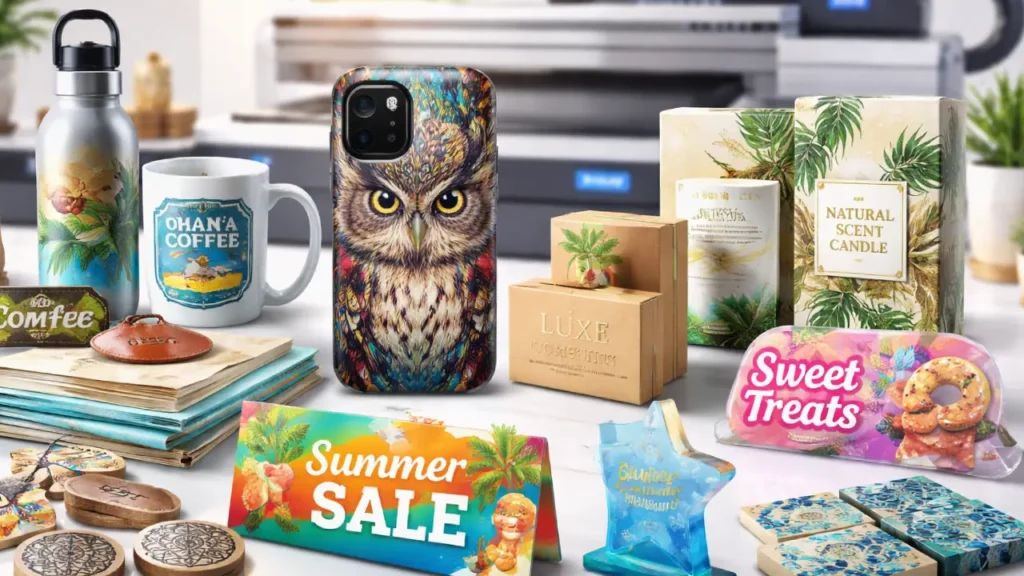
UV printing is widely used across various industries due to its versatility, high-quality results, and fast production times. From packaging to promotional materials, UV printing offers long-lasting, vibrant prints on a range of surfaces. Here are the most common applications:
- Packaging: UV printing is used extensively for creating custom packaging. It ensures durable, vibrant prints on boxes, cartons, and other packaging materials, enhancing branding and product presentation.
- Signage & Banners: UV printing is ideal for outdoor signage, banners, and billboards. Its resistance to fading and weathering makes it a great choice for long-term visibility and high-impact advertising.
- Promotional Materials: UV printing is commonly used for producing high-quality promotional products like brochures, flyers, business cards, and posters. The vibrant colors and fine details help businesses stand out and make a lasting impression.
- Personalized Products: From custom phone cases to gifts and souvenirs, UV printing allows for precise, detailed designs on a variety of materials, making it ideal for creating personalized products for businesses or individuals.
- Industrial Printing: UV printing is also used in industrial sectors to print directly onto materials such as metal, glass, and plastics, offering precise markings or logos for components, machinery, and equipment.
How Much Does UV Printing Cost?
The cost of UV printing varies depending on factors such as material, size, quantity, and complexity of the design. Generally, UV printing can be more expensive than traditional printing methods, but its durability and vibrant colors often justify the higher price.
Here’s typical cost factors:
- Material Type: Printing on more complex or non-porous materials, such as glass or metal, tends to be more expensive than printing on paper or cardboard. Custom materials may also add to the overall cost.
- Print Size & Complexity: Larger prints or designs that require intricate details and multiple colors can increase the cost. More complicated designs require longer printing times and more precision.
- Quantity: Like most printing methods, bulk orders usually reduce the per-unit cost. Printing larger quantities of the same design often results in a lower cost per item.
- Additional Features: Add-ons such as protective coatings, textured finishes, or custom UV curing can increase the cost. These features enhance durability and aesthetics but may involve additional steps in the printing process.
| Factor | Low End | Mid Range | High End |
|---|---|---|---|
| Material Type | $0.50 – $1 | $1 – $3 | $3 – $5 |
| Print Size | $1 – $2 | $2 – $5 | $5 – $10 |
| Quantity | $0.50 – $2 | $2 – $4 | $4 – $7 |
| Complexity | $1 – $3 | $3 – $7 | $7 – $15 |
| Additional Features | $0.50 – $2 | $2 – $5 | $5 – $10 |
(Note: Prices are approximate and can vary by supplier.)
Is UV Printing Permanent?
UV printing is known for its durability, but whether it’s truly permanent depends on the material and conditions it’s exposed to. Generally, UV prints are long-lasting, especially with proper care. Here’s a closer look at its permanence:
- Material Durability: UV printing on materials like acrylic, metal, and glass offers excellent durability. These substrates hold the print well over time, resisting fading and scratches. However, prints on paper may wear more quickly.
- Exposure to Elements: While UV printing is resistant to weathering, continuous exposure to harsh conditions such as direct sunlight can cause some fading. Protective coatings can extend its longevity in outdoor settings.
- Indoor vs. Outdoor Use: UV prints used indoors are more likely to maintain their appearance for years, as they are less exposed to damaging UV rays. Outdoor prints may require additional protection to ensure long-term quality.
- Protective Coatings: Using UV coatings or laminates further protects the print from environmental factors. This can help preserve colors and prevent damage caused by physical abrasion or weather exposure, enhancing its permanence.
Is UV Printing Safe?
UV printing is considered safe when proper safety measures are followed during the printing process. It uses UV light to cure ink, which is generally safe for most applications. However, there are some important safety considerations to be aware of:
- UV Light Exposure: UV light used in the printing process can be harmful if directly exposed to the skin or eyes. Proper shielding and protective gear are essential for workers to avoid injury from prolonged exposure.
- Ink Safety: The inks used in UV printing are non-toxic and eco-friendly, but certain chemicals can still pose risks if mishandled. Always follow safety guidelines to avoid contact with skin or inhalation of fumes during the printing process.
- Ventilation: Proper ventilation is crucial in UV printing environments, especially when using UV inks that emit fumes. Adequate airflow helps minimize the risk of inhaling harmful vapors, ensuring a safer workspace.
- Workplace Safety Standards: Adhering to safety regulations and guidelines set by health and safety authorities ensures the safe operation of UV printing machines. This includes regular maintenance and safety checks on equipment to prevent accidents and exposure to potential hazards.
Why Choose UV Printing Packaging?
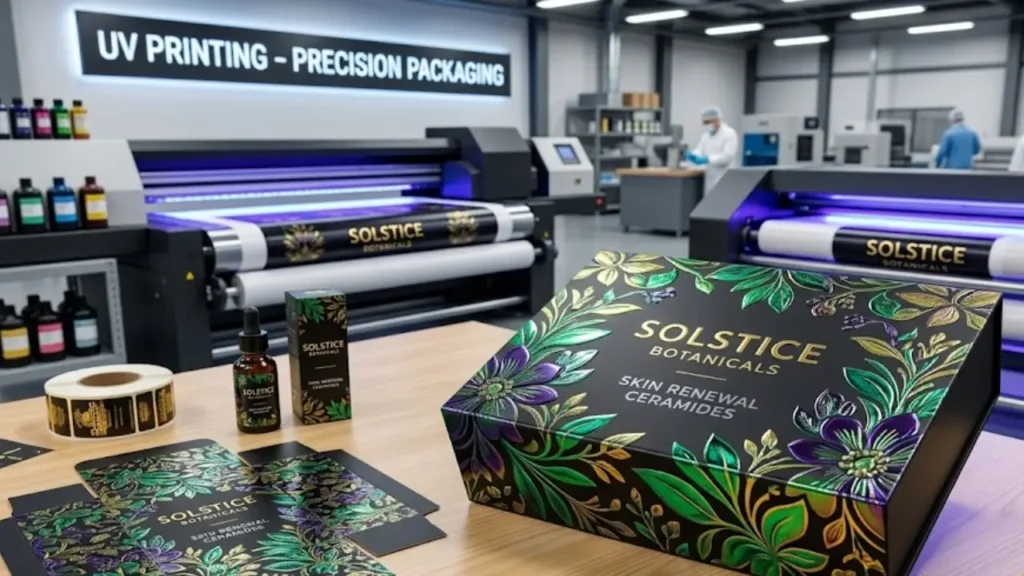
UV printing packaging offers numerous advantages, making it an ideal choice for businesses seeking durable, high-quality packaging solutions. The technique ensures vibrant colors, precision, and long-lasting results, helping brands stand out.
Here’s why UV printing is the preferred choice for packaging:
- Enhanced Durability: UV printing produces scratch-resistant and fade-resistant prints. This ensures your packaging remains visually appealing for a longer period, even under harsh conditions, making it ideal for products exposed to handling or outdoor environments.
- Vibrant Colors: UV printing uses specialized inks that cure instantly under UV light, producing vivid colors that stand out. This makes it perfect for creating attention-grabbing packaging designs that attract customers’ attention and help brands leave a lasting impression.
- Eco-Friendly: UV printing uses eco-friendly inks that emit no harmful volatile organic compounds (VOCs). The printing process is safer for the environment compared to traditional printing methods, making it a sustainable option for packaging.
- Versatility: UV printing can be used on a wide range of materials, from paper and cardboard to plastic and glass. This versatility allows businesses to create unique, custom packaging that aligns with their product’s design and branding.
- Fast Production Time: UV printing dries instantly, reducing the overall production time for packaging. This efficiency helps businesses meet tight deadlines without compromising on quality, making it an excellent choice for fast-moving industries.
Conclusion
As we move into 2026, UV printing continues to lead the way in providing high-quality and sustainable print solutions for businesses across various sectors. This method not only enhances the visual appeal of products but also ensures long-lasting results, making it an ideal choice for packaging and branding.
When selecting UV printing for your packaging needs, it’s essential to partner with trusted suppliers. Letai Packaging offers wholesale UV printing solutions tailored to meet your specific requirements. Their expertise ensures prints with exceptional clarity and vibrant colors on any material.
By choosing Letai Packaging, you can rest assured that you’re getting the best in UV printing technology. Their commitment to innovation and customer satisfaction guarantees that your packaging will stand out, whether it’s for retail, wholesale, or custom orders.

I have honed my expertise in creating high-quality packaging solutions, bringing both innovation and efficiency to the field. I am passionate about delivering exceptional results and contributing to sustainable packaging practices.
- Shoe Box Size: Perfect Dimensions for Organizing Your Shoes - May 25, 2026
- Pizza Box Sizes: Tips to Save on Packaging Costs - May 22, 2026
- What is a Toy Subscription Box? The Ultimate Guide - May 22, 2026
 English
  Español
  Deutsch
  Français
  Italiano
  日本語
日本語  한국어
한국어  Русский
  Português do Brasil
  العربية