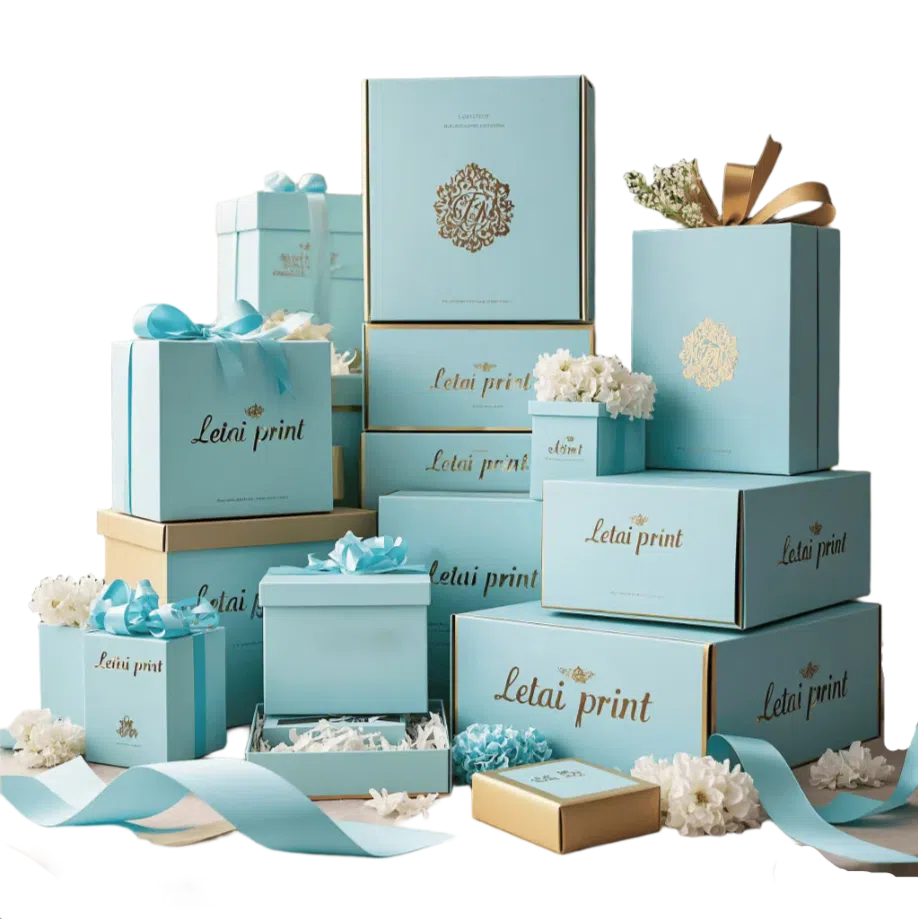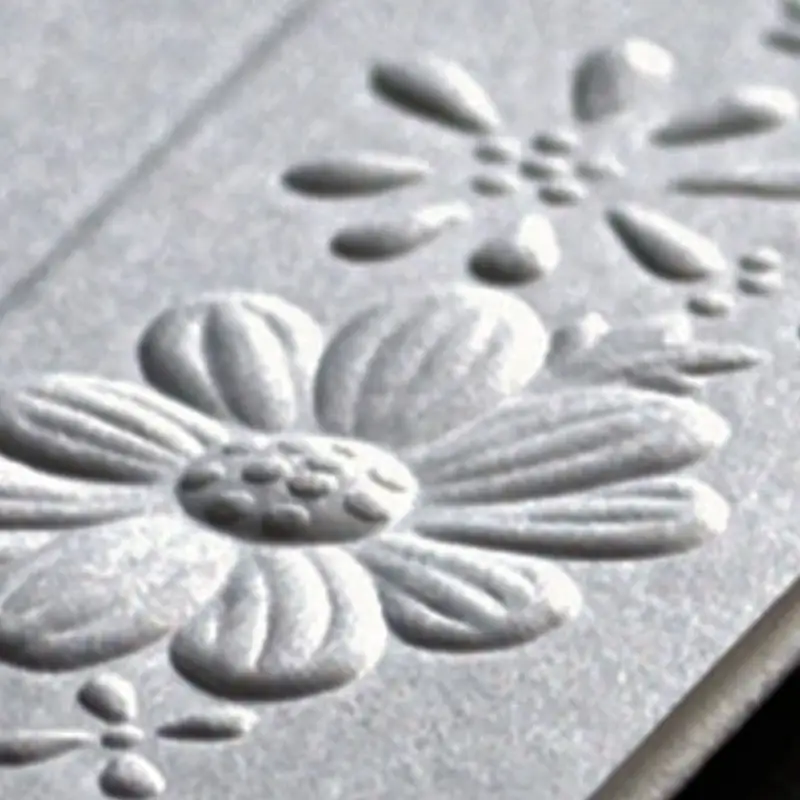
Blind embossing is a technique used to create raised, textured designs on paper or other materials without the use of ink or color. The process involves pressing a design into the material using a die, resulting in a subtle yet sophisticated effect that enhances the tactile experience. It’s often used for premium packaging, stationery, and branding.
This method adds depth and elegance to printed materials, making them stand out with a unique, classy finish. Blind embossing is particularly popular in high-end packaging, business cards, and invitations, offering a refined and luxurious look. Let’s explore how blind embossing works and the benefits it brings to your projects.
What is Blind Embossing?
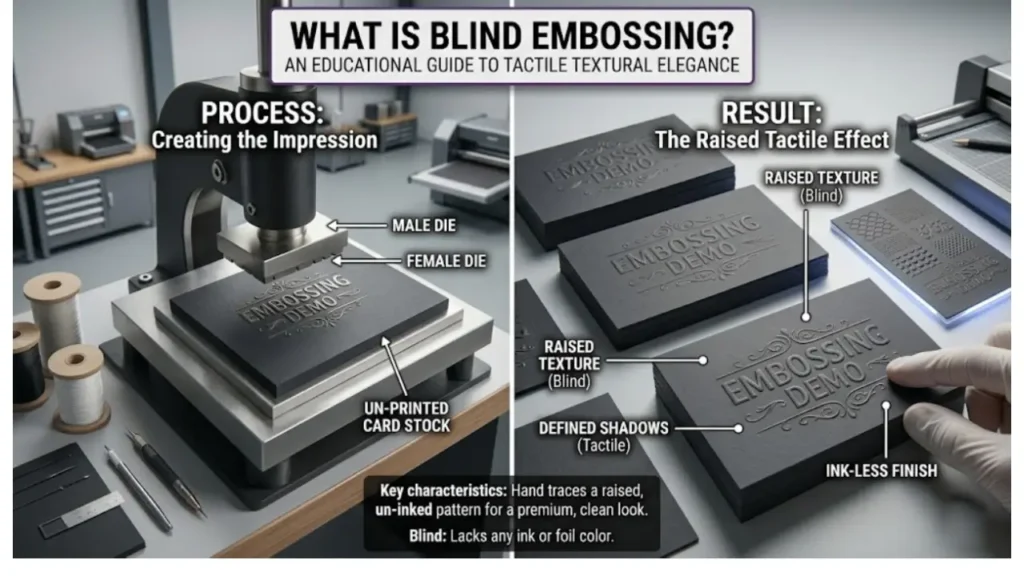
Blind embossing is a printing technique used to create a raised design or texture on a material without the use of ink or color.
It involves pressing a die onto the material to leave a subtle, tactile impression. This process adds a sophisticated, elegant effect, often used in high-end packaging, business cards, invitations, and custom stationery.
How Does Blind Embossing Work?
Blind embossing works by using a metal die to create a raised design on a material without the use of ink or color. The process results in a tactile, textured effect that adds sophistication and elegance to the printed piece. Here’s how it works:
- Design Creation: The first step is creating the artwork with the desired raised design. The design is transferred into a digital format, which is then used to create a die.
- Die Making: A custom die is created from the digital design, typically made of metal. The die has a raised area that will press into the material, forming the desired design on the surface.
- Material Placement: The material to be embossed, such as paper or cardboard, is carefully placed between the embossing die and the counter die. The material is aligned to ensure the design is positioned accurately.
- Pressure Application: The embossing press applies significant pressure to the material, pressing it against the die. This process creates a raised texture or design on the surface without the need for ink or color.
- Final Touches: Once the embossing is completed, the material is removed, revealing the raised design. The result is a clean, textured finish that adds a luxurious feel to the printed material.
Design Principles of Blind Embossing
Blind embossing is a sophisticated technique that relies on design principles to create a tactile, elegant finish. The success of blind embossing depends on careful planning of various design elements to ensure the raised areas are well-executed and visually appealing. Here are key design principles to consider:
- Simplicity: Blind embossing works best with simple designs. Intricate patterns can be difficult to execute clearly without color or ink. Opting for minimalistic, bold shapes ensures that the embossed areas stand out without overwhelming the material.
- Contrast: The contrast between the embossed design and the surrounding matte areas is crucial. While the design itself remains colorless, the depth created by the embossing creates visual contrast, highlighting key elements and enhancing the overall impact of the design.
- Placement: The positioning of the design elements should be strategic, as blind embossing emphasizes certain areas of the material. Ensure the design fits well with the layout, drawing attention to important areas like logos or branding while leaving ample white space around it.
- Size and Proportion: Size and proportions play an important role in ensuring that the embossed design is not too overpowering or too subtle. Choosing the right size for the embossed area ensures that it enhances the design without dominating the visual flow of the material.
- Material Choice: The material used for blind embossing affects the quality and effectiveness of the result. Materials like thick paper or cardboard work best, as they allow for a clear, crisp impression. Using the wrong type of material may result in a weak or distorted design.
What Materials Can Be Used for Blind Embossing?
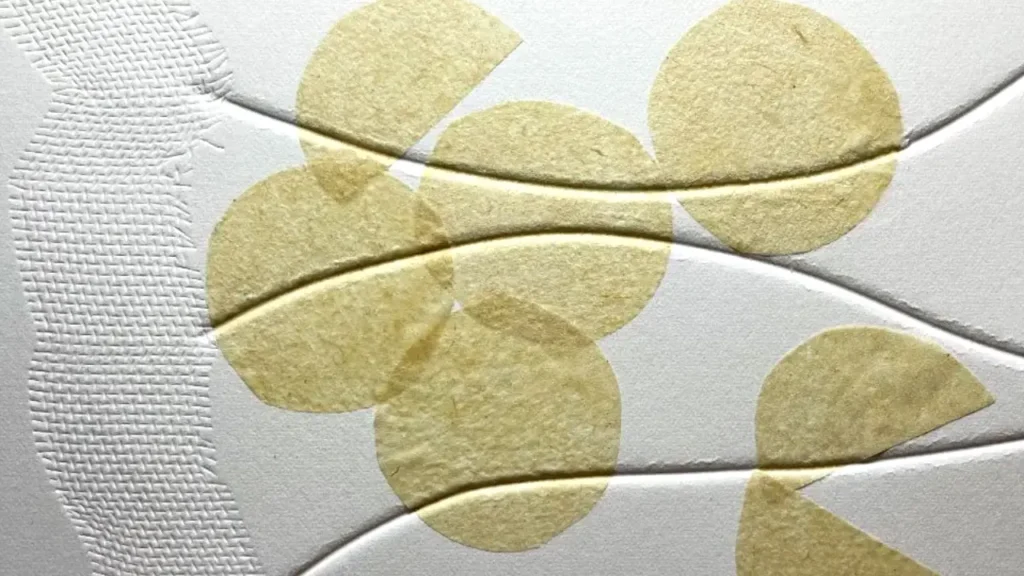
Blind embossing can be applied to various materials, each offering a different texture and effect. The choice of material affects the quality of the raised design and the overall tactile experience.
Here are some materials commonly used for blind embossing:
- Paper: Paper is the most common material for blind embossing, especially for stationery, invitations, and business cards. It allows for clean, crisp impressions and provides a soft, elegant finish.
- Cardboard: Cardboard is ideal for packaging, providing durability alongside the subtle raised design of blind embossing. It adds texture and dimension to product boxes, making them stand out with a premium feel.
- Leather: Leather is often used for high-end products like notebooks, wallets, and accessories. Blind embossing on leather creates a luxurious and sophisticated look, with a tactile impression that enhances the material’s natural texture.
- Plastic: Plastic is suitable for items like product packaging and promotional materials. It can handle the pressure of embossing, and the raised designs are durable, making it ideal for products that require a more robust, lasting finish.
- Wood: Wood offers a unique aesthetic when used for blind embossing, often applied to premium packaging or decorative items. The natural texture of wood enhances the embossed design, creating a rustic and elegant effect that stands out in high-end markets.
Blind Embossing Advantages
Blind embossing offers several advantages, making it a popular technique for adding a premium, tactile finish to printed materials. It creates an elegant, subtle effect that enhances the overall design without the need for ink or color. Here are some key benefits of blind embossing:
- Elegance and Sophistication: Blind embossing adds a touch of elegance and sophistication to any design. The raised texture enhances the visual appeal without overpowering the overall aesthetic, making it perfect for high-end branding, packaging, and stationery.
- Durability: Unlike ink or color-based designs, blind embossing doesn’t fade or wear off over time. The raised design remains intact, ensuring long-lasting quality and making it ideal for materials that are handled frequently, such as business cards or packaging.
- Tactile Experience: Blind embossing creates a tactile experience that invites touch. This physical interaction enhances the perceived value of the material, making it more memorable and engaging for customers or recipients, especially for high-end products or premium marketing materials.
- Versatility: Blind embossing works well on a wide range of materials, from paper and cardboard to leather and plastic. This versatility makes it suitable for various applications, including invitations, packaging, promotional items, and more.
- Cost-Effective: Compared to full-color embossing or other decorative techniques, blind embossing is relatively cost-effective. It achieves a high-quality, premium finish without requiring additional ink or foils, providing an elegant result at a lower production cost.
Blind Embossing Process
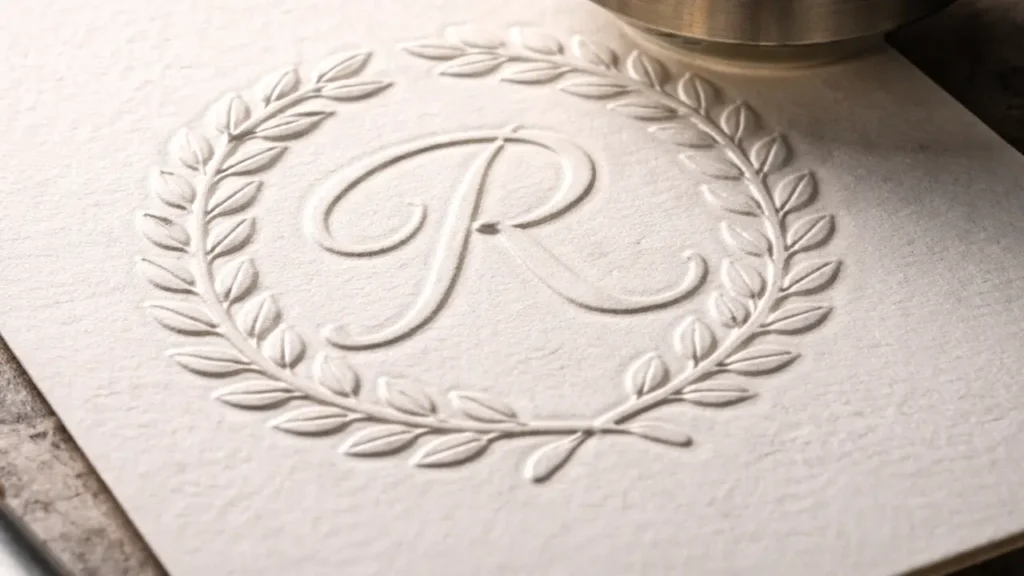
Blind embossing is a process that uses pressure to create a raised design or texture on a material, providing a luxurious, tactile finish. This technique is commonly used for high-end packaging, stationery, and invitations.
Here are the steps involved in the blind embossing process:
Tools Needed:
- Metal embossing die
- Embossing press or machine
- Counter die
- Material to be embossed (paper, cardboard, etc.)
Step 1: Design Creation
The first step is creating a design that will be raised on the material. Designers prepare the artwork using digital software and identify areas that should be embossed. The design is transferred to a metal die, which will be used to press the pattern into the material.
Step 2: Die Making
After the design is finalized, a custom die is made from metal, usually made of brass or steel. The die contains the design in reverse, with raised areas that will press into the material. The counter die, a matching piece, is made to ensure even pressure during embossing.
Step 3: Material Setup
The material to be embossed, such as paper or cardboard, is carefully placed between the embossing die and the counter die. The material is aligned to ensure that the design is positioned accurately. Any misalignment may cause uneven or distorted embossing.
Step 4: Embossing Process
The embossing press applies intense pressure to the material, forcing it into the die to create a raised design. This pressure is crucial to ensure the design is clear and crisp. The material is then carefully removed, revealing the raised design or texture.
Step 5: Finishing Touches
Once the embossing process is complete, the material is inspected for quality. Any excess material or rough edges are trimmed, and the piece is prepared for additional finishing processes, such as cutting, folding, or assembling. The final product should have a clean, sharp embossed design.
Blind Embossing Applications
Blind embossing is a versatile technique used in various industries to add a tactile, elegant finish to printed materials. It enhances the sensory experience and adds a premium feel to products without the use of ink or color. Here are some common applications of blind embossing:
- Luxury Packaging: Blind embossing is widely used in high-end packaging to create a subtle yet sophisticated texture. It highlights logos or design elements on product boxes, creating a memorable, tactile experience that adds to the luxury appeal.
- Business Cards: Business cards with blind embossing create a lasting impression by adding a raised texture to logos or names. This elegant detail elevates the professionalism of the card and enhances brand recognition with a refined, minimalist approach.
- Invitations and Stationery: Blind embossing is often used in wedding invitations, greeting cards, and high-end stationery. The raised designs add a sense of elegance and exclusivity, making the invitation feel special and memorable for the recipient.
- Branding and Marketing Materials: Blind embossing is used in brochures, catalogs, and other marketing materials to emphasize key elements, such as logos or taglines. It helps create a high-quality, luxurious look, making the material stand out among competitors and leaving a lasting impact.
- Certificates and Awards: Certificates, diplomas, and awards often feature blind embossing to add a prestigious, tactile element. The raised design signifies importance and authenticity, providing a premium touch to official documents or recognition pieces.
Blind Embossing vs Embossing
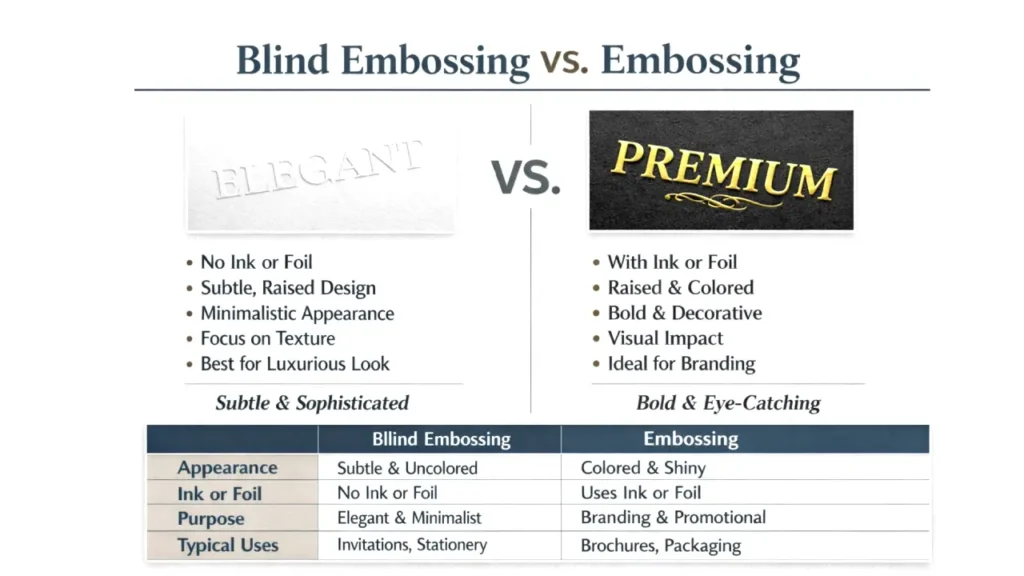
Blind embossing and embossing are both techniques used to create raised designs on materials, but they differ in their methods and results. While both processes enhance the tactile experience, understanding their differences helps in choosing the right technique for your project.
Here’s a comparison of blind embossing and regular embossing:
Method
Blind embossing uses no ink or color and relies solely on pressure to create a raised design. The design is pressed into the material to create texture. Regular embossing, on the other hand, typically involves adding ink or foil along with the raised design, giving it color and a more vibrant appearance.
Visual Effect
Blind embossing creates subtle, elegant impressions without any added color, which results in a sophisticated, understated look. In contrast, regular embossing often combines raised elements with vibrant colors, making the design more eye-catching and visually dynamic.
Use of Color
In blind embossing, there’s no color or ink applied to the raised design, allowing for a pure tactile finish. Regular embossing may incorporate foil stamping or ink, making the design stand out with vibrant hues, metallic finishes, or other colors.
Cost
Blind embossing tends to be more cost-effective since it doesn’t require the additional steps of adding color, foil, or ink. Regular embossing, with its additional color layers or foiling, typically comes at a higher cost due to the more involved process and extra materials required.
Applications
Blind embossing is commonly used for luxury packaging, invitations, and high-end stationery, where a tactile experience is the focus. Regular embossing, with its colored or foil elements, is often used for more eye-catching designs, such as product packaging, promotional materials, and business cards.
Here are some differences between blind embossing and regular embossing.
| Aspect | Blind Embossing | Regular Embossing |
|---|---|---|
| Method | No ink or color; just pressure | Uses ink or foil with pressure |
| Visual Effect | Subtle, elegant texture | More vibrant, dynamic with color |
| Use of Color | No color or ink used | Can incorporate foil or ink |
| Cost | More affordable | More expensive due to extra steps |
| Applications | Luxury packaging, stationery | Product packaging, business cards |
Factors to Consider about Blind Embossing
When considering blind embossing for your project, several factors must be taken into account to ensure the best results. These elements can impact the final design, cost, and overall effectiveness.
Here are some important factors to consider:
- Material Selection: The type of material used for blind embossing affects the outcome. Thicker materials, like cardstock or leather, work best as they can handle the pressure of embossing, ensuring clean, crisp impressions. Thin or porous materials may not yield clear results.
- Design Complexity: Simple, bold designs work best with blind embossing. Intricate or fine details may be challenging to emboss cleanly, especially without color. It’s essential to ensure the design is suitable for this technique, focusing on larger, more defined elements.
- Die Quality: The quality of the embossing die is crucial for achieving precise, high-quality results. Poorly made dies can lead to blurred or uneven designs. Investing in well-crafted dies ensures consistent, sharp impressions and enhances the overall finish of the embossed product.
- Pressure and Temperature: The pressure applied during the embossing process needs to be controlled to avoid distortion. Too much pressure can crush the material, while insufficient pressure may lead to weak impressions. The right temperature also ensures optimal results and prevents damage to sensitive materials.
- Cost Considerations: While blind embossing is cost-effective compared to other techniques that use ink or foil, the overall cost depends on the complexity of the design, material choice, and production volume. Be sure to evaluate these factors to ensure the technique fits within your budget.
Conclusion
Blind embossing offers a sophisticated, ink-free way to enhance your printed materials. By creating tactile impressions, it adds an elegant touch that elevates the overall design. This technique is perfect for businesses looking to make a lasting impression with premium, high-quality branding and packaging.
When applied to packaging, blind embossing highlights key design elements such as logos or brand names, making the product more memorable. It is especially effective in creating luxury packaging, invitations, and custom stationery, where subtlety and texture play a significant role in the product’s appeal.
For wholesale blind embossing packaging solutions, Letai Packaging offers high-quality, customizable options to suit your needs. Whether you’re creating premium packaging or marketing materials, Letai Packaging’s expertise ensures your project achieves the perfect balance of elegance and durability.

I have honed my expertise in creating high-quality packaging solutions, bringing both innovation and efficiency to the field. I am passionate about delivering exceptional results and contributing to sustainable packaging practices.
- What is a CBD Box? The Ultimate Guide - June 9, 2026
- Bangle Box Ideas: Inspiring Designs for a Clutter-Free Space - June 8, 2026
- What is a Bangle Box? The Ultimate Guide - June 8, 2026
 English
  Español
  Deutsch
  Français
  Italiano
  日本語
日本語  한국어
한국어  Русский
  Português do Brasil
  العربية