UV printing and screen printing are two of the most widely used methods in the printing industry. Each has distinct advantages depending on the project requirements. While UV printing offers high-quality, fast-drying prints on various materials, screen printing remains popular for its durability and cost-effectiveness, especially for large runs.
Understanding the key differences between UV printing and screen printing can help you choose the right method for your specific needs. From material compatibility to cost and output quality, each method offers unique benefits depending on the type of product you’re printing. This guide breaks down their differences to help you make an informed decision.
What is UV Printing?
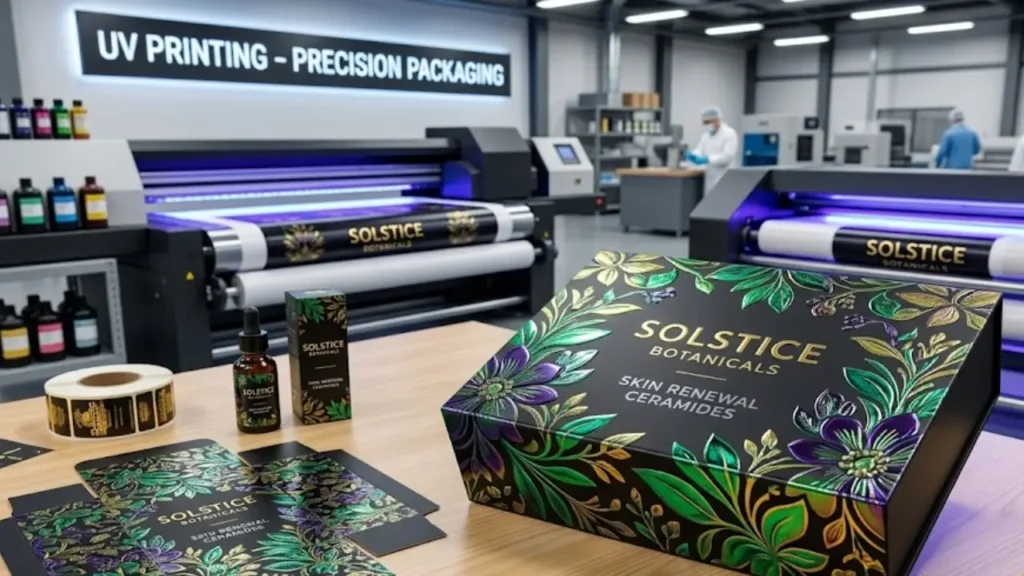
UV printing is a modern printing method that uses ultraviolet (UV) light to cure or dry the ink as it’s printed. Unlike traditional ink, UV ink hardens instantly under UV light, allowing for faster production times and higher durability. This process is versatile and ideal for printing on various materials.
- Instant Drying: UV ink dries immediately under UV light, eliminating waiting times and reducing the risk of smudging or bleeding, ensuring high-quality results with minimal delays in the workflow.
- Versatility in Materials: UV printing works on a variety of substrates, including paper, plastics, metals, glass, and wood, making it ideal for industries like signage, packaging, and promotional products, and enabling custom printing on different surfaces.
- High Durability: UV prints are resistant to fading, scratches, and weathering, with UV-cured ink bonding strongly to surfaces, ensuring long-lasting prints that maintain their vibrancy, even in harsh environmental conditions.
- Eco-Friendly: UV printing produces fewer harmful emissions, as UV inks are free from volatile organic compounds (VOCs), making it an eco-friendly choice compared to traditional solvent-based inks and minimizing waste during production.
- High-Quality Output: UV printing delivers sharp, vivid prints, offering high-resolution results with excellent color accuracy, allowing intricate designs to be captured perfectly and producing vibrant, sharp prints suitable for a wide range of applications.
What is Screen Printing?
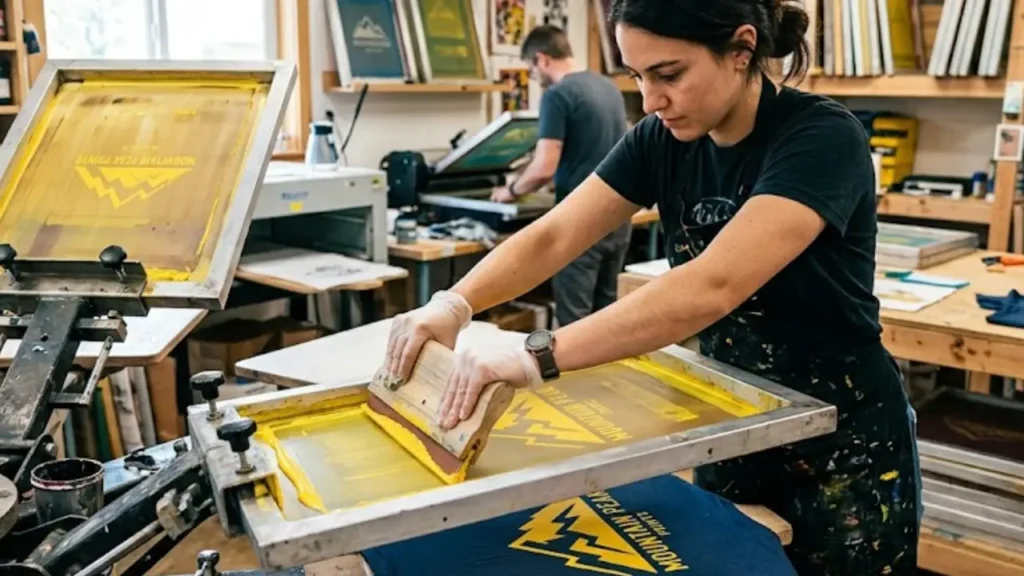
Screen printing is a traditional printing method where ink is applied to a surface using a mesh stencil (or screen). The process involves forcing ink through the screen onto the material, leaving a design or image behind. It’s widely used for printing on textiles, promotional products, and more.
- Durability: Screen printing produces long-lasting, durable prints, making it ideal for products that will undergo heavy use, such as t-shirts or outdoor signage, as the ink bonds well to the material.
- Cost-Effective for Large Runs: Screen printing is cost-effective for large-volume orders, as the setup costs can be spread over many units, making it more economical for mass production of the same design.
- Vibrant Colors: Screen printing offers vibrant, opaque colors that stand out on various materials, especially dark fabrics, giving a bold, striking appearance that lasts.
- Versatile Materials: It works on a wide range of materials, including fabrics, plastics, metals, glass, and wood, allowing businesses to print on diverse products like apparel, promotional items, and signage.
- Customization: Screen printing allows for detailed designs and custom artwork with multiple color layers, enabling businesses to create unique products and promotional items tailored to their specific needs.
UV Printing vs Screen Printing
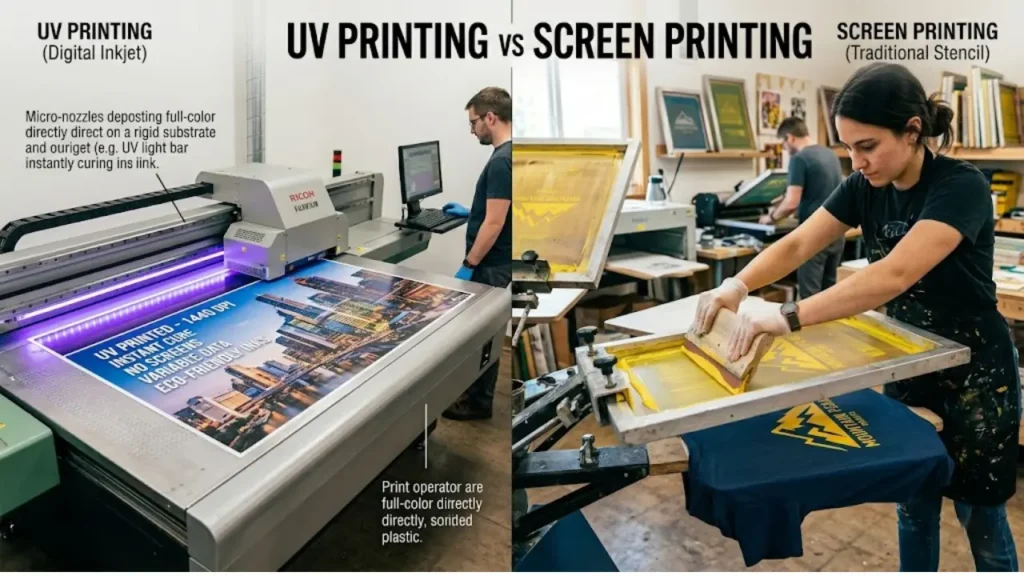
UV printing and screen printing are both popular printing methods, but they each have their unique advantages. UV printing uses ultraviolet light to cure ink, enabling quick drying and vibrant prints on a wide range of materials.
On the other hand, screen printing uses a stencil to apply ink to a surface, offering durability and bold colors, especially for large runs.
Both methods differ in the materials they are best suited for, cost-effectiveness, speed, and quality. While UV printing offers quick production and versatility, screen printing excels in large batch production and offers superior durability. Below are the key aspects to consider when choosing between the two:
1. Speed and Production Time
- UV Printing: UV printing offers faster production times because the ink cures instantly when exposed to UV light. This results in quicker turnarounds, especially for smaller orders or custom products.
- Screen Printing: Screen printing, while offering high quality, typically has slower production times due to the need for setup, drying, and multi-step processes. It’s more time-consuming for small batch runs but efficient for mass production.
2. Material Compatibility
- UV Printing: One of the biggest advantages of UV printing is its ability to print on a wide variety of materials, including paper, plastics, glass, wood, and metal. This versatility makes it ideal for custom products like signage, packaging, and promotional items.
- Screen Printing: Screen printing works best on flat surfaces, with fabrics being the most common material. While it can also be used for printing on other materials, its versatility is generally more limited compared to UV printing, especially for custom shapes and intricate details.
3. Durability
- UV Printing: UV prints are highly durable and resistant to fading, scratches, and environmental factors. The ink bonds strongly to the surface, ensuring longevity even in harsh conditions.
- Screen Printing: Screen printing also offers high durability, especially on textiles like t-shirts. The ink is thick and strong, which makes it resistant to wear and tear, but it may not hold up as well on non-porous materials.
4. Quality of Output
- UV Printing: UV printing produces sharp, vibrant, and high-definition prints with excellent color accuracy. It excels in fine detail and is ideal for intricate designs, gradients, and high-resolution images.
- Screen Printing: Screen printing offers vibrant colors with opaque finishes, making it excellent for bold, solid designs. However, it’s less suitable for fine details or photographic images, as the process is more rigid.
5. Cost-Effectiveness
- UV Printing: While UV printing offers quick turnaround and versatility, the equipment and initial setup costs can be high. It’s more cost-effective for short to medium runs or customized projects but may not be as economical for mass production.
- Screen Printing: Screen printing is highly cost-effective for large batch runs, with the setup costs spread over many items. It becomes more economical for bulk orders with simple designs, but the costs for smaller runs can be prohibitive due to setup time and material requirements.
| Aspect | UV Printing | Screen Printing |
|---|---|---|
| Speed and Production Time | Faster production, ideal for smaller batches | Slower setup and multi-step process for large runs |
| Material Compatibility | Works on a wide range of materials (paper, plastic, metal, etc.) | Primarily used on flat surfaces, especially fabrics |
| Durability | Highly durable and resistant to fading, scratches | Strong and durable, especially for textiles |
| Quality of Output | High-definition prints with vibrant colors and fine details | Bold, vibrant prints, less suitable for intricate details |
| Cost-Effectiveness | Ideal for smaller runs, but initial equipment is expensive | Cost-effective for mass production, not ideal for small batches |
How to Choose UV Printing and Screen Printing?
Choosing between UV printing and screen printing depends on your specific project needs. Both methods offer unique advantages, so it’s important to consider factors like material, production volume, design complexity, and durability.
Here’s how to decide which option works best for your project:
- Production Volume: Consider your order size when choosing between UV and screen printing, as UV printing is ideal for smaller runs or custom projects with fast turnaround times, while screen printing is more cost-effective for large-volume orders with simple designs that can be produced quickly.
- Material Type: The material you’re printing on plays a key role in the decision, with UV printing offering versatility on a wide variety of materials like paper, plastic, glass, and metal, while screen printing is better suited for flat surfaces, particularly textiles, though it can also work on other materials like wood and glass.
- Design Complexity: The complexity of your design should guide your decision, as UV printing is ideal for intricate designs, fine details, and high-resolution prints, especially for photographic-quality prints, while screen printing is best for bold, solid colors and simpler designs with fewer intricate details.
- Durability Requirements: Think about how long your printed materials need to last, with UV printing offering durable prints that are resistant to fading, scratches, and weathering, making it perfect for both indoor and outdoor applications, whereas screen printing is highly durable on textiles but may not perform as well on non-porous surfaces.
- Cost-Effectiveness: Determine your budget and production goals, as UV printing is more cost-effective for smaller custom orders due to lower setup costs, whereas screen printing becomes more economical for larger runs, where setup costs are spread across a larger volume, making it more affordable for bulk production.
Conclusion
Both UV printing and screen printing are valuable methods, each suited for different applications. UV printing is ideal for high-quality, detailed prints on a variety of materials, offering quicker turnaround times and less setup cost. Screen printing, on the other hand, is perfect for bulk orders with simple designs, offering durability at a lower cost per unit.
When selecting the right printing method, consider your production volume, material requirements, and the level of detail in your design. UV printing works well for intricate, vibrant prints, while screen printing is a reliable, cost-effective choice for large runs of simpler designs. The choice largely depends on your project’s goals.
For businesses seeking custom packaging solutions to complement their printed products, Letai Packaging offers wholesale options tailored to your needs. Whether you’re looking for custom boxes, eco-friendly packaging, or unique designs, Letai Packaging ensures high-quality results that enhance your brand’s presentation. Contact Letai Packaging today for personalized packaging solutions.

I have honed my expertise in creating high-quality packaging solutions, bringing both innovation and efficiency to the field. I am passionate about delivering exceptional results and contributing to sustainable packaging practices.
- What is a CBD Box? The Ultimate Guide - June 9, 2026
- Bangle Box Ideas: Inspiring Designs for a Clutter-Free Space - June 8, 2026
- What is a Bangle Box? The Ultimate Guide - June 8, 2026
 English
  Español
  Deutsch
  Français
  Italiano
  日本語
日本語  한국어
한국어  Русский
  Português do Brasil
  العربية