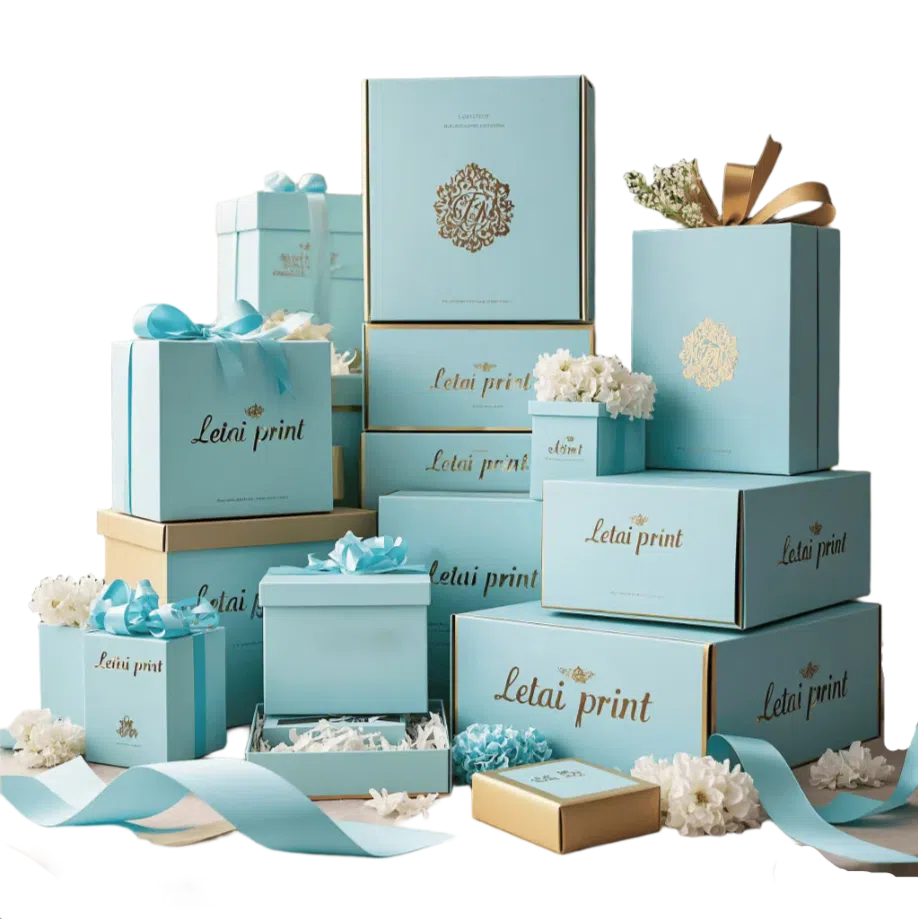
Flexo printing and offset printing are two widely used methods in the printing industry, each offering distinct advantages depending on the project requirements. While flexo printing is known for its versatility and use in various packaging materials, offset printing provides superior image quality, making it the preferred choice for high-resolution prints.
Understanding the differences between these two techniques is crucial for selecting the right one for your business needs. Both methods have their own strengths and are suitable for different types of projects, such as packaging, labels, or brochures. This blog will compare flexo and offset printing to help you make an informed decision.
What is Flexo Printing?
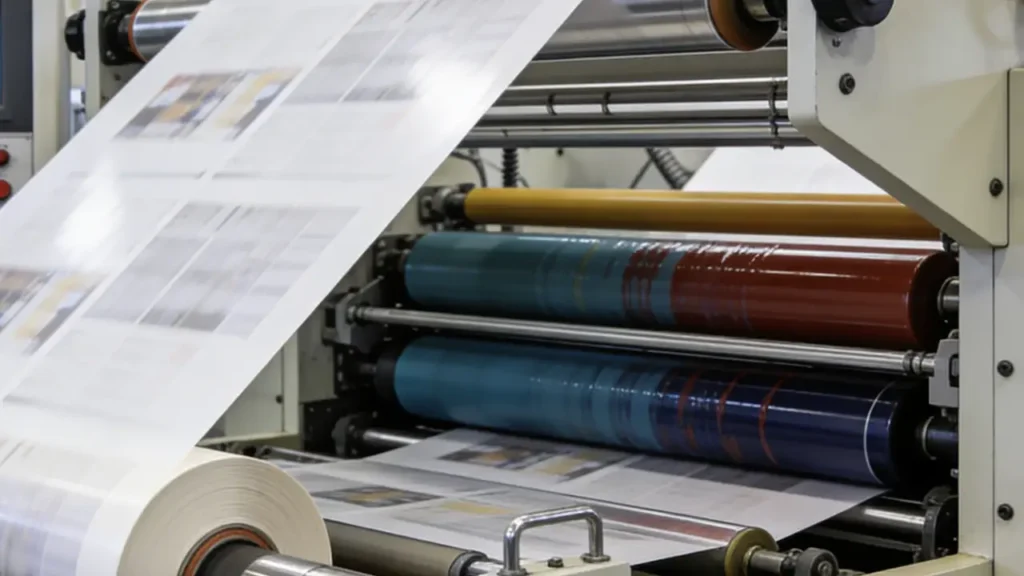
Flexo printing, short for flexographic printing, is a modern version of letterpress printing that uses flexible relief plates to transfer ink onto various substrates. It is highly versatile, capable of printing on a range of materials, including paper, plastic, and foil, making it ideal for packaging and labeling applications.
Benefits of Flexo Printing:
- Versatility in Materials: Flexo printing can be used on a variety of materials, such as plastic, paper, and film, offering flexibility for different industries. This makes it an excellent choice for packaging, labels, and even food-grade products. The ability to print on various materials ensures that flexo printing can cater to diverse needs, from flexible packaging to corrugated boxes.
- Cost-Effective for Large Runs: Flexo printing is cost-efficient for high-volume runs, with the ability to print large quantities quickly. This makes it an attractive option for businesses looking to scale up production while maintaining affordable costs. Once the plates are created, the printing process is fast and efficient, lowering the cost per unit, making it ideal for mass production.
- High Speed and Efficiency: Flexo printing operates at high speeds, making it ideal for large-scale production. The quick setup and run times allow manufacturers to meet tight deadlines and produce large quantities in a short amount of time. This speed helps industries meet demand and reduce production delays, allowing for rapid fulfillment.
- Environmental Benefits: Flexo printing often uses water-based or eco-friendly inks, making it a more sustainable option compared to other printing methods. This reduces the environmental impact of the printing process. The use of environmentally friendly inks helps businesses meet sustainability goals while still producing high-quality prints, contributing to a greener future.
- Consistency and Quality: Flexo printing delivers high-quality prints with sharp, clean results, especially for repetitive designs and patterns. It’s capable of maintaining consistent color accuracy across large print runs. The reliability and consistent quality of flexo printing make it ideal for printing logos, barcodes, and product packaging, ensuring uniformity in colors and clarity in branding materials.
What is Offset Printing?
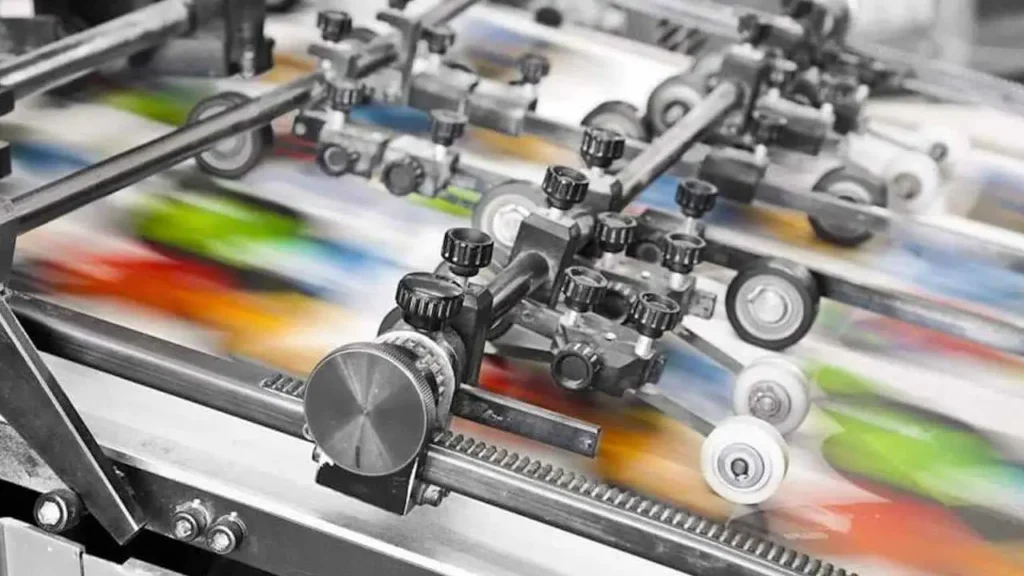
Offset printing is a widely used printing technique that transfers ink from a plate to a rubber blanket, which then applies it to the printing surface, typically paper. This method is known for its high-quality image reproduction and precision, making it ideal for mass production of printed materials like books, magazines, and brochures.
In offset printing, the image or text to be printed is first transferred onto a metal plate. The plate is then coated with ink, and the ink is transferred to a rubber blanket, which in turn applies it to the final printing surface. The result is a crisp, clear print with fine details.
Benefits of Offset Printing:
- High-Quality Prints: Offset printing offers exceptional image quality and precision, especially for projects requiring fine details and sharp text. It’s the preferred choice for high-end print jobs like brochures, business cards, and magazines.
- Consistent Results: Offset printing delivers consistent, uniform color quality throughout a print run, making it ideal for large-scale projects where quality consistency is crucial.
- Cost-Effective for Large Runs: Although the initial setup costs are higher, offset printing becomes more cost-effective with larger print runs, making it a popular choice for bulk printing needs.
- Versatility: It can be used on a variety of materials, including paper, cardboard, and plastic, offering flexibility for different types of printing projects.
- Long-Lasting Plates: The printing plates used in offset printing can last for hundreds of thousands or even over a million impressions, making it highly suitable for large-volume projects with the same design.
Flexo Printing vs Offset
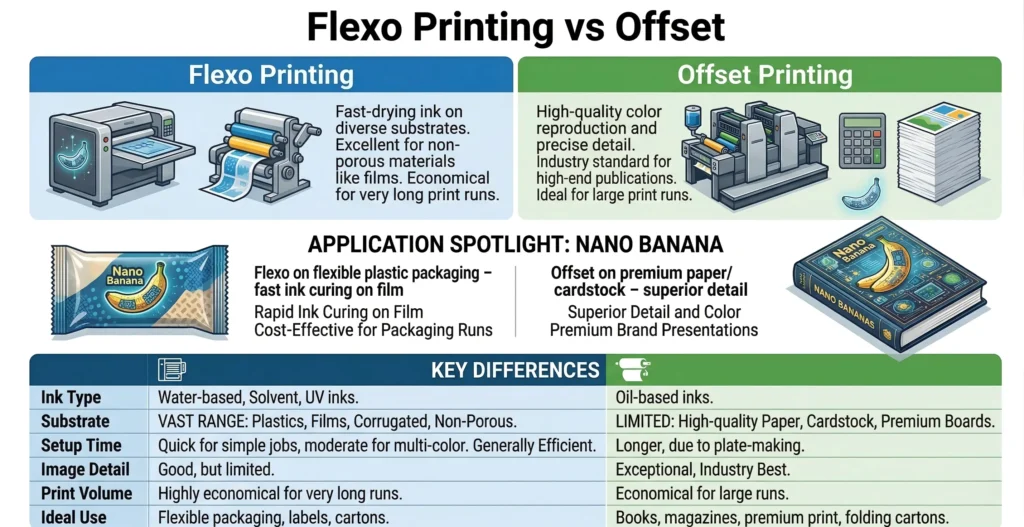
Flexo printing and offset printing are two of the most commonly used printing methods in the industry, each offering unique advantages depending on the project requirements. While flexo printing is known for its versatility in materials and high-speed production, offset printing excels in delivering high-quality, detailed prints with precision. Understanding the differences between these two techniques can help you make the best choice for your business.
Materials
- Flexo Printing: Works on a wide range of materials such as plastic, paper, film, and metal, making it ideal for packaging, labels, and products that require printing on non-flat surfaces. The ability to print on flexible substrates like films or corrugated boxes makes it a go-to option for the packaging industry.
- Offset Printing: Best suited for flat materials like paper, but can also print on other substrates like cardboard. Its versatility is more limited compared to flexo printing, and it’s primarily used for high-quality printing on paper-based products such as books, magazines, and brochures.
Print Quality
- Flexo Printing: Provides good quality, but is best suited for large, simple designs and repetitive patterns. While it can print fine details, it may not achieve the same level of precision and image clarity as offset printing. Flexo excels in vibrant, bold prints but may fall short with intricate designs.
- Offset Printing: Offers superior print quality, especially for intricate designs, detailed text, and high-resolution images. It delivers fine lines, sharp text, and rich color reproduction, making it ideal for projects that require fine details and high-quality image accuracy. Offset printing guarantees exceptional clarity and precision.
Speed and Efficiency
- Flexo Printing: Known for its speed, especially for large print runs. Once setup is complete, flexo printing operates at high speeds, making it ideal for mass production, especially in packaging. Its high efficiency helps meet tight deadlines and large production volumes with minimal delays.
- Offset Printing: Slower than flexo printing, particularly for large volumes due to longer setup times involving custom plates. While offset printing can produce high-quality results, it may not be as efficient for small to medium runs. However, it is highly efficient once set up for large, consistent batches of the same design.
Cost-Effectiveness
- Flexo Printing: More cost-effective for large runs, especially in packaging and labeling. The initial setup costs are generally higher, but the per-unit cost decreases as the volume increases, making it a more affordable option for mass production. It’s particularly advantageous when printing large quantities of simple designs.
- Offset Printing: Higher initial setup costs due to the need for custom plates for each print job. However, it becomes cost-effective for larger runs with complex designs. Its per-unit cost can be more expensive for small runs, but it’s ideal for large quantities where high-quality prints are required.
Environmental Impact
- Flexo Printing: Generally considered more environmentally friendly as it uses water-based or eco-friendly inks, resulting in less pollution. The process produces less waste compared to other printing methods and is more sustainable, making it a great choice for businesses seeking eco-friendly options.
- Offset Printing: Can have a higher environmental impact due to the use of chemical-based inks, although many printers now offer vegetable-based or eco-friendly inks. Offset printing also tends to use more water, contributing to its environmental footprint, but newer technologies have improved its sustainability.
Here are some differences between flexo printing and offset printing:
| Aspect | Flexo Printing | Offset Printing |
|---|---|---|
| Materials | Works on a wide range of materials (plastic, paper, film) | Best for flat materials (mainly paper) |
| Print Quality | Good for large, simple designs, not ideal for fine details | Exceptional for intricate designs, high resolution |
| Speed and Efficiency | Fast for large runs, ideal for bulk production | Slower setup, more suited for large, detailed runs |
| Cost-Effectiveness | More cost-effective for large volumes | Higher setup costs but great for large runs |
| Environmental Impact | More eco-friendly with water-based inks | Can use chemical inks, higher environmental impact |
How to Choose Flexo Printing and Offset Printing?
How to Choose Flexo Printing and Offset Printing?
Choosing between flexo printing and offset printing depends on your project’s specific needs, such as order volume, design complexity, material type, and turnaround time. Understanding the strengths of each method can help you decide which technique will best meet your requirements for quality, cost, and efficiency.
Factors to Consider When Choosing Flexo Printing:
- Order Volume: Flexo printing is ideal for large-scale production runs, especially when you need to print high volumes quickly and cost-effectively. It helps reduce per-unit costs as the quantity increases. Flexo printing is more economical for high-volume jobs, making it a popular choice for industries like packaging, where mass production is common.
- Material Flexibility: If your project requires printing on a variety of materials, such as plastic, film, or corrugated cardboard, flexo printing is a versatile choice. Flexo printing excels with flexible substrates, making it suitable for a wide range of packaging materials, including food and beverage packaging, which requires durable prints that withstand various environments.
- Design Simplicity: Flexo printing is great for designs with fewer colors or simpler artwork. It may not offer the same level of detail as offset, so it works best for large, bold designs. For simple logos, text, or block colors, flexo printing provides a fast and effective solution. It’s highly efficient for jobs that don’t require intricate details.
Factors to Consider When Choosing Offset Printing:
- Print Quality: Offset printing is the go-to choice when your project requires high-quality, detailed prints, especially for intricate designs or photographs. It provides sharp text and vibrant colors. Offset printing produces superior quality prints, making it perfect for marketing materials, brochures, business cards, and other projects that demand fine details and color accuracy.
- Short Runs and Customization: While offset printing requires a higher setup cost, it can be cost-effective for medium to large runs with complex designs. It’s perfect for projects with detailed artwork or varying designs. For projects requiring fine details and accurate color reproduction, offset printing ensures consistency across every print, ideal for premium branding materials or photo books.
- Material Compatibility: Offset printing is typically suited for flat, paper-based materials, and its versatility is limited compared to flexo printing. While offset printing works well for paper, it’s less ideal for materials like plastic or film. If your project is mainly focused on paper-based products like catalogs or magazines, offset printing delivers superior results.
Conclusion
When choosing between flexo printing and offset printing, it’s important to consider factors like print quality, material compatibility, and order volume. Flexo printing shines in high-volume production, especially for packaging and labels, while offset printing is preferred for projects requiring fine detail and color accuracy. Your specific project needs will determine which method is ideal.
Flexo printing is versatile, capable of printing on a wide range of materials, including plastic, paper, and film. It is more cost-effective for larger runs, offering efficiency for large-scale production. On the other hand, offset printing delivers exceptional quality for detailed images and is often the go-to choice for business cards, brochures, and high-end marketing materials.
For businesses seeking reliable, high-quality printing solutions for packaging, Letai Packaging offers wholesale custom packaging services tailored to your needs. Whether you require flexo or offset printing, our team provides cost-effective and efficient solutions to bring your packaging designs to life. Reach out today for professional packaging solutions!

I have honed my expertise in creating high-quality packaging solutions, bringing both innovation and efficiency to the field. I am passionate about delivering exceptional results and contributing to sustainable packaging practices.
- What is a CBD Box? The Ultimate Guide - June 9, 2026
- Bangle Box Ideas: Inspiring Designs for a Clutter-Free Space - June 8, 2026
- What is a Bangle Box? The Ultimate Guide - June 8, 2026
 English
  Español
  Deutsch
  Français
  Italiano
  日本語
日本語  한국어
한국어  Русский
  Português do Brasil
  العربية