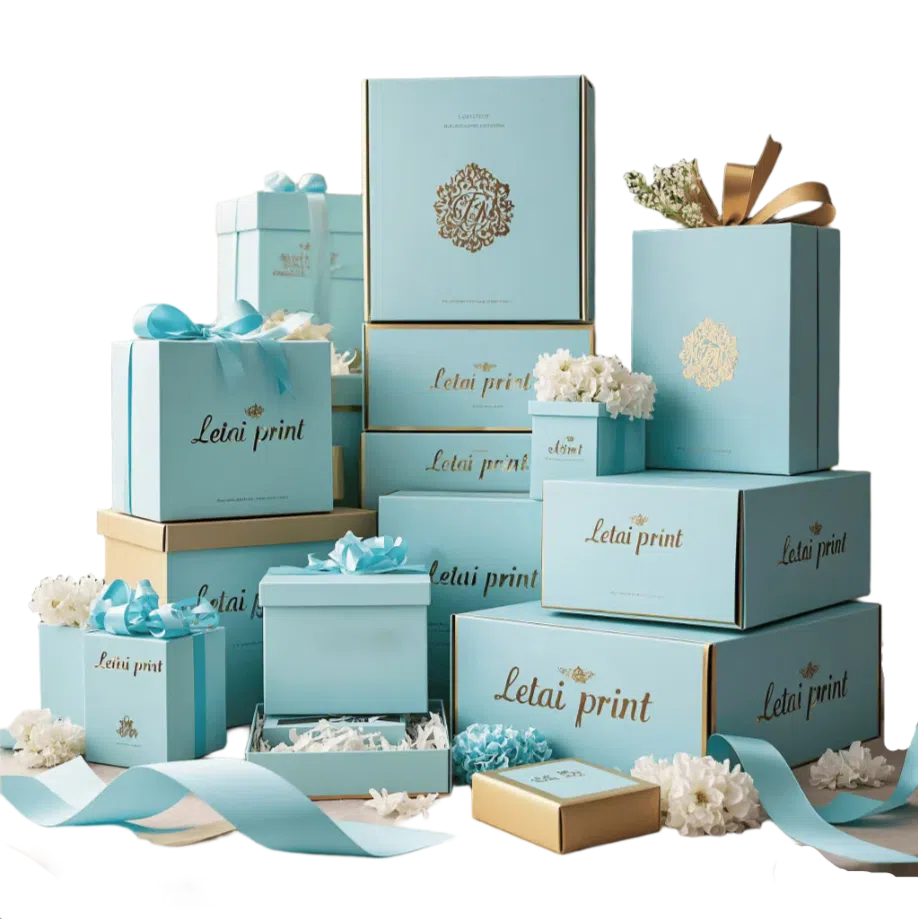
Hot foil stamping is a specialized printing technique that creates a luxurious, metallic finish on various materials. It’s often used for packaging, labels, and stationery to enhance visual appeal. By applying heat and pressure, a metallic or colored foil is transferred to the surface, offering a unique shine and texture.
This method allows for precise, detailed designs that would be difficult to achieve with other printing techniques. Popular in premium product packaging, hot foil stamping adds a touch of sophistication and elegance. It’s commonly used for logos, text, and intricate designs, making your brand stand out in a competitive market.
What is Hot Foil Stamping?
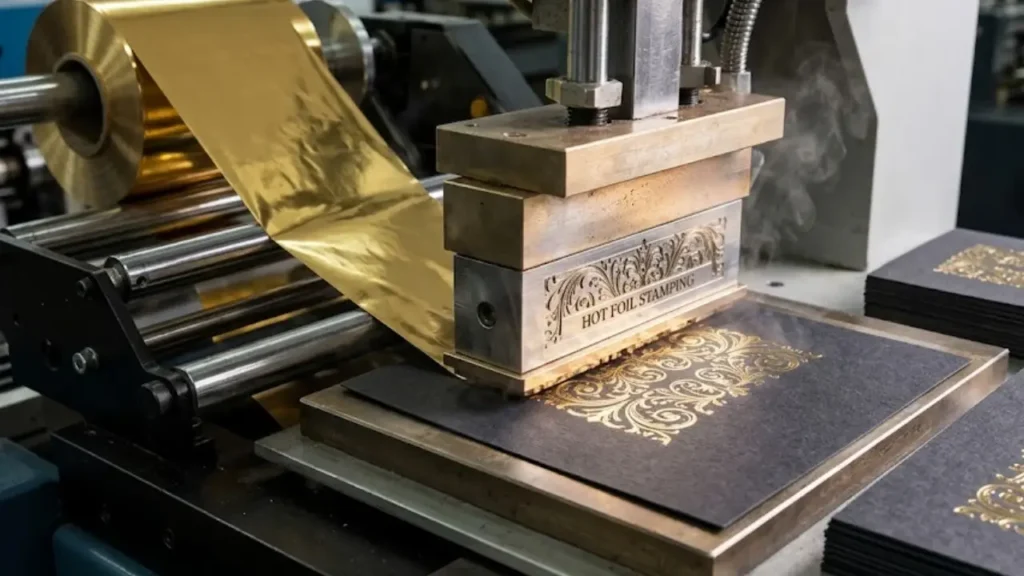
Hot foil stamping is a printing technique that uses heat and pressure to apply metallic or pigmented foil to a surface.
The hot foil stamping process creates a shiny, reflective finish, often used for premium packaging, labels, and stationery. It adds visual appeal and texture, making logos, text, and designs stand out with a sophisticated, high-quality look.
How Does Hot Foil Stamping Work?
Hot foil stamping is a precise and efficient method of applying metallic or colored foil onto a surface using heat and pressure. It is commonly used to enhance packaging, stationery, and labels.
Here’s how hot foil stamping works:
- Preparation: A custom die is created with the design or logo, and the foil is selected based on the desired effect. The die is heated and pressed onto the surface, while the foil is placed between the die and material, allowing for a precise imprint.
- Heat and Pressure: The heated die transfers the foil onto the material’s surface, activating the adhesive on the foil. Pressure ensures a clean, sharp transfer of the design, resulting in a polished, metallic finish that enhances visual appeal.
- Finishing: After stamping, excess foil is removed. Any unused foil is cleaned away, leaving behind only the stamped design. The material is then cooled, and the final product is ready for use, showcasing a durable, eye-catching effect.
Hot Foil Stamping vs Cold Foil
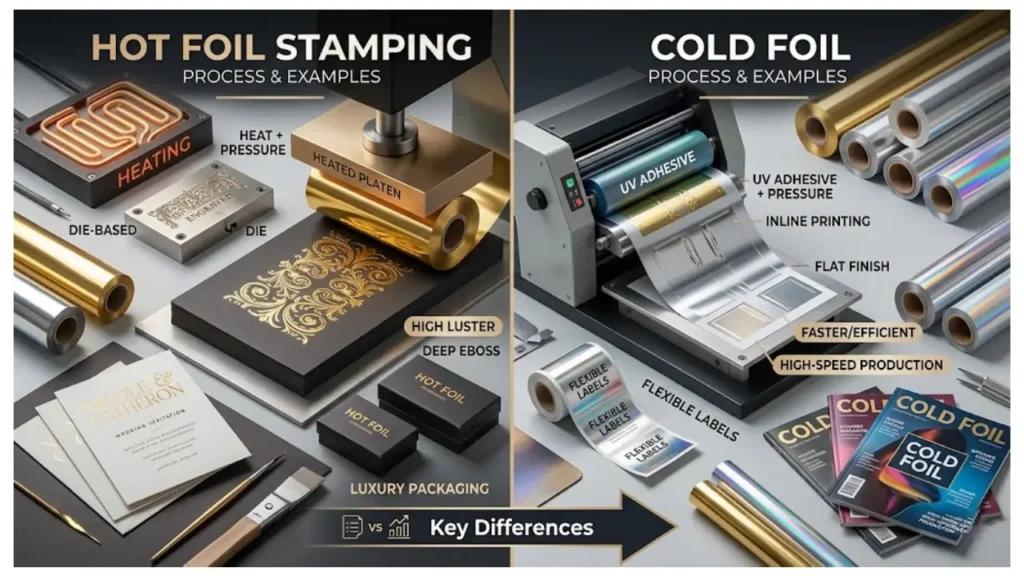
Hot foil stamping and cold foil printing are both methods used to apply metallic or colored foils to a surface, enhancing the visual appeal of packaging, labels, and promotional materials. While they achieve similar results in terms of metallic finishes, the processes, costs, and suitable applications differ.
Understanding the distinctions between these two methods can help you choose the best option for your needs.
Hot Foil Stamping
Hot foil stamping uses heat and pressure to transfer foil onto a surface, creating a metallic, shiny finish with a raised effect. It is perfect for luxury packaging, high-end designs, and premium product labels. The method is precise and adds a tactile, sophisticated touch to the printed material.
Key Aspects of Hot Foil Stamping:
- Requires a heated die to transfer foil: The process involves a custom die that’s heated and pressed onto the material with foil placed in between. The heat activates the foil’s adhesive, allowing it to adhere to the surface in the shape of the die. The result is a sharp, defined design or text.
- Provides a raised, embossed finish: Hot foil stamping often produces a textured, embossed effect, where the foil is raised from the surface. This gives it a 3D effect that adds depth and enhances the tactile appeal of the printed material. It’s ideal for luxury brands wanting to create an upscale, premium product appearance.
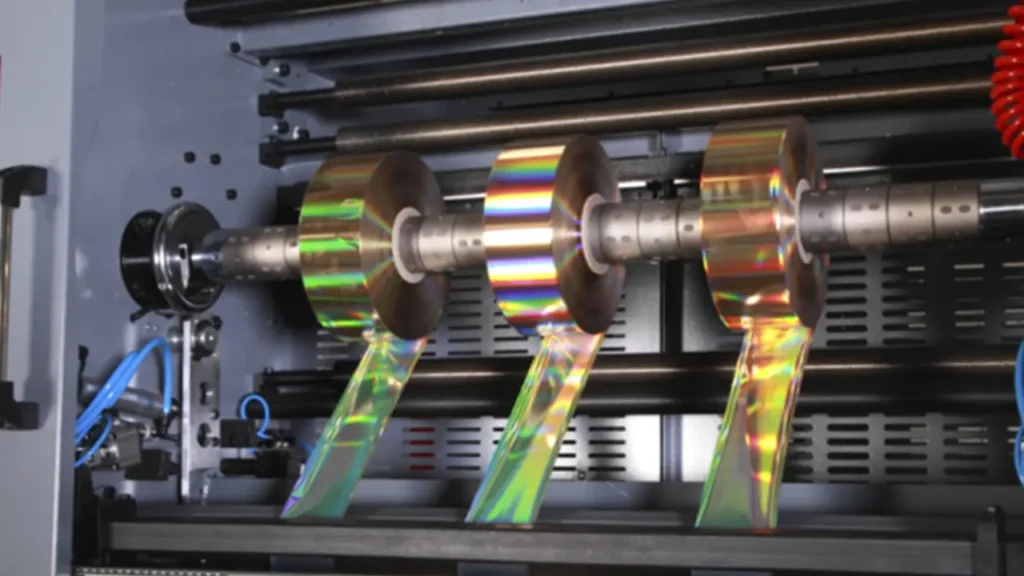
- Often used for metallic or holographic effects: The process is widely used for metallic foils, such as gold, silver, and holographic foils. These materials make designs stand out with a shiny, attention-grabbing effect, adding an element of sophistication. Hot foil is commonly seen in luxury packaging for cosmetics, liquor, and high-end fashion items.
- Ideal for small to medium production runs: Due to the setup costs involved in creating custom dies, hot foil stamping is typically used for smaller production runs, especially for custom or limited-edition items. It’s perfect for creating unique packaging, invitations, and special promotions without the need for large-scale mass production.
- Works best with paper and thick substrates: Hot foil stamping requires materials that can withstand high temperatures and pressure. Premium papers, thick cardstock, and coated substrates are commonly used to ensure the foil adheres properly and the finish appears smooth and even. Thin, low-quality papers may not produce optimal results.
Cold Foil Stamping
Cold foil printing uses adhesive to transfer foil onto a surface without heat, making it faster and more versatile for large-scale production. It is commonly used for packaging and labels, particularly where cost-effectiveness is important. This method is popular for larger print runs and provides a flatter finish than hot foil.
Key Aspects of Cold Foil:
- No heat is required, using only adhesive: Cold foil works by applying a special adhesive to the substrate in the desired design areas. The foil is then pressed onto the adhesive, which bonds the foil to the material at room temperature. This eliminates the need for the heat required in hot foil stamping, offering a quicker, more economical solution.
- Results in a flat finish, without embossing: Unlike hot foil stamping, cold foil creates a flat, smooth finish without a raised texture. While it still achieves the metallic shine of foil, it doesn’t provide the same tactile, embossed effect. Cold foil is better suited for designs where a subtle metallic effect is desired without the added dimension.
- More cost-effective for high-volume production: Because cold foil printing does not require a heated die, it is much faster and less expensive to set up, making it ideal for large-scale print runs. This cost-effectiveness makes it a popular choice for mass-market products, such as labels, food packaging, and promotional materials, where volume is key.
- Can be applied to a wider range of materials: Cold foil printing can be applied to a variety of materials beyond just paper and cardstock. It works well on plastic, film, and other flexible substrates, making it versatile for different packaging needs. This flexibility allows for the use of cold foil in various industries like food, cosmetics, and retail.
- Typically used for less intricate, larger designs: Cold foil printing is best for larger, less detailed designs, as it doesn’t provide the fine detail that hot foil can. It’s great for basic logos, lettering, or simple patterns that don’t require precise, intricate imprints. The process is more suited to designs with broad, uniform areas of foil coverage.
| Aspect | Hot Foil Stamping | Cold Foil |
|---|---|---|
| Heat Requirement | Requires heat and pressure | No heat needed |
| Finish | Embossed, raised, and shiny | Flat, glossy, and smooth |
| Production Volume | Best for small to medium runs | Ideal for high-volume runs |
| Design Complexity | Suitable for intricate designs | Suitable for less detailed designs |
| Material Compatibility | Works best with premium materials | Can be applied to a variety of materials |
Types of Hot Stamping Foil
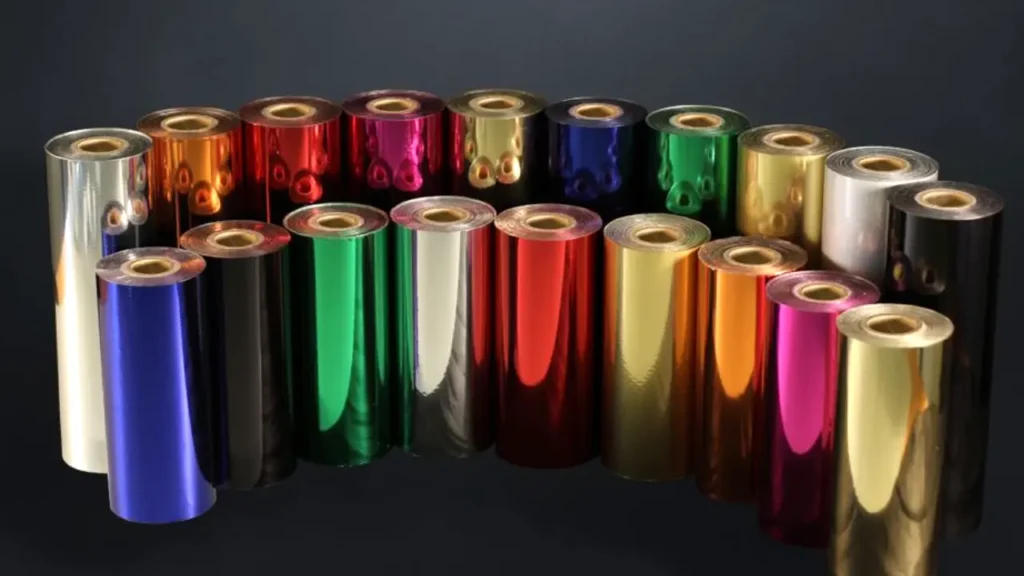
Hot stamping foil is available in various types, each offering unique finishes and effects. These foils are often used for packaging, labels, and special designs to add a premium touch. Depending on the desired look, different foils can be selected based on color, texture, and application needs.
- Metallic Foil: Metallic foils, such as gold, silver, and copper, create a shiny, reflective finish. These foils are perfect for luxury packaging, logos, and text, making designs stand out with an elegant, attention-grabbing effect. The foils can be used on a variety of materials, adding a sophisticated, high-end touch.
- Holographic Foil: Holographic foils provide a unique, multi-dimensional effect that shifts color when viewed from different angles. This type of foil is commonly used for security features, limited edition packaging, and designs that need to stand out. Its eye-catching properties make it an ideal choice for special promotions and brand differentiation.
- Matte Foil: Matte foils offer a non-reflective finish that gives a more subtle, elegant appearance compared to metallic foils. Ideal for designs that require a refined look, matte foils are often used in premium packaging and high-end product labels. They create a smooth, sophisticated effect without the shine of metallic foils.
- Gloss Foil: Gloss foils provide a shiny, smooth surface that enhances the visual appeal of text or logos without the intense shine of metallic foils. This type is great for achieving a polished, high-quality finish while still maintaining a subtle look. Gloss foils are often used in a wide range of applications, from packaging to stationery.
- Pigmented Foil: Pigmented foils are available in various colors, providing a vibrant finish without the metallic shine. These foils are ideal for designs that require bright, bold colors, offering excellent coverage and consistency. Pigmented foils can be used for promotional materials, branding, and other custom designs that need vibrant color effects.
Hot Foil Stamping Temperature
Hot foil stamping requires precise temperature control to ensure a high-quality finish. The correct temperature ensures that the foil adheres properly to the substrate, creating sharp, clean designs. Too high or low a temperature can result in poor adhesion or a suboptimal finish.
- Standard Temperature Range: Typically, the temperature for hot foil stamping ranges from 100°C to 150°C (212°F to 302°F). This range is ideal for most foils and substrates, ensuring proper foil transfer without damaging the material. The exact temperature within this range depends on the foil type and the material being stamped.
- Temperature for Metallic Foils: Metallic foils, such as gold or silver, generally require higher temperatures to ensure optimal adhesion. These foils need more heat to activate the adhesive effectively, which helps in achieving the shiny, reflective finish. A temperature range of 120°C to 160°C (248°F to 320°F) is typically recommended for metallic foils.
- Temperature for Holographic Foils: Holographic foils, which have complex designs, often need slightly lower temperatures than metallic foils to maintain their unique appearance. Overheating can cause the intricate holographic patterns to distort. A typical stamping temperature for holographic foils falls between 100°C to 140°C (212°F to 284°F) for best results.
- Temperature for Matte and Pigmented Foils: Matte and pigmented foils require lower temperatures, typically between 100°C to 130°C (212°F to 266°F), as they don’t need the same amount of heat for foil transfer. Using the correct temperature ensures the foil applies smoothly without damaging the non-reflective finish.
- Effect of Temperature on Adhesion: If the stamping temperature is too low, the foil may not bond properly to the substrate, resulting in weak adhesion or incomplete transfer. On the other hand, excessively high temperatures can cause the foil to overheat and burn, leading to a damaged or uneven finish. Proper temperature control is key to a flawless result.
How to Use Hot Foil Stamping?
Hot foil stamping is a straightforward but precise process that involves applying heat and pressure to transfer foil onto a material. By following the right steps, you can achieve eye-catching results.
Here’s a step-by-step guide on how to use hot foil stamping effectively.
- Prepare the Design and Die: Start by creating a design that will be transferred onto the material. A custom die is then made based on the design, which will be used to stamp the foil. The die must be precisely aligned to ensure accurate imprinting and clean transfers.
- Choose the Right Foil: Select the type of foil based on your desired finish. Options include metallic, matte, holographic, or pigmented foils. Each foil type requires specific conditions for optimal results, so choose the one that best matches the design and material you’re working with.
- Set Up the Machine: Load the die and foil into the hot foil stamping machine. Ensure the material is properly aligned and the temperature is set according to the foil type. The correct temperature, pressure, and time settings are crucial for a successful transfer without damaging the material.
- Apply Heat and Pressure: The machine will apply heat and pressure to transfer the foil onto the material. The heat activates the adhesive on the foil, while the pressure ensures the foil bonds evenly. Hold for the recommended duration to achieve the desired effect without overheating the foil.
- Inspect the Result: After the stamping process is complete, carefully inspect the result for quality. Ensure the foil adheres properly and the design is sharp. If any areas are incomplete, adjust the machine settings, die, or foil placement for the next run.
Conclusion
Hot foil stamping offers a unique and premium look to your packaging, boosting its market appeal. The method not only enhances the aesthetic but also adds a layer of texture and shine that makes your products memorable. Whether you’re in luxury goods, cosmetics, or food packaging, this technique will elevate your brand’s presence.
When selecting packaging for your brand, consider incorporating hot foil stamping into your designs for a refined, high-end feel. This printing process is not only visually striking but also long-lasting, ensuring your packaging maintains its professional appearance over time. Its versatility allows it to be used across various materials and products.
For your wholesale custom packaging needs, Letai Packaging offers top-tier options. We specialize in delivering high-quality, customized packaging solutions that align with your brand’s identity and market position. Get in touch with us today to create stunning packaging that leaves a lasting impression on your customers.

I have honed my expertise in creating high-quality packaging solutions, bringing both innovation and efficiency to the field. I am passionate about delivering exceptional results and contributing to sustainable packaging practices.
- What is a CBD Box? The Ultimate Guide - June 9, 2026
- Bangle Box Ideas: Inspiring Designs for a Clutter-Free Space - June 8, 2026
- What is a Bangle Box? The Ultimate Guide - June 8, 2026
 English
  Español
  Deutsch
  Français
  Italiano
  日本語
日本語  한국어
한국어  Русский
  Português do Brasil
  العربية