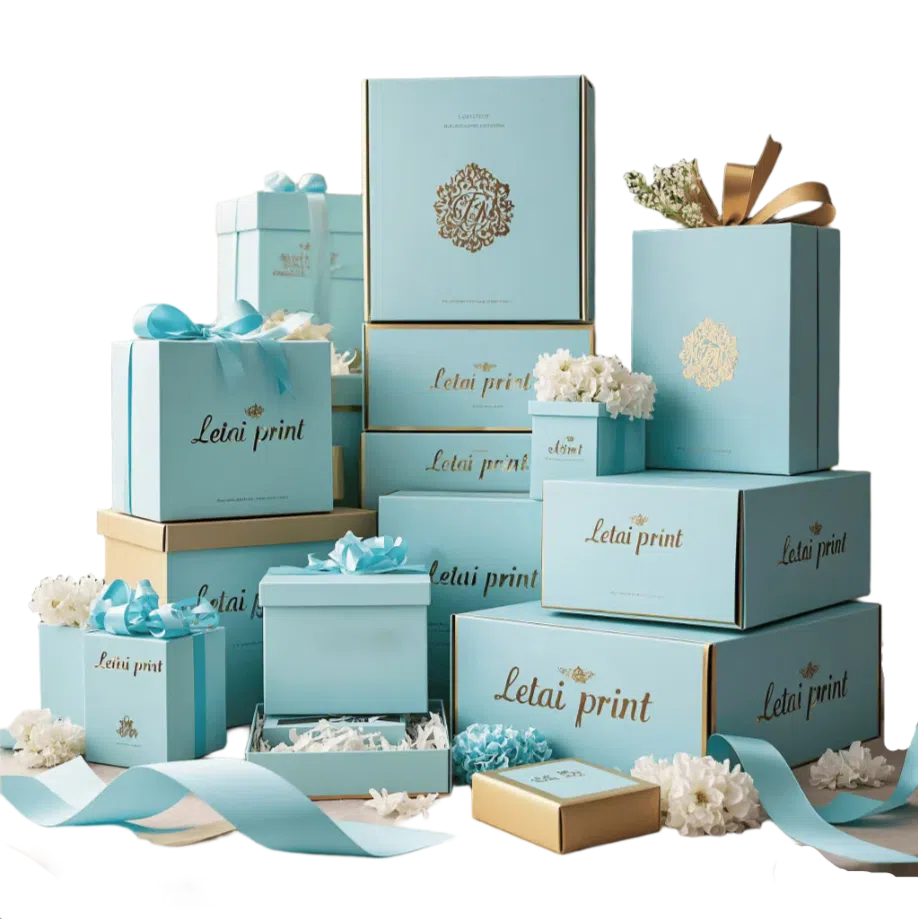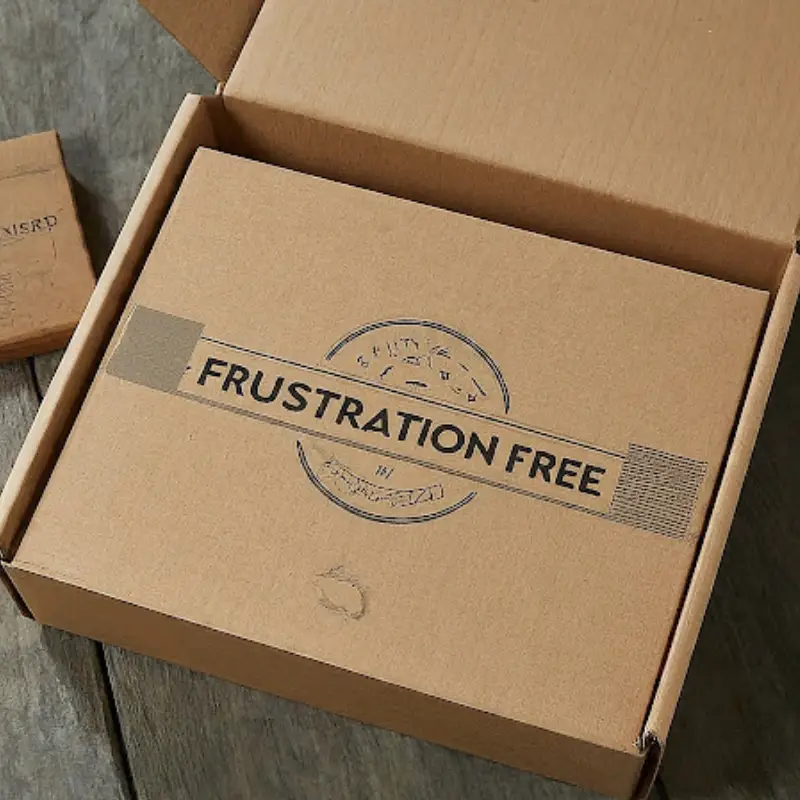
Frustration free packaging is designed to eliminate the common pain points customers face when opening products. It focuses on easy-to-open designs, minimal materials, and reduced waste. As e-commerce continues to grow, brands are rethinking packaging strategies to improve customer satisfaction while also supporting sustainability goals and reducing unnecessary packaging complexity.
In this ultimate guide, we explore what frustration free packaging really means, its key features, and why it matters for modern businesses. From improving unboxing experiences to lowering environmental impact, this approach is transforming packaging standards. Whether you are a brand owner or supplier, understanding this concept helps you stay competitive.
What is Frustration Free Packaging?
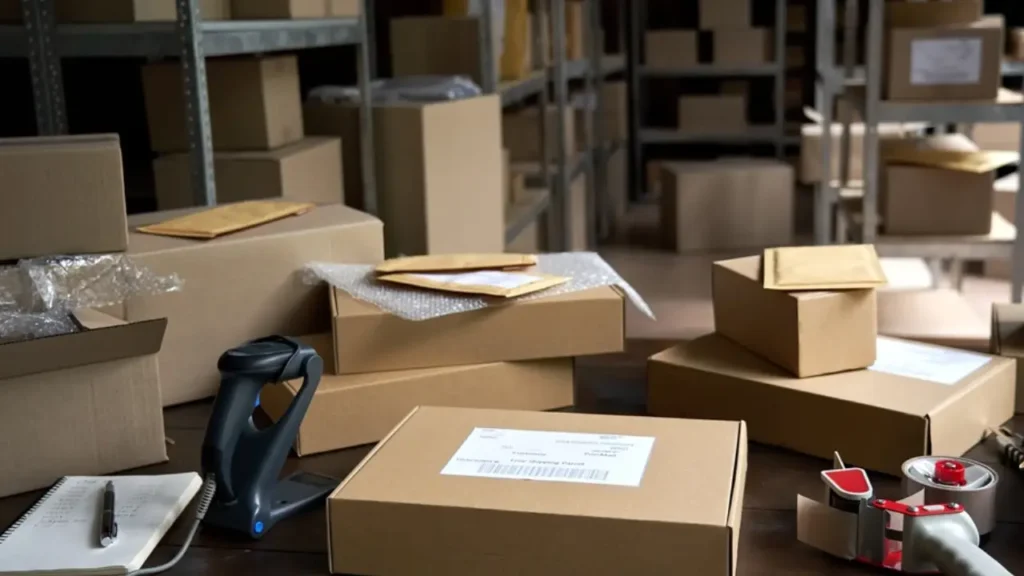
Frustration free packaging is a type of product packaging designed to be easy to open, simple in structure, and environmentally friendly.
It eliminates hard plastic clamshells, excessive ties, and unnecessary layers, using recyclable materials instead. This approach improves the customer unboxing experience, reduces waste, and helps businesses lower packaging costs while supporting sustainability goals.
Frustration Free Packaging Benefits
Frustration free packaging offers a range of benefits for both businesses and consumers. By focusing on ease of use, sustainability, and efficiency, it improves customer satisfaction and reduces environmental impact. Brands adopting this approach can enjoy cost savings, enhanced loyalty, and a stronger reputation in a competitive market.
- Enhanced Customer Satisfaction – Customers enjoy hassle-free unboxing with frustration free packaging. Easy-to-open designs eliminate hard clamshells or excess tape, building trust, encouraging repeat purchases, and strengthening brand loyalty by showing that the company cares about the customer experience.
- Reduced Environmental Impact – By using minimal, recyclable materials, frustration free packaging lowers waste. Brands can reduce plastic usage and choose biodegradable or paper-based alternatives, supporting eco-friendly initiatives, aligning with consumer values, and meeting environmental regulations and corporate responsibility goals.
- Cost Savings – Frustration free packaging reduces material and shipping costs due to lighter, simpler designs. Less packaging lowers storage and transportation expenses and decreases resources spent on disposal or recycling, allowing companies to reinvest savings into product development or marketing initiatives.
- Improved Brand Image – Adopting sustainable, user-friendly packaging communicates responsibility and modernity. Customers perceive brands using frustration-free packaging as thoughtful and innovative, enhancing brand image, differentiating products in competitive markets, and driving higher sales and stronger customer engagement.
- Operational Efficiency – Simpler packaging designs streamline packing processes and reduce handling time in warehouses. This lowers labor costs, minimizes fulfillment errors, and reduces product damage during shipping, resulting in fewer returns, less waste, and smoother operations across the supply chain.
Frustration-Free Packaging Requirements
Frustration-free packaging requires careful planning to ensure convenience, sustainability, and protection. Retailers must meet specific criteria, including recyclability, ease of use, and consumer-focused design. Packaging should be ready to ship without additional materials, reducing waste and enhancing the unboxing experience while maintaining product safety and customer satisfaction.
- Recyclable – Packaging must use 100% recyclable materials and remain recyclable after opening. This reduces environmental impact and aligns with sustainability goals. Brands benefit by meeting consumer expectations for eco-friendly packaging while minimizing waste throughout the supply chain.
- Ready to Ship – Packages should be prepared for direct shipment without extra protective materials. This simplifies fulfillment, reduces handling, and lowers shipping costs. Customers receive products efficiently, and retailers save resources, while optional additional packaging can still be provided if requested.
- Easy to Open – Frustration-free packaging avoids unnecessary layers, tapes, or inserts. Packages should not require tools to open, ensuring convenience for customers. Easy access reduces frustration, improves satisfaction, and encourages repeat purchases by enhancing the overall unboxing experience.
- Designed for Consumers – The packaging should be appealing, practical, and protective, meeting customer expectations. By focusing on what consumers want, products arrive safely while remaining easy to access. Thoughtful design strengthens brand perception and encourages positive reviews and customer loyalty.
Frustration Free Packaging Applications
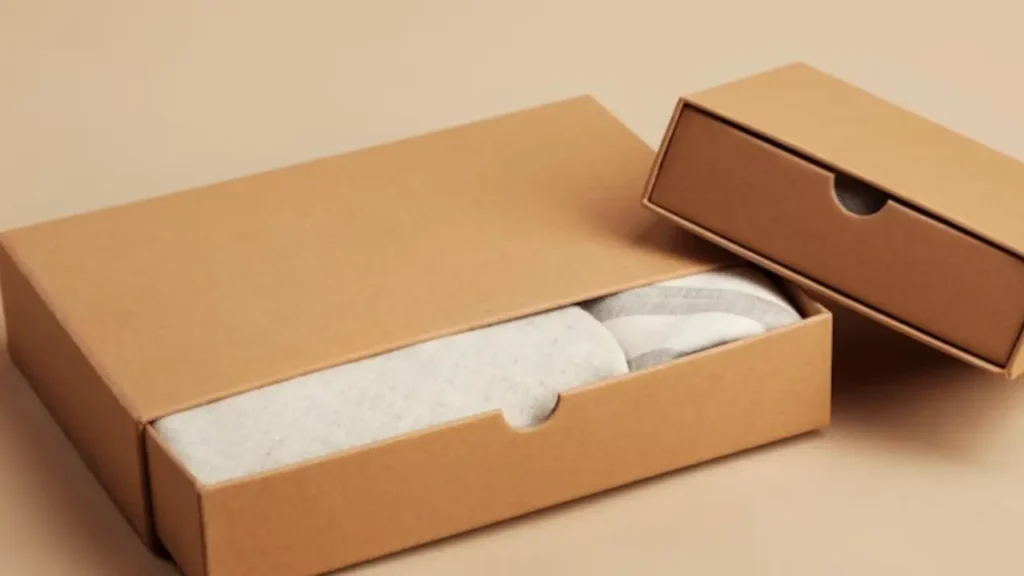
Frustration free packaging is widely used across industries to improve product accessibility, reduce waste, and enhance customer satisfaction. Its versatile design makes it ideal for e-commerce, retail, and consumer goods. By simplifying unboxing and using eco-friendly materials, businesses can create a more positive experience while supporting sustainability and operational efficiency.
- E-commerce Products – Frustration free packaging is perfect for online retail, where easy-to-open, durable packages reduce shipping damage and improve customer experience. Lightweight designs lower shipping costs, and recyclable materials meet consumer expectations for sustainable delivery, creating a more convenient and eco-conscious shopping journey.
- Consumer Electronics – Electronics benefit from frustration free packaging by protecting delicate items while remaining simple to open. Reduced layers and clear organization help customers access devices quickly, minimizing frustration. Sustainable materials also highlight brand responsibility, enhancing customer perception and satisfaction in a tech-driven market.
- Household Goods – Products like kitchenware, cleaning supplies, and personal care items use frustration free packaging to combine protection with ease of use. Clear labeling, minimal materials, and simplified unboxing ensure customers can access products efficiently while reducing waste and promoting environmental responsibility.
- Toys and Games – Frustration free packaging for toys allows children and parents to open items safely without excessive cutting or frustration. Durable, simple designs protect products, while recyclable materials demonstrate eco-conscious practices, improving overall brand trust and customer delight in family-focused markets.
- Food and Beverage – Packaged foods, snacks, and beverages use frustration free packaging to provide convenience and maintain product freshness. Easy-to-open, recyclable designs enhance consumer experience while minimizing packaging waste, making it an effective solution for sustainability-conscious brands in the competitive food industry.
Frustration Free vs Standard Packaging
Ease of Opening
Frustration free packaging is designed for quick and easy access, often requiring no tools or excessive force. It eliminates plastic clamshells and twist ties that can frustrate users. In contrast, standard packaging may involve sealed plastics, wires, or multiple layers that make opening difficult and time-consuming for customers.
Material Usage
Frustration free packaging minimizes materials, using only what is necessary to protect the product. It often replaces plastic with recyclable paper-based materials. Standard packaging typically includes extra layers, inserts, and plastic components, which increase material consumption and contribute to higher packaging waste.
Environmental Impact
Frustration free packaging focuses on sustainability by using recyclable or biodegradable materials and reducing excess waste. This helps lower the environmental footprint. Standard packaging, with its mixed materials and plastics, is often harder to recycle and contributes more significantly to landfill waste and environmental pollution.
Customer Experience
Frustration free packaging enhances the unboxing experience by being simple, clean, and easy to handle. Customers can access products quickly without frustration. Standard packaging may lead to negative experiences due to complicated opening processes, which can impact customer satisfaction and brand perception.
Cost Efficiency
Frustration free packaging can reduce shipping and production costs by using fewer materials and optimizing package size. It also lowers return rates due to better user satisfaction. Standard packaging may involve higher material and shipping costs due to bulkier designs and less efficient packaging structures.
How to Choose Suitable Frustration Free Packaging?
Choosing suitable frustration free packaging requires balancing product protection, customer experience, and sustainability. The right packaging ensures your products arrive safely, are easy to open, and reflect your brand values. Understanding material options, design features, and operational needs helps businesses select solutions that enhance satisfaction, reduce waste, and optimize cost efficiency.
- Assess Product Requirements – Consider your product’s size, weight, and fragility when selecting frustration free packaging. Properly sized, protective designs prevent damage during shipping. Materials and cushioning should match the product’s sensitivity, ensuring safety while maintaining simplicity and minimizing excess packaging for a better customer experience.
- Evaluate Material Options – Choose recyclable, biodegradable, or eco-friendly materials for packaging. Paper-based, corrugated, or molded pulp options provide protection while supporting sustainability goals. Selecting the right material helps reduce waste, aligns with consumer expectations, and reinforces your brand’s commitment to environmental responsibility.
- Focus on Ease of Use – Packaging should be simple to open without tools or excessive effort. Consider perforations, tear strips, or foldable designs to improve the unboxing experience. Easy access enhances customer satisfaction, reduces frustration, and encourages repeat purchases by demonstrating thoughtful product presentation.
- Consider Branding and Presentation – Frustration free packaging can also showcase your brand identity. Clean, minimal designs with clear labeling communicate professionalism and quality. Packaging that reflects your brand values not only improves customer perception but also strengthens brand recognition and loyalty in competitive markets.
- Optimize for Cost and Efficiency – Balance design simplicity with operational needs. Efficient packaging reduces material costs, shipping weight, and storage requirements. Streamlined processes minimize labor and handling errors while maintaining product protection. Thoughtful packaging design ultimately saves money while improving customer experience and sustainability outcomes.
Conclusion
Frustration free packaging represents a shift toward smarter, more user-friendly packaging solutions. By reducing excess materials and simplifying design, businesses can create a better experience for customers while also lowering shipping costs and minimizing environmental impact. It is a practical step toward aligning packaging with modern consumer expectations and sustainability goals.
Adopting frustration free packaging is not just about convenience, but also about brand perception. Customers appreciate packaging that is easy to open, recyclable, and efficient. Companies that embrace this approach often see improved customer satisfaction, fewer returns, and stronger brand loyalty in highly competitive markets where experience matters as much as product quality.
If you are looking to upgrade your packaging strategy, now is the perfect time to make the switch. At Letai Packaging, we provide wholesale frustration free packaging solutions tailored to your needs. Our team ensures reliable quality, customization options, and cost-effective production to help your business deliver better packaging experiences.

I have honed my expertise in creating high-quality packaging solutions, bringing both innovation and efficiency to the field. I am passionate about delivering exceptional results and contributing to sustainable packaging practices.
- What is a CBD Box? The Ultimate Guide - June 9, 2026
- Bangle Box Ideas: Inspiring Designs for a Clutter-Free Space - June 8, 2026
- What is a Bangle Box? The Ultimate Guide - June 8, 2026
 English
  Español
  Deutsch
  Français
  Italiano
  日本語
日本語  한국어
한국어  Русский
  Português do Brasil
  العربية