Shipping wine requires extra care to ensure bottles arrive undamaged. Whether you’re a wine seller or simply sending a gift, knowing how to package wine correctly is essential. Proper packaging minimizes the risk of breakage and keeps the wine in perfect condition for the recipient.
Choosing the right materials is key to safeguarding your wine. From sturdy boxes to protective fillers, each step ensures the bottles are securely cushioned. This guide will help you navigate the best practices for packaging wine efficiently, whether you’re shipping locally or internationally.
Right Wine Packaging Materials for Shipping
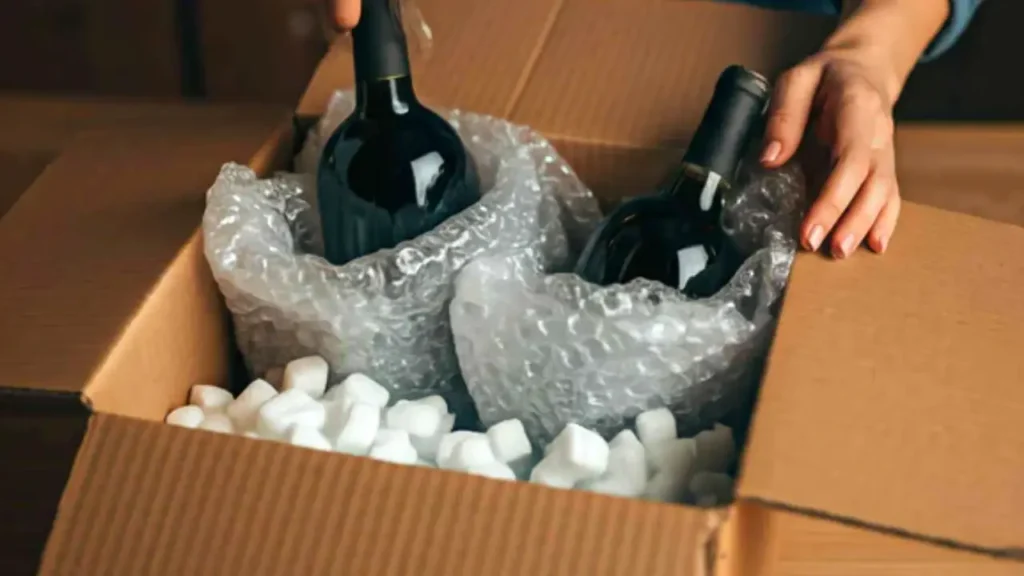
When shipping wine, selecting the proper packaging materials is crucial for ensuring safe delivery. The right materials prevent breakage, maintain the integrity of the wine, and reduce the risk of leaks or spills. Here’s a guide to the essential materials for secure wine packaging:
- Sturdy Boxes: Choose strong, double-walled cardboard boxes designed for shipping wine. These boxes provide structural support to prevent crushing and absorb impact during transit. Their durable construction helps protect bottles from both external and internal pressure, ensuring the wine stays intact during rough handling.
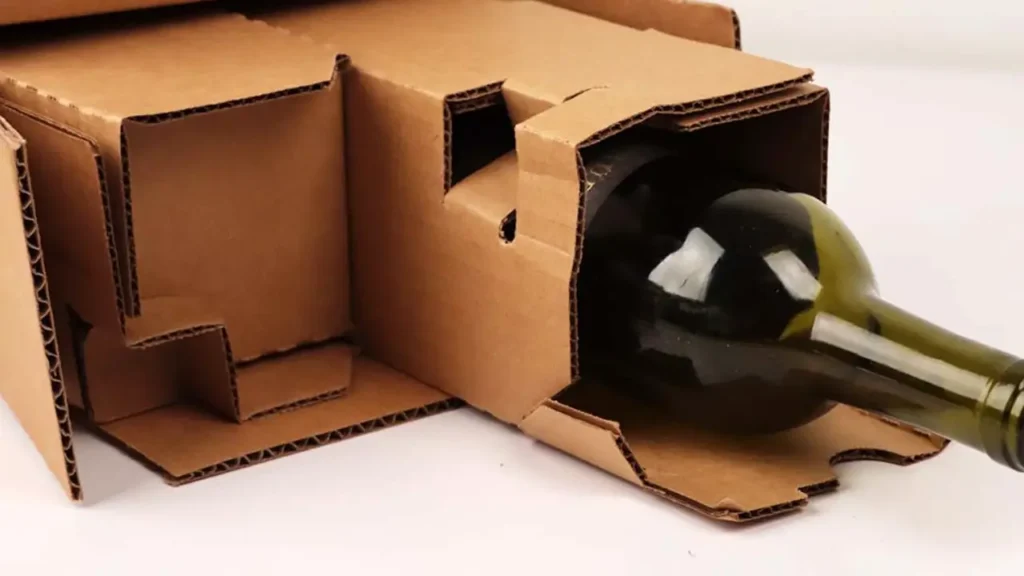
- Wine Bottle Dividers: Wine dividers, usually made of cardboard or foam, are essential for keeping bottles separated within the box. These dividers prevent bottles from knocking against each other, reducing the risk of breakage. When used correctly, they also ensure that the bottles stay upright and stable during transit.
- Bubble Wrap or Foam Inserts: Wrapping each bottle with bubble wrap or using foam inserts adds an extra layer of protection. These materials cushion the bottles, preventing them from shifting within the box. Bubble wrap is especially effective at absorbing impact and protecting fragile glass, while foam inserts provide snug fits for each bottle.
- Leak-Proof Liners or Bags: To prevent leaks, consider using leak-proof liners or bags that fit over the bottles. These protective bags ensure that if a bottle breaks, the wine remains contained and won’t spill over into the shipping box. They also help contain any residual moisture, preventing potential damage to the outer packaging.
By using the right materials, you can ensure that your wine shipments arrive safely and in perfect condition. Combining these protective elements will minimize the risk of damage and guarantee a smooth delivery process.
Wine Packaging Considerations for Shipping
When shipping wine, it’s essential to consider various factors that impact the safety of the bottles. Proper packaging not only ensures the wine arrives undamaged but also complies with regulations. Here are key considerations to keep in mind when packaging wine for shipping:
- Temperature Control: Wine is sensitive to temperature changes, which can affect its taste and quality. During transit, extreme heat or cold can cause spoilage. Using insulated packaging or temperature-controlled containers can help maintain the ideal conditions for your wine. This ensures that the wine remains fresh and retains its original flavor profile.
- Regulatory Compliance: Shipping wine involves adhering to specific laws and regulations, which vary by country and state. Be sure to use approved packaging materials and labels. Some regions have requirements for shipping alcohol, such as age verification and restrictions on international shipments, so it’s essential to research and comply with these regulations.
- Shipping Carrier Policies: Different carriers have varying policies on shipping wine. Some carriers offer specialized wine shipping services, while others may impose restrictions. It’s important to choose a carrier that understands the needs of shipping alcohol and can handle the logistics involved. Additionally, make sure you have the correct documentation for shipping wine legally.
- Weight and Size Considerations: Wine bottles are heavy and require sturdy, appropriately sized packaging. Choosing the right size box can prevent unnecessary movement within the box, reducing the risk of breakage. Consider the weight of the shipment, as heavier boxes might incur higher shipping costs. Packaging efficiently can minimize both cost and risk.
These considerations will help ensure that your wine shipments arrive safely and meet legal requirements, providing peace of mind during the shipping process.
How to Package Wine for Shipping?
Shipping wine requires careful attention to detail to ensure safe delivery. Follow these steps to protect your bottles from damage during transit, maintain quality, and comply with regulations. Below is a guide to packaging wine for shipping securely.
Tools Needed:
- Sturdy shipping boxes
- Wine bottle dividers
- Bubble wrap or foam inserts
- Leak-proof bags
- Packing tape
- Shipping labels
Step 1: Choose the Right Box
Start by selecting a sturdy, double-walled cardboard box that fits your bottles snugly. The box should be specifically designed for shipping wine, offering the necessary protection against impacts. A box that’s too large or too small increases the chance of damage during transit.
Once you’ve chosen the right box, reinforce it with packing tape, especially at the seams and edges. Ensure that the box is durable enough to withstand rough handling, as wine bottles can be fragile. A well-chosen box forms the first line of defense against external forces.
Step 2: Use Wine Bottle Dividers
Wine bottle dividers are essential for keeping bottles separated and preventing them from touching each other. These dividers, typically made of cardboard or foam, ensure that the bottles remain stable inside the box, minimizing the risk of breakage. They help maintain an organized and secure arrangement.
Place each bottle into a designated slot within the divider to keep it upright and prevent shifting. These dividers also allow for better weight distribution, reducing the likelihood of bottles colliding. This step is crucial for preventing damage, especially during long-distance shipments.
Step 3: Wrap Bottles in Protective Materials
Wrapping each bottle individually with bubble wrap or foam inserts provides an additional layer of protection. This cushioning helps absorb impact and prevents bottles from breaking or cracking. The materials should be thick enough to shield the bottles from any sudden pressure or bumps during transportation.
After wrapping, secure the materials with packing tape to keep them in place. Make sure there are no gaps or exposed areas. Proper wrapping ensures that the bottles are well-protected and arrive at their destination in one piece, even if the shipment faces rough conditions.
Step 4: Seal Bottles in Leak-Proof Bags
To prevent spills or leaks, place each wrapped bottle inside a leak-proof bag. These bags contain any potential wine leakage and keep it from spreading throughout the box. They also help to minimize messes if a bottle breaks during transit, ensuring your package remains as clean as possible.
Ensure the bags are tightly sealed to avoid any accidental leakage. It’s essential to check that the wine is properly contained within these bags before closing the box. This extra layer of protection gives you peace of mind during the shipping process, especially for valuable bottles.
Step 5: Finalize Packaging and Labeling
Once the bottles are safely wrapped, and the box is properly secured, tape the box shut, ensuring that it is well-sealed. Label the package clearly with the shipping address and any necessary customs information if shipping internationally. The shipping label should be securely attached to the top of the box for easy identification.
Check the box for any weak spots or gaps that could lead to damage. Reinforce the package with extra tape if needed. Proper labeling and final checks help prevent mishandling and ensure that your wine reaches its destination safely and in optimal condition.
How to Choose Suitable Wine Packaging for Shipping?
Choosing the right packaging for shipping wine is essential to ensure safe and secure delivery. The right materials prevent damage and protect the wine’s quality.
Here are key factors to consider when selecting wine packaging for shipping:
- Durability of Packaging Materials: Select strong, high-quality materials like double-walled cardboard or thick foam to withstand pressure and prevent breakage. Durable packaging ensures that the bottles remain intact during transit, even in rough handling conditions. Choose packaging designed specifically for shipping wine to guarantee optimal protection against impacts.
- Cushioning and Insulation: Wine is sensitive to temperature changes and vibrations. Use bubble wrap, foam inserts, or insulated packaging materials to cushion each bottle. These materials provide protection from shocks and help maintain a consistent temperature, preventing spoilage during long or unpredictable shipments.
- Size and Fit of the Box: The box should fit the wine bottles snugly to avoid any shifting or movement during transport. Too much space inside the box can lead to the bottles knocking against each other, increasing the risk of breakage. Custom-fit boxes or adjustable dividers ensure a secure fit for each bottle.
- Leak-Proof and Waterproof Bags: If you’re shipping wine that may have a risk of leaking, use leak-proof or waterproof bags. These bags contain any accidental spills, preventing wine from damaging other items in the box. They also help protect the exterior packaging from moisture, ensuring the package arrives in good condition.
Choosing the right packaging ensures that your wine arrives safely, maintaining its quality and presentation. With these factors in mind, you can confidently ship your wine without worrying about breakage or spoilage.
Conclusion
Packaging wine for shipping isn’t just about using any box. It’s about choosing the right materials, sealing the bottles securely, and ensuring they withstand any rough handling during transit. Proper packaging makes all the difference in keeping your wine safe and undamaged.
To achieve optimal protection, invest in high-quality wine shipping supplies like strong boxes, bubble wraps, and foam inserts. These elements create a solid barrier around the bottles, keeping them safe from vibrations and potential impact during transportation.
For wholesale wine packaging options that guarantee the protection and presentation of your bottles, explore Letai Packaging. Our range of durable and customizable wine packaging solutions ensures your shipments arrive in perfect condition.

I have honed my expertise in creating high-quality packaging solutions, bringing both innovation and efficiency to the field. I am passionate about delivering exceptional results and contributing to sustainable packaging practices.
- What is a CBD Box? The Ultimate Guide - June 9, 2026
- Bangle Box Ideas: Inspiring Designs for a Clutter-Free Space - June 8, 2026
- What is a Bangle Box? The Ultimate Guide - June 8, 2026
 English
  Español
  Deutsch
  Français
  Italiano
  日本語
日本語  한국어
한국어  Русский
  Português do Brasil
  العربية