In today’s food industry, sustainability and safety are key concerns. Paper packaging is becoming a popular solution due to its eco-friendly nature and versatility. Various types of paper packaging, such as kraft, coated, and corrugated paper, offer unique benefits tailored to food preservation and convenience.
From protecting food items to ensuring safe transport, the applications of paper packaging are vast. It serves not only to preserve the quality of the food but also enhances brand identity through custom designs. Understanding the various types available is crucial for making the best choice for your packaging needs.
What are the Types of Paper Packaging for Food
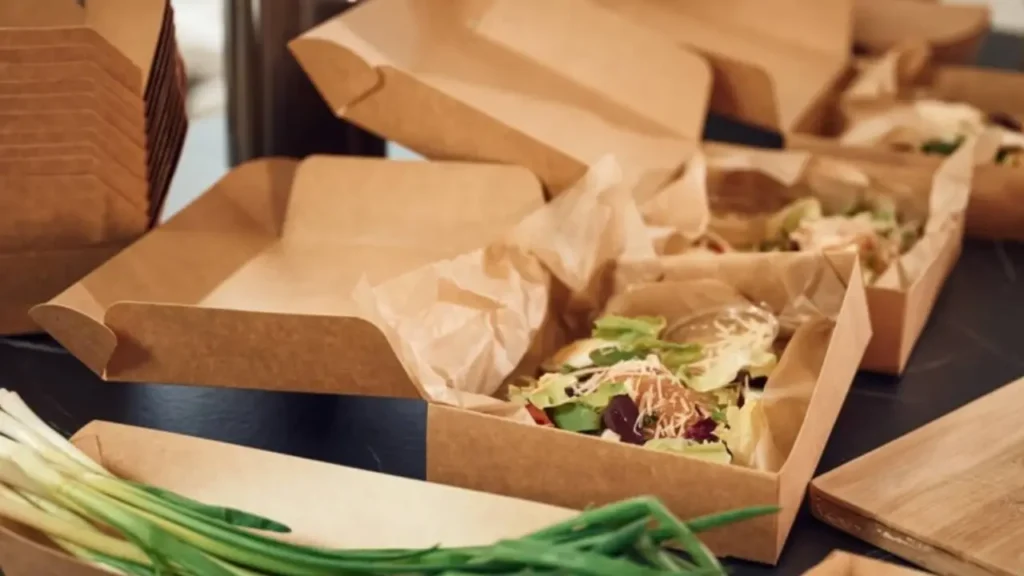
Paper packaging has become a popular choice for food products due to its sustainability, strength, and versatility. It offers a variety of options tailored to different food packaging needs, ensuring freshness, safety, and protection.
From kraft paper to parchment, each type brings unique benefits to meet the diverse requirements of the food industry.
Kraft Paper
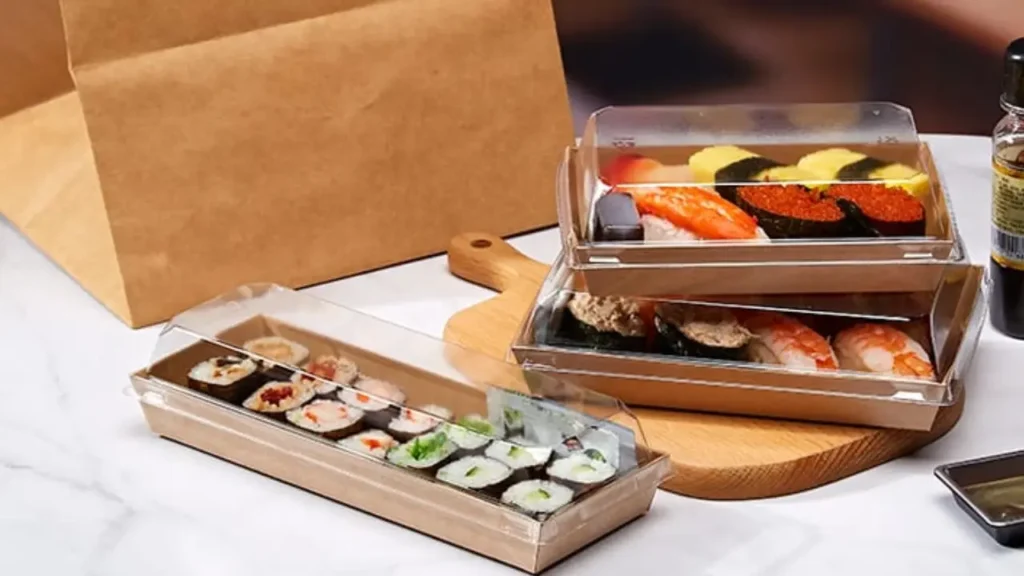
Kraft paper is a durable and eco-friendly option made from unbleached wood pulp. Its natural brown color is ideal for those seeking a rustic and sustainable packaging solution. Kraft paper is highly resistant to tearing, making it suitable for heavy-duty packaging like bakery goods, snacks, and takeout items.
The biodegradable and recyclable nature of kraft paper makes it an environmentally conscious choice for packaging. It’s commonly used in food bags, wraps, and boxes, particularly for items like sandwiches, fresh produce, and pastries, offering both strength and a natural appearance while keeping food safe.
Coated Paper
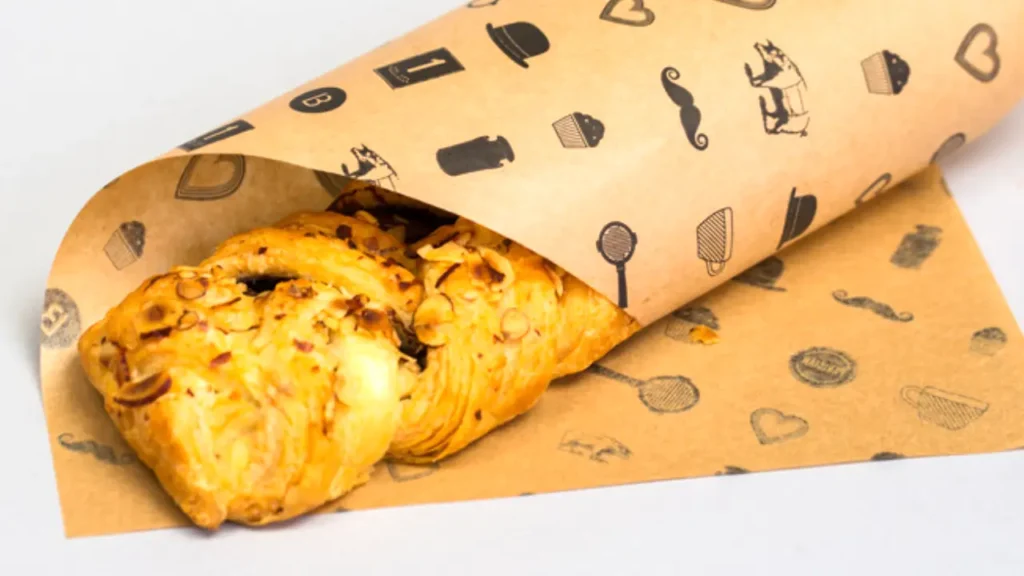
Coated paper is treated with a smooth, glossy finish to enhance its strength and water resistance. This type of paper is perfect for packaging foods that require an extra layer of protection, such as fast food containers, pizza boxes, and snack packaging.
Coated paper offers excellent printability, which helps brands present their food products attractively. Its moisture-resistant qualities also ensure that greasy or moist food items stay fresh, making it a popular option in the foodservice industry. Its ability to preserve food integrity makes it highly effective for everyday food packaging.
Corrugated Paper
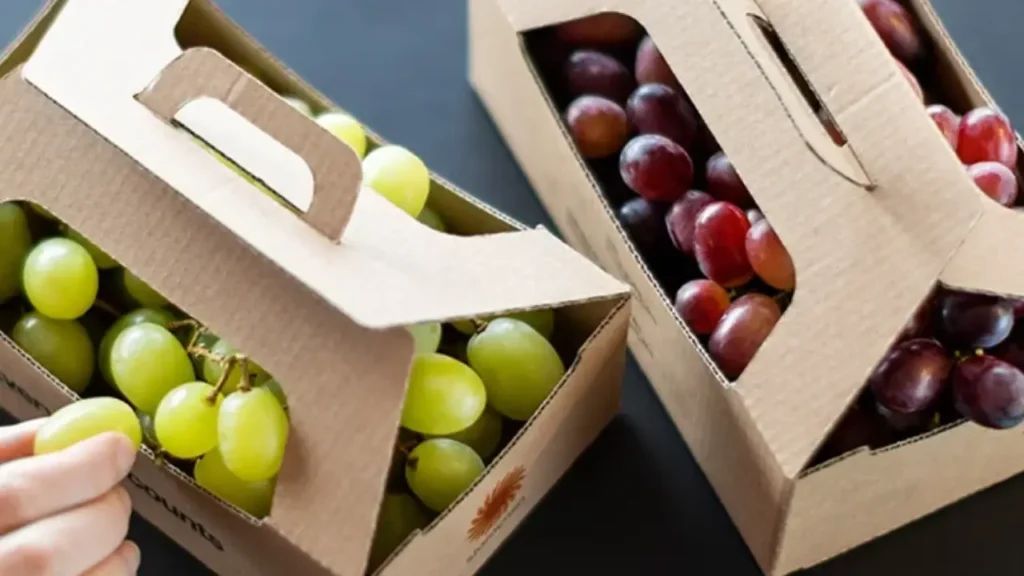
Corrugated paper, or cardboard, is made from layers of paperboard, providing superior strength and durability. It’s primarily used for shipping and storage of food products, offering reliable protection during transport. Common uses include pizza boxes, shipping cartons for bulk food, and large takeout containers.
The cushioning properties of corrugated paper help protect fragile food items from damage during handling and transportation. It’s also recyclable, offering a sustainable option for businesses. The material is an affordable and sturdy packaging choice, especially for bulky food products requiring extra protection during delivery.
Wax Paper
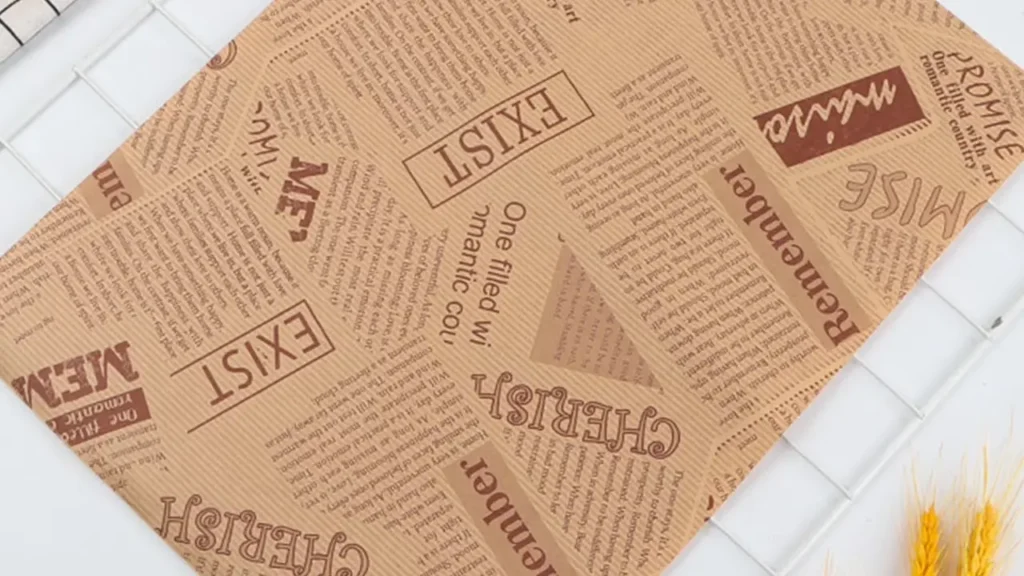
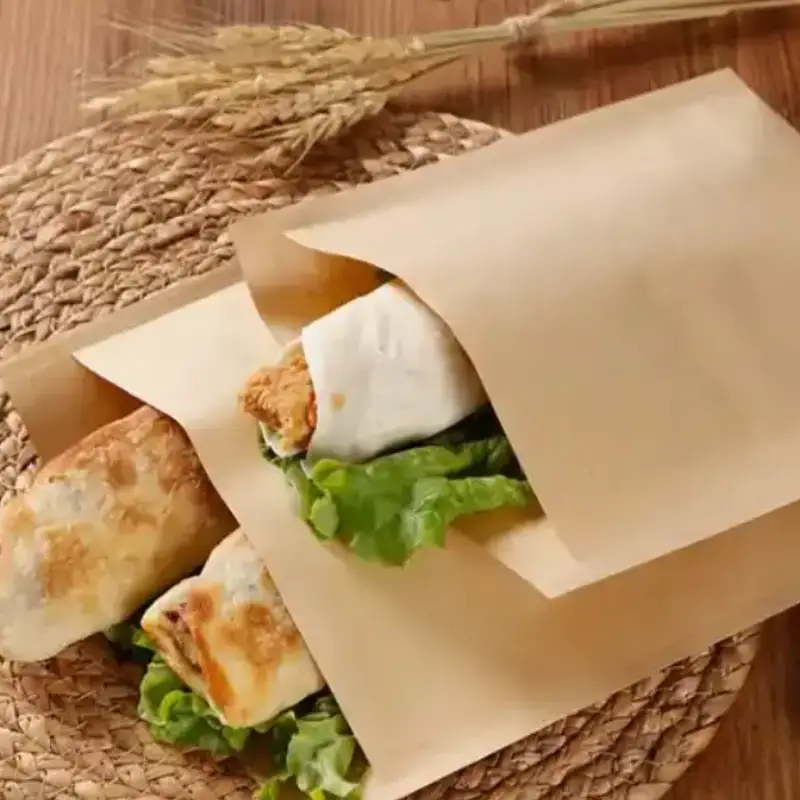
Wax paper is coated with a thin layer of wax, giving it moisture- and grease-resistant properties. It’s commonly used for wrapping food items like sandwiches, pastries, and candies. The wax coating helps prevent leakage and preserves freshness while ensuring the food stays intact.
Wax paper is a cost-effective solution for short-term food storage, and its non-stick properties are especially useful for greasy or sticky foods. However, while it is biodegradable, it isn’t as widely recyclable as other paper types, so it’s important to dispose of it correctly. It’s ideal for food packaging that doesn’t require long-term preservation.
Paperboard
Paperboard is a thick and sturdy material often used in folding cartons and packaging for food products. You’ll find it in items such as cereal boxes, frozen food packaging, and beverage cartons. Paperboard provides ample surface area for branding and is perfect for retail-ready food packaging.
Paperboard is durable, lightweight, and has excellent barrier properties to protect food from moisture and air. It’s also highly recyclable, making it a sustainable choice for companies that prioritize eco-friendly practices. Its ability to provide both protection and attractive branding makes paperboard an ideal material for packaged food.
Parchment Paper
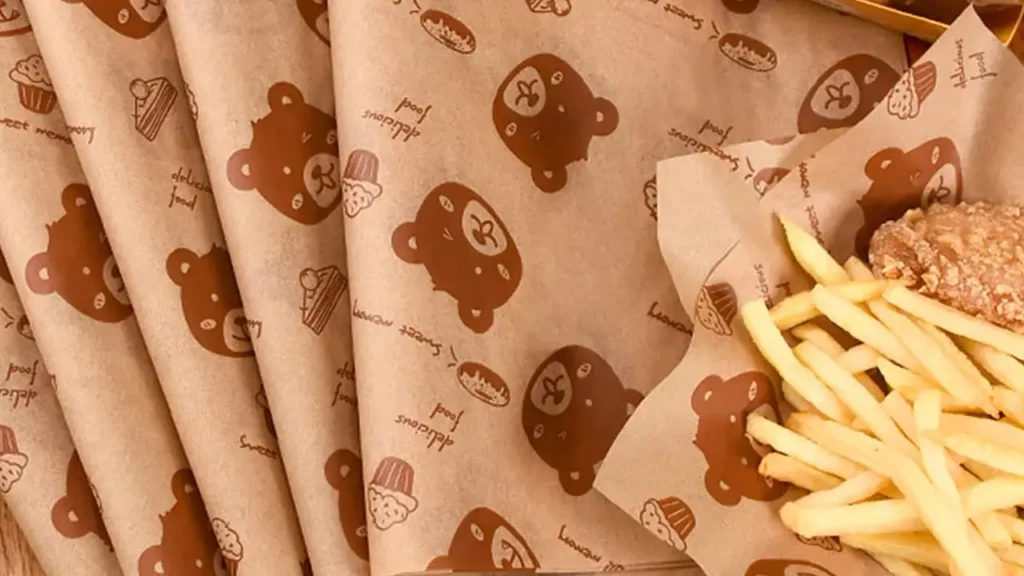
Parchment paper is a heat-resistant, non-stick paper treated with silicone, making it an excellent choice for cooking and baking applications. It’s commonly used for lining baking sheets, wrapping food for cooking, and packaging items like pastries, cookies, and meat.
The non-stick nature of parchment paper makes it perfect for preventing food from sticking during cooking or baking. It’s also highly heat-resistant, allowing for safe use in high-temperature cooking methods like roasting and baking. Parchment paper is biodegradable, providing an environmentally friendly alternative for cooking and packaging needs.
Here’s a chart showing the key characteristics and applications of each type of paper packaging for food:
| Type of Paper | Key Characteristics | Common Applications | Benefits |
|---|---|---|---|
| Kraft Paper | Strong, eco-friendly, unbleached wood pulp | Bakery goods, sandwiches, takeout boxes, fresh produce | Biodegradable, recyclable, durable, natural appearance |
| Coated Paper | Smooth, glossy finish, moisture and grease-resistant | Fast food containers, pizza boxes, snack packaging | Excellent printability, moisture barrier, keeps food fresh |
| Corrugated Paper | Layers of paperboard, strong and durable | Pizza boxes, bulk food shipping cartons, large takeout containers | Protective, cushioning, recyclable, cost-effective |
| Wax Paper | Coated with a thin layer of wax, moisture and grease-resistant | Sandwiches, pastries, candies, short-term food storage | Non-stick, prevents leakage, biodegradable |
| Paperboard | Thick, sturdy, folding cartons, excellent for branding | Cereal boxes, frozen food packaging, beverage cartons | Lightweight, recyclable, great for branding and shelf appeal |
| Parchment Paper | Heat-resistant, non-stick, silicone-coated | Lining baking sheets, wrapping for cooking, packaging pastries | Heat-resistant, non-stick, biodegradable, ideal for baking |
This chart helps provide an overview of each paper packaging type’s features and uses, making it easier to compare and choose the right option for different food packaging needs.
What Paper is Suitable for Food Packaging?
Choosing the right paper for food packaging depends on factors like food type, storage conditions, and environmental impact. Several paper options provide unique benefits in terms of protection, sustainability, and presentation. Below are the most suitable paper types for food packaging and their respective advantages.
- Kraft Paper: Made from unbleached wood pulp, it’s durable, eco-friendly, and perfect for bakery items, sandwiches, and fresh produce. Its biodegradable nature ensures sustainability, offering strength and a natural appearance.
- Coated Paper: Features a glossy finish with resistance to moisture and grease, ideal for fast food, pizza, and snacks. It also allows for high-quality printing, making it suitable for branding alongside functionality.
- Corrugated Paper: Known for strength and cushioning properties, it’s perfect for shipping and protecting bulk food items like frozen goods, pizza boxes, and takeout containers. It’s recyclable and sustainable.
- Wax Paper: Coated with a thin layer of wax, making it resistant to moisture and grease. Ideal for wrapping food like sandwiches and pastries. It ensures freshness and prevents leakage but is less recyclable.
- Paperboard: Thick and durable, ideal for retail packaging like cereal boxes and frozen food. It protects food from moisture and air, while being recyclable, making it a sustainable alternative to plastic.
- Parchment Paper: Heat-resistant and non-stick, it’s perfect for cooking and baking. Commonly used for lining baking sheets or wrapping food for roasting. It withstands high temperatures and is fully biodegradable.
Conclusion
As the demand for sustainable packaging continues to grow, paper packaging provides an effective and environmentally friendly solution for food manufacturers. Its versatility allows businesses to tailor their packaging to meet specific needs, while also contributing to a greener planet. This makes it an attractive option for both businesses and consumers.
By choosing the right type of paper packaging, companies can enhance their products’ shelf life and visual appeal. It also offers consumers the confidence that the packaging aligns with their sustainability values. Whether it’s for takeout, shipping, or retail, paper packaging serves multiple roles in the food industry.
If you’re looking for wholesale paper packaging, Letai Packaging is your go-to source. We offer a wide range of paper packaging options designed to meet the unique needs of your food products, ensuring both protection and an eco-friendly footprint. Contact us today for your packaging needs.

I have honed my expertise in creating high-quality packaging solutions, bringing both innovation and efficiency to the field. I am passionate about delivering exceptional results and contributing to sustainable packaging practices.
- What is a CBD Box? The Ultimate Guide - June 9, 2026
- Bangle Box Ideas: Inspiring Designs for a Clutter-Free Space - June 8, 2026
- What is a Bangle Box? The Ultimate Guide - June 8, 2026
 English
  Español
  Deutsch
  Français
  Italiano
  日本語
日本語  한국어
한국어  Русский
  Português do Brasil
  العربية