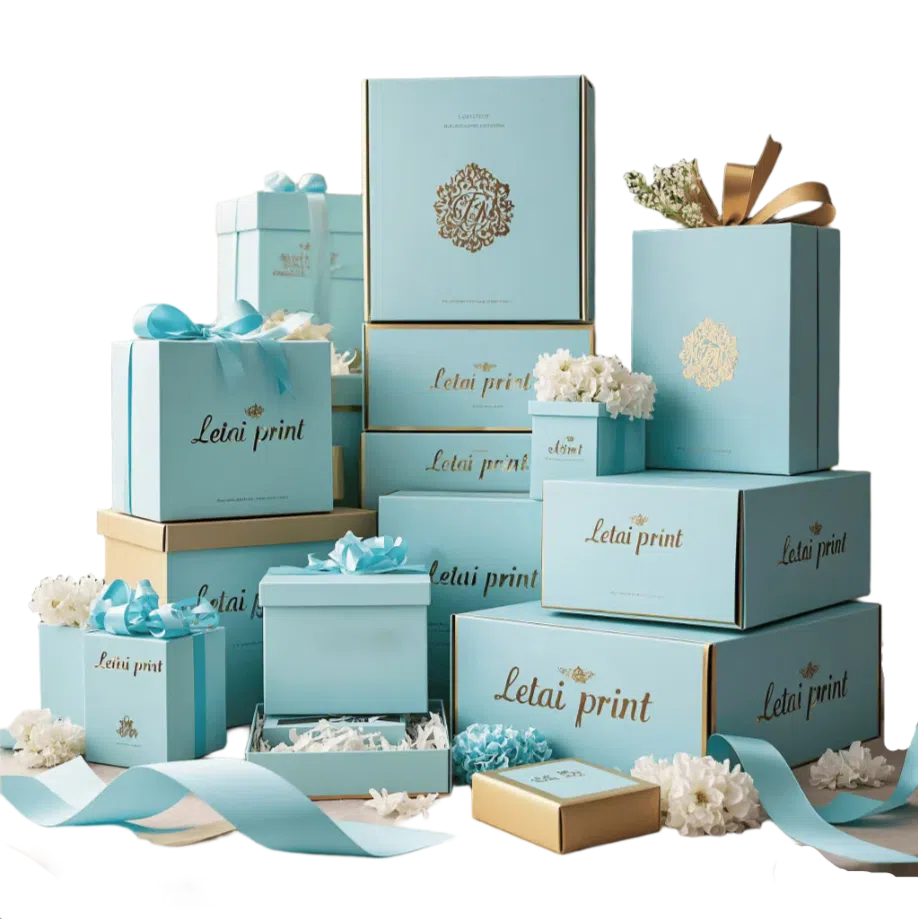
This effect makes products look premium. It tells customers an item is special. But how do you achieve this look? Getting it right requires knowledge.
This is your complete guide. We will show you exactly what is foil stamping. You will learn how the process works, from heat and pressure to the final shine. Let us will explore the different types of foil and the various techniques available.
What is Foil Stamping
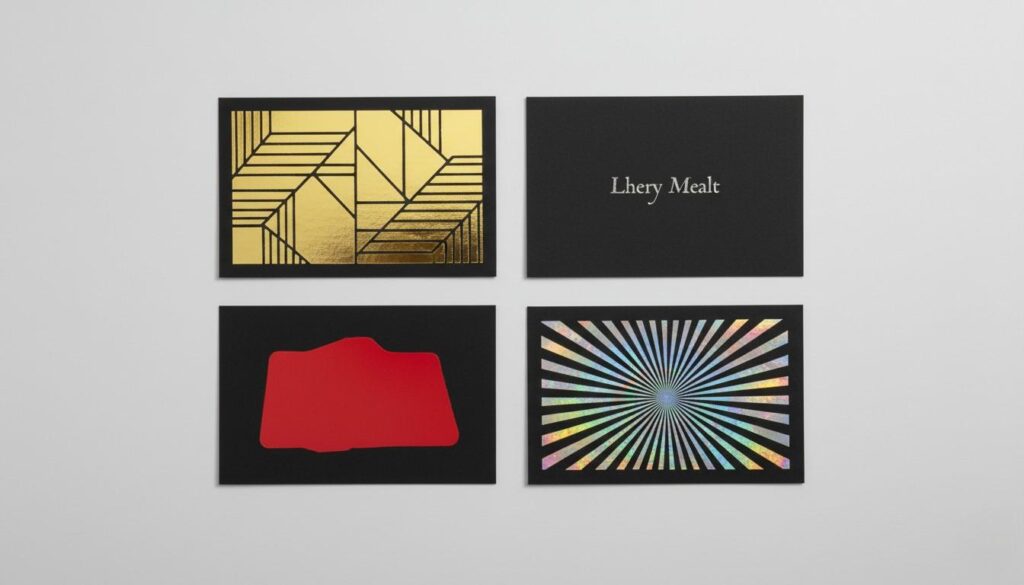
Foil stamping is a special print finishing process. It adds a shiny, metallic design to a surface like paper. This is not an ink-based process.
Instead, it uses heat and pressure to transfer a thin layer of foil onto the material. This creates a bright, opaque finish that instantly gives a product a look of luxury.
Foil stamping makes a product stand out. It signals quality and distinction. The process often leaves a slight impression on the paper. This means your design is not just seen; it is also felt.
The core purpose is to increase value. It makes packaging, business cards, and book covers feel more premium. It is a simple and effective tool for grabbing a customer’s attention.
How Does Foil Stamping Work?
Foil stamping works using a simple principle: heat and pressure. It uses a heated metal plate to press a thin film of foil onto paper.
This transfers the shiny foil layer, leaving a permanent metallic design. Think of it as a very precise, hot stamp.
The process requires three key things: a metal die (your engraved design), a roll of foil, and the paper you are stamping.
Types of Foil Stamping
Foil stamping offers more than just one look. The type of foil you choose dramatically changes the final feel of your product. Selecting the right one depends on your brand’s personality and design goals.
A key point to remember is that this shiny surface shows fingerprints. You should avoid placing it on areas people touch often, like the handle of a gift box.
Bright Metallic Foils
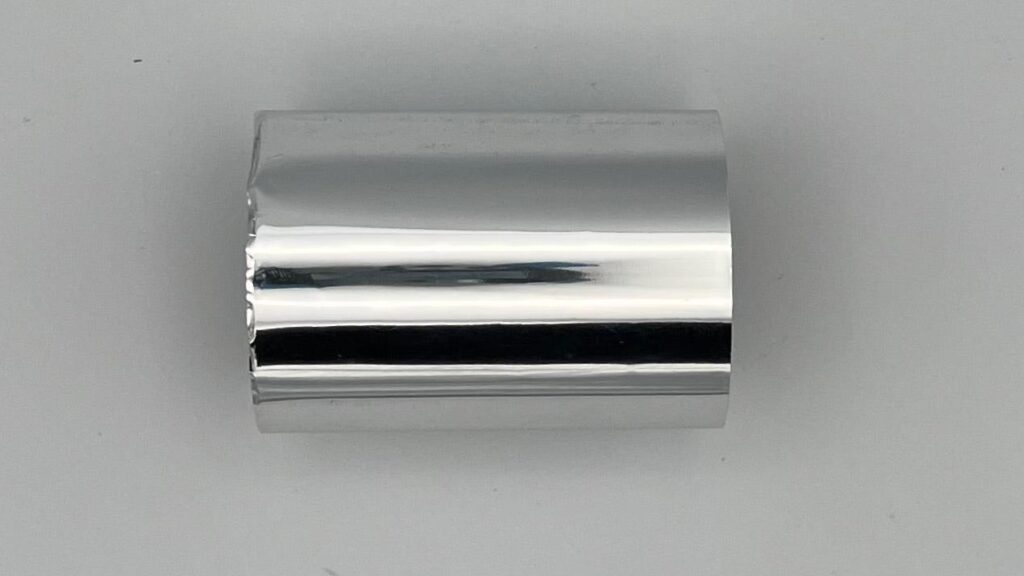
This is the classic shiny foil. It has a mirror-like finish. It catches light well. Bright gold foil feels traditional and luxurious. Use it for high-end gift boxes for products like gourmet chocolates, premium spirits, or jewelry.
Bright silver foil looks modern and sleek. It works for electronics packaging, like for headphones or smartphones.
Matte Foils
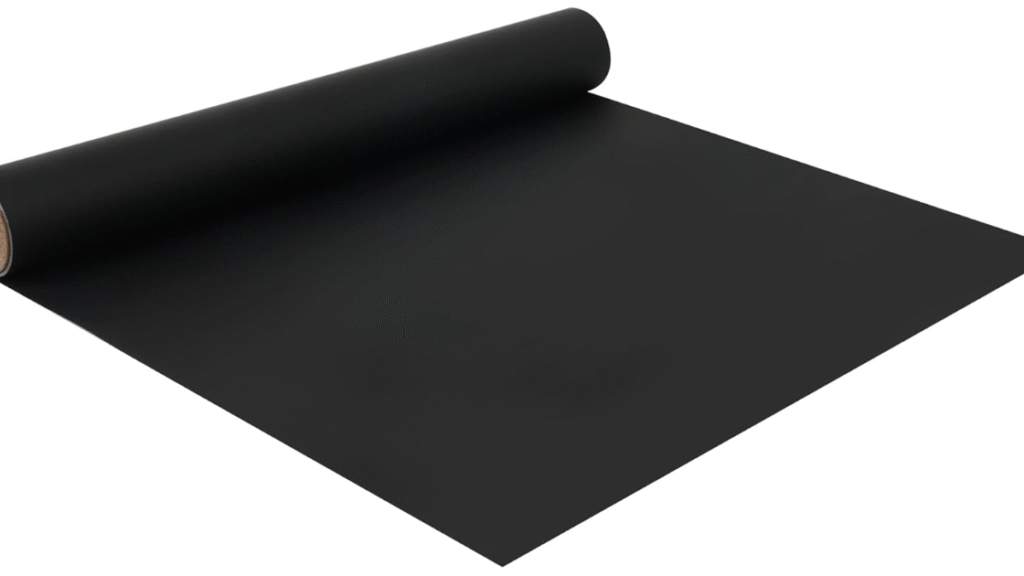
Matte foils have a soft finish. They do not reflect light. This creates a modern, quiet sense of luxury. They are great for light luxury brands in cosmetics or high-end stationery.
The cosmetics and luxury goods packaging segments account for over 35% of cold foil applications
They also suit minimalist packaging for products like artisanal coffee or creative goods. Matte foils need very smooth paper to look their best.
Pigment Foils (Color Foils)
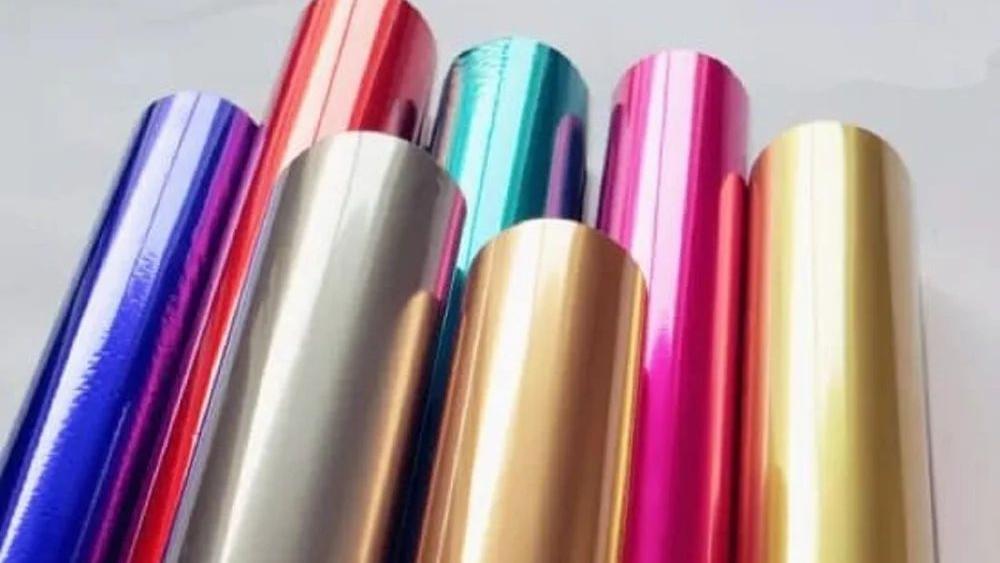
Foil comes in many colors. You can find red, blue, green, and even black or white foil. These are pigment foils. They offer a bold, graphic, and personalized feel.
Use them for children’s toy packaging to create a lively look. They are also perfect for festive gift boxes for seasonal holidays.
Holographic and Laser Foils
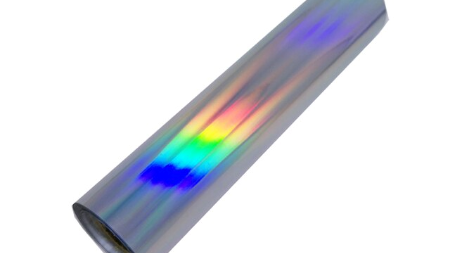
This foil shimmers with a rainbow effect. It is eye-catching and dynamic. The feel is futuristic and magical. It also helps prevent counterfeiting.
Luxury brands use it on packaging for handbags and watches. High-value medicines use it to prove authenticity. You also see it on anti-counterfeit labels and special edition product packaging.
This foil needs good light. In dark places, the rainbow effect is weak.
Brushed Foils
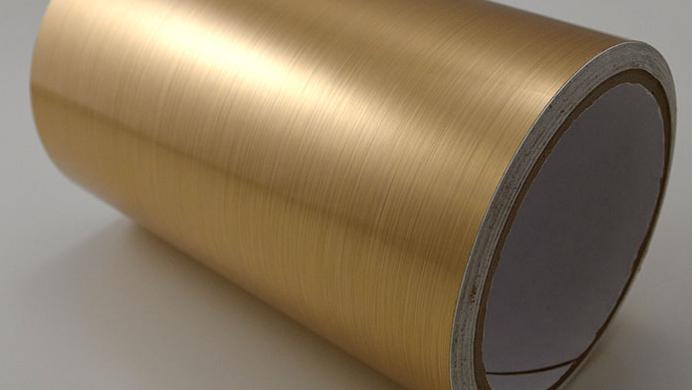
Brushed foil looks like brushed metal. It has fine, parallel lines. This gives it a detailed, industrial feel.
This texture works well for high-end home appliance packaging or men’s skincare products. It also adds a nice tactile feel to minimalist gift boxes.
Scratch-Off Foil
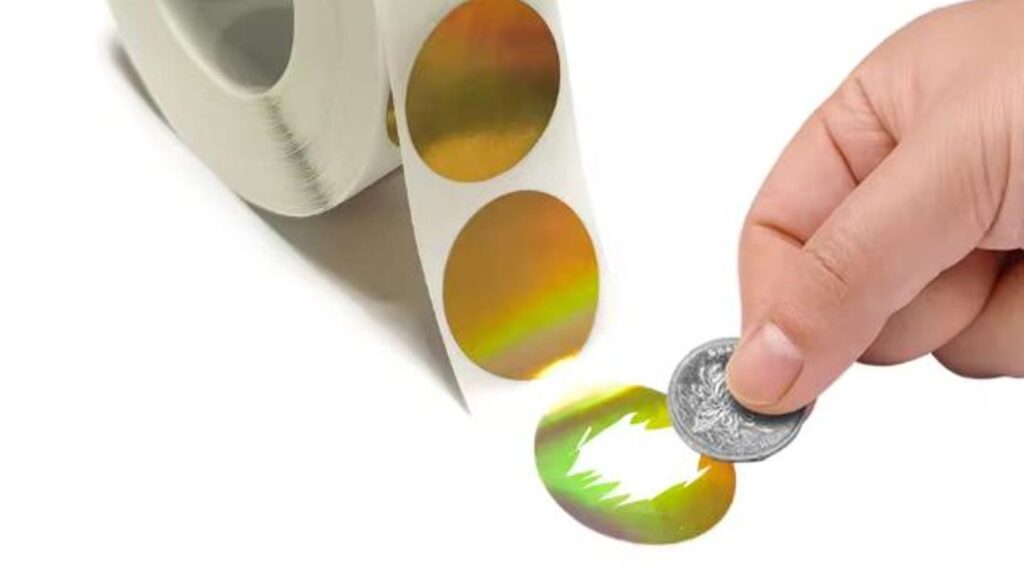
This special foil covers hidden information. People scratch it off with a coin or fingernail. Companies use it for promotional game cards and lottery tickets.
It also covers PINs on gift cards. This is a functional foil, not a permanent decoration.
The Benefits of Foil Stamping

Foil stamping offers many advantages for packaging and print. It is a powerful tool to make a product look and feel special.
Grabs Visual Attention
Foil makes your product stand out. Its metallic shine creates a strong visual impact. It looks very different from standard printing inks.
This helps key information, like a logo or product name, pop off the shelf. Consumers notice foiled products first. It grabs their attention in the first few seconds.
Adds a Premium Feel
Foil stamping makes products feel more luxurious. Metallic textures make people think of value and quality. It makes simple packaging feel higher quality.
This is a cost-effective way to create a high-end look. Using foil is much cheaper than making the entire package from expensive materials.
Offers High Durability
The foil layer is very durable. It resists scuffs and rubbing better than metallic inks. A stamped foil layer can withstand over 500 rubs without fading.
Printed metallic inks show wear after just 200 rubs. This makes foil ideal for packaging that people handle often.
Think of jewelry boxes that people open and close many times, or the covers of instruction manuals. The foil design stays intact.
Works Well with Other Processes
You can combine foil stamping with other finishing methods. It combines easily with techniques like embossing, debossing, and spot UV.
This combination creates a design with both visual and tactile layers. The final product is more memorable than one with a single finish.
Provides Security
Certain foils help prevent counterfeiting. Special foils, like holographic or laser foils, have complex patterns. They require special equipment to produce.
This makes them very hard for counterfeiters to copy. Using them greatly reduces the risk of fake products and protects a brand’s reputation.
The Combination of Foil Stamping with Other Finish Methods
| Combination | Key Effect | Best For |
| Foil + Emboss/Deboss | 3D metallic look with shine and texture. | Luxury logos (jewelry, watches), detailed patterns. |
| Foil + Spot UV | High contrast between metallic and glossy areas. | Cosmetic packaging, making specific elements pop. |
| Foil + Lamination | Durable, protected finish with water resistance. | Strong items (shopping bags), long-term storage boxes. |
Foil stamping works well with other methods. Combining them creates a richer experience. It adds both visual and tactile layers.
This makes the final product more impressive than using a single technique. Here are the most common combinations.
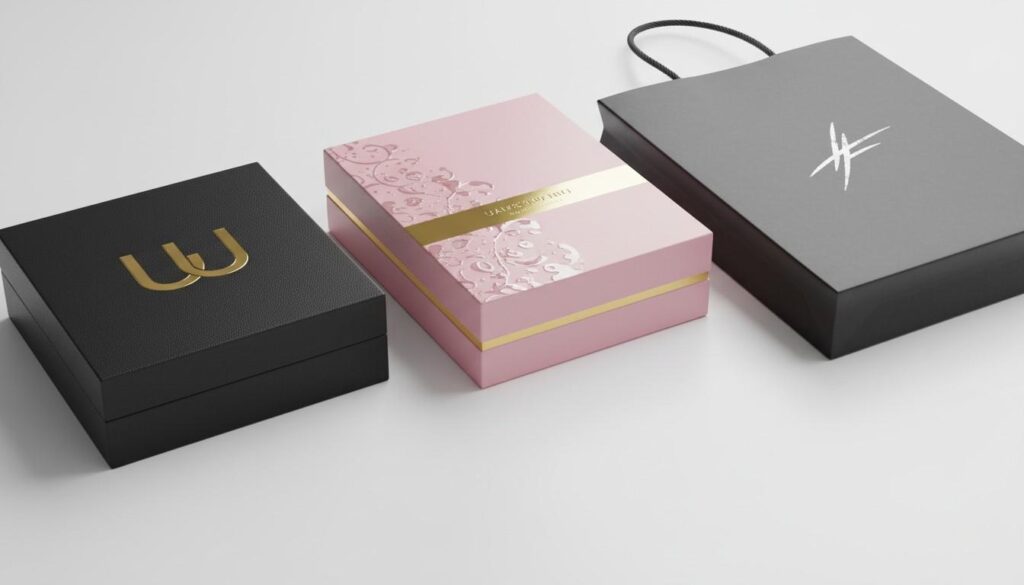
Foil Stamping + Embossing / Debossing
This creates a three-dimensional metallic effect. The design has both shine and texture. It makes the product memorable to the touch.
It is perfect for logos on luxury gift boxes. Think of packaging for jewelry or watches. It also works well for detailed patterns on high-end products.
Foil Stamping + Spot UV
This pairing creates a striking contrast. The metallic foil shines next to the high gloss of the UV finish. This contrast draws the eye and makes the design pop.
This technique is great for cosmetic packaging. It works well on a lipstick box with a foiled logo and a glossy pattern.
Foil Stamping + Lamination
This combination makes the packaging more durable. The lamination protects the paper and the foil from wear. It also adds water resistance, which helps the design last longer.
Use this for items that need to be strong, like shopping bags. It is also good for gift boxes you want to keep for a long time.
What to Watch Out When Using Foil Stamping
Foil stamping creates a beautiful, premium finish. To get the best results, it helps to plan ahead. We want to make sure your final product is perfect. Here are a few key things to consider.
1. It Works Best for Larger Orders
Foil stamping needs a custom metal die. We create this die just for your design. This has an initial setup cost.
Because of this setup, foil is most cost-effective for larger runs. The cost per item is higher for very small batches. If you have a small project, we can help. We can suggest other finishes that give you a great look for your budget.
2. The Right Material is Important
The foiling process uses heat and pressure. It bonds the foil to the paper. For a crisp, clean result, the foil needs a smooth, heat-resistant surface. Rough papers, like textured kraft or corrugated cardboard, can be a problem.
The foil edges might look uneven or flaky. Very thin materials can also warp from the heat. We will guide you to the perfect paper. Our team ensures your material choice will produce a flawless foil finish.
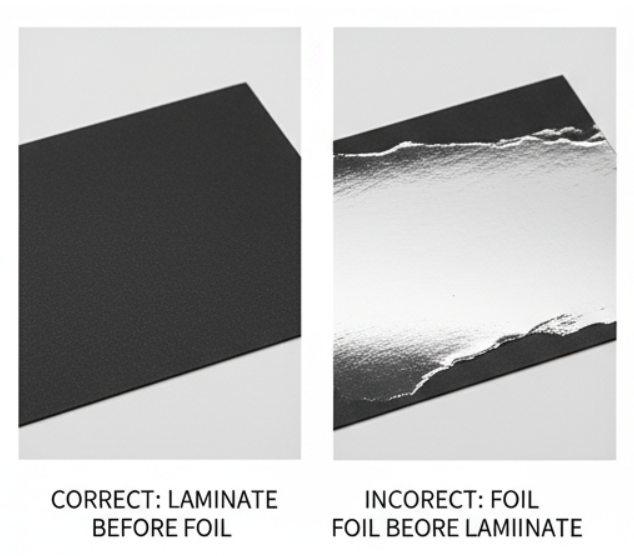
3. The Process Order Matters
Combining foil with other finishes requires the right steps. The sequence is critical. For example, we must apply lamination before we apply the foil.
The wrong order can damage the foil layer. It might peel or bubble. You do not need to worry about this. We manage the entire production process to get it right.
4. Think About the Final Look
Foil is stunning, but it has some unique visual traits.
Bright, shiny foils can show fingerprints. This is something to think about for items people handle often, like a box lid or a cosmetic bottle. A matte foil is a great alternative. It keeps the product looking clean.
Summary
Foil stamping is the best choice when you need a metallic focal point to elevate your product and make it memorable. If your project fits one of these scenarios and your budget allows, foil is the perfect solution.
The experts at Letai Printing are here to help.
Contact Letai Printing today to discuss your project and get a custom quote.

I have honed my expertise in creating high-quality packaging solutions, bringing both innovation and efficiency to the field. I am passionate about delivering exceptional results and contributing to sustainable packaging practices.
 English
  Español
  Deutsch
  Français
  Italiano
  日本語
日本語  한국어
한국어  Русский
  Português do Brasil
  العربية