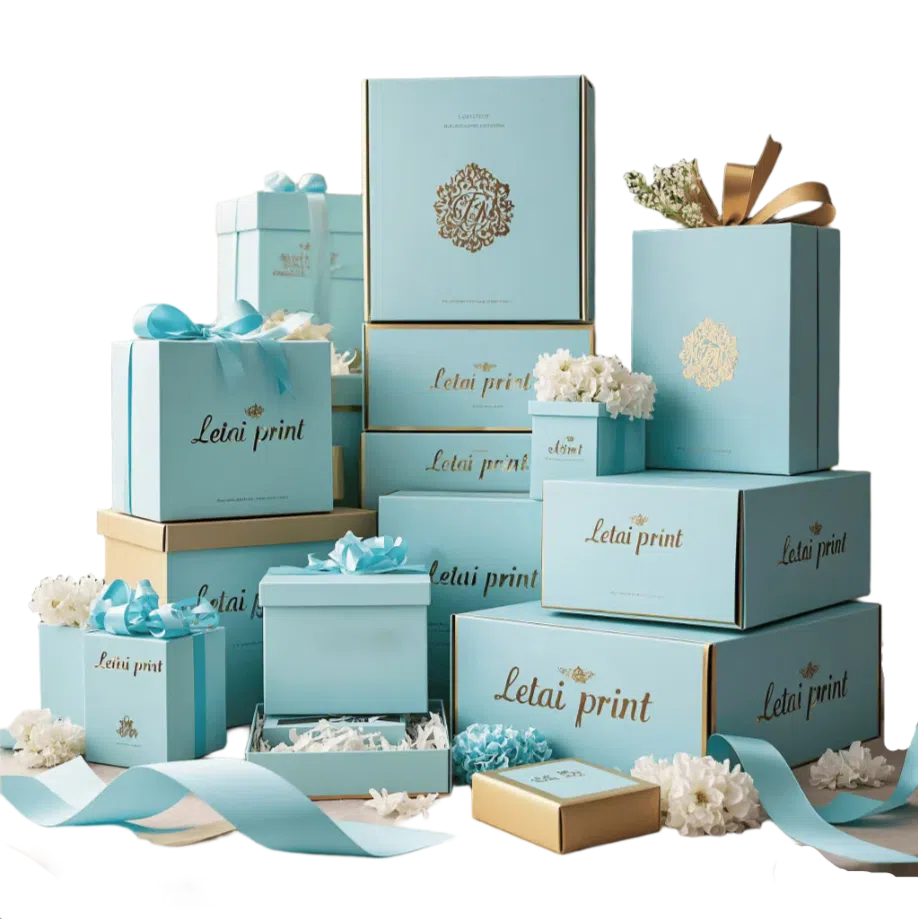
Have you ever noticed how a logo shines on a matte business card? Or felt a raised, glossy title on a book cover? You have experienced Spot UV. It is a popular printing finish. It adds instant visual and tactile appeal.
This finish does more than just shine. It creates a stunning contrast. It makes print materials look and feel luxurious. This guide is your complete resource. We will answer the core question: What is Spot UV? We will break down the entire process. You will learn its powerful benefits and see where to use it.
What is Spot UV

Spot UV is a clear, high-gloss coating applied to specific areas, or “spots,” on a printed item. The printing industry holds approximately 30% market share in spot UV curing systems. The “UV” refers to the ultraviolet light used to instantly dry and harden the coating.
This process creates a striking contrast between the glossy finish and the underlying paper, making specific design elements stand out.
Think of it as a targeted varnish. You apply it only to the parts you want to highlight, like a logo, a headline, or a pattern.
The effect is most dramatic when the Spot UV is applied over a matte or soft-touch laminate. This contrast creates a powerful visual and tactile experience—your eyes see the shine, and your fingers feel the smooth, raised texture.
In essence, Spot UV adds a layer of luxury and sophistication. It draws attention to the most important parts of your design.
What is Spot UV Process and How it Works ?
The Spot UV process is precise and fast. It combines two core steps: selective coating and instant UV curing. This method creates a durable, high-gloss finish exactly where you want it.
First comes the selective coating. A clear, liquid UV varnish is applied to the paper. This is usually done with screen printing. A custom screen acts as a stencil, allowing the varnish to pass through only onto the specific design elements, like a logo or text.
Printers control the varnish thickness. A thin layer (5-10μm) adds a simple shine. A thicker layer (20-50μm) creates a noticeable, raised texture that you can feel.
Next is the instant curing. Immediately after the varnish is applied, the sheet passes under a high-intensity ultraviolet (UV) lamp.
This lamp emits light at a wavelength of 200-400nm. The UV light triggers a chemical reaction in the varnish, causing it to harden into a solid film almost instantly. The entire curing process takes only 0.5 to 2 seconds. It is so fast that it doesn’t slow down production.
Spot UV is superior to standard finishes like lamination. The difference is clear.
- Higher Gloss: Spot UV is much shinier, reaching 80-90 gloss units. Standard lamination typically only reaches 50-60 units.
- Stronger Hardness: The cured finish is incredibly tough. It has a pencil hardness of 2H or higher, while lamination is much softer at around HB.
- Better Durability: It resists scuffs and scratches far better. A Spot UV finish can endure over 500 friction rubs without damage. Lamination often shows wear after just 200 rubs.+
What are the Benefits and Applications of Spot UV?
Spot UV’s biggest advantage is adding a premium feel at a low cost. It helps focus attention. In many cases, it’s not just an option. It’s the essential finishing touch.
1. Make Products Stand Out on the Shelf

For consumer goods like snacks, drinks, and cosmetics, the goal is to get noticed quickly. Spot UV achieves this for a very small investment.
- Logo Focus: Imagine a matte snack bag on a crowded shelf. A logo with a high-gloss Spot UV finish catches the light and draws the eye. This simple trick boosts brand recognition. For example, a craft chip brand can use Spot UV on its colorful logo. Against a plain bag, it becomes the first thing a customer sees.
- Highlight Key Selling Points: Spot UV guides a customer’s attention to important information like “Organic” or “0% Fat.” A popular yogurt brand might apply Spot UV to its “0% Fat” label. Studies show this helps consumers find the key feature in one second, down from three seconds.
- Cost-Effective: Spot UV is very affordable for large production runs. Adding it to a small logo costs just a few cents per package. This is much cheaper than other premium finishes. Foil stamping, for example, can cost three to four times more.
2. Create a Premium Feel for Luxury Packaging

For gift boxes, the goal is to create a sense of luxury. Spot UV builds perceived value with layered textures.
- Embossed UV (Thick Film): A thick layer of UV varnish creates a raised, 3D texture. Imagine a box of high-end chocolates. The floral pattern on the lid is not just printed, but raised and glossy. When customers touch it, they feel the quality. This premium feel can justify a higher price and increase repeat purchases.
- Combine with Other Finishes: Spot UV works beautifully with other processes. A luxury perfume box might have a silver foil logo with a Spot UV layer on top. The foil provides the metallic shine. The UV adds a protective, tactile gloss. This creates a multi-sensory experience that feels far more exclusive.
- Works Best with Contrast: The effect is most dramatic on matte or soft-touch papers. The deep, non-reflective background makes the glossy UV areas pop. Using Spot UV on an already glossy paper produces a much weaker effect because there is little contrast.
- It transforms business cards from simple contact info into a statement of quality.
3. Add Durability and Protection
For items like product tags and manuals, durability is key. The hard, cured finish of Spot UV protects critical information from wear and tear.
- Protect QR Codes and Barcodes: An electronics company can apply Spot UV over a QR code on a product tag. This clear, hard layer shields it from scratches, moisture, and oils. This keeps the code scannable for the product’s entire life. Scan success rates can increase from 95% to over 99%.
- Guard Against Wear: In instruction manuals, applying Spot UV to key text like “Warranty Details” prevents the ink from rubbing off after repeated handling. Customers report that the text remains crisp and clear even after years of use.
- Adapts to Any Shape: Spot UV can be applied to any irregular shape, from a curved logo to intricate line art. The edges are always perfectly clean. This makes it more flexible and precise than embossing, which often struggles with complex designs.
| Need / Goal | Application | How Spot UV Helps |
|---|---|---|
| Increase Shelf Visibility | Consumer Goods (Logos, selling points) | Creates a “visual standout” effect to grab attention. |
| Premium Look, Lower Cost | Gift Boxes & High-End Packaging | A cost-effective alternative to foil stamping. Keeps a premium feel for less. |
| Protect Key Information | Labels & Manuals (QR codes, specs) | Adds a durable layer to resist wear and scratches. |
What to Watch Out For When Using Spot UV
Spot UV is a great tool. But a few common mistakes can ruin the effect. Knowing what to look for is the key to a perfect result. Here are the most common problems and how to avoid them.
Problem 1: The UV Peels Off or Doesn’t Stand Out
Sometimes, the Spot UV finish peels right off. This happens often on glossy or plastic surfaces. Other times, you pay for the effect, but it’s barely there.
Why it Happens: Adhesion depends on the material. Visibility depends on contrast. The UV varnish needs the right surface to stick. It also needs a contrasting background to be seen.
How to Fix It:
To Make it Stick: The printer must treat smooth surfaces first. This applies to glossy paper and plastic films. They can add a special primer coat, which acts like glue for the varnish. For special papers like soft-touch or vellum, the printer needs a specific UV varnish. This prevents the paper from absorbing the gloss.
To Make it Pop: Always use a matte or soft-touch background. The deep, non-reflective paper makes the high-gloss UV stand out. This contrast creates the powerful effect you want.+

Problem 2: The Finish is Sticky or Scratches Easily
The finished Spot UV area feels tacky. It might stick to other items when stacked. Or, it scratches off easily with a fingernail.
Why it Happens: This happens when the UV varnish is not fully cured. The UV light did not harden the liquid into a durable, solid layer.
How to Fix It: The printer must calibrate their equipment. They need to adjust the UV lamp’s intensity and the press speed. Thicker layers of varnish need more intense light or a slower speed to cure all the way through. A proper cure creates a hard finish that resists scratches and isn’t sticky.
Problem 3: The Wrong Order of Finishes Ruins the Effect
You want to combine Spot UV with foil stamping or embossing. But the final result is a mess. The foil won’t stick. The UV effect disappears.
Why it Happens: The order of operations is critical. Using finishes in the wrong sequence destroys the effect.
How to Fix It (Remember the Correct Order):
With Foil Stamping: Foil first, then Spot UV. The UV can go over the foil to protect it and add shine.
With Lamination: Laminate first, then Spot UV. The UV goes on top of the laminate film. This protects the UV finish from the heat and pressure of lamination.
With Embossing: Emboss first, then Spot UV. The UV goes onto the raised surface. This prevents the hardened UV layer from cracking.
Problem 4: Too Much Spot UV Creates No Focus
The design uses Spot UV on too many elements. The result looks busy. Nothing stands out. It’s like having too many highlights. The final cost is also much higher than you expected.
Why it Happens: The purpose of Spot UV is to create focus. Less is more.
How to Fix It:
Be Selective: Choose only one or two key elements for the Spot UV. This is usually the logo, a product name, or a critical selling point like “All Natural.” This creates powerful contrast and looks more sophisticated.
Choose the Right Print Method for Your Budget: Talk to your printer about the size of your run. For small runs, screen printing is often cheaper. For large runs of 100,000 pieces or more, flexographic printing is faster and lowers the cost per piece.
Summary: Making Spot UV Work for You
Spot UV is more than just a shiny layer. It is a powerful and cost-effective tool.
It makes your products stand out on a crowded shelf. It adds a touch of luxury to packaging, business cards, and book covers, turning ordinary items into something special. The hard finish even protects important details from wear and tear.
And remember, less is more. Highlighting everything highlights nothing. Focus the effect on your most important elements to make a powerful impression.
Ready to make your project shine? Contact Letai Printing today. Let’s create something unforgettable together.

I have honed my expertise in creating high-quality packaging solutions, bringing both innovation and efficiency to the field. I am passionate about delivering exceptional results and contributing to sustainable packaging practices.
- Flexographic Printing Process: Benefits and Applications in Packaging - April 2, 2026
- What is Sustainable Packaging? The Ultimate Guide - April 2, 2026
- Hot Foil Stamping: What It Is and How It Works - April 2, 2026
 English
  Español
  Deutsch
  Français
  Italiano
  日本語
日本語  한국어
한국어  Русский
  Português do Brasil
  العربية