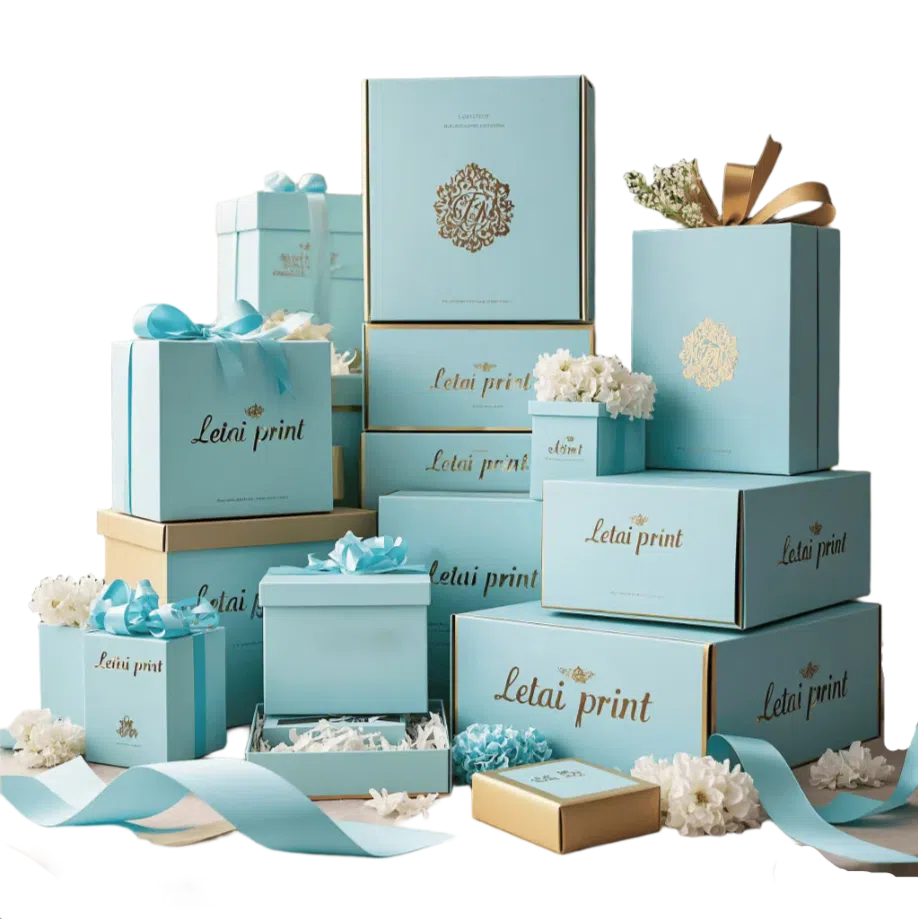
As sustainability becomes increasingly important, many consumers and businesses are paying closer attention to the environmental impact of packaging materials. Tea boxes are among the most commonly used packaging solutions in the tea industry, making recyclability an important consideration for brands seeking to reduce waste and support eco-friendly practices globally.
Understanding whether tea boxes are recyclable depends on the materials used in their construction and any additional coatings or decorative finishes applied. By learning how different packaging components affect recyclability, businesses can make informed decisions that support sustainability goals while meeting consumer demand for environmentally responsible packaging solutions.
What are Tea Boxes?
Tea boxes are specially designed packaging containers used to store, protect, and present tea products. They help maintain freshness by shielding tea leaves or tea bags from moisture, air, light, and external contaminants. Tea boxes also play an important role in branding, allowing tea companies to showcase product information and create a memorable customer experience.
Cardboard

Cardboard tea boxes are among the most popular packaging options for tea products because they are lightweight, cost-effective, and highly customizable. They offer reliable protection against dust, light handling damage, and environmental exposure while providing an excellent surface for high-quality printing, branding, and product information.
Their recyclable nature also makes them a practical choice for businesses seeking sustainable packaging solutions.
Here are different types of tea boxes made of different materials.
Kraft Paper

Kraft paper tea boxes are favored by brands that want to emphasize natural, organic, and eco-friendly values. Their earthy appearance creates a premium handcrafted feel that appeals to environmentally conscious consumers. In addition to being biodegradable and recyclable, kraft paper provides sufficient durability for retail packaging while supporting various customization techniques, including printing, embossing, and window cutouts.
Corrugated Board
Corrugated board tea boxes are specifically designed to provide enhanced strength and protection during storage and transportation. The fluted inner layer absorbs shocks and reduces the risk of product damage during shipping. These boxes are commonly used for wholesale orders, export packaging, and bulk tea distribution because they can withstand stacking pressure and rough handling throughout the supply chain.
Rigid Paperboard
Rigid paperboard tea boxes deliver a luxurious packaging experience that is often associated with premium tea products and gift sets. Their thick construction offers exceptional structural integrity and product protection while creating a sophisticated appearance. Many luxury tea brands use rigid boxes with decorative features such as foil stamping, embossing, magnetic closures, and specialty coatings to enhance perceived value.
Are Tea Boxes Recyclable?
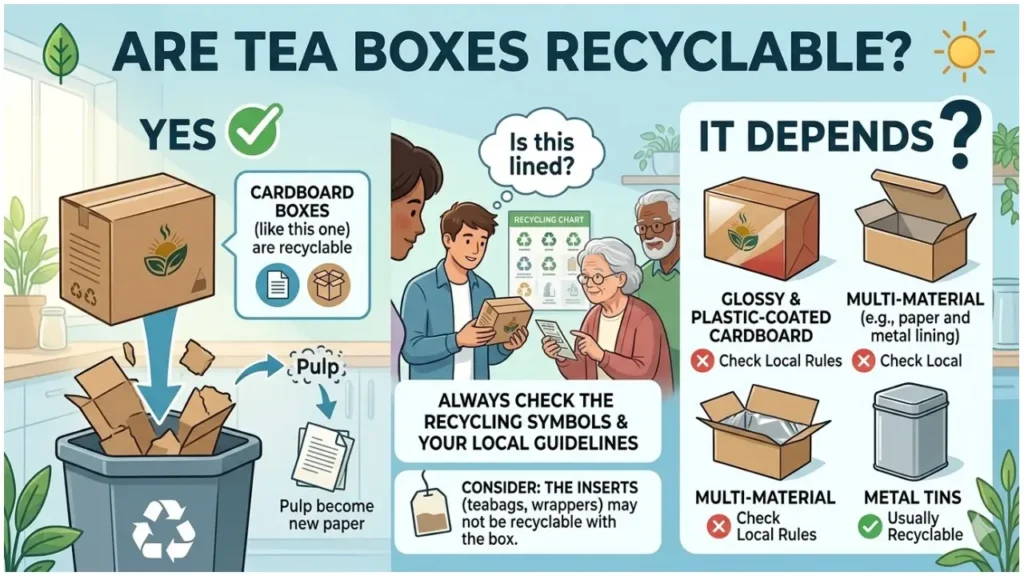
Tea boxes are generally recyclable, but the answer depends on the materials used in their construction. Most tea packaging is made from paperboard, cardboard, or kraft paper, which can be recycled through standard paper recycling programs. However, coatings, plastic windows, foil linings, adhesives, and other specialty components may affect recyclability and require additional sorting before disposal.
As sustainability becomes increasingly important, many tea brands are adopting environmentally friendly packaging materials that support recycling and waste reduction efforts. Understanding which parts of a tea box can be recycled helps consumers make responsible disposal decisions and contributes to a more sustainable packaging lifecycle while reducing the amount of waste sent to landfills.
Most Cardboard Tea Boxes Are Recyclable
Cardboard tea boxes are among the easiest packaging materials to recycle because they are primarily made from paper fibers. Most municipal recycling programs accept clean cardboard packaging, allowing the fibers to be processed and reused in the production of new paper-based products.
Before recycling, consumers should remove any non-paper components such as plastic inserts, ribbons, or metal attachments. Keeping cardboard boxes clean and free from food residue or excessive moisture helps improve recycling efficiency and ensures the material can be successfully repurposed.
Kraft Tea Boxes Are Environmentally Friendly
Kraft paper tea boxes are highly recyclable and are often considered one of the most sustainable packaging options available. Made from natural wood pulp, kraft paper retains strong fibers that can be recycled multiple times while maintaining good material quality.
Because kraft packaging typically contains fewer coatings and chemical treatments than other packaging materials, recycling facilities can process it more efficiently. Its biodegradable nature also provides an additional environmental benefit when proper recycling facilities are unavailable.
Plastic Windows May Require Separation
Many tea boxes include transparent plastic windows that allow customers to view the product inside. While these windows enhance product presentation, they can complicate the recycling process because plastic and paper materials are often processed separately.
Consumers should remove plastic windows whenever possible before placing the paper portion into recycling bins. Separating mixed materials helps recycling facilities recover valuable resources more effectively and reduces contamination within paper recycling streams.
Foil-Lined Tea Boxes Are More Difficult to Recycle
Some premium tea packaging includes foil linings to provide enhanced protection against moisture, oxygen, and light. While these layers help preserve tea freshness, they often make recycling more challenging because paper and foil materials are bonded together.
In many regions, foil-lined packaging cannot be processed through standard paper recycling systems. Consumers should check local recycling guidelines to determine whether specialized facilities are available for handling composite packaging materials.

Printed and Coated Tea Boxes May Have Restrictions
Modern tea boxes often feature glossy coatings, laminations, and decorative finishes designed to improve appearance and durability. While many printed boxes remain recyclable, certain coatings and laminates can reduce recycling efficiency or require specialized processing methods.
Water-based coatings are generally more recycling-friendly than plastic laminations. Choosing tea packaging with minimal coatings and sustainable finishing methods can improve recyclability and support environmentally responsible packaging practices.
Recycling Tea Boxes Helps Reduce Waste
Recycling tea boxes helps conserve natural resources, reduce landfill waste, and lower the environmental impact associated with producing new packaging materials. Recovered paper fibers can be reused in various products, decreasing the demand for virgin raw materials and reducing energy consumption.
By properly sorting tea packaging materials and following local recycling guidelines, consumers can contribute to a circular economy. Small recycling efforts at the household level collectively create significant environmental benefits and support long-term sustainability goals.
Conclusion
Most tea boxes made from paperboard, cardboard, or kraft materials are recyclable when free from excessive plastic coatings, foil laminations, or contamination. Choosing recyclable packaging helps reduce landfill waste, conserve natural resources, and support circular economy initiatives. Understanding local recycling requirements also ensures packaging is disposed of responsibly and efficiently.
Businesses that prioritize recyclable tea packaging demonstrate environmental responsibility while appealing to eco-conscious consumers. Sustainable packaging choices can strengthen brand reputation, support corporate sustainability objectives, and contribute to long-term environmental benefits. Selecting materials that balance product protection and recyclability is an important step toward more responsible packaging practices.
If you are looking for sustainable and customizable tea packaging solutions, Letai Packaging offers high-quality wholesale tea box packaging designed to meet both branding and environmental goals. Our tea boxes are available in various recyclable materials, styles, and finishes, helping businesses create attractive packaging while supporting sustainability and enhancing product presentation.

I have honed my expertise in creating high-quality packaging solutions, bringing both innovation and efficiency to the field. I am passionate about delivering exceptional results and contributing to sustainable packaging practices.
- What is a CBD Box? The Ultimate Guide - June 9, 2026
- Bangle Box Ideas: Inspiring Designs for a Clutter-Free Space - June 8, 2026
- What is a Bangle Box? The Ultimate Guide - June 8, 2026
 English
  Español
  Deutsch
  Français
  Italiano
  日本語
日本語  한국어
한국어  Русский
  Português do Brasil
  العربية