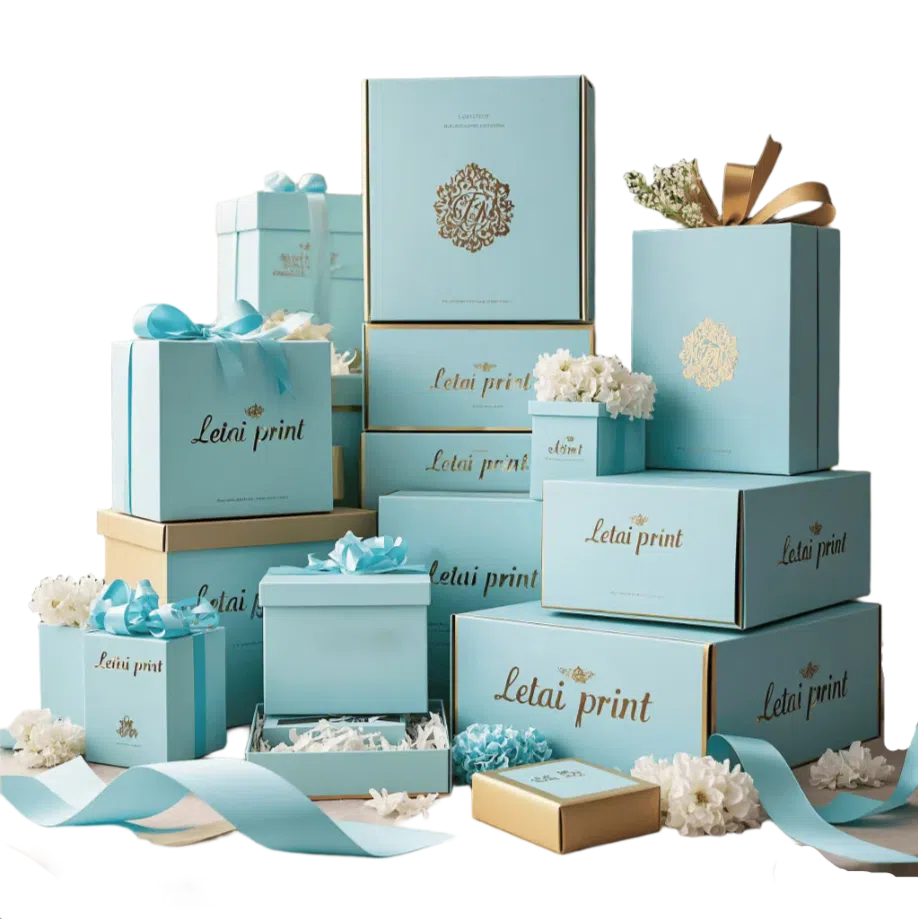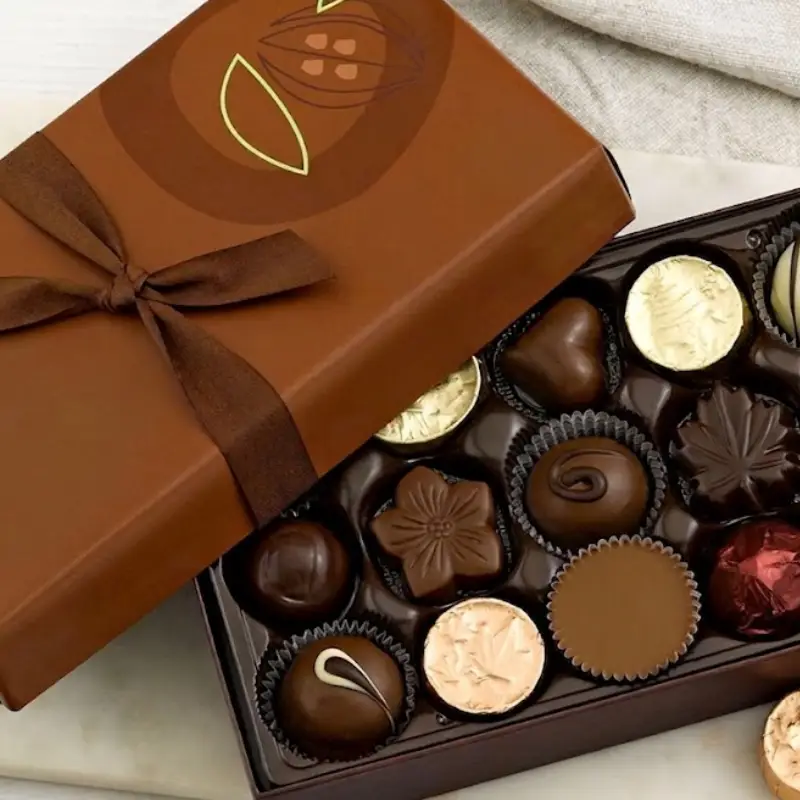
Chocolate packaging plays a vital role in preserving the quality and presentation of the product. The right box can ensure the chocolates stay fresh, while also creating a memorable experience for the consumer. Choosing the right packaging is not just about protection but also about showcasing the brand’s identity.
When selecting chocolate boxes, consider factors like material, design, and functionality. Packaging should reflect the premium nature of the product while also providing ease of handling and storage. Let’s explore the different types of chocolate packaging and how to choose the ideal box to represent your brand.
What is Chocolate Packaging?
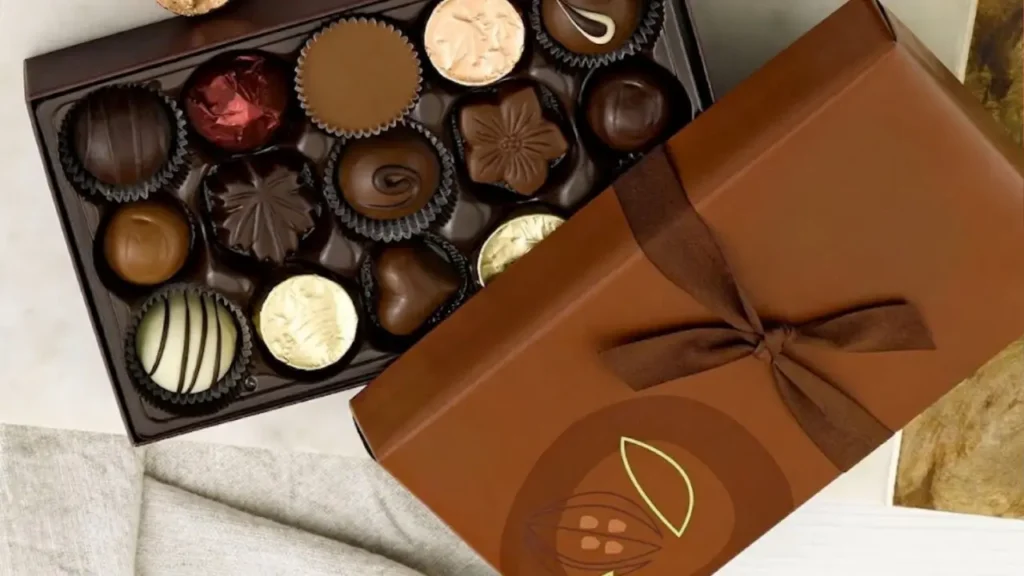
Chocolate packaging refers to the materials and design used to encase and protect chocolate products. It serves to preserve freshness, maintain product quality, and enhance the visual appeal of the brand.
Effective packaging also provides convenience for consumers, ensures the product remains intact during transport, and communicates the brand’s identity through thoughtful design and structure.
Chocolate Packaging Types
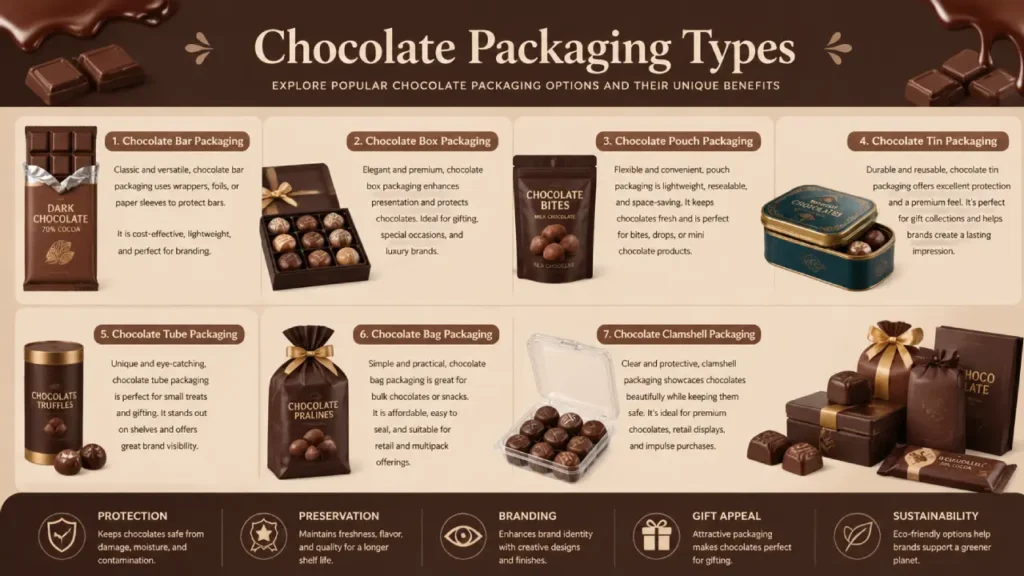
Chocolate packaging plays a crucial role in preserving the product’s quality, ensuring freshness, and enhancing its appeal to consumers. With various options available, brands can choose packaging that aligns with their marketing strategy, product type, and target audience.
Different types of chocolate packaging offer distinct benefits, from protection to visual impact. Here are some popular chocolate packaging types to consider:
Rigid Chocolate Packaging
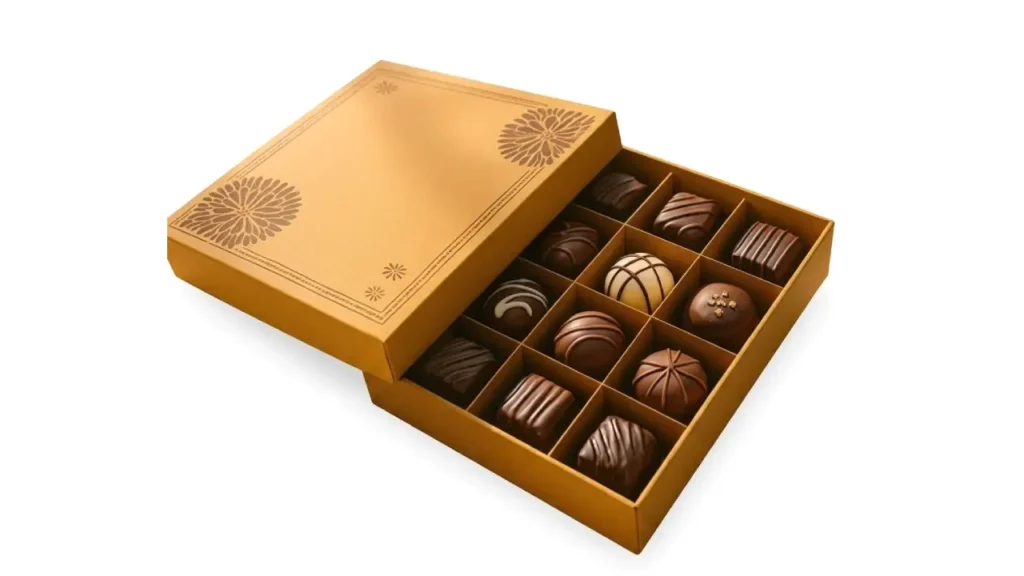
Rigid chocolate packaging offers solid protection, making it a popular choice for premium products. Typically made from materials like cardboard, paperboard, or plastic, these boxes provide a sturdy, reliable enclosure that safeguards chocolates from external damage. The packaging is often designed with intricate graphics and embossing, adding a luxurious touch.
For high-end chocolates, rigid packaging can also enhance the overall presentation. Customizable with various finishes like matte, glossy, or foil stamping, it helps brands create an elegant appeal. The durability ensures chocolates are well-protected during shipping and storage, maintaining the product’s integrity.
Flexible Chocolate Packaging
Flexible chocolate packaging uses materials like foil or plastic films to wrap individual chocolates or bars. This type of packaging is lightweight, cost-effective, and offers an excellent barrier against moisture and air, which helps preserve freshness. Flexible packaging is often used for single-serve chocolates or smaller chocolate products.
Another advantage of flexible chocolate packaging is its adaptability. It can be molded into various shapes and sizes, allowing for creative and innovative designs. It’s also easier to store and transport compared to rigid packaging, making it a preferred choice for bulk packaging or products intended for mass distribution.
Windowed Chocolate Packaging
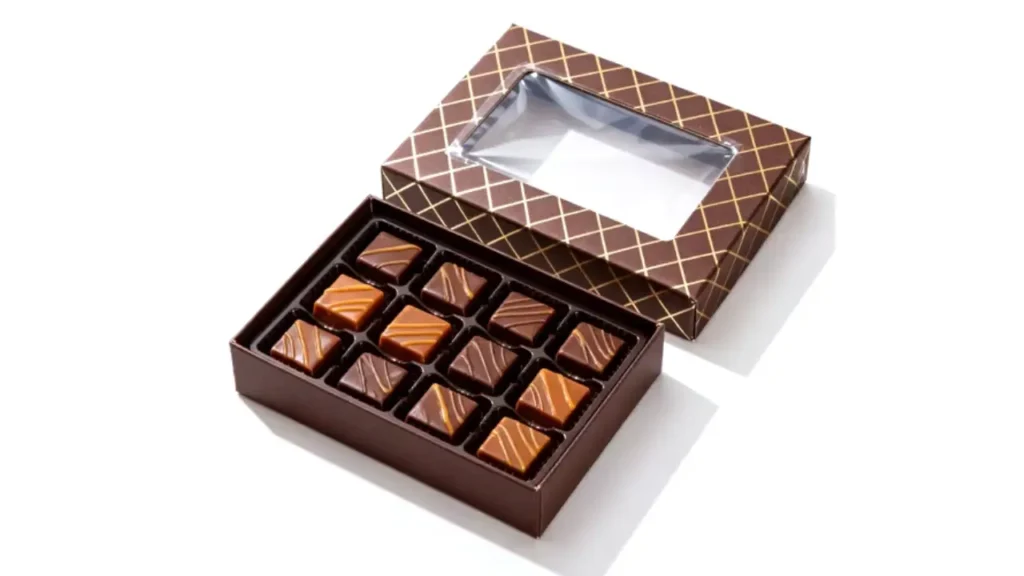
Windowed chocolate packaging combines the protection of rigid packaging with a clear plastic window. This allows customers to view the chocolates inside without opening the box. The transparent section is typically made from PVC or PET, providing an attractive presentation while maintaining the product’s protection.
This type of packaging is often used for gift sets or premium chocolates, where visual appeal is key. The windowed design creates a sense of transparency, which can instill consumer confidence. It also enables the product to stand out on the shelf, offering a sneak peek of the quality inside.
Tin Box Chocolate Packaging
Tin box chocolate packaging offers a durable and reusable option for high-end products. These tins provide excellent protection against external elements while giving the product a premium, collectible feel. Often used for seasonal or limited-edition chocolates, tin boxes can feature intricate designs, making them ideal for gifting.
The versatility of tin packaging also allows for a longer shelf life for the chocolates inside. As an added benefit, consumers often keep the tin boxes after consumption, making it a form of promotional packaging. This helps reinforce brand loyalty and ensures lasting exposure even after the product is gone.
Sachet Chocolate Packaging
Sachet chocolate packaging is typically used for individually wrapped chocolates or smaller servings. Made from flexible materials such as foil or laminated plastic, sachets offer convenience and freshness. They are often sealed with a single chocolate or piece, making them perfect for portion-controlled servings.
Sachet packaging is lightweight, cost-effective, and highly customizable, allowing for easy branding. This type of packaging is particularly popular for on-the-go consumers who prefer individually wrapped portions of chocolate. It also helps maintain freshness for each serving, preventing exposure to air once opened.
Sleeve Chocolate Packaging
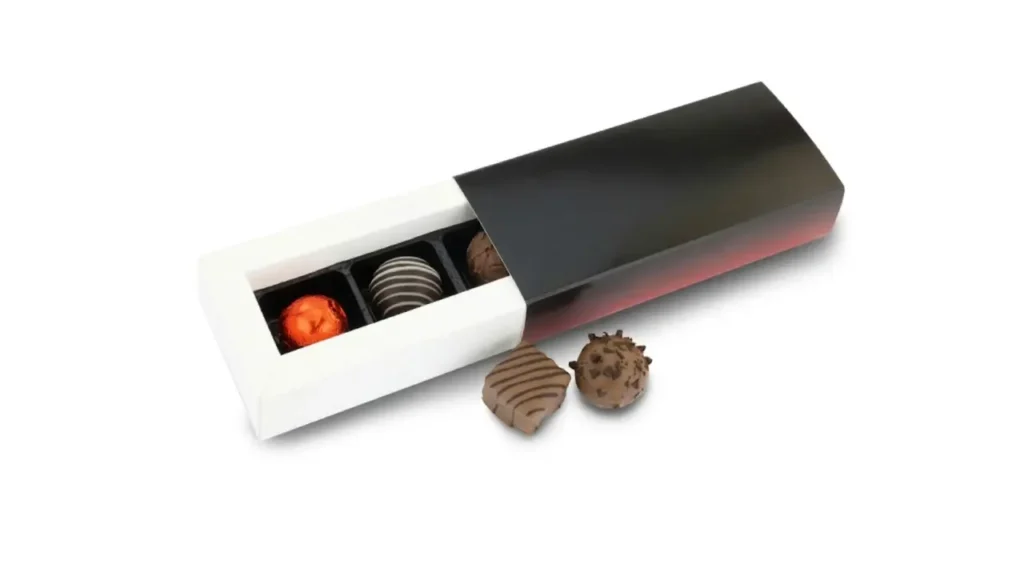
Sleeve chocolate packaging consists of a thin, sleeve-like cover that wraps around the chocolate bar or box. Often made of paper or cardboard, this type of packaging is simple, cost-effective, and eco-friendly. It offers a minimalist yet attractive design, often featuring vibrant colors and logos to catch the consumer’s eye.
The sleeve provides an extra layer of branding and can be easily customized. It also protects the chocolate from external damage, making it ideal for chocolates sold in bulk. Its eco-friendly appeal, due to the use of recyclable materials, aligns with the growing demand for sustainable packaging solutions.
Custom Molded Chocolate Packaging
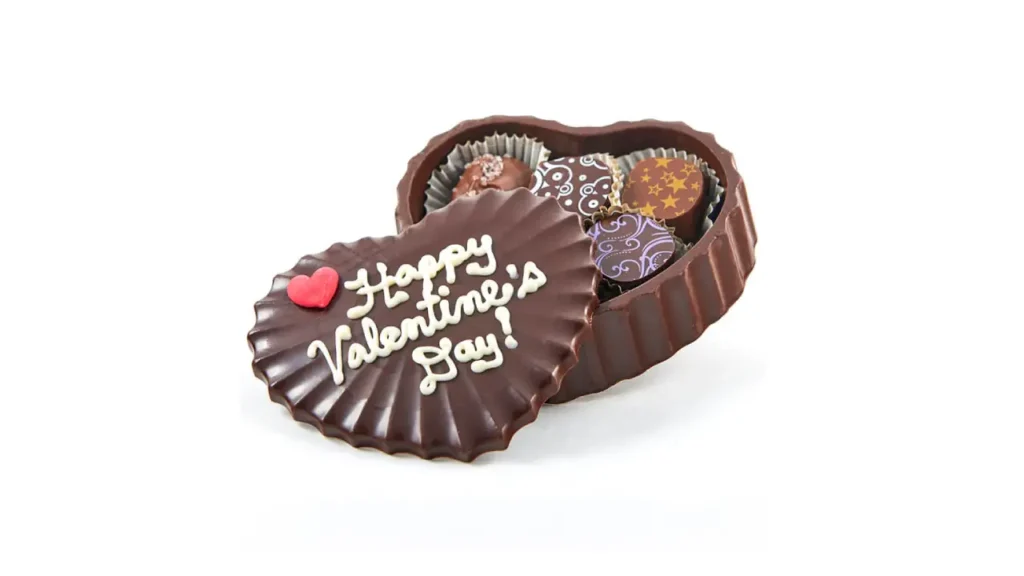
Custom molded chocolate packaging involves creating a unique, often intricate design molded to the shape of the chocolate itself. This type of packaging is used primarily for novelty chocolates or special occasions like holidays or celebrations. Made from materials like plastic or silicone, it offers a tailored fit, ensuring maximum protection and presentation.
Custom molded packaging adds an element of creativity, allowing brands to differentiate themselves in the market. Whether it’s a heart-shaped box for Valentine’s Day or a Christmas-themed design, this type of packaging adds an emotional connection with the consumer, making it a popular choice for gift-worthy chocolates.
Materials Used for Chocolate Packaging
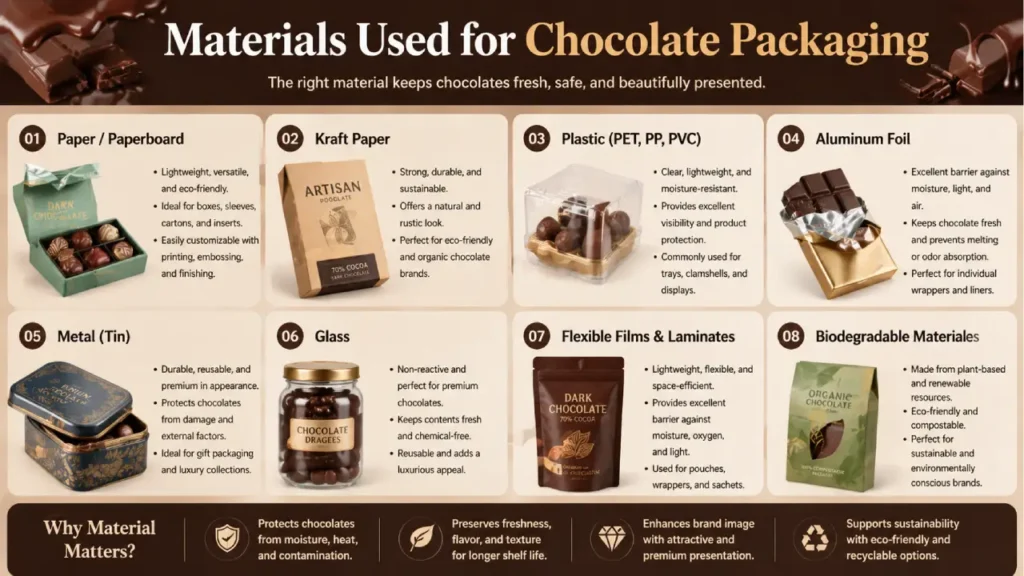
The materials used for chocolate packaging are crucial for ensuring product safety, freshness, and visual appeal. The right material choice can enhance the chocolate’s shelf life, protect it from external elements, and provide a premium presentation. Here are common materials used in chocolate packaging:
- Paper: Often used for wrappers and boxes, paper is versatile, eco-friendly, and customizable. Paper packaging allows for creative designs and branding. It is biodegradable, making it an ideal choice for companies aiming to reduce environmental impact while offering a classic presentation for chocolates.
- Plastic: Widely used for flexible wraps and containers, plastic offers moisture and air resistance. Plastic packaging is durable and protects chocolates from contamination. It can be molded into various shapes and sizes, providing flexibility and ease in mass production, while still keeping products fresh and intact.
- Foil: Foil is commonly used for wrapping chocolates individually or for lining boxes. Foil provides excellent protection from light, air, and moisture, helping to preserve the chocolate’s flavor and texture. It also adds a touch of elegance and luxury, especially for premium chocolates, and enhances the overall unwrapping experience.
- Tin: Used for premium packaging, tin offers durability and a high-end feel. Tin boxes can be reused, making them a sustainable option. They provide superior protection against external elements and enhance the product’s visual appeal, making them ideal for gift sets or seasonal chocolates.
- Glass: Glass containers are often used for luxury chocolate packaging. Glass offers a premium, transparent presentation that allows customers to view the chocolates inside. It provides excellent protection and keeps the chocolates fresh, though it’s generally heavier and more expensive than other materials.
- Cellophane: A biodegradable, transparent plastic used to wrap chocolates. Cellophane is breathable and provides a protective barrier against moisture while being eco-friendly. It can be printed with branding and designs, making it a popular option for chocolates with simple yet attractive packaging.
- Fabric: Often used for gift packaging, fabric bags or pouches provide a unique look. Fabric packaging adds a luxurious touch and is reusable, making it a great choice for high-end or handmade chocolates. It can be custom printed and tied with ribbons to create a beautiful gift-ready product.
How to Choose Suitable Chocolate Packaging?
Choosing the right chocolate packaging is essential for both protecting the product and boosting its appeal. It involves selecting materials, designs, and features that align with your brand and meet consumer needs. Here are key factors to consider when choosing suitable chocolate packaging:
- Product type: Choose packaging based on the type of chocolate, whether bars, truffles, or pralines. The packaging should offer appropriate protection while highlighting the chocolate’s premium quality, whether it’s in a rigid box for luxury or flexible wrap for mass distribution.
- Shelf life and freshness: Packaging should preserve the chocolate’s flavor and texture. Use materials with moisture barriers like foil or plastic films to maintain freshness and prevent spoilage, ensuring chocolates remain intact until consumption.
- Aesthetics and branding: Packaging should reflect your brand’s identity and attract customers. Eye-catching graphics, color schemes, and logos on the packaging can enhance the brand’s appeal and make the product stand out on store shelves.
- Sustainability: Consider the environmental impact of your packaging materials. Opt for eco-friendly options like recyclable or biodegradable materials to appeal to environmentally-conscious consumers and promote your brand’s commitment to sustainability.
- Convenience and functionality: Packaging should be easy to open and reseal if necessary. User-friendly packaging with features like easy-open tabs, resealable zippers, or compact sizes can make the product more appealing to consumers looking for convenience.
Conclusion
Selecting the right chocolate packaging is essential for preserving freshness, attracting customers, and enhancing your brand’s image. From classic boxes to creative wraps, the options are endless. Always ensure your packaging aligns with your brand and provides both aesthetic appeal and functionality.
When considering your packaging options, it’s crucial to choose one that offers both quality and durability. This ensures that your chocolates reach customers in perfect condition and create a lasting impression. Don’t overlook the importance of packaging in your marketing strategy.
For wholesale chocolate packaging, look no further than Letai Packaging. We offer a wide range of customizable options to meet your needs, helping you stand out in the competitive chocolate market while ensuring your products remain protected and beautifully presented.

I have honed my expertise in creating high-quality packaging solutions, bringing both innovation and efficiency to the field. I am passionate about delivering exceptional results and contributing to sustainable packaging practices.
- What is a CBD Box? The Ultimate Guide - June 9, 2026
- Bangle Box Ideas: Inspiring Designs for a Clutter-Free Space - June 8, 2026
- What is a Bangle Box? The Ultimate Guide - June 8, 2026
 English
  Español
  Deutsch
  Français
  Italiano
  日本語
日本語  한국어
한국어  Русский
  Português do Brasil
  العربية