
Electronics packaging design plays a key role in protecting sensitive devices during storage, shipping, and retail display. As technology advances, brands are shifting toward sustainable packaging solutions that reduce environmental impact while maintaining strong protection. Smart design choices help balance durability, cost efficiency, and eco-friendly materials for modern electronics products.
Sustainable solutions in electronics packaging focus on recyclable materials, reduced plastic use, and improved structural design. These innovations not only safeguard delicate components but also support global environmental goals. By combining functionality with responsible material selection, companies can create packaging that enhances product value and strengthens brand reputation in competitive markets.
What is Electronics Packaging?
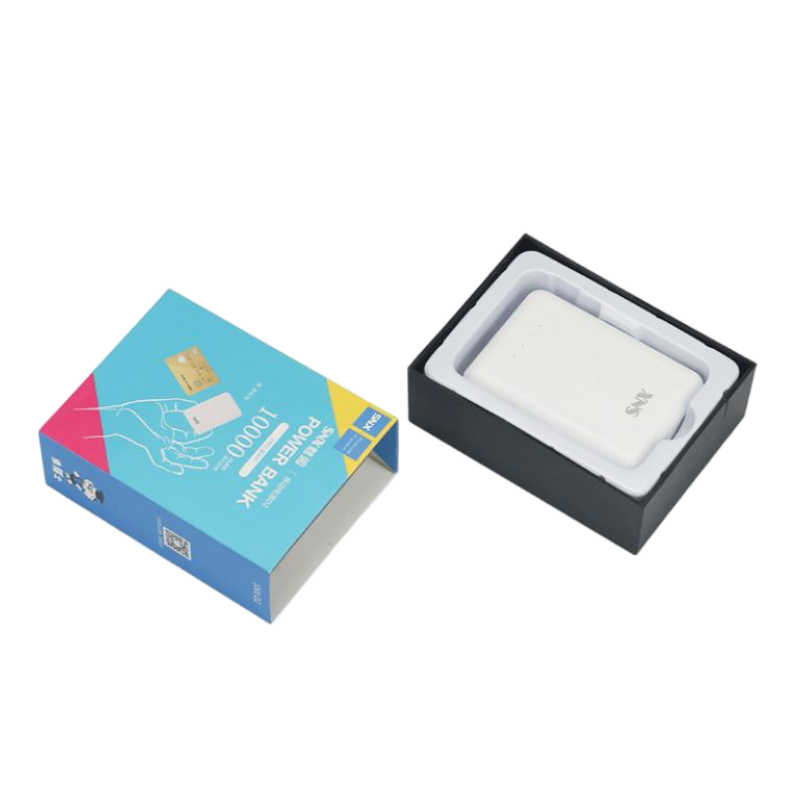
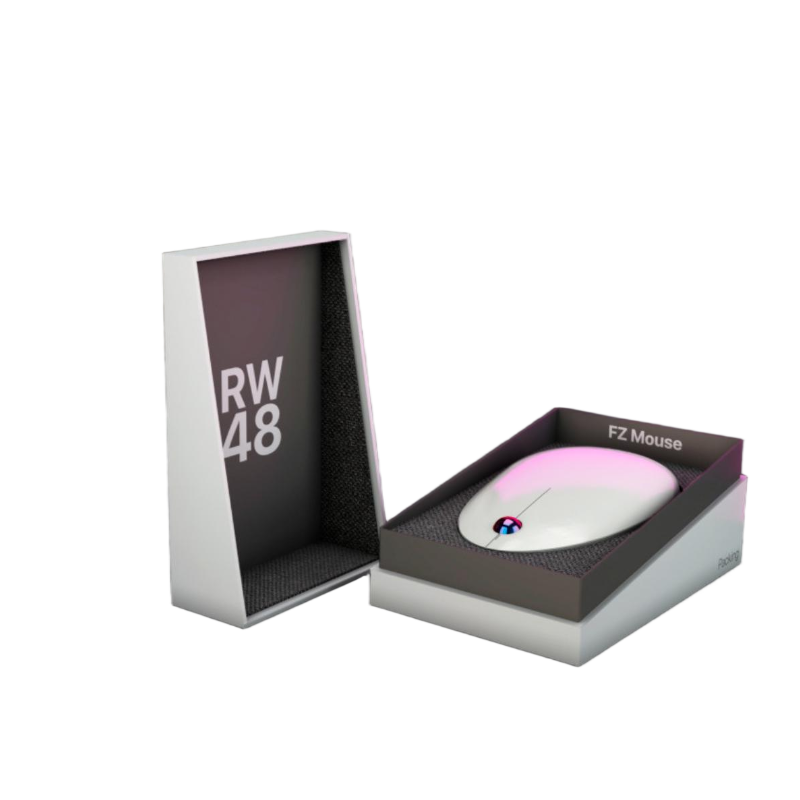
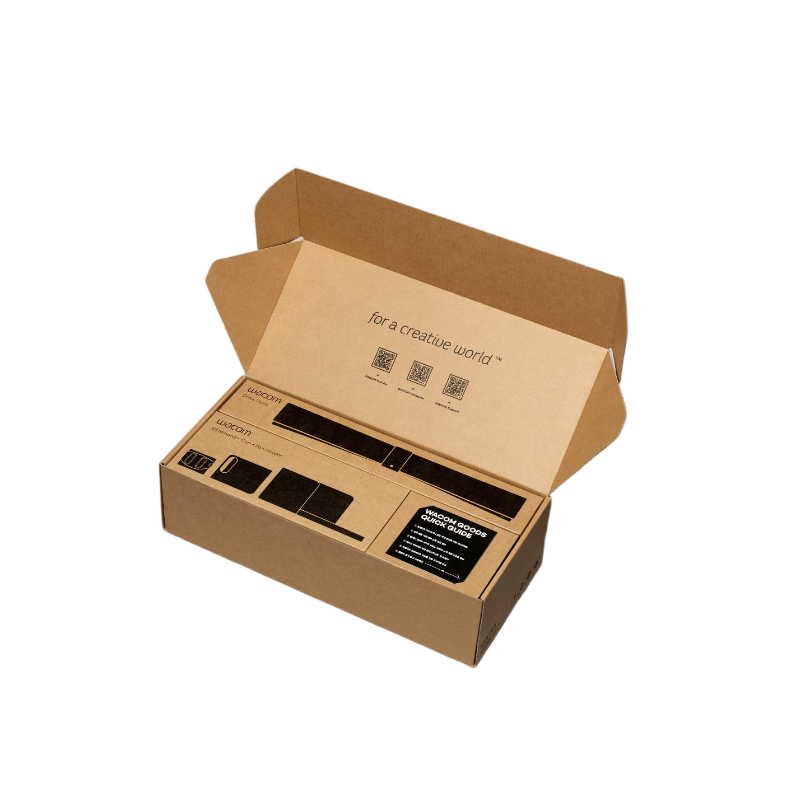
Electronics packaging refers to the design and materials used to protect electronic devices and components during storage, transportation, and retail display. The electronics box packaging ensures safety from shock, moisture, dust, and static damage.
Good electronics packaging also improves product presentation and user experience. Common solutions include boxes, trays, and anti-static materials tailored to different electronic product types and sizes.
Electronics Packaging Design Considerations

Electronics packaging design requires careful planning to ensure product safety, functionality, and visual appeal. Since electronic devices are sensitive to shock, moisture, and static electricity, packaging must be both protective and efficient. Designers also need to balance cost, sustainability, and branding to create packaging that performs well throughout shipping, storage, and retail display environments.
- Protection And Durability: Electronics packaging must protect devices from impact, vibration, and external pressure during transportation and handling. Strong materials like corrugated cardboard, rigid boxes, and molded inserts are commonly used. Proper cushioning design reduces damage risk, ensures product integrity, and helps maintain customer satisfaction by delivering devices in perfect working condition every time.
- Material Selection: Choosing the right packaging materials is essential for electronics safety and sustainability. Anti-static materials, foam inserts, and moisture-resistant coatings are often required. Designers must also consider recyclable and eco-friendly options. Good material selection ensures both product protection and environmental responsibility while maintaining cost efficiency for large-scale manufacturing and global distribution.
- Size And Fit: Proper sizing ensures electronic devices remain stable inside the packaging without unnecessary movement. A precise fit reduces the need for excessive fillers and improves shipping efficiency. Well-measured packaging also enhances presentation quality and reduces waste, helping brands create a more professional and environmentally conscious packaging solution for different electronic products.
- Branding And Visual Design: Electronics packaging is also a powerful branding tool that influences customer perception. Clean layouts, clear typography, and modern design styles help communicate product quality. High-end finishes like embossing, matte coating, or foil stamping can elevate appearance, making packaging more attractive and helping products stand out in competitive retail environments.
- Sustainability Considerations: Modern electronics packaging design increasingly focuses on reducing environmental impact. Using recyclable materials, minimizing plastic use, and optimizing packaging size all contribute to sustainability. Eco-friendly packaging not only supports environmental goals but also enhances brand reputation, appealing to consumers who prefer responsible and green product choices in the electronics market.
Electronics Packaging Ideas

Electronics packaging ideas are evolving quickly as brands focus on better protection, stronger branding, and more sustainable solutions. Modern packaging is no longer just a container—it plays a key role in customer experience, product safety, and market appeal.
From minimal designs to smart connected features, innovative packaging helps electronics companies stand out in a highly competitive global industry.
Smart Minimal Electronics Packaging Design
Modern brands are moving toward clean, minimal packaging styles that highlight simplicity and function. This approach reduces unnecessary materials while focusing on clear product presentation. Minimal designs often use neutral colors, simple typography, and compact structures that reflect the tech-driven nature of electronics. It also helps reduce production costs and supports sustainability goals.
This style improves customer experience by making packaging easier to open and recycle. It also creates a premium, modern feel that appeals to younger consumers. Many electronics companies use minimal design to emphasize product innovation rather than overly decorative packaging, helping their devices stand out in a crowded and competitive market.
Eco Friendly Recyclable Electronics Packaging
Eco friendly packaging has become a major trend in the electronics industry as brands aim to reduce environmental impact. Recyclable paper, biodegradable materials, and plastic-free designs are widely used. This packaging style supports global sustainability goals while maintaining strong protection for sensitive electronic devices during shipping and handling.
In addition to environmental benefits, eco friendly packaging enhances brand reputation. Customers increasingly prefer companies that use responsible materials. By combining durability with recyclable structures, brands can deliver safe packaging while showing commitment to sustainability, which helps build long-term trust and loyalty in the electronics market.
Premium Rigid Box Electronics Packaging
Rigid box packaging is widely used for high-end electronics such as smartphones, headphones, and smart devices. It provides strong protection and a luxury unboxing experience. These boxes are often combined with foam inserts or magnetic closures to keep products secure while improving presentation quality.
The premium feel of rigid packaging helps elevate brand perception and product value. Many companies use matte finishes, embossing, or foil stamping to enhance visual appeal. This type of packaging is especially popular for flagship products where branding and customer experience are just as important as protection.
Anti Static Protective Electronics Packaging
Anti static packaging is essential for sensitive electronic components that can be damaged by electrostatic discharge. Materials such as anti static foam, bags, and inserts help protect circuits and internal parts. This type of packaging is commonly used for computer parts, chips, and industrial electronic devices.
It ensures safe transportation and storage by minimizing electrical risks. Manufacturers rely on anti static solutions to maintain product quality and reduce return rates. This packaging style is especially important in technical industries where even small static damage can cause major performance failures.
Modular Insert Electronics Packaging
Modular insert packaging uses customizable compartments to hold different electronic components securely in place. It is ideal for products with multiple parts such as gadgets, accessories, or kits. These inserts can be made from molded pulp, foam, or cardboard, depending on protection needs.
This design improves organization and prevents movement during shipping. It also enhances the unboxing experience by presenting each component neatly. Modular packaging is becoming popular because it combines protection, efficiency, and flexibility for a wide range of electronic products.
Smart Connected Electronics Packaging
Smart packaging integrates digital features such as QR codes, NFC tags, or augmented reality elements. These allow customers to access product information, setup guides, or warranty registration instantly. This trend is growing in consumer electronics as brands aim to enhance user interaction beyond the physical box.
It also helps companies track products and provide better after-sales support. Smart packaging creates a more interactive and engaging customer experience while adding value to the product. It represents the future of electronics packaging by combining physical design with digital technology.
How to Design Your Electronics Packaging?
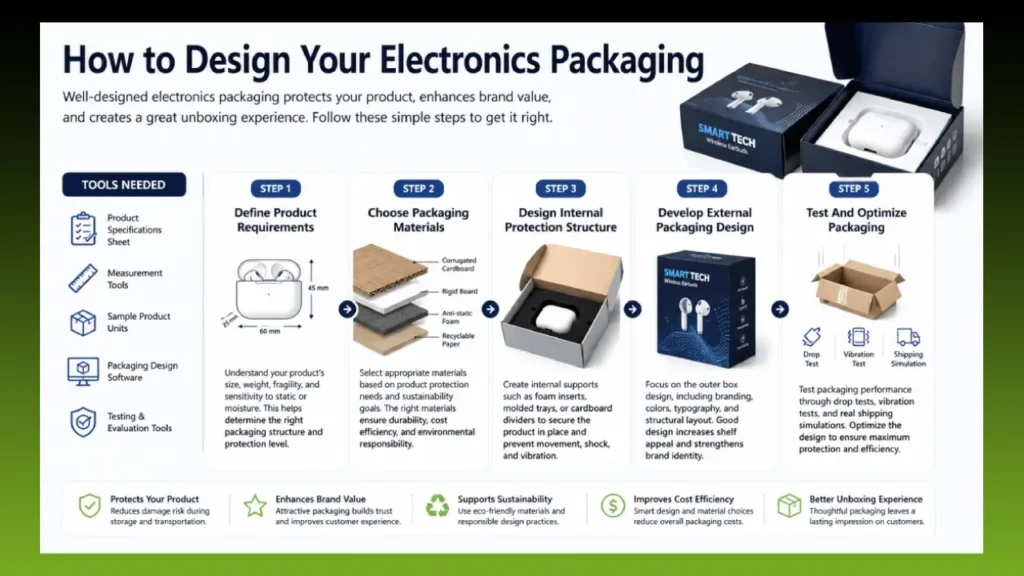
Designing electronics packaging requires a balance of protection, functionality, and visual appeal. Since electronic products are sensitive to impact, static, and moisture, every detail in the packaging process matters.
A well-planned design improves product safety during shipping, enhances customer experience, and strengthens brand identity in a competitive electronics market.
Step 1: Define Product Requirements
Tools Needed:
- Product specifications sheet
- Measurement tools
- Sample product units
Step 1 Define Product Requirements
Start by understanding the electronic product’s size, weight, fragility, and sensitivity to static or moisture. This helps determine the right packaging structure and protection level. Clear product requirements ensure the packaging design supports safe transportation, efficient storage, and proper presentation while reducing unnecessary material usage and overall production costs.
Step 2: Choose Packaging Materials
Select appropriate materials based on product protection needs and sustainability goals. Common choices include corrugated cardboard, rigid board, anti static foam, and recyclable paper materials. Material selection directly affects durability, cost, and environmental impact, ensuring the packaging can protect sensitive electronic components while still meeting modern eco friendly expectations.
Step 3: Design Internal Protection Structure
Create internal supports such as foam inserts, molded trays, or cardboard dividers to secure the product in place. This step prevents movement, shock damage, and vibration during shipping. A well designed internal structure improves product safety, enhances unboxing experience, and ensures electronics arrive in perfect condition to the end customer.
Step 4: Develop External Packaging Design
Focus on the outer box design, including branding, colors, typography, and structural layout. The exterior should reflect brand identity while remaining functional and durable. Good visual design increases shelf appeal, builds customer trust, and helps differentiate the product in a competitive electronics market where presentation plays a key role.
Step 5: Test And Optimize Packaging
Test packaging performance through drop tests, vibration tests, and real shipping simulations. Identify weak points and improve structural design or material choices accordingly. Continuous optimization ensures packaging reliability, reduces product damage risks, and enhances overall efficiency, helping brands deliver safe electronics packaging at scale.
Conclusion
Electronics packaging design is no longer just about protection—it is also about sustainability, efficiency, and brand responsibility. Businesses that adopt eco-friendly materials and smart structural designs can reduce waste while improving customer experience. Sustainable packaging helps electronics brands meet environmental standards and build long-term trust with global consumers in competitive industries.
Choosing the right packaging partner is essential for achieving both performance and sustainability goals. High-quality materials, precise engineering, and customizable designs ensure electronics are safely protected during transport and handling. At the same time, eco-conscious solutions allow brands to reduce their carbon footprint without compromising on product presentation or durability.
For businesses looking to upgrade their packaging strategy, Letai Packaging offers professional wholesale custom electronics packaging solutions. From sustainable material options to tailored structural designs, Letai Packaging helps brands create packaging that is both protective and environmentally responsible. Partnering with Letai ensures better product safety, stronger branding, and long-term packaging efficiency.

I have honed my expertise in creating high-quality packaging solutions, bringing both innovation and efficiency to the field. I am passionate about delivering exceptional results and contributing to sustainable packaging practices.
- What is a CBD Box? The Ultimate Guide - June 9, 2026
- Bangle Box Ideas: Inspiring Designs for a Clutter-Free Space - June 8, 2026
- What is a Bangle Box? The Ultimate Guide - June 8, 2026
 English
  Español
  Deutsch
  Français
  Italiano
  日本語
日本語  한국어
한국어  Русский
  Português do Brasil
  العربية