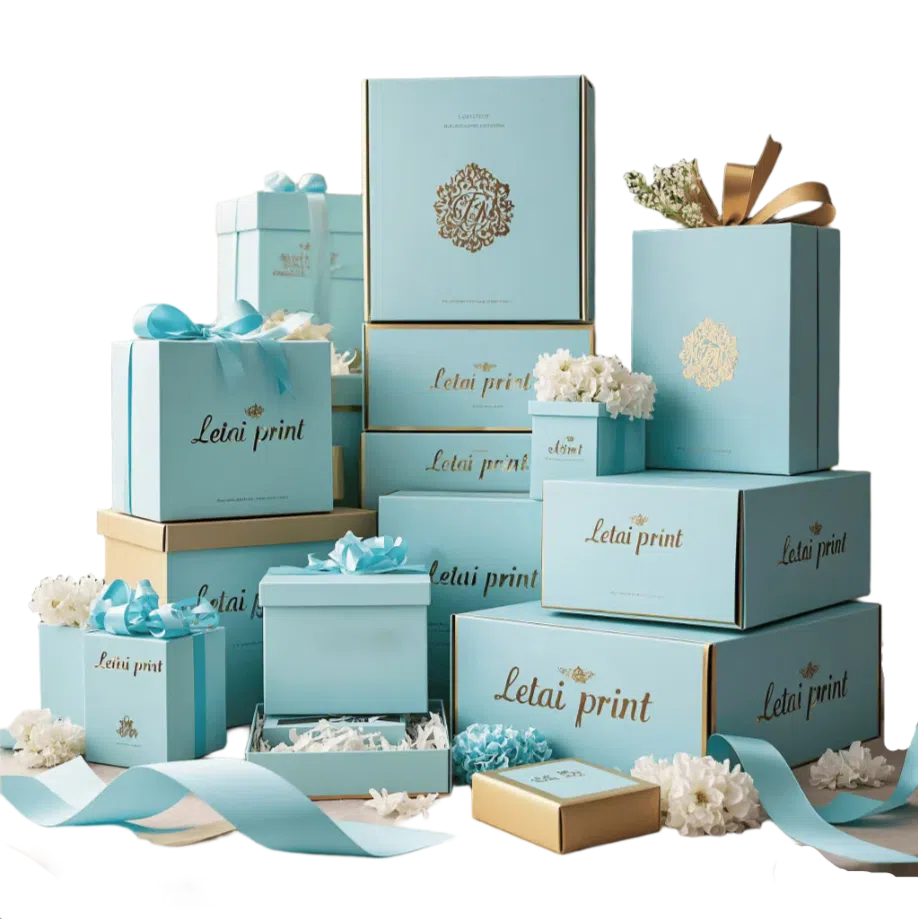
The flexographic printing process has revolutionized the packaging industry with its ability to deliver high-quality prints at speed. As an efficient and versatile printing method, it’s ideal for producing packaging materials such as labels, cartons, and flexible films. This blog explores the benefits and key applications of flexographic printing in packaging.
Flexographic printing offers a range of advantages, including faster production times and cost-effectiveness. It can print on a wide variety of materials, making it perfect for brands that need flexibility and durability. By understanding its benefits and applications, you can make informed decisions on how to integrate this process into your packaging strategy.
What is Flexographic Printing?
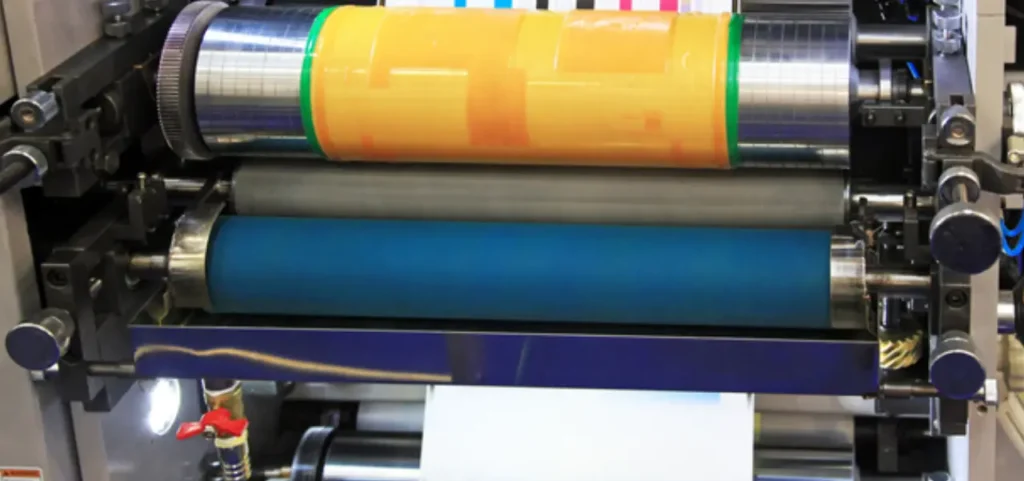
Flexographic printing is a modern, high-speed printing process that uses flexible relief plates to transfer ink onto various materials. It’s known for its versatility, allowing it to print on a wide range of substrates, including paper, plastic, foil, and film. This process is particularly popular in packaging, as it can handle large volumes while maintaining high-quality prints.
The key advantage of flexographic printing is its ability to deliver fast, cost-effective production with vibrant colors and sharp details. It’s ideal for high-volume runs of products like labels, corrugated boxes, and flexible packaging. Flexo presses can print both simple and complex designs, making it a preferred choice for packaging applications across industries like food, beverage, and retail.
Flexographic Printing Process

Flexographic printing is a fast, versatile process used for printing on a variety of materials, especially in packaging. It uses flexible relief plates and is known for its high-speed capabilities, cost-efficiency, and ability to produce vibrant, detailed prints.
Here are some essential steps involved in the flexographic printing process.
Step 1: Plate Preparation
The flexographic process begins with creating custom flexible relief plates. These plates, made of photopolymer or rubber, are prepared with the design image, either through light exposure or laser engraving. The plate’s raised surface will transfer ink onto the substrate, ensuring the design is printed with accuracy and clarity.
The prepared plates are then mounted onto cylinders on the press. The quality of the plate preparation directly influences the print’s clarity and precision. This step is essential for ensuring high-quality output across long production runs.
Step 2: Ink Application
In the next step, ink is applied to the printing plate using an anilox roller. The anilox roller, engraved with microscopic cells, picks up ink from the ink fountain and transfers it onto the raised areas of the plate. This ensures an even and controlled distribution of ink across the design.
The ink used in flexographic printing is usually quick-drying, allowing for faster production. Once applied to the plate, the ink is ready to be transferred to the substrate in the next step of the process, ensuring vibrant and consistent prints.
Step 3: Printing Process
In this step, the inked plate is brought into contact with the substrate. As the printing press operates in a rotary motion, the inked plate continuously presses against the material, transferring the design. Flexographic presses can print on a wide variety of substrates, from paper and plastic to metal foils and films.
The efficiency of the printing process is largely determined by the press’s speed and the accurate alignment of plates. It ensures that the design is transferred cleanly and consistently onto the material, whether for packaging, labels, or other printed products.
Step 4: Drying or Curing
After the ink is transferred, it needs to be dried or cured to prevent smudging and ensure a durable print. Drying systems like hot air or UV curing are used, depending on the type of ink. This rapid drying process helps speed up production, especially in large runs of printed materials.
Effective drying or curing is essential for maintaining print quality, particularly for substrates that are sensitive to ink smearing or scuffing. It also ensures that the printed products are ready for further handling, packaging, or distribution without compromising quality.
Step 5: Finishing and Inspection
After drying, the printed material undergoes finishing steps, which may include cutting, laminating, or embossing. These processes further refine the product, ensuring it meets the desired specifications and quality standards. The final step is thorough inspection, where the printed material is checked for consistency, color accuracy, and defects before it is packaged for shipment.
Quality control in this step is crucial to maintain high standards and avoid rework. Inspection ensures that any issues are identified and resolved before the final product reaches the customer, ensuring prints for packaging or labeling.
Flexographic Printing Technology

Flexographic printing technology is a fast, versatile, and efficient printing method widely used in packaging, labels, and other materials. It employs flexible relief plates and offers high-speed, high-quality results on a variety of substrates.
Here are key elements that make flexographic printing a preferred choice in modern printing.
- Flexibility with Substrates: Flexographic printing can print on a wide range of materials, including paper, plastic, film, and foil. This versatility makes it ideal for producing packaging for food, beverages, and consumer goods. Whether the material is porous or non-porous, flexo printing adapts easily to various surfaces, offering high-quality prints.
- High-Speed Production: One of the most significant advantages of flexographic printing is its ability to print at high speeds. This makes it suitable for large production runs, ensuring fast turnaround times for packaging and labeling. The speed also reduces production costs, making it an efficient option for manufacturers with tight deadlines.
- Cost-Effective for Large Runs: Flexographic printing technology is highly cost-effective for long production runs. Due to its high-speed capabilities, it’s ideal for businesses that require large volumes of printed materials. Once the setup is done, the cost per unit decreases significantly, making it an economical choice for packaging companies needing mass production.
- Advanced Ink Systems: Flexographic printers use an advanced ink system, often with water-based, solvent-based, or UV inks. These inks dry quickly, making them perfect for high-speed printing. The quick-drying nature of flexo inks allows for rapid production without compromising print quality. Additionally, flexographic inks are eco-friendly, meeting sustainability standards.
- Precision and Quality: Despite its speed, flexographic printing maintains a high level of precision and print quality. The printing plates’ detailed engraving ensures sharp, clean prints on even intricate designs. Whether printing fine lines, solid colors, or gradients, flexographic printing technology delivers exceptional results, making it suitable for a variety of applications.
Flexographic Printing vs Offset

Both flexographic and offset printing are popular methods for high-quality prints, but they differ in technology, application, and advantages. Understanding the key differences between these two processes can help businesses choose the right one based on their needs, whether for packaging, commercial printing, or specialized applications.
- Printing Process: Flexographic printing uses flexible relief plates that transfer ink onto the substrate, while offset printing relies on metal plates and rollers to transfer ink to an intermediary surface before applying it to the material. Flexo is ideal for packaging, while offset is commonly used for commercial printing like brochures and books.
- Speed and Efficiency: Flexographic printing is known for its high-speed capabilities, making it ideal for large production runs. The fast drying of inks helps ensure quick turnarounds, whereas offset printing typically works slower, especially for projects requiring high color accuracy or fine details. Flexo is more efficient for packaging, and offset is suitable for small to medium runs.
- Print Quality: Offset printing is often preferred for its superior quality, especially in detailed images, fine text, and sharp colors. It excels in producing high-quality prints for marketing materials and photography. Flexographic printing, while highly efficient, may not match offset in terms of fine details, but it’s effective for larger prints and packaging designs.
- Cost-Effectiveness: For large runs, flexographic printing is typically more cost-effective due to its high-speed nature. It reduces setup time and ink costs, especially for packaging materials. Offset printing, while offering superior quality, may have higher initial setup costs and is more suitable for small to medium-sized print runs where quality is prioritized.
- Material Versatility: Flexographic printing offers greater versatility when printing on various substrates, such as plastic, film, foil, and paper. It’s commonly used for packaging, labels, and flexible materials. In contrast, offset printing is best suited for paper-based materials like brochures, books, and magazines, making it less adaptable to non-paper substrates.
Flexographic Printing Applications
Flexographic printing is a versatile and efficient method used across various industries, especially in packaging and labeling. With its ability to print on a wide range of materials, it has become the go-to choice for many types of printing applications, offering fast production results.
- Packaging: Flexographic printing is widely used for packaging materials such as corrugated boxes, flexible films, and pouches. It’s ideal for high-volume production, offering flexibility in printing on materials like plastic, paper, and foil. This makes it perfect for packaging food, beverages, and consumer goods, ensuring vibrant, durable prints.
- Labels: Flexographic printing is commonly used for creating product labels, including those for bottles, jars, and cans. It’s capable of printing on various materials, such as paper, plastic, and foil. With fast-drying inks, flexo ensures high-quality label printing with vibrant colors and fine details, even on complex designs.
- Flexible Packaging: Flexographic printing excels in flexible packaging applications, including wraps, pouches, and shrink sleeves. It offers a high level of precision and speed, making it ideal for companies needing to print large volumes of packaging. This versatility allows it to print complex designs on thin, flexible materials without compromising quality.
- Food and Beverage Packaging: Flexo is extensively used in food and beverage packaging due to its ability to print on a variety of substrates, including films, paper, and foil. The quick-drying ink used in flexo ensures that food packaging remains crisp and vibrant, while also meeting health and safety standards for product packaging.
- Newspapers and Magazines: While flexographic printing is primarily known for packaging, it is also used in printing newspapers and magazines, especially for high-volume runs. Flexo’s ability to print on large rolls of paper and deliver quality results at high speed makes it ideal for producing bulk publications with clear, sharp images and text.
Conclusion
The flexographic printing process is a valuable tool in the packaging industry, providing both quality and efficiency. With its ability to print on diverse materials, it’s well-suited for packaging needs across multiple sectors. As consumer demand for affordable packaging grows, flexo printing becomes an increasingly important solution.
For businesses looking to enhance their packaging, working with a trusted supplier can ensure the best results. Letai Packaging offers wholesale custom packaging solutions, helping you create unique and functional designs that align with your brand’s needs. Our expert team can guide you through the process, ensuring you get the most effective and cost-efficient packaging.
Whether you’re just starting or looking to upgrade your packaging strategy, Letai Packaging is here to help. Explore our range of options and find the ideal flexographic printing solutions for your products. Letai Packaging can provide the expertise and customization needed to make your brand stand out on the shelves.

I have honed my expertise in creating high-quality packaging solutions, bringing both innovation and efficiency to the field. I am passionate about delivering exceptional results and contributing to sustainable packaging practices.
- What is a CBD Box? The Ultimate Guide - June 9, 2026
- Bangle Box Ideas: Inspiring Designs for a Clutter-Free Space - June 8, 2026
- What is a Bangle Box? The Ultimate Guide - June 8, 2026
 English
  Español
  Deutsch
  Français
  Italiano
  日本語
日本語  한국어
한국어  Русский
  Português do Brasil
  العربية