Corrugated boxes are essential packaging solutions used across industries for shipping, storage, and protection of goods. Understanding how corrugated boxes are made helps businesses choose better packaging options. This process involves combining paper layers, fluting adhesives to create strong, lightweight, and cost-effective packaging materials for everyday industrial and commercial use.
The manufacturing of corrugated boxes is a precise process that transforms raw paper into durable packaging materials. From corrugating medium to linerboard bonding, each step ensures strength and flexibility. These boxes are widely used in logistics, retail, and e-commerce industries for safe and efficient product transportation worldwide today applications globally.
What are Corrugated Boxes?
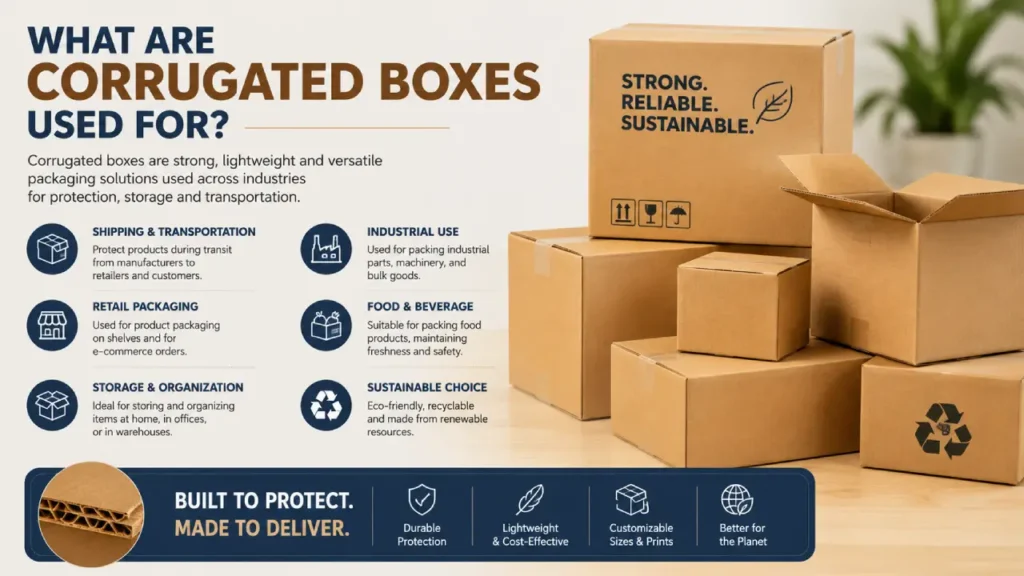
Corrugated boxes are packaging containers made from fluted corrugated sheet sandwiched between linerboards. They are designed to provide strength, cushioning, and durability while remaining lightweight and cost-effective. Widely used across industries, these boxes protect products during storage and transportation.
Their recyclable nature also makes them an environmentally friendly packaging choice for modern supply chains worldwide and global logistics systems efficiently.
Uses Of Corrugated Boxes
- Shipping Protection: Corrugated boxes are widely used to protect goods during transit. Their fluted structure absorbs shocks and vibrations, reducing damage risks. They are ideal for fragile and heavy items, ensuring products arrive safely businesses rely on them for secure logistics operations across domestic international delivery networks.
- E-Commerce Packaging: Corrugated boxes are essential for online retail shipments, providing lightweight yet strong protection for products. They help brands deliver items safely to customers while maintaining cost efficiency. Their customizable sizes and branding options make them a preferred choice for e-commerce businesses globally across global markets today.
- Storage Organization: Corrugated boxes provide an efficient solution for organizing and storing goods in warehouses and homes. Their stackable design saves space and improves inventory management. Durable and reusable, they help keep products protected from dust and damage while ensuring easy labeling and handling for better operational efficiency.
- Industrial Transport: Corrugated boxes are widely used in industrial supply chains for transporting heavy or bulk goods. Their strength and durability ensure product safety during long-distance shipping. They support efficient logistics operations, reduce breakage, and offer cost-effective packaging solutions for manufacturers and distributors across various sectors industries.
How Corrugated Boxes Are Made?
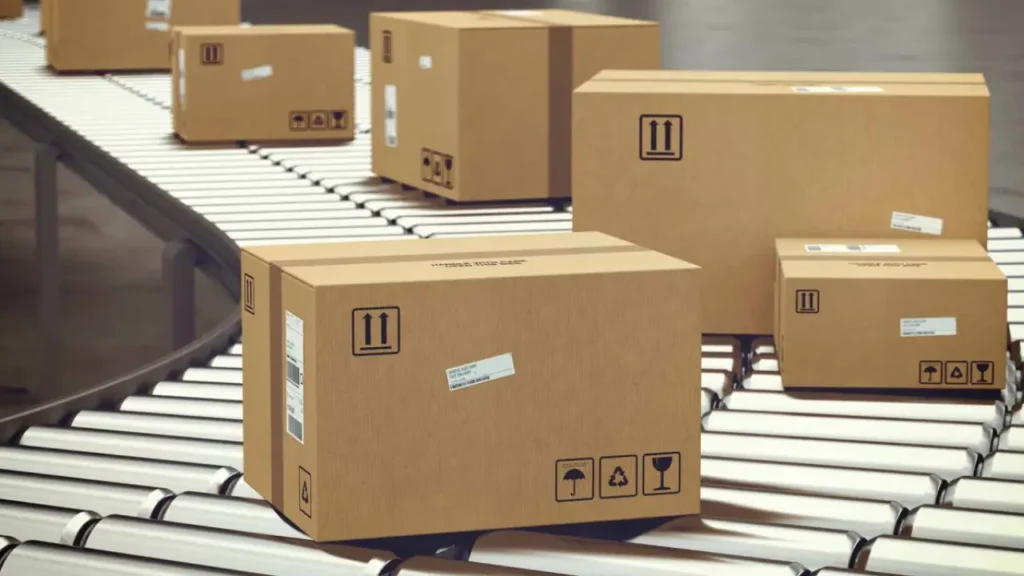
Corrugated boxes are widely used packaging solutions made from layers of kraft linerboard and fluted paper. The manufacturing process combines strength, durability, and lightweight properties to protect goods during transport.
From raw paper preparation to final shaping and printing, each stage ensures boxes meet industry standards for storage, shipping, and product safety across various applications worldwide in global industrial markets.
Step 1: Paper Preparation
Tools Needed:
- wood chipping equipment
- pulping machines
- refining screens
- drying rollers
- quality testing instruments
Kraft paper is produced from wood pulp that is chemically processed to remove lignin while preserving cellulose fibers for strength. The pulp is washed, refined, and pressed into continuous sheets. This stage ensures the raw material has durability, flexibility, and resistance required for corrugated box manufacturing processes worldwide production stage.
Kraft paper quality is tested for thickness, tensile strength, and moisture resistance before it enters corrugation lines. Rollers ensure uniform sheet formation and eliminate weak spots. Proper preparation reduces defects and improves box performance, ensuring consistent packaging reliability for industrial shipping, storage, and logistics applications globally in controlled environments strictly.
Step 2: Corrugating Fluting
Corrugating machines heat and press kraft paper through fluted rollers to create wave shaped medium that provides cushioning and strength. This fluted layer is bonded between liner boards. The process improves compression resistance and shock absorption, making corrugated sheets ideal for protecting fragile or heavy products during transportation net protection.
Corrugation quality depends on temperature, pressure, and roller alignment to ensure uniform flute height and adhesion. Operators monitor machine settings to avoid defects like collapsed flutes or uneven bonding. Consistent corrugation ensures structural stability and enhances box performance in demanding shipping and storage environments across global supply chains efficiently optimized.
Step 3: Gluing and Board Formation
Corrugated layers are combined using starch based adhesive applied between liner and fluted medium. Machines carefully regulate glue distribution to ensure strong bonding without excess moisture. This step forms single, double, or triple wall boards depending on strength requirements for packaging applications in various industries worldwide reliability consistency assurance level.
Bonding quality is checked through pressure testing and visual inspection to confirm even adhesive spread across all layers. Proper adhesion prevents delamination during shipping and stacking. Controlled curing ensures durability, allowing corrugated boards to maintain rigidity and protective strength throughout handling and transportation processes globally in industrial packaging systems reliably.
Step 4: Cutting and Shaping
Large corrugated sheets are cut and scored into precise dimensions using automated die cutting machines. This process defines fold lines and shapes required for box assembly. Accurate cutting ensures uniformity, reduces waste, and enables efficient production of customized packaging designs for different product sizes and shipping requirements industry wide standards.
Precision cutting and scoring improve assembly efficiency and ensure boxes fold correctly without structural weaknesses. Operators adjust machine settings based on design specifications. High accuracy in this stage reduces production errors and supports mass manufacturing of corrugated packaging for logistics, retail, and export markets globally with consistent quality output assured.
Step 5: Printing and Finishing
Corrugated boxes are printed with branding, product information, and handling instructions using flexographic or digital printing systems. This stage enhances visual appeal and provides essential labeling for logistics and retail. Ink adhesion and color accuracy are carefully controlled to maintain professional packaging quality standards across industries globally recognized finish levels.
Final finishing includes folding, gluing flaps, and bundling boxes for shipment. Quality checks ensure structural integrity and correct dimensions before distribution. This stage prepares corrugated boxes for efficient transport and storage, meeting industry standards for durability, stacking strength, and performance in demanding supply chain environments ensuring safe delivery outcomes consistently.
Considerations about Corrugated Box Manufacturing
Corrugated box manufacturing requires careful planning to ensure strength, cost efficiency, and consistent quality. Every stage, from raw material selection to final finishing, influences durability, print performance, and shipping safety.
Understanding key production factors helps manufacturers reduce waste, improve output stability, and meet diverse packaging needs across industries.
- Material quality selection
- Flute type selection
- Moisture resistance treatment
- Production efficiency and cost control
Material Quality Selection
Choosing high-quality paperboard is essential for producing strong corrugated boxes. kraft liner and recycled paper must be balanced to achieve both durability and sustainability goals. proper fiber strength improves stacking performance and reduces damage during transportation. consistent raw material sourcing also ensures uniform thickness and better printing results across batches.
Flute Type Selection
Flute structure directly affects cushioning, stacking strength, and overall box performance. common flute types like a, b, c, and e flutes serve different packaging needs depending on product weight and fragility. selecting the right flute ensures better shock absorption, space efficiency, and protection during handling and long-distance shipping operations.
Moisture Resistance Treatment
Corrugated boxes are highly sensitive to humidity, which can weaken structural integrity. applying moisture-resistant coatings or treatments helps maintain strength in challenging environments. wax coatings, barrier films, or special adhesives are often used. this protection is especially important for food packaging, cold chain logistics, and long-term storage applications.
Production Efficiency And Cost Control
Efficient manufacturing processes reduce waste and improve profitability. optimizing machine speed, reducing material offcuts, and improving glue application all contribute to lower production costs. automation also enhances consistency and reduces human error. balancing efficiency with quality control ensures stable output while meeting large-scale industrial packaging demands effectively.
Conclusion
Understanding how corrugated boxes are made highlights the importance of material selection, design structure, and manufacturing precision. Each layer contributes to durability and performance in packaging applications. Businesses benefit from choosing high quality boxes that improve product safety, reduce damage, and support efficient logistics across various supply chain operations today and overall operational efficiency and reliability for brands worldwide improved.
Corrugated box production combines innovation and engineering to meet modern packaging demands. Advanced machinery shapes flutes and bonds layers under controlled conditions, ensuring consistency and strength. This efficient manufacturing process supports global industries, offering sustainable, recyclable, and cost-effective packaging solutions that align with environmental goals and supply chain efficiency requirements while reducing environmental impact significantly across markets worldwide supply chains.
Businesses seeking reliable packaging solutions increasingly rely on corrugated boxes for their durability and cost efficiency. Partnering with a trusted supplier ensures consistent quality and supply stability. Choosing the right manufacturer helps optimize packaging performance, reduce costs, and improve logistics efficiency across operations of all sizes get wholesale corrugated boxes from our Letai Packaging for your business needs today now.

I have honed my expertise in creating high-quality packaging solutions, bringing both innovation and efficiency to the field. I am passionate about delivering exceptional results and contributing to sustainable packaging practices.
- What is a CBD Box? The Ultimate Guide - June 9, 2026
- Bangle Box Ideas: Inspiring Designs for a Clutter-Free Space - June 8, 2026
- What is a Bangle Box? The Ultimate Guide - June 8, 2026
 English
  Español
  Deutsch
  Français
  Italiano
  日本語
日本語  한국어
한국어  Русский
  Português do Brasil
  العربية