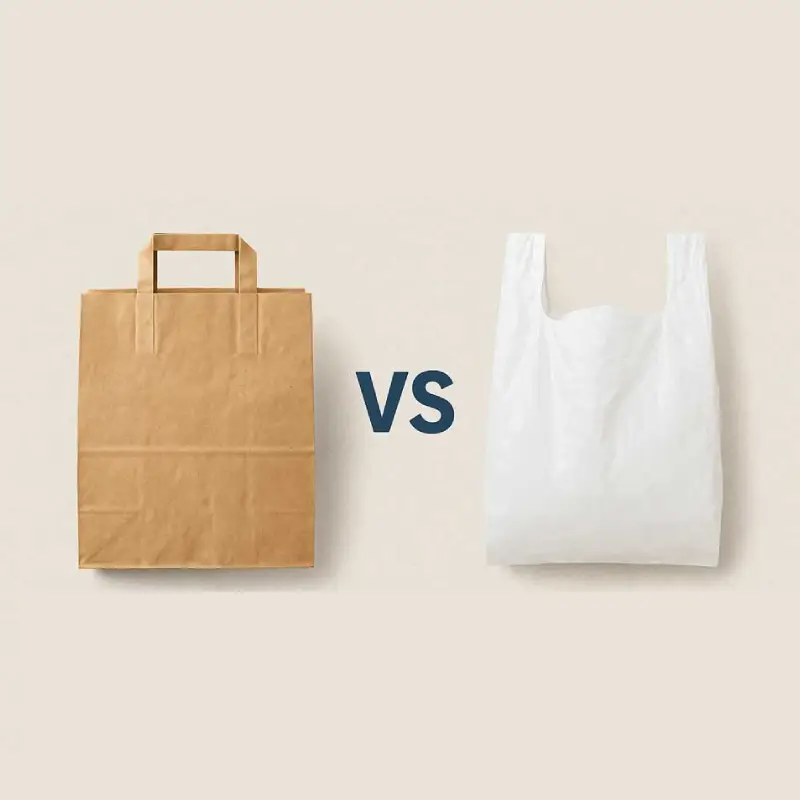
When it comes to packaging, paper and plastic are two of the most commonly used materials. Each has its own set of advantages and disadvantages, making it essential to understand the key differences. In this article, we’ll explore the environmental, economic, and functional impacts of both options.
Paper and plastic are used across various industries, from food packaging to product wrapping. With sustainability becoming a critical issue, choosing the right material has never been more important. We’ll dive into the factors influencing these choices, helping you determine which packaging option is more suitable for your needs.
What is Paper Packaging?

Paper packaging refers to using paper-based materials for protecting and containing products during shipping, storage, and display. This eco-friendly option is widely used in industries such as food, retail, and e-commerce. It offers a biodegradable alternative to plastic, contributing to sustainability efforts.
Benefits of Paper Packaging:
- Eco-friendly: Paper packaging is biodegradable and recyclable, reducing waste in landfills. Its renewable nature makes it a more sustainable option compared to plastic, which can persist in the environment for centuries.
- Durability: Despite being lightweight, paper packaging is strong and resistant to moisture and damage. It provides excellent protection for fragile products, keeping them safe during transit.
- Customization: Paper packaging is versatile, allowing businesses to customize it with unique designs, logos, and branding. This enhances a product’s appeal while promoting the brand effectively.
- Cost-effective: Paper packaging is generally more affordable than other packaging options, such as plastic or metal. It is also readily available, making it a budget-friendly choice for businesses of all sizes.
- Consumer Perception: Using paper packaging can improve a company’s image, as consumers are increasingly leaning towards eco-conscious brands. This can attract environmentally aware customers, boosting sales and brand loyalty.
What is Plastic Packaging?
Plastic packaging involves using synthetic materials like polyethylene, polypropylene, and PET to package products. Known for its versatility, plastic is commonly used for a wide range of goods, from food and beverages to electronics. Its durability, lightweight nature, and ability to be molded into various shapes make it a popular choice.
Benefits of Plastic Packaging:
- Durability: Plastic packaging is highly resistant to damage from moisture, impact, and extreme temperatures. This makes it ideal for protecting delicate items and ensuring products stay intact during transportation and storage.
- Lightweight: Compared to glass or metal packaging, plastic is much lighter, reducing shipping costs and making it easier to handle. Its lightness also helps lower the environmental footprint associated with transportation.
- Versatility: Plastic can be molded into almost any shape, allowing for creative packaging designs. This flexibility supports innovative packaging for products ranging from food to household items, enhancing product appeal.
- Cost-effective: Plastic packaging is typically more affordable than alternatives like glass or metal. It’s readily available and easy to mass-produce, making it a budget-friendly option for businesses looking to keep costs down.
- Barrier Properties: Plastic offers excellent barrier protection against oxygen, moisture, and contaminants, which helps extend the shelf life of products, especially in the food and beverage industries. This preserves product quality and reduces spoilage.
Paper vs Plastic Packaging
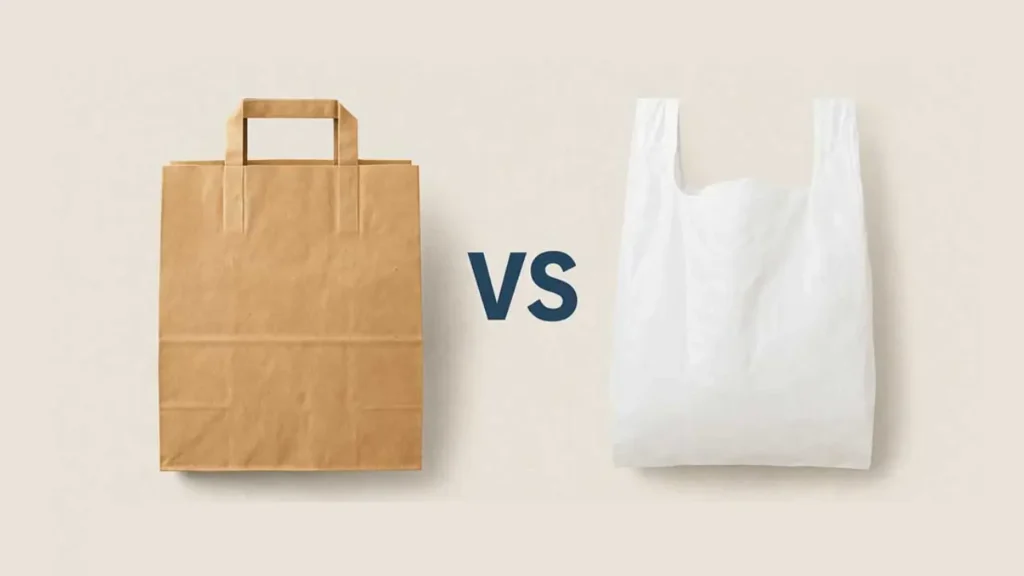
Choosing between paper and plastic packaging involves evaluating various factors, from environmental impact to cost. Both materials offer distinct advantages and are suitable for different applications. Understanding the key differences can help businesses make informed decisions based on sustainability, cost, durability, and functionality.
Environmental Impact
Paper packaging is often seen as the more eco-friendly option. It is biodegradable, recyclable, and made from renewable resources, making it a more sustainable choice in terms of waste management. In contrast, plastic packaging is primarily derived from fossil fuels and can take hundreds of years to decompose in landfills.
Plastic packaging, however, has made strides in recycling and reuse. Many plastic types can be recycled multiple times, though this process is often less efficient than paper recycling. While plastic has a larger carbon footprint during production, its long lifespan and reuse potential may still offer some environmental benefits.
Cost Efficiency
Paper packaging is generally more expensive to produce than plastic, as paper requires more resources in terms of energy and raw materials. This can drive up costs for businesses, especially when scaling production. However, for certain industries, like food, the added value of paper’s sustainability can justify the higher cost.
Plastic packaging is cheaper to produce and more cost-effective for mass production, making it an attractive option for businesses looking to keep expenses low. Its lighter weight reduces transportation costs, further contributing to overall cost savings, making it the go-to choice for many industries looking to optimize cost-efficiency.
Durability and Protection
Plastic packaging is known for its strength and ability to protect products during shipping and handling. Its water-resistant properties ensure that items remain safe from moisture, while its robust structure provides excellent impact resistance. These features make plastic ideal for fragile items or products with a longer shelf life.
On the other hand, paper packaging is less durable than plastic and may not offer the same level of protection against moisture or impact. However, advancements in coatings and treatments have improved paper’s ability to protect products, making it suitable for many goods while remaining an eco-friendly option.
Versatility and Design Flexibility
Plastic packaging offers a high degree of design flexibility. It can be molded into almost any shape or size, which allows for innovative packaging solutions. Whether for food, electronics, or cosmetics, plastic can be customized to create sleek and functional designs that stand out on the shelf.
Paper packaging, while more limited in its flexibility, offers its own design opportunities. It can be printed with high-quality graphics and customized in various shapes, though it may not offer the same intricate design capabilities as plastic. Still, its sustainable appeal is driving innovation in packaging design.
Consumer Preference and Perception
Consumers are increasingly concerned about the environmental impact of packaging, which has led to a growing preference for paper over plastic. Many customers favor paper packaging as it aligns with their sustainability values. Brands that choose paper packaging may see increased customer loyalty and trust.
Plastic packaging, while still dominant in many sectors, is facing scrutiny from environmentally conscious consumers. The rise of zero-waste and eco-friendly movements has prompted brands to reconsider their plastic usage, with many transitioning to biodegradable or recyclable alternatives.
Here are some differences between paper packaging and plastic packaging:
| Aspect | Paper Packaging | Plastic Packaging |
|---|---|---|
| Environmental Impact | Biodegradable, recyclable | Derived from fossil fuels, non-biodegradable |
| Cost Efficiency | More expensive | Cheaper to produce and transport |
| Durability | Less durable, can tear easily | Highly durable, moisture-resistant |
| Design Flexibility | Limited design options | Highly customizable, moldable into any shape |
| Consumer Perception | Preferred for sustainability | Faces criticism for environmental harm |
How to Choose Paper and Plastic Packaging?
When deciding between paper and plastic packaging, several factors should guide your choice, including environmental impact, cost, product durability, and consumer preferences. Both materials have distinct characteristics that make them suitable for different needs.
Evaluating these elements can help businesses make the best decision based on their unique requirements.
Factors to Consider:
- Environmental Impact: Paper packaging is biodegradable and recyclable, making it an environmentally friendly option. However, it requires more resources to produce. Plastic, while recyclable, has a higher environmental cost during production and can take years to break down in landfills, contributing to long-term pollution.
- Cost Effectiveness: Paper packaging is generally more expensive due to higher raw material and production costs. Plastic is more affordable, especially for large-scale production. If cost is a major consideration, plastic may offer the better option. However, paper’s sustainability benefits might justify the extra cost for some businesses.
- Product Protection: Plastic packaging offers superior durability and moisture resistance, making it ideal for products that need extended shelf life or extra protection. Paper, though less durable, can be treated to offer better protection. Its strength is suitable for less fragile products, especially in dry conditions.
- Design Flexibility: Plastic packaging can be molded into almost any shape, allowing for creative, unique designs. This makes it ideal for eye-catching product displays. Paper, while more limited in flexibility, can be printed with high-quality graphics and customized in various shapes, offering a more sustainable but slightly less versatile option.
- Consumer Expectations: As sustainability concerns rise, consumers often prefer brands that use eco-friendly packaging. Paper packaging aligns with this growing demand for green products. On the other hand, plastic is still widely accepted in many sectors, but consumer preferences are shifting, particularly in industries where environmental impact is a priority.
Conclusion
Both paper and plastic packaging have their unique benefits, but when sustainability is a top priority, paper often emerges as the better choice. It’s biodegradable, recyclable, and has a lower environmental impact compared to plastic. However, plastic still offers advantages like durability and cost-effectiveness for certain applications.
As we move towards a more sustainable future, understanding the environmental effects of your packaging materials can significantly contribute to reducing waste. Paper packaging is not only eco-friendly but also versatile, suitable for a range of industries from food to retail packaging.
For businesses looking to make the switch to sustainable packaging, consider opting for wholesale paper packaging from Letai Packaging. Our high-quality paper solutions provide an environmentally responsible option without compromising on performance or durability.

I have honed my expertise in creating high-quality packaging solutions, bringing both innovation and efficiency to the field. I am passionate about delivering exceptional results and contributing to sustainable packaging practices.
- What is a CBD Box? The Ultimate Guide - June 9, 2026
- Bangle Box Ideas: Inspiring Designs for a Clutter-Free Space - June 8, 2026
- What is a Bangle Box? The Ultimate Guide - June 8, 2026
 English
  Español
  Deutsch
  Français
  Italiano
  日本語
日本語  한국어
한국어  Русский
  Português do Brasil
  العربية