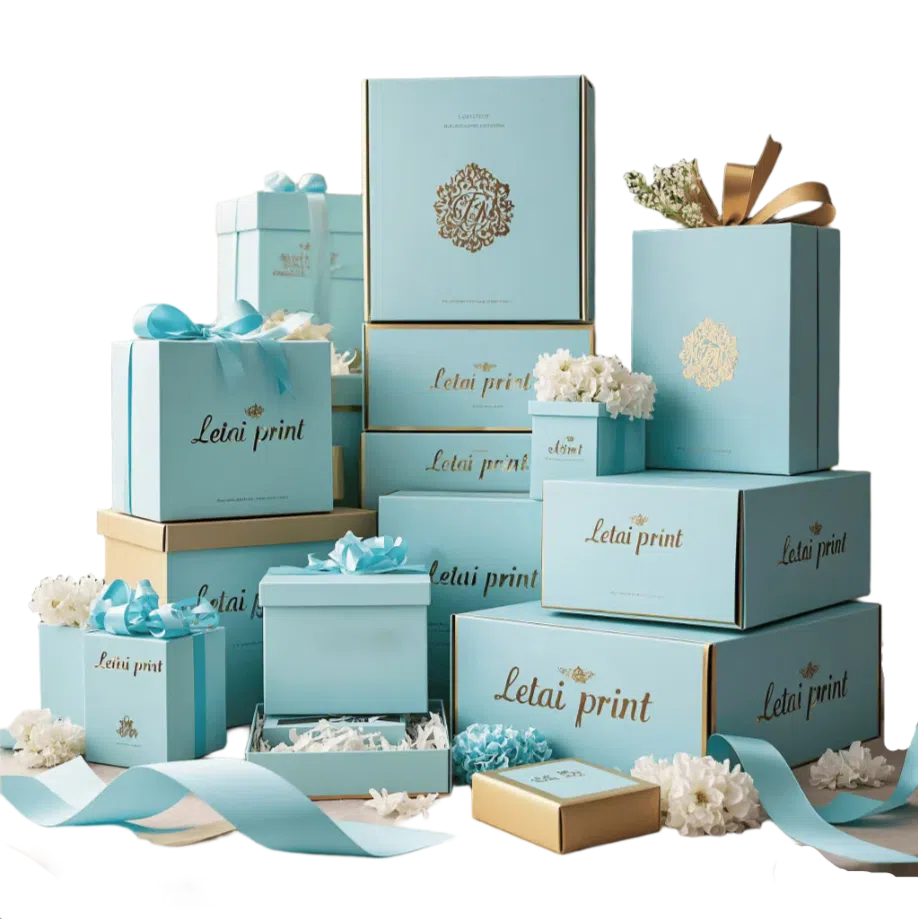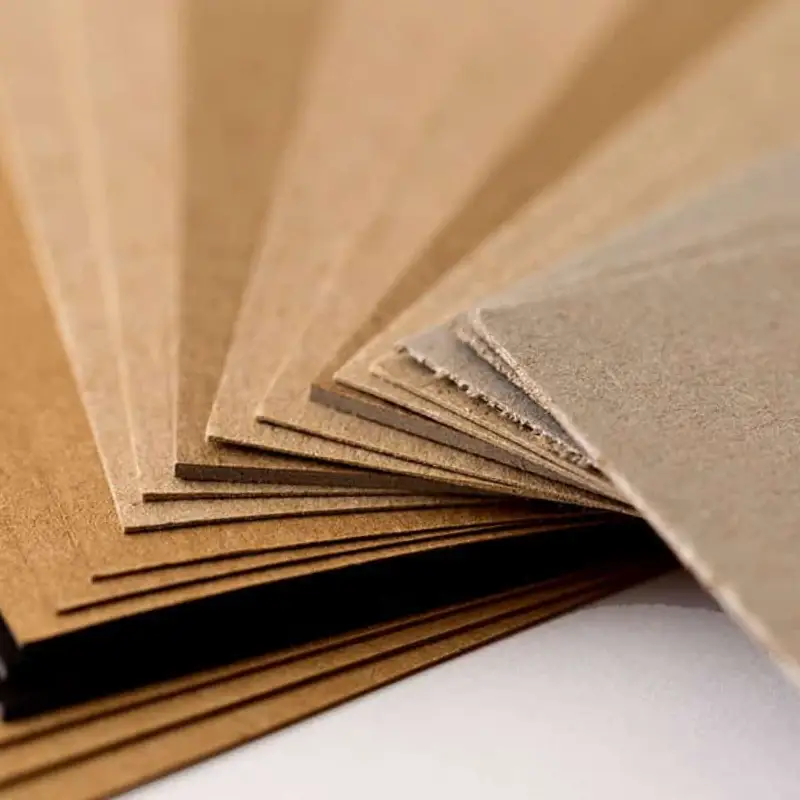
The types of paper used in packaging plays a crucial role in the overall design and effectiveness of the packaging. From durability to visual appeal, paper selection can significantly impact how a product is perceived by consumers. This blog will explore why choosing the right paper is essential for creating successful packaging.
Packaging is more than just a protective layer; it serves as a powerful marketing tool. By selecting the appropriate type of paper, businesses can enhance the unboxing experience, reflect their brand identity, and make their products stand out. Let’s dive into how paper can influence packaging design and performance.
Types of Paper Used in Packaging
There are many different types of paper materials available for packaging, each offering unique properties that serve various purposes. Choosing the right type of paper depends on the desired functionality, appearance, and sustainability of the packaging.
Below are some commonly used paper types in packaging:
Kraft Paper

Kraft paper is a popular choice in packaging due to its strength and eco-friendly nature. Made from wood pulp, it is durable, flexible, and resistant to tearing. Kraft paper often has a natural brown color, giving it a rustic and organic appearance. It’s commonly used in packaging materials like bags, wrapping paper, and boxes.
In addition to its durability, kraft paper is also biodegradable and recyclable, making it a sustainable option for brands looking to reduce their environmental impact. Many companies use kraft paper for food packaging, gift wrap, or even as a liner for heavier materials. Its simplicity adds a unique charm to any packaging design.
Paperboard

Paperboard is a thick, sturdy material made from compressed layers of paper pulp, making it ideal for structural packaging. It’s commonly used in folding cartons, cereal boxes, and product packaging for electronics or cosmetics. Paperboard’s thickness provides strength, allowing it to hold heavier items safely during transport and storage.
The smooth surface of paperboard makes it highly customizable with prints, coatings, and finishes. Brands often choose paperboard for its versatility, as it can be used for everything from luxury packaging to retail boxes. Available in various weights, paperboard offers different levels of strength and flexibility depending on the packaging needs.
Glossy Paper

Glossy paper is characterized by its shiny, reflective finish that adds a vibrant and premium feel to packaging. Often used for high-end products or promotional materials, glossy paper enhances color vibrancy, making images and designs appear sharper and more eye-catching. It is ideal for packaging like gift boxes, product labels, and brochures.
While glossy paper provides a visually appealing appearance, it may not be the most durable option for heavy-duty packaging. It is more commonly used for aesthetic purposes in retail packaging where visual impact is crucial. Glossy finishes are popular in industries such as cosmetics, fashion, and luxury goods to create a premium experience.
Recycled Paper
Recycled paper is made from post-consumer waste, offering an environmentally friendly alternative to virgin paper. It is widely used in packaging for brands committed to sustainability. Recycled paper is durable and can be made in various thicknesses, offering strength while reducing the overall environmental impact of packaging.
Brands focusing on green initiatives often use recycled paper to align with their eco-friendly values. Despite its sustainable roots, recycled paper can be customized with prints, logos, and coatings to maintain the look and feel of premium packaging. This makes it a popular choice for eco-conscious businesses in various industries.
Coated Paper

Coated paper is a smooth, glossy paper that has been treated with a coating to enhance its appearance and texture. The coating helps to achieve high-quality prints, making it ideal for packaging that requires sharp, vibrant colors. This type of paper is often used for product packaging, brochures, and high-end retail boxes.
While coated paper offers excellent print quality, it may not be as durable as uncoated options. It’s often used for items that require enhanced visual appeal, such as luxury goods, electronics, or fashion products. The smooth surface of coated paper makes it perfect for displaying detailed designs and logos.
Corrugated Paper

Corrugated paper consists of a fluted layer of paper sandwiched between two flat layers, giving it strength and cushioning properties. It is widely used in shipping boxes, cartons, and protective packaging. Corrugated paper is highly durable, providing excellent protection for fragile or bulky products during transportation and handling.
The multi-layered structure of corrugated paper makes it a reliable material for heavy-duty packaging. It is also lightweight, helping to reduce shipping costs. Customizable with prints and branding, corrugated boxes are commonly used in e-commerce, food packaging, and retail, offering both protection and a professional appearance for products.
Cardstock

Cardstock is a thicker paper compared to regular printer paper, often used for packaging materials that require sturdiness without being too rigid. Commonly used for greeting cards, invitations, and business cards, cardstock can also be used for lightweight packaging like product inserts, small boxes, and packaging for premium gifts.
Cardstock’s smooth surface makes it easy to print high-quality graphics and designs, making it a popular choice for visually appealing packaging. Its thickness provides a solid structure, offering more protection than regular paper without compromising on flexibility. Cardstock is perfect for companies looking to achieve a balance between sturdiness and aesthetics.
Specialty Paper

Specialty paper refers to a wide range of unique paper types used for specific purposes. These papers can have special textures, finishes, or features, such as embossed patterns, metallic coatings, or even water resistance. Specialty papers are often used for high-end product packaging, luxury gift boxes, or promotional items.
The unique characteristics of specialty paper elevate the visual appeal and tactile experience of the packaging. This type of paper is commonly used for products that require a distinctive, high-quality presentation. Specialty papers can help create a strong impression, making them ideal for industries such as fashion, beauty, and gourmet food packaging.
Construction Paper
Construction paper is a heavyweight paper typically used for craft projects but can also serve as a creative packaging option for certain products. Known for its wide range of bright, bold colors, construction paper can be used for simple, eco-friendly packaging, gift wrap, or promotional materials.
Although construction paper isn’t the most durable option for shipping, it’s often used in packaging for creative or handmade products. It’s cost-effective and provides an excellent opportunity for customization with colorful designs or logos. Construction paper is often used for smaller, lightweight products or limited-edition packaging designs.
Parchment Paper

Parchment paper is a semi-transparent, waxy, and often heat-resistant paper. It is primarily used in food packaging, especially for baking, cooking, and wrapping delicate items. It offers excellent resistance to grease, moisture, and heat, making it ideal for packaging food products like baked goods, cheese, or chocolates.
The smooth, waxy finish of parchment paper also provides a unique aesthetic, with a soft, slightly crinkled appearance. While it’s mainly used in the food industry, parchment paper is also used in gift wrapping and other creative packaging applications. It adds an elegant touch while offering practical protection against grease and moisture.
Printer Paper

Printer paper is a standard, lightweight paper commonly used in everyday printing tasks, but it can also be applied to packaging needs. It is primarily used for labels, tags, or lightweight product packaging where durability is not a critical factor. This type of paper is easy to print on, making it ideal for custom packaging for promotional products or direct mail.
While printer paper may not offer the same protection as heavier-duty options, it provides a cost-effective solution for businesses looking to create simple packaging or labels. It’s versatile for many industries, especially those looking to create informational or branding packaging without the need for thick materials.
Matte Paper

Matte paper has a smooth, non-glossy finish that offers a sophisticated, subdued appearance. This type of paper is ideal for packaging products that require a refined, subtle look without the reflective quality of glossy finishes. Matte paper is often used in packaging for cosmetics, luxury goods, or high-end retail products.
Matte paper provides a soft touch and a tactile feel that adds to the luxury of the packaging. It also reduces glare, making text and images on the packaging easier to read in different lighting conditions. Ideal for brands aiming for a modern, minimalist look, matte paper offers a premium option without being overly shiny or flashy.
Each type of paper has its distinct characteristics, and selecting the right one depends on the product being packaged, the desired visual effects, and the practical requirements of durability, cost, and environmental impact. The combination of paper type, finish, and customization allows businesses to create packaging that not only protects but also enhances the overall presentation of their products.
Textured Paper

Textured paper features a variety of tactile patterns or finishes, adding a distinctive, high-quality feel to packaging. Its unique texture makes it ideal for luxury products or creative packaging applications where visual and tactile appeal is important. Textured paper can be used for gift boxes, business cards, invitations, or specialty product packaging.
The tactile quality of textured paper engages the senses, giving the packaging an upscale and elegant appearance. It’s commonly used in industries like fashion, fine arts, and luxury goods to create a memorable unboxing experience. With customization options such as embossing or debossing, textured paper provides a high level of personalization for premium packaging.
Vellum Paper

Vellum paper is a translucent material with a smooth, soft finish, often used in high-end or creative packaging. Known for its elegant appearance, vellum adds a touch of sophistication to packaging, especially for items like invitations, cosmetics, or special gifts. Its semi-transparency allows for layering and creating interesting visual effects.
Vellum paper is often used as an overlay or sleeve in packaging, offering a subtle, refined look without overpowering the product inside. The smooth texture and soft finish make it an attractive choice for upscale brands, and it can be printed with custom designs, logos, or patterns for a unique presentation.
Tyvek Paper

Tyvek paper is a synthetic material made from high-density polyethylene fibers, known for its tear-resistant and waterproof properties. It is lightweight yet incredibly strong, making it a great choice for durable packaging such as mailing envelopes, shipping bags, or protective wrapping for delicate items. Tyvek is often used for applications where security and strength are paramount.
The material is also breathable, which makes it ideal for packaging products that need air circulation, such as clothing or textiles. Tyvek paper can be printed on, allowing businesses to customize it with logos or branding for a unique, functional, and secure packaging solution. It’s a popular option for e-commerce and shipping industries.
Fabric Paper

Fabric paper combines the look and feel of fabric with the structure of paper, offering a unique and luxurious packaging option. Often used for high-end gifts, jewelry boxes, or fashion-related products, fabric paper is soft to the touch and can be customized with various colors, textures, and prints for an elevated presentation.
Its material properties allow for better flexibility and a high-end aesthetic, making it ideal for luxury packaging. Fabric paper can be embossed, printed, or dyed to suit the branding needs of the business, making it a perfect option for retailers or premium product manufacturers who want to offer a tactile, memorable packaging experience.
Synthetic Paper

Synthetic paper is made from a plastic polymer, making it durable, waterproof, and resistant to tearing. This type of paper is perfect for packaging products that need to withstand harsh environments or heavy handling, such as outdoor goods, maps, or certain consumer electronics. Synthetic paper can be used in packaging that demands high durability.
The waterproof and tear-resistant nature of synthetic paper makes it ideal for packaging products intended for outdoor or rough conditions. In addition, it can be printed with high-quality graphics, making it a versatile option for both practical and promotional packaging. It’s increasingly being used for environmentally conscious packaging solutions that require longevity.
Sandwich Paper

Sandwich paper is a layered paper material that offers a mix of soft texture and durability. It’s commonly used for food packaging, such as wraps for sandwiches, burgers, or other fast-food items. Sandwich paper is food-safe, grease-resistant, and offers a simple, cost-effective solution for quick-service restaurants and takeaway packaging.
This type of paper provides a reliable, affordable solution for food service, allowing for easy wrapping of hot or cold items. With its grease-resistant properties, sandwich paper keeps food fresh and prevents oils or sauces from leaking, making it an essential material for fast-food packaging. It can also be printed for branding purposes.
Handmade Paper
Handmade paper is crafted manually, often from recycled materials, giving it a unique texture and an artisanal, eco-friendly appeal. It’s commonly used for premium packaging, such as for boutique products, handmade gifts, or eco-conscious brands. The irregular texture and color variations of handmade paper give it an authentic, one-of-a-kind look.
The natural feel of handmade paper gives packaging a rustic, organic appearance, making it a perfect choice for artisanal or luxury products. It’s biodegradable and can be made from plant fibers, promoting sustainability. With customization options such as adding dried flowers or natural fibers, handmade paper creates a memorable and environmentally friendly packaging experience.
How to Choose the Best Paper for Packaging?
Choosing the best paper for packaging depends on various factors such as durability, product type, aesthetics, and sustainability. Different papers offer distinct qualities that serve different packaging needs.
Below are key considerations to help you select the right paper for your packaging:
- Product Type and Weight: The paper you choose should match the weight and fragility of the product. For lightweight items, thinner papers like tissue paper or kraft paper are sufficient, whereas heavier products may require thicker, sturdier materials like paperboard or corrugated paper for added protection.
- Aesthetic Appeal: The visual impact of your packaging is crucial in attracting customers. For a premium look, consider glossy or coated papers for vibrant colors and sharp prints. If you want a more refined or eco-friendly appearance, matte or recycled paper provides a sophisticated and natural look.
- Sustainability: If your brand focuses on sustainability, choosing recycled or biodegradable paper is essential. Papers made from sustainable sources, such as recycled paper, help reduce environmental impact and appeal to eco-conscious consumers. Ensure your packaging aligns with your brand values while maintaining quality.
- Durability and Protection: The paper’s durability is essential for protecting the product during shipping and handling. Corrugated paper or paperboard offers strong protection for fragile items, while lighter papers like construction paper are better suited for decorative packaging. Ensure your choice provides the right balance of strength and lightweight functionality.
- Customization and Printing: The paper you choose should be suitable for your desired level of customization. Coated or glossy papers are great for printing vibrant logos, images, and text. If you prefer a more textured or artisanal look, specialty or handmade papers offer unique surfaces that enhance your brand’s identity and messaging.
Conclusion
Choosing the right type of paper for your packaging ensures that your products not only remain safe but also make a lasting impression. Different papers offer varying levels of strength, texture, and customization options, allowing brands to tailor their packaging for maximum impact. Selecting the ideal paper helps reinforce your brand’s identity.
Sustainability is also a growing concern, and many paper options are available that meet eco-friendly standards. By opting for recyclable or biodegradable paper, you can enhance your brand’s appeal to environmentally conscious consumers while maintaining high-quality packaging. Sustainability, combined with effective design, is key to modern packaging success.
At Letai Packaging, we offer a wide range of wholesale custom packaging boxes that cater to your specific needs. Whether you need durable, eco-friendly, or customized packaging, we provide quality solutions to help your products shine. Contact us today to explore our collection and elevate your brand’s packaging.

I have honed my expertise in creating high-quality packaging solutions, bringing both innovation and efficiency to the field. I am passionate about delivering exceptional results and contributing to sustainable packaging practices.
- What is a CBD Box? The Ultimate Guide - June 9, 2026
- Bangle Box Ideas: Inspiring Designs for a Clutter-Free Space - June 8, 2026
- What is a Bangle Box? The Ultimate Guide - June 8, 2026
 English
  Español
  Deutsch
  Français
  Italiano
  日本語
日本語  한국어
한국어  Русский
  Português do Brasil
  العربية