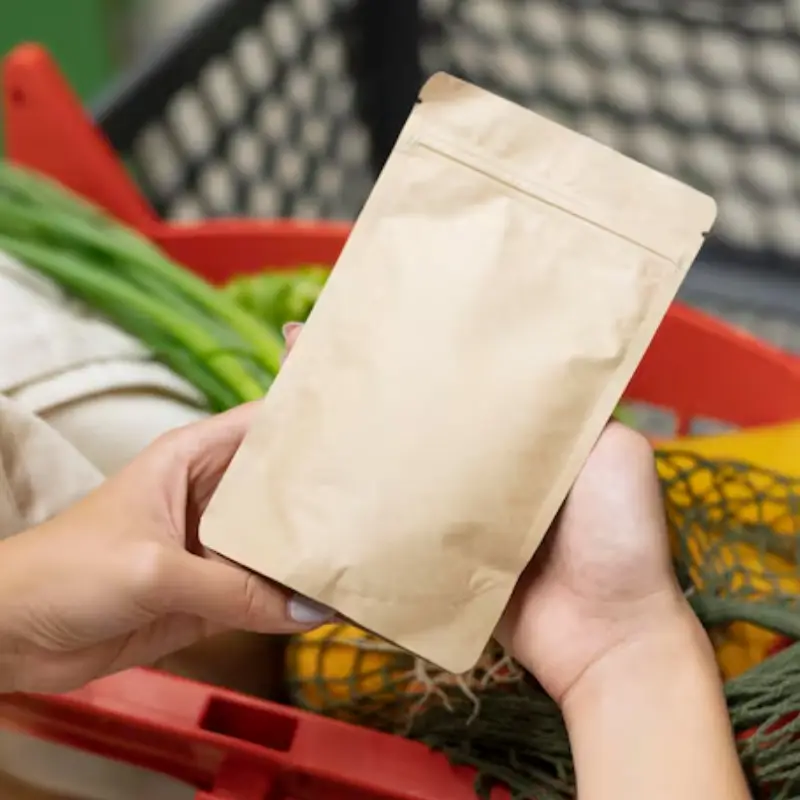
Flexible packaging is a versatile and cost-effective solution used for various consumer goods. Made from materials like plastic, film, and foil, it offers benefits such as lightweight, space-saving, and customizable designs. Its flexibility allows it to be used for a wide range of products from food to personal care.
This packaging type has gained popularity in recent years due to its eco-friendly potential and convenience. Unlike rigid packaging, flexible packaging can be molded to fit different shapes and sizes, providing a more sustainable and adaptable option for businesses looking to enhance product appeal while reducing environmental impact.
What is Flexbile Packaging?

Flexible packaging refers to packaging made from materials that can bend, stretch, or fold, offering versatile solutions for various products.
Typically made from materials like plastic, foil, or paper, it is lightweight and adaptable. This type of packaging is commonly used for products like food, beverages, personal care items, and even pharmaceuticals due to its flexibility and space-saving features.
Flexible Packaging Materials
Flexible packaging is made from various materials that allow it to be molded, folded, or stretched, providing a versatile solution for a wide range of products. Common materials include plastics, films, foils, and paper, each offering different benefits in terms of strength, barrier protection, and cost.
Materials Used in Flexible Packaging:
- Plastic Films: Plastic films, such as polyethylene and polypropylene, are lightweight and durable. They provide excellent moisture, air, and light barrier properties, making them ideal for food and beverage packaging. Their flexibility allows for various forms like pouches and bags that are easy to handle and store.
- Aluminum Foil: Aluminum foil is widely used for its superior barrier properties, especially for products that require protection from light, moisture, and oxygen. It’s commonly used for items like snack foods, pharmaceuticals, and beverages, offering a high level of product protection.
- Paper: Paper-based flexible packaging is gaining popularity due to its eco-friendly nature and versatility. It can be used for a wide range of applications, from food packaging to retail bags. Paper offers a natural, sustainable option and can be laminated with other materials for added strength and durability.
- Composites: Composite materials combine layers of paper, plastic, and foil, offering a balance of strength, flexibility, and barrier protection. These are often used for products that require both durability and product preservation, such as coffee bags or frozen food packaging.
- Biodegradable Plastics: Biodegradable plastics are a sustainable alternative to traditional plastic materials. These materials break down over time, reducing environmental impact, and are often used in eco-conscious product packaging, such as organic food items and personal care products.
At Letai Packaging, we focus on manufacturing paper-based flexible packaging, offering a sustainable solution that meets both your packaging needs and environmental goals.
Types of Flexible Packaging

Flexible packaging offers a variety of options to meet the needs of different industries, from food and beverages to personal care products. Its adaptability allows for creative designs and practical features that improve convenience, shelf appeal, and product protection. Here are some common types of flexible packaging.
- Pouches: Pouches are one of the most popular forms of flexible packaging. They come in various shapes and sizes and are commonly used for snacks, pet food, and liquids. Pouches can be equipped with resealable zippers or spouts, providing convenience and preserving product freshness.
- Bags: Flexible bags are used for a wide range of products, from groceries to cleaning supplies. Made from materials like polyethylene, these bags are lightweight, cost-effective, and offer excellent storage capacity. Some bags are gusseted, allowing them to expand and fit more products.
- Wraps and Films: These are thin plastic or paper materials used to wrap individual items or bundles. Common in food packaging, wraps and films are versatile and can provide additional features like cling properties or tamper-evident seals. They are often used for produce, baked goods, and meat products.
- Laminated Packaging: Laminated packaging combines multiple layers of different materials to enhance durability and barrier properties. Often used for products like coffee, granola bars, or medical supplies, these packages offer superior protection from air, moisture, and contaminants, extending shelf life and preserving product quality.
- Stand-up Pouches: Stand-up pouches feature a flat bottom that allows them to stand upright on store shelves, offering better product visibility. Ideal for snacks, coffee, and liquids, they often have resealable zippers and are made from materials that offer a balance of flexibility and protection.
Each type of flexible packaging is designed to suit specific product needs, offering a balance between convenience, cost, and protection. Letai Packaging specializes in providing flexible packaging solutions that can be tailored to your product’s requirements.
Benefits of Flexible Packaging

Flexible packaging offers numerous advantages for businesses and consumers alike. It is a popular choice due to its versatility, cost-effectiveness, and sustainability. The lightweight nature of flexible packaging, combined with customization options, makes it an ideal solution for various industries, from food to healthcare.
- Cost-Effective: Flexible packaging is typically more affordable than rigid alternatives due to lower material costs and reduced shipping expenses. Its lightweight design helps cut down on transportation costs, providing cost savings for businesses. This makes it an attractive option for companies looking to keep packaging expenses low.
- Space-Saving: Flexible packaging is compact and can be stored more efficiently compared to rigid packaging. It can be stacked or compressed, reducing the amount of storage space required. This feature is especially valuable for high-volume products, minimizing warehousing costs and improving logistics.
- Customization and Design: Flexible packaging offers extensive design possibilities. It can be customized with various shapes, sizes, colors, and finishes to enhance branding. The ability to print directly on flexible materials allows companies to create eye-catching designs that stand out on store shelves, attracting more customers.
- Eco-Friendly: Many flexible packaging options are made from recyclable or biodegradable materials, reducing environmental impact. Additionally, its lightweight nature leads to lower carbon emissions during transportation. By choosing sustainable flexible packaging, companies can improve their environmental footprint and appeal to eco-conscious consumers.
- Convenience and Functionality: Flexible packaging provides practical features such as resealable zippers, easy-open tear notches, and spouts, making it user-friendly. These features enhance product accessibility and convenience for consumers, especially for on-the-go products. Its ability to conform to various shapes makes it ideal for packaging liquids, snacks, and perishable items.
Flexible packaging provides a range of benefits, from cost savings to environmental advantages. Letai Packaging offers customized solutions to meet your product’s specific needs, ensuring both functionality and sustainability.
Flexible Packaging Applications

Flexible packaging is used across a wide range of industries due to its versatility and cost-efficiency. It provides numerous benefits, including space-saving, light weight, and customization options. From food packaging to personal care items, flexible packaging plays a vital role in protecting products and enhancing their shelf appeal.
Application Industries of Flexible Packaging:
- Food Industry: Flexible packaging is extensively used for food products, such as snacks, beverages, frozen foods, and ready-to-eat meals. Its ability to maintain freshness, extend shelf life, and provide portion control makes it ideal for packaging items like chips, cereal, and liquids.
- Beverage Industry: Flexible pouches and films are commonly used for packaging beverages, including juices, smoothies, and bottled water. Stand-up pouches with spouts offer convenience for consumers and are widely used for single-serve drinks, especially in on-the-go packaging solutions.
- Pharmaceuticals and Healthcare: Flexible packaging is critical in the pharmaceutical industry, providing packaging for pills, capsules, and medical devices. It helps protect products from contaminants, moisture, and air while also offering tamper-evident features, which are essential for ensuring product safety and integrity.
- Personal Care and Cosmetics: Flexible packaging, such as sachets, tubes, and pouches, is often used for personal care products, including lotions, shampoos, and toothpaste. Its lightweight, portable design makes it perfect for travel-sized products, while custom designs help enhance brand visibility and consumer appeal.
- Pet Food and Animal Care: Flexible packaging is widely used for packaging pet food, treats, and other animal care products. It offers the necessary protection from environmental factors and extends product shelf life while being customizable to accommodate different bag sizes, resealable features, and brand logos.
Flexible packaging is a flexible, cost-effective solution suitable for a variety of industries. At Letai Packaging, we offer customized packaging solutions designed to meet the specific needs of your product and industry.
How to Choose Suitable Flexible Packaging?
Selecting the right flexible packaging for your product involves understanding the unique needs of your product, consumer preferences, and budget. With a wide range of materials, designs, and features available, it’s important to evaluate the key factors that will influence the success of your packaging choice.
Key Considerations for Choosing Flexible Packaging:
- Product Protection: The type of flexible packaging should provide adequate protection for your product. For items sensitive to moisture, oxygen, or light, choose materials with strong barrier properties, such as foil or laminated films. This helps extend shelf life and maintain product quality during transport.
- Branding and Design: Flexible packaging offers numerous customization options, from colors to graphics. Choose packaging that aligns with your brand’s identity and catches the consumer’s eye on the shelf. Consider features like windows, print quality, and finishes that highlight your product’s unique selling points.
- Convenience and Functionality: Consider packaging features that offer convenience to consumers, such as resealable zippers, spouts, or tear notches. Think about how your product will be used and whether the packaging needs to be portable, easy to open, or suitable for on-the-go consumption.
- Sustainability: Opt for eco-friendly flexible packaging made from recyclable, biodegradable, or renewable materials. Sustainability is an increasing priority for many consumers, and using green packaging options can boost your brand’s image and appeal to environmentally-conscious buyers.
- Cost Efficiency: Choose packaging that balances cost with the desired benefits. Flexible packaging is often more affordable than rigid alternatives, but the material, design, and customization level can impact the overall cost. Determine your budget and ensure that your packaging choice meets your quality standards without exceeding costs.
By carefully considering these factors, you can select flexible packaging that not only protects your product but also appeals to consumers and aligns with your brand’s values. Letai Packaging offers customizable flexible packaging options that meet your specific needs.
Conclusion
Flexible packaging offers a range of benefits for businesses looking to balance cost, convenience, and environmental impact. With customization options and materials that are lighter and more sustainable, it’s an ideal choice for many industries, from food to healthcare. Choosing the right type of flexible packaging helps products stand out and meet customer needs.
When sourcing flexible packaging, working with a reliable supplier is crucial for ensuring quality and efficiency. At Letai Packaging, we offer a wide range of wholesale flexible packaging solutions tailored to your product requirements. From design to production, our services are geared towards providing the best packaging for your brand.
Get in touch with Letai Packaging today to explore our wholesale options for flexible packaging. Our solutions are not only cost-effective but also designed to align with your sustainability goals. We’re here to help you find the perfect packaging solution to enhance your products and business success.

I have honed my expertise in creating high-quality packaging solutions, bringing both innovation and efficiency to the field. I am passionate about delivering exceptional results and contributing to sustainable packaging practices.
- Perfume Box Ideas: Stylish Packaging for High-End Fragrances - June 1, 2026
- Shoe Box Size: Perfect Dimensions for Organizing Your Shoes - May 25, 2026
- Pizza Box Sizes: Tips to Save on Packaging Costs - May 22, 2026
 English
  Español
  Deutsch
  Français
  Italiano
  日本語
日本語  한국어
한국어  Русский
  Português do Brasil
  العربية