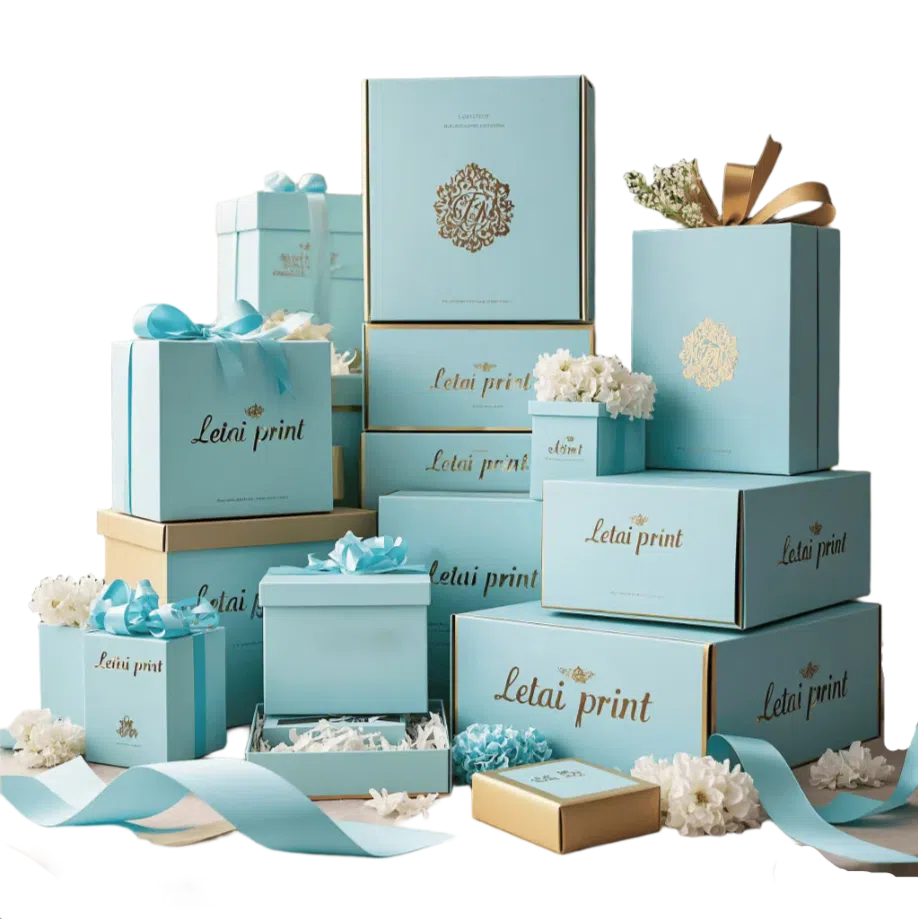
Ever noticed how some product boxes have an incredibly shiny, almost wet-looking finish that just grabs your attention? That’s often the magic of a UV coating, a special layer that makes colors pop while adding a tough, protective shield to the packaging.
So, what is UV coating, and how do you know if this eye-catching finish is the right choice for your product? Let’s dive in and explore everything you need to know.
What is UV Coating?
UV coating is a clear liquid applied to a printed surface. It is instantly hardened, or “cured,” using ultraviolet (UV) light. This process creates a durable, protective finish that can be either high-gloss or matte, making the design look more vibrant.
How does UV Coating work on paper?
Imagine a sheet of paper that has just been printed. To apply a UV coating, it goes through these simple steps:
Application of the Liquid Coating: The printed paper sheet is fed into a coating machine. A set of rollers applies a thin, even layer of the special UV coating liquid across the entire surface (this is called a “flood coat”) or just on specific spots (a “spot UV“). At this point, the coating is completely wet, like a varnish.
Conveyance to the UV Lamps: The wet sheet immediately travels on a conveyor belt into a curing unit. This unit is essentially a tunnel containing a series of high-intensity mercury-vapor or LED lamps that emit powerful ultraviolet (UV) light.
Instant Curing: As the sheet moves under powerful UV lamps, the light hits the wet coating for just a moment. The light’s energy starts a quick chemical reaction that turns the liquid into a hard, solid layer almost instantly.
This process is not “drying” like waiting for paint to air-dry. Instead, it’s a fast chemical change called curing.
Finished Product: The paper emerges from the other side of the curing unit completely dry and ready for the next step (like cutting or folding). The entire process, from applying the liquid to having a fully hardened surface, takes only a few seconds.
What is UV Coating Types
UV coating isn’t just one thing; it’s a whole family of finishes that can change the look and feel of packaging. Picking the right one is an important choice that depends on your product and the message you want to send.
1. Gloss UV
This is the most common type of UV coating. It creates a super shiny and reflective surface that makes colors look bright and deep, like the glossy finish on a new phone box.
The shiny look is great for catching a customer’s eye and making a product feel energetic and high-quality. It’s a popular choice for food packaging, like cookie boxes and drink labels, and for electronics packaging.
2. Matte UV
Matte UV is the opposite of gloss. It has a smooth, non-shiny finish that doesn’t reflect light. This soft, flat look feels expensive and modern, and it doesn’t show fingerprints easily, which is a nice bonus.
It’s perfect for high-end products where you want a more subtle style, so it’s often used for cosmetics gift boxes, luxury goods packaging, and the covers of fancy books.
3. Soft-Touch UV
Soft-Touch UV is a special type of matte finish that’s all about feeling unique. When you touch it, the surface feels soft and smooth, almost like velvet or the skin of a peach.
This special feel makes a product seem luxurious and fun to hold. It’s often used for beauty product sample boxes, fancy wine boxes, and even children’s toy packaging to make them more interesting to touch.

4. Thick-Film UV
Thick-Film UV is used to make parts of a design stand out. It’s also called 3D UV. We apply a thick, clear layer of coating only on specific spots, like a logo. This creates a raised, glossy bump that you can see and feel.
This 3D effect is great for making a brand logo pop off the page. It can also be used to create cool textures, like the feel of wood grain, or to make letters that are raised from the surface.
5. Functional UV
Functional UV is less about looks and more about making the package stronger and more useful. These coatings are made for special jobs, like being extra tough or not slippery. A scratch-resistant coating is perfect for shipping boxes that get bumped around a lot.
An anti-slip coating adds a bit of grip, so it’s great for storage boxes that need to be stacked without sliding. It’s also used for outdoor product packaging to help protect it from wear and tear.
What are the Benefits of UV Coatings?

1. Strong Protection and Durability
UV coating adds a tough, hard finish to your packaging. It acts like a shield, protecting it from scratches, scuffs, and even moisture.
This means your packaging stays looking great, all the way from your factory to the customer’s hands. It’s a simple way to prevent costly damage during shipping and handling.
2. A More Beautiful, High-Value Look
UV coating makes your packaging look incredible and feel premium. A high-gloss finish makes your colors pop and grabs attention instantly.
A matte or soft-touch finish creates a smooth, elegant feel that makes the product seem more luxurious. This better presentation helps your product stand out and makes customers feel they are buying something special.
Ipsos found that 72% of American consumers report that a product’s packaging design influences their buying decisions.
3. Faster Production and Lower Costs
The UV coating dries instantly under a special light, so there is no waiting. Your packaging can be cut, folded, and glued immediately after the coating is applied.
This speeds up the entire production process, getting your project done much faster. This time-saving efficiency also helps lower costs, making it a smart choice for large jobs with tight deadlines.
Cons: When is UV Coating Not the Best Option?

For Gloss UV, it’s not a good idea to use it on dark, reflective surfaces like black boxes. Its shiny finish acts like a mirror and makes fingerprints and small scratches very easy to see, especially in bright light, which can ruin a clean, premium look.
With Matte UV, you should avoid covering anything that needs to be perfectly clear, like a QR code or barcode. The matte finish can slightly blur the image, which might stop a scanner from being able to read the code correctly.
Soft-Touch UV has a specific weakness when it comes to packages that will be stacked together, such as delivery boxes. In hot and humid weather, the coating can become a little sticky, causing boxes to stick to each other and potentially tear the print when they are pulled apart.
When it comes to Thick-Film UV (or 3D UV), the main issue is that it is expensive, so using it on very large areas is not practical. Also, if the coating is applied too thickly, it can become brittle and crack or develop bubbles when the package is folded.
Finally, for Functional UV coatings, the key is using the right formula. For instance, a scratch-resistant coating will only provide the expected durability if it is made with a specific “high-hardness resin.” Using the wrong type means the package won’t get the protection it needs.
| Type | Core Effect | Best For | Things to Avoid |
|---|---|---|---|
| ✨ Gloss UV | High shine and vibrant colors. | Food packaging, electronics boxes. | Dark backgrounds (shows fingerprints/scratches). |
| 🌫️ Matte UV | Soft, non-shiny, luxury feel. | Cosmetic boxes, luxury goods. | Covering QR codes or very small text. |
| ☁️ Soft-Touch UV | Velvety, smooth, or rubbery texture. | Premium boxes for cosmetics, wine. | Stacked packaging (can get sticky in heat). |
| 💧 Raised Spot UV | Raised, 3D texture you can feel. | Highlighting logos, text, or patterns. | Large areas (expensive) or applying too thickly. |
| 🛡️ Functional UV | Adds durability (scratch/slip resistance). | Shipping boxes, storage containers. | Using the wrong formula for the intended purpose. |
What You Need to Know When to Use UV Coating
The biggest challenge with UV coating is making sure it actually sticks to the paper. The most common problems we see are the coating peeling off or bubbling up.
This almost always happens for one of two reasons: either the paper wasn’t prepared correctly, or the wrong type of UV coating was chosen for that specific paper.
On smooth paper, the UV coating has a hard time sticking, and it can crack when folded. To fix this, we first treat the paper to help the coating grip better. We also use a flexible type of coating that won’t break when it bends. We keep the coating thin because a thick layer can make the paper curl.
On rough paper, like cardboard, the coating can sink into the bumpy texture and make it look even worse. To prevent this, we often use a matte (non-shiny) finish because it’s great at hiding the paper’s texture.
We also apply a primer first to fill in all the little gaps and create a smooth surface for the coating.
Summary
The key to a perfect UV coating is matching the right technique to the right paper. On smooth paper, we focus on making the coating stick properly and stay flexible so it won’t crack. On rough paper, we use primers and a matte finish to hide texture and create a smooth, high-end feel.
Don’t let the wrong finish ruin your design. At Letai Printing, we have the expertise to select the perfect UV coating for your specific needs. Reach out to our team to get a quote and bring your vision to life.

I have honed my expertise in creating high-quality packaging solutions, bringing both innovation and efficiency to the field. I am passionate about delivering exceptional results and contributing to sustainable packaging practices.
- What is a CBD Box? The Ultimate Guide - June 9, 2026
- Bangle Box Ideas: Inspiring Designs for a Clutter-Free Space - June 8, 2026
- What is a Bangle Box? The Ultimate Guide - June 8, 2026
 English
  Español
  Deutsch
  Français
  Italiano
  日本語
日本語  한국어
한국어  Русский
  Português do Brasil
  العربية