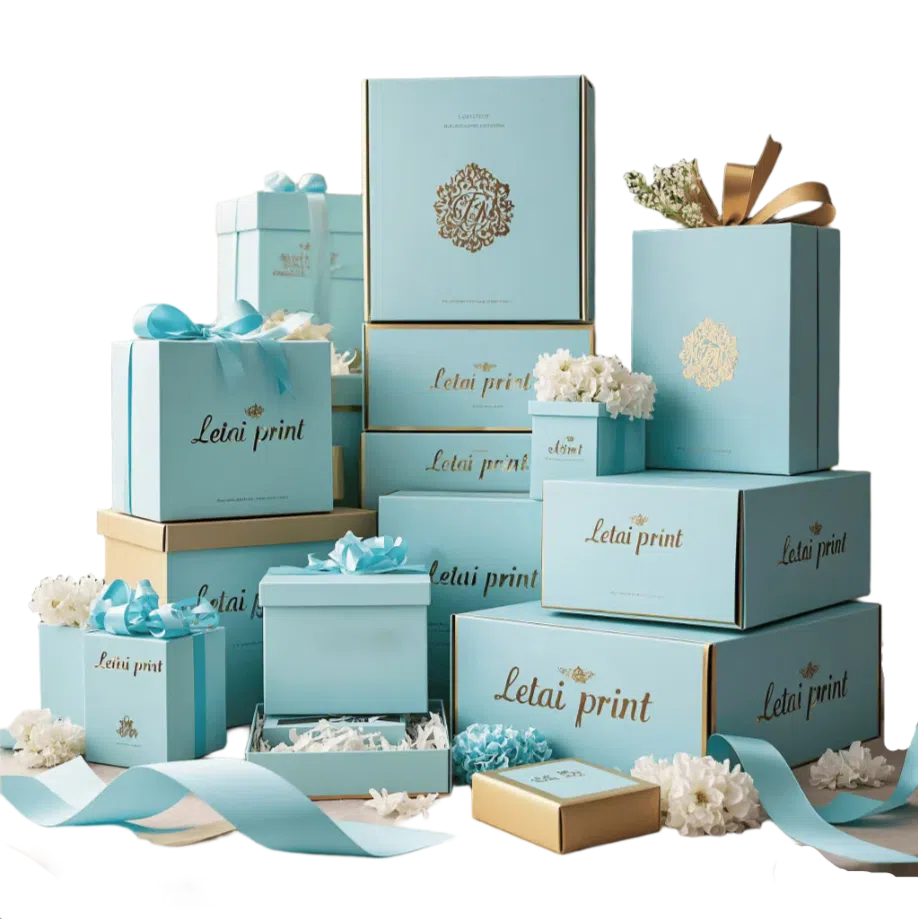
Ever wanted to launch a seasonal product or test a new design without being forced to order thousands of boxes?
That exact problem is what makes digital printing a game-changer for so many brands. So, what is digital printing, and how can it help you react faster to market trends? Let’s dive in.
What is Digital Printing?
Digital printing is a modern printing method that prints your design directly from a computer file onto your packaging. It skips the need for creating custom printing plates, which saves a lot of time and money.
Because of this, it’s the best choice for short runs, prototypes, and designs that need to be done quickly. With digital printing, you can approve a design and have the final product ready in days, not weeks. The digital printing packaging market is expected to reach USD 34.01 billion in 2025 and grow at a CAGR of 10.12% to USD 56.12 billion by 2030.
How does Digital Printing Work?
Think of it this way: you have a design for your box on your computer. With digital printing, you send that file directly to a very large, professional printer. The printer reads your design and sprays tiny, precise dots of ink right onto the cardboard or paper.
It builds your image one line at a time, just like the printer you might have at home. There are no big, heavy metal plates to create first. It’s a simple, direct process: computer file -> printer -> finished box.
What is Digital Printing Benefit, and When to Choose Digital Printing?
The real power of digital printing is how it solves problems that traditional printing can’t. In these situations, digital printing isn’t just a backup plan—it’s often the only and best solution.
Here’s when digital printing is the clear winner:
1. For Small Batches and Quick Market Tests
When you launch a new product or test a design, you don’t want to risk ordering thousands of boxes. Traditional printing has high setup fees for “printing plates,” which makes small orders very expensive. Digital printing has zero plate fees, making it perfect for this.
The Solution in Action: Imagine you want to test three different designs for a new coffee product, printing just a few hundred of each. With digital printing, you can do this affordably and get them in just a few days.
If you used traditional printing, the setup costs alone would be enormous, and it would take much longer.
The Key Value: This lets you test your ideas with low risk. If one design isn’t popular, you haven’t wasted money on a huge inventory. You can simply change the design file and try again.

2. For Personalized and Smart Packaging
Traditional printing can only make thousands of identical copies. Digital printing can make every single package unique. This is called Variable Data Printing (VDP), and it unlocks powerful marketing and security features.
- For Marketing: You can print a unique QR code on every box. When a customer scans it, you can lead them to a special offer and track which sales channels are most effective.
- For Customization: For corporate gifts, you can print the company’s logo plus each employee’s name on their individual box. This is easy with digital printing but nearly impossible with traditional methods.
- For Security: For high-value products, you can print a unique security code on every package. This allows customers to verify that the product is authentic and helps prevent counterfeiting.
3. For Beautiful, Complex Colors and Gradients
Designs with soft color fades (gradients) or rich, vibrant illustrations can be a challenge for traditional printing. It can sometimes create ugly lines or “bands” in the color. Digital printing excels at reproducing these complex designs perfectly.
- The Solution in Action: If your packaging has a beautiful watercolor design that fades from one color to another, a digital printer will create a smooth, natural transition, just like you see on your computer screen.
- The Key Value: It’s also much easier to make small color adjustments. If you decide a color needs to be slightly lighter, you just update the file and print again. With traditional printing, this kind of change is slow and expensive.
4. For Printing on a Wider Variety of Materials
Traditional printing works best on smooth, flat paper. It struggles with rough surfaces or non-paper materials. Digital printing, especially UV digital printing, can handle a much wider range of materials.
- The Solution in Action: Let’s say you want to print your logo directly onto a rough, corrugated shipping box. Traditional ink would look patchy and uneven. But a UV digital printer applies a durable layer of ink that covers the textured surface perfectly, creating a sharp, scratch-resistant image.
- The Key Value: This opens the door to printing on materials like plastic, metal, leather, and textured cardboard, giving you far more creative freedom for your packaging.
| Pros (Advantages) | Cons (Disadvantages) |
|---|---|
| Ideal for Small Batches: No expensive plate fees, making it low-risk for market tests. | Thin Ink Layer: The printed surface can be prone to scratching or scuffing and may need extra protection. |
| Enables Personalization: Easily handles Variable Data Printing (VDP), making every package unique. | Higher Cost for Large Orders: The cost per unit becomes more expensive than traditional printing for very large quantities. |
| Excellent Color Reproduction: Perfectly reproduces complex, photo-realistic images and smooth color gradients. | Limited Special Effects: Cannot directly produce premium finishes like foil stamping or embossing on its own. |
| Wide Material Compatibility: UV digital printing works well on various materials, including corrugated cardboard and plastics. |
Cons: When is Digital Printing Not the Best Option?
Digital printing is a powerful tool, but it’s not perfect for every job. It has a few weaknesses, but smart printers solve these by combining digital printing with traditional methods.
This “hybrid approach” gives you the best of both worlds: the flexibility of digital and the quality finishes of traditional printing.
1. Thin Ink Layer That Can Scratch
The ink layer from a digital printer is very thin, which means it can sometimes get scratched or scuffed during shipping. This is fine for products inside another box, but for outer packaging like gift boxes or mailers, it needs extra protection.
The Solution: Add a Protective Layer. After printing, a thin, clear film (called a laminate) can be applied over the ink. This film comes in a glossy or matte finish and makes the box much more durable. Another option is to apply a clear, raised coating (spot UV) over important areas like your logo to protect them and add a nice texture.

2. Higher Cost for Very Large Orders
If you need to print tens of thousands of boxes, digital printing starts to cost more per box than traditional methods. The price advantage of “no plates” disappears when the order is huge.
The Solution: Use a Smart Combination.
Strategy 1: “Digital First, Traditional Later.” Use digital printing for your first small order (e.g., 5,000 boxes) to quickly test the market. If the product sells well, switch to traditional offset printing for the next large reorder to lower the cost.
Strategy 2: “Print Fixed and Variable Parts Separately.” For a product like a wine bottle, the main label design is the same on every bottle. This part can be printed cheaply in a large batch using traditional methods. Then, use a digital printer to add the unique parts, like a security code or batch number, onto the pre-printed labels.
3. Limited Special Effects
Digital printing on its own can’t create certain premium textures and finishes. Effects like shiny metallic foil (hot stamping), thick raised ink, or a sandy, frosted texture are done with other machines.
The Solution: Print Digitally, then Add Finishes. You can combine processes to create a truly high-end box.
Step 1: Use digital printing for the main part of your design, especially if it has complex colors or gradients.
Step 2: Then, move the printed sheets to another machine to add a hot-stamped gold or silver logo.
Step 3: Finally, add a special textured ink around the edges for a unique feel.
This hybrid method often looks better than a purely digital box and can cost less than a purely traditional one, because you saved money by printing the complex artwork digitally.
Summary
Digital printing gives modern brands incredible speed and flexibility, making it perfect for custom designs and small orders. For its few limits, like durability or special finishes, the smart move is to combine it with traditional methods. This gives you the best of both worlds: digital’s speed and flexibility plus the high-quality feel of a traditional package.
Not sure which approach is best for your project? Let the experts at Leitai Packaging help you find the perfect printing solution for your brand.

I have honed my expertise in creating high-quality packaging solutions, bringing both innovation and efficiency to the field. I am passionate about delivering exceptional results and contributing to sustainable packaging practices.
- What is a CBD Box? The Ultimate Guide - June 9, 2026
- Bangle Box Ideas: Inspiring Designs for a Clutter-Free Space - June 8, 2026
- What is a Bangle Box? The Ultimate Guide - June 8, 2026
 English
  Español
  Deutsch
  Français
  Italiano
  日本語
日本語  한국어
한국어  Русский
  Português do Brasil
  العربية