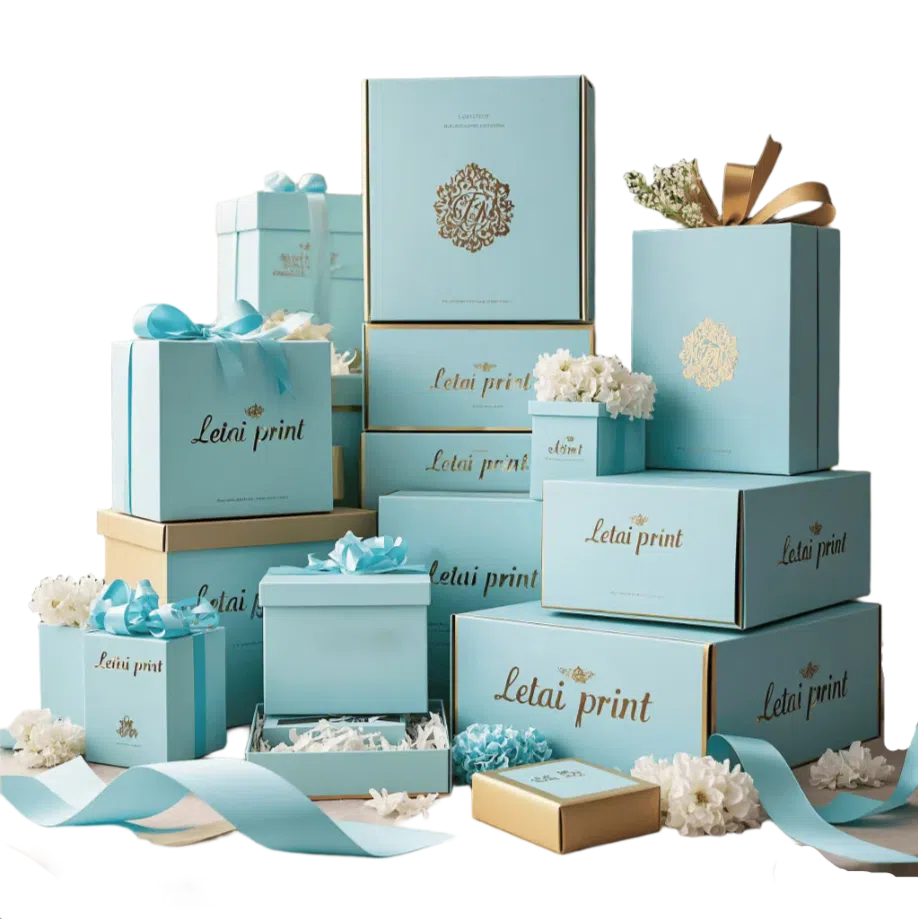
The printing on your package is very important. It affects your product’s final look and cost. This guide explains the six essential printing techniques to help you choose the best one for your project.
Offset Printing: One of the Basic Printing Techniques

What is Offset printing, and when to use it?
Offset printing is an indirect printing method. It doesn’t press ink directly onto the paper. Instead, the ink is first transferred from a metal plate to a rubber blanket. Then, the rubber blanket presses the image onto the paper. This process protects the printing plate from wear.
This technique is the go-to choice for large printing jobs. Think thousands of boxes or more. It is perfect when you need high-quality, photo-realistic images on your packaging.
The Feature of Offset Printing
Offset printing creates amazing coloroften using the CMYK color model to reproduce photos and complex designs with great detail. Colors look rich and accurate, making it ideal for packaging that needs to stand out on a shelf.
It also works well with many types of paper. You can use it on coated paper, matte paper, and even some types of kraft paper. This flexibility gives you more design options.
The biggest advantage is the cost for large runs. Making the printing plates is not expensive. As you print more, the price for each box goes down significantly. This makes it very affordable for mass production.
When not to Suggest Using Offset Printing?
You should avoid offset printing for small projects. The setup cost is high. If you only need a few hundred boxes, the price per box will be very high.
The process is not cost-effective for short runs or limited-edition packaging. It also takes more time to set up than other methods, so if you need your packaging very quickly, another option might be better.
Flexographic Printing: The Huge Order Printing Techniques

What is Flexographic Printing, and When to Use it?
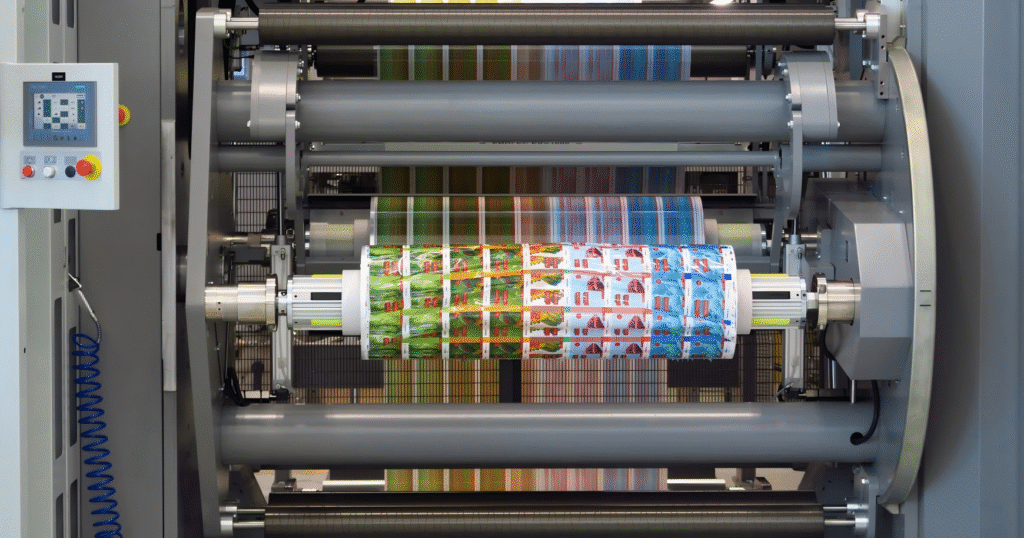
Flexographic printing, or “Flexo,” is like a modern, high-speed version of rubber stamping. It uses a flexible plate with a raised image. Ink is applied to the raised parts, and the plate stamps the design directly onto the paper. It is a direct printing process.
This method is perfect for huge production runs. Use it for printing on materials like corrugated cardboard, paper bags, and food wrappers. It is the best choice when speed and volume are your top priorities.
The Feature of Flexographic Printing
Flexo is very eco-friendly. It often uses water-based inks. These inks are safe and don’t release harmful chemicals. This makes it a top choice for food and medicine packaging.
This method is also incredibly fast. It prints from large rolls of paper instead of single sheets. This allows the machines to run continuously at high speeds. It is perfect for producing millions of packages quickly.
Flexo printing is very versatile. It can print on many different materials. This includes thin paper, rough kraft paper, and even corrugated cardboard. Some machines can also cut, fold, or add other finishes right after printing, which saves a lot of time.
When not to Suggest Using Flexographic Printing?
Flexo is not the best choice for small print jobs. The cost to create the flexible plates can be high. If you only need a few thousand items, the price per piece will be too expensive.
It is also not ideal for printing extremely detailed, photo-quality images. Other methods, like offset printing, are better for capturing very fine details and smooth color gradients. Flexo is great for logos and simpler graphics, but less so for complex pictures.
Gravure Printing: The Biggest Order Printing Techniques
What is Gravure Printing, and When to Use it?
Gravure printing uses a metal cylinder with a design etched into its surface. These tiny etched pits hold the ink. As the cylinder rotates, a blade scrapes the surface, leaving ink only in the pits.
Paper is then pressed against the cylinder, and it lifts the ink out of the pits to create a very high-quality image.
This method is only used for huge printing jobs. You would choose gravure for projects that require hundreds of thousands, or even millions, of identical packages. It is the ultimate choice for luxury brands that demand perfection.
The Feature of Gravure Printing
Gravure printing produces stunning quality. The ink layer is thick, which makes colors look incredibly vibrant and rich. The final print often has a beautiful gloss and feels very premium to the touch.
It is the best method for printing metallic colors. Gold, silver, and other metallics look shiny and realistic.
The detail is also unmatched. Gravure can print extremely fine lines and complex patterns, making it perfect for anti-counterfeiting designs on high-end products. The finished print is very durable and resists wear and water.
When not to Suggest Using Gravure Printing?
You should never use gravure printing for any project that isn’t a massive run. The setup cost is extremely high. The engraved metal cylinders are very expensive and time-consuming to make.
Because of this, it is completely wrong for small or medium-sized orders. The cost per item would be far too high. If your budget is tight or your quantity is low, you must choose a different printing method. It is also not suitable for jobs that need a quick turnaround.
Screen Printing: Thick Style Printing Techniques
What is Screen Printing, and When to Use it?
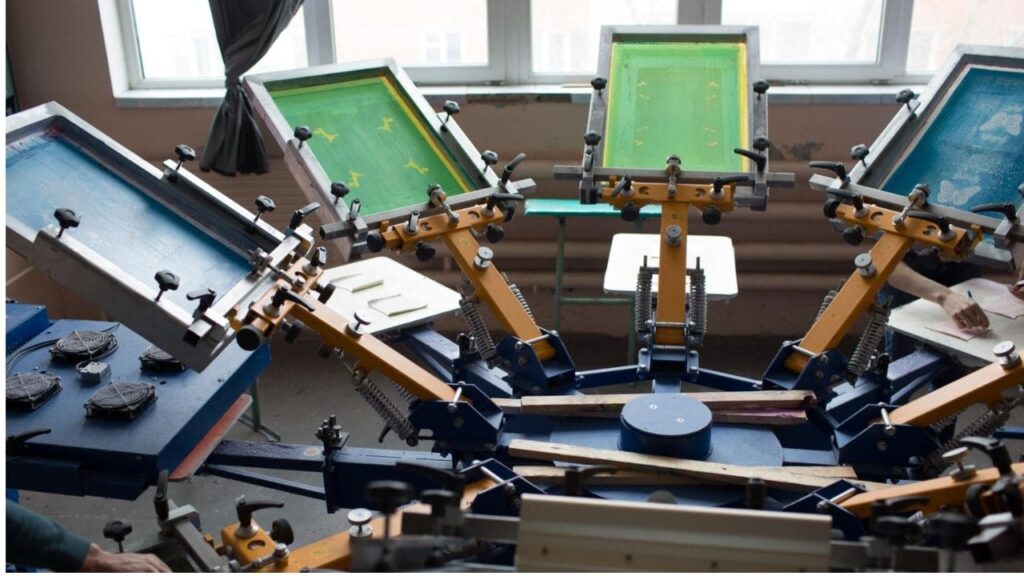
Screen printing works by pushing ink through a mesh screen onto paper. A stencil of the design is created on the screen, blocking out the areas where ink shouldn’t go. A blade, called a squeegee, moves across the screen and forces the ink through the open parts of the stencil.
You should use screen printing for small, custom jobs. It is perfect for adding special effects or printing on unique materials. This makes it a great choice for adding a raised logo to a paper bag or creating a special texture on a gift box.
The Feature of Screen Printing
The most noticeable feature of screen printing is the thick layer of ink it creates. You can actually feel the design on the paper. This gives the packaging a high-quality, three-dimensional texture.
This method allows for very creative inks. You can use special inks that glow in the dark, are fluorescent, or have a glittery finish.
Screen printing is also extremely versatile. It can print on almost any surface. It works on rough kraft paper, very thin tissue paper, and even on non-flat objects like the handles of a bag. This flexibility is unmatched by other methods.
When not to Suggest Using Screen Printing?
Screen printing is not for large-scale production. The process is slow, often done by hand or with semi-automatic machines. It can only produce a few hundred items per hour. This makes it very inefficient for big orders.
Because it is a manual process, the cost per item is high. It is not a good choice if you are on a tight budget for a large run. It is also not the best for printing very fine details or photographic images. The screen mesh limits how sharp the final image can be.
Digital Printing: The Most Flexible Printing Techniques

What is Digital Printing, and When to Use it?
Digital printing sends a computer file directly to the printer. It uses no plates. Think of it like a high-tech office printer, using lasers or inkjet to create the image on paper.
This method is perfect for speed and flexibility. Choose digital printing for small orders. Use it for creating quick samples or testing a new design.
It is also the only practical way to make limited-edition products or personalized packaging, making it a favorite for e-commerce brands that need to move fast.
The Feature of Digital Printing
Personalization is the key feature. Digital printing allows every single package to be unique. This is called variable data printing. You can add a customer’s name, a special serial number, or a unique QR code to each box without slowing down production.
Because there are no plates, setup is instant and changes are easy—just edit the file. This makes it simple to print a single, perfect sample before committing to a full run.
When not to Suggest Using Digital Printing?
Never use digital printing for large jobs. The cost per item stays high. For thousands of copies, traditional methods like offset are far cheaper.
You should also avoid it when perfect color is critical. Digital printing can struggle to reproduce the deep, rich colors and smooth gradients that offset or gravure printing achieve so well.
The ink layer is also very thin. This results in a flat image with none of the texture or premium feel you get from other methods.
Letterpress Printing: Traditional Handmade Printing Techniques
What is Letterpress Printing, and When to Use it?
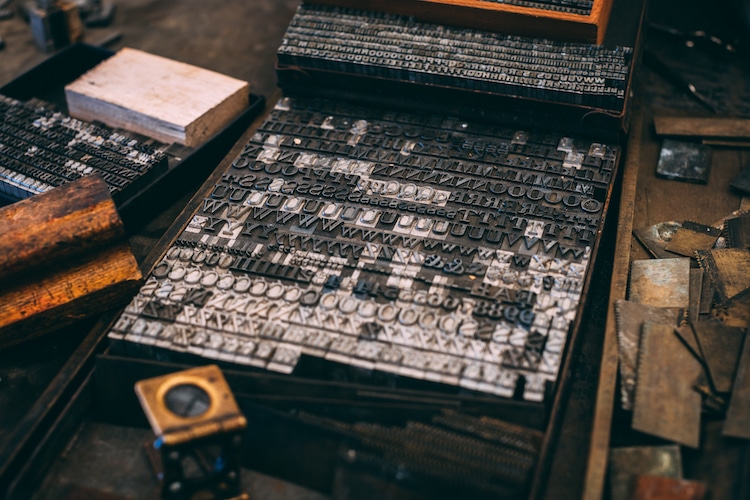
Letterpress is one of the oldest forms of printing. It works like a very elegant stamp. A raised plate, made of metal or polymer, is inked and then pressed firmly into the paper to transfer the design.
You should use letterpress when you want to create a sense of tradition and high quality. It is the perfect choice for projects where the tactile feel is as important as the visual design. Think of wedding invitations, luxury business cards, or the packaging for handmade, artisanal products.
The Feature of Letterpress Printing
The defining feature of letterpress is its unique impression. The design is physically pressed into the paper, creating a beautiful and subtle indentation that you can see and feel. This debossed effect gives the print a tangible, three-dimensional quality that feels premium.
Even though the ink layer is thin, the edges of the text and images are incredibly crisp and clean. This results in a sharp, elegant, and timeless look that is impossible to replicate with modern digital methods.
When not to Suggest Using Letterpress Printing?
Letterpress is the wrong choice for large-scale production. It is a slow, labor-intensive process that is often done by hand. Because of this, the cost per item is very high, making it completely unsuitable for big orders.
You should also avoid it for designs that feature large, solid areas of color or detailed photographs. The process excels at printing lines and text, but it can struggle to create a smooth, even look for big color blocks. It is a specialized craft, not an industrial solution.
| Printing Method | Applicable Volume | Unit Cost (at Volume) | Typical Application |
|---|---|---|---|
| Offset Printing | Medium-Large (300+) | Low | Color Boxes, Book Covers |
| Flexography | Large (10k+) | Very Low | Food Packaging, Corrugated Cartons |
| Gravure Printing | Very Large (Several 100k+) | Low (at high volume) | Tobacco & Alcohol Boxes, Luxury Gift Boxes |
| Screen Printing | Small (100s – 1k) | High | Tote Bags, Special Effect Packaging |
| Digital Printing | Very Small (10s – 100s) | Very High | Custom Packaging, Samples |
Summary: How to Choose the Right Printing Method
Choosing the right printing method is a balancing act. There is no single best choice. It always depends on your specific needs. You must consider three things: your production volume, the final look you want, and your budget.
specially as packaging printing trends after 2025 emphasize sustainability, personalization, and high-impact finishes to enhance consumer engagement and brand differentiation
Start with your batch size. This is the most important factor. For small runs under 1,000 pieces, choose digital or screen printing.
If you are producing between 1,000 and 100,000 units, offset printing is your most efficient option. For massive orders over 100,000, only flexography or gravure printing make economic sense.
Next, consider the effect you want to achieve. For perfect, vibrant colors and fine detail, use offset or gravure printing. If you need a thick, textured feel or special effects, screen printing is the only way to go.
For food or medical packaging where safety is critical, flexography with its water-based inks is the standard.
Finally, look at your budget. Flexography offers the lowest cost for general, large-scale packaging.
For high-end, luxury projects where cost is less of a concern, gravure and screen printing deliver premium results. Digital printing is perfect for custom jobs on a smaller budget, as it has no setup fees.
In the end, the best packaging often uses a combination of these methods. A high-end box might use offset printing for the base colors, add a raised logo with screen printing, and finish with a touch of foil stamping. It is this intelligent combination that creates a truly outstanding product.
Ready to find the perfect printing combination for your project?
Contact Letai Printing today. We’ll guide you through every step to ensure your packaging stands out.

I have honed my expertise in creating high-quality packaging solutions, bringing both innovation and efficiency to the field. I am passionate about delivering exceptional results and contributing to sustainable packaging practices.
- What is a CBD Box? The Ultimate Guide - June 9, 2026
- Bangle Box Ideas: Inspiring Designs for a Clutter-Free Space - June 8, 2026
- What is a Bangle Box? The Ultimate Guide - June 8, 2026
 English
  Español
  Deutsch
  Français
  Italiano
  日本語
日本語  한국어
한국어  Русский
  Português do Brasil
  العربية