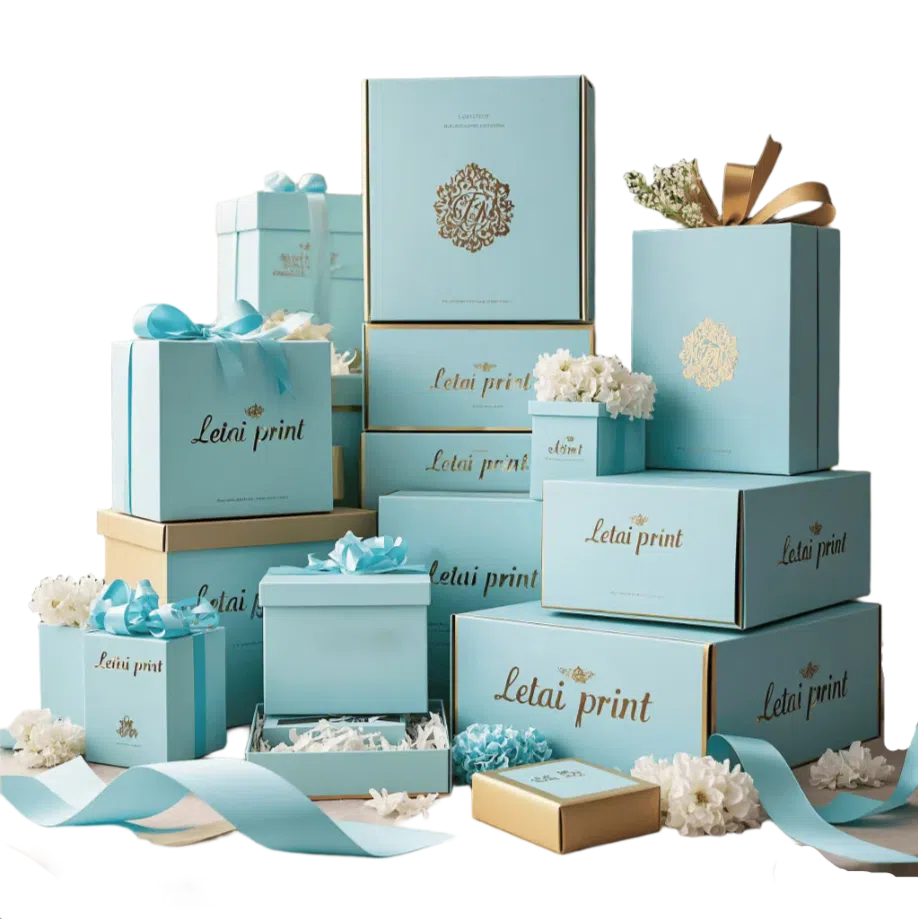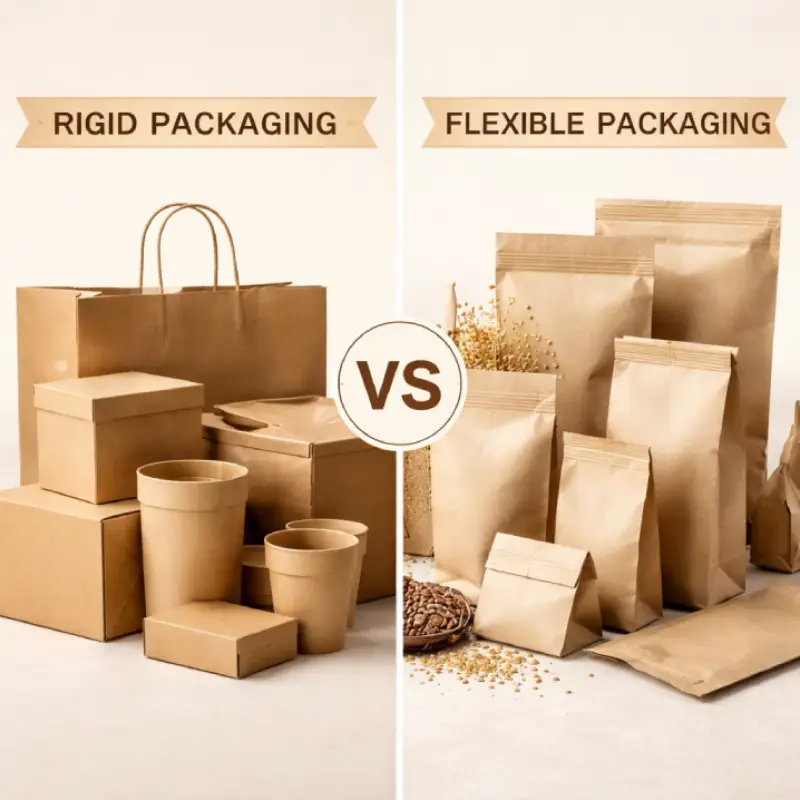
Packaging plays a crucial role in protecting products, enhancing shelf appeal, and ensuring product safety. When choosing the right packaging, companies often face a decision between rigid and flexible options. Each type has distinct features that cater to specific product needs and market requirements.
Rigid packaging is durable and strong, offering excellent protection during transportation and storage. Commonly used for items like bottles, jars, and boxes, rigid packaging is ideal for products that require stability and structure. On the other hand, flexible packaging offers versatility and cost-efficiency, making it suitable for a wide range of consumer goods.
What is Rigid Packaging?

Rigid packaging refers to containers that maintain a fixed shape and structure, providing strong protection to the contents. It’s made from materials like plastic, glass, metal, or cardboard, offering durability and stability. Common examples include bottles, jars, cans, and boxes, designed to prevent damage during handling and transportation.
Benefits of Rigid Packaging:
- Durability: Rigid packaging offers exceptional strength, ensuring the product remains safe from physical damage. It can withstand impacts, pressure, and stacking, making it ideal for fragile or perishable items.
- Product Protection: The rigid nature protects the product from environmental factors like moisture, light, and air. This helps preserve the quality and freshness, particularly for food, beverages, or pharmaceuticals.
- Branding Opportunities: The strong structure of rigid packaging provides ample surface area for branding and labeling. Businesses can take advantage of this space to create eye-catching designs that increase product visibility on shelves and attract consumers.
- Consumer Convenience: Rigid packaging is easy for consumers to handle and store. It often includes features like resealable lids or easy-open caps, making it practical for everyday use.
- Premium Perception: Many consumers associate rigid packaging with higher-quality products due to its sturdy and visually appealing nature. It elevates the perceived value of the item, making it attractive for premium goods.
What is Flexible Packaging?
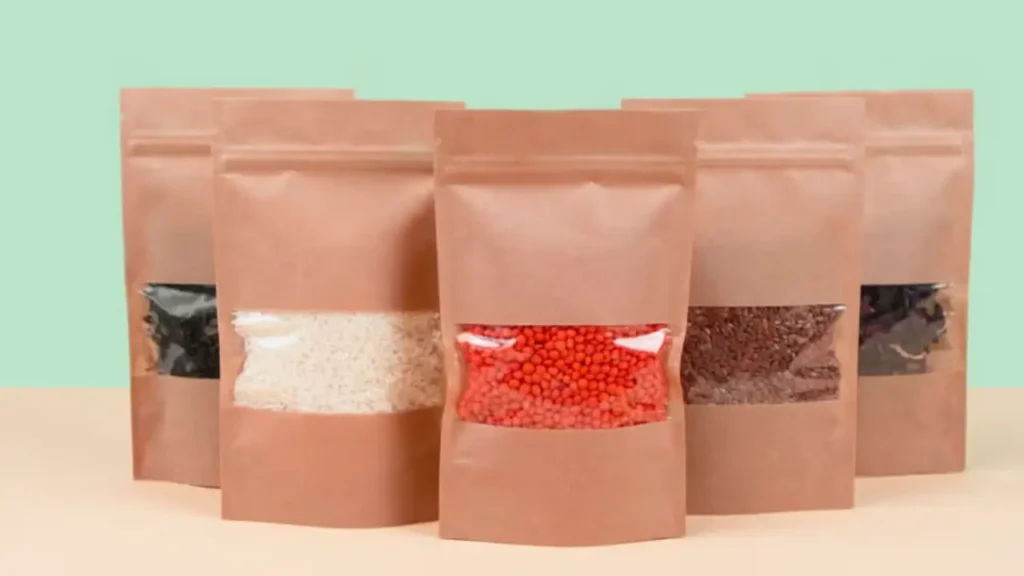
Flexible packaging refers to materials that can easily bend, fold, or change shape to fit the product inside. It’s commonly made from plastics, films, or foil, and is used for a wide variety of products like snacks, beverages, and personal care items. Its adaptability makes it a popular choice across industries.
Benefits of Flexible Packaging:
- Cost-Efficient: Flexible packaging is typically more affordable to produce compared to rigid packaging. The lightweight nature of materials reduces shipping costs and the energy required for production, offering savings for both manufacturers and consumers.
- Space-Saving: The flexible nature allows packaging to compress, making it easier to store, ship, and display products. This is especially beneficial for high-volume products that need efficient space utilization on shelves or during transport.
- Customization: Flexible packaging offers a wide range of customization options, including color, texture, and size. The ability to create eye-catching designs that align with brand identity helps attract customers and distinguish products on the shelf.
- Environmental Benefits: Many flexible packaging options are made with recyclable materials, reducing the environmental footprint compared to traditional rigid packaging. It’s also lighter, which means less material is used in production, contributing to sustainability efforts.
- Enhanced Protection: Flexible packaging can be sealed tightly, protecting products from contaminants, moisture, and air. This feature extends the shelf life of many products, ensuring they stay fresh and safe until they reach consumers.
Rigid vs Flexible Packaging
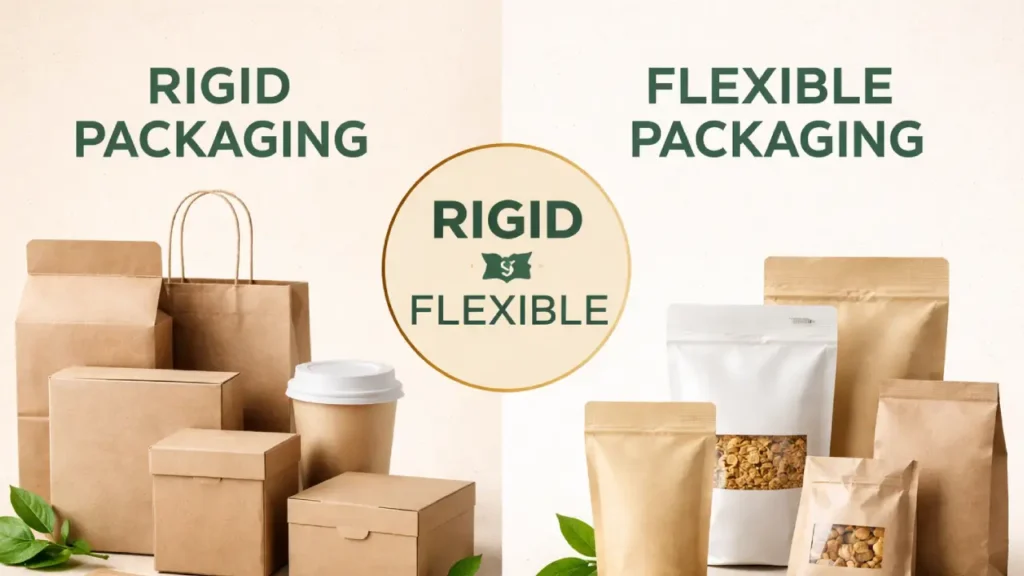
When choosing packaging for products, the decision often boils down to rigid and flexible packaging options. Each type has unique characteristics, materials, and benefits that make them suitable for different industries and applications.
Understanding these differences can help companies make informed decisions that best meet their packaging needs.
Materials
Rigid Packaging: Rigid packaging is made from materials like glass, metal, paperboard, and certain plastics. These materials are strong and hold their shape, making them ideal for products that need extra protection during shipping and handling. Glass bottles, metal cans, and cardboard boxes are some common examples of rigid packaging.
Flexible Packaging: Flexible packaging uses materials like polyethylene, polypropylene, and aluminum foil. These materials allow the packaging to bend, fold, or stretch, making it ideal for a wide range of products. It is most commonly used for food pouches, beverage bags, and products that require a lighter, more adaptable design.
Design and Customization
Rigid Packaging: Rigid packaging is designed for durability and structure. It offers limited flexibility in terms of shape but can be highly customized with labels, colors, and sizes to create a strong brand presence. Custom shapes, textures, and embossing are commonly used to enhance the product’s appeal.
Flexible Packaging: Flexible packaging is versatile in design and offers more opportunities for unique shapes and creative features. It can be customized in various ways, such as with resealable zippers, spouts, or windows. The ability to print directly onto the surface makes it easier to integrate branding elements and make products stand out.
Benefits
Rigid Packaging: One of the primary benefits of rigid packaging is its strength and ability to protect delicate products from damage during transit. It provides superior protection from external factors like moisture, light, and physical impact. The sturdy nature of rigid packaging also makes it a more premium option for high-end products.
Flexible Packaging: Flexible packaging offers several benefits, including lower material costs, reduced weight, and more efficient storage. It can help brands save on production and transportation costs due to its lightweight nature. Additionally, flexible packaging can be made from recyclable materials, helping businesses reduce their environmental footprint.
Application Industries
Rigid Packaging: Rigid packaging is widely used in industries where product integrity and safety are paramount, such as in food, pharmaceuticals, cosmetics, and beverages. Examples include medicine bottles, wine bottles, and boxed goods. It is preferred when the product requires a premium look or is fragile, like perfumes and luxury items.
Flexible Packaging: Flexible packaging is prevalent in industries such as food, snacks, pet food, beverages, and personal care. It’s especially suitable for products that need a convenient, space-saving package, such as granola bars, coffee bags, and cleaning products. Flexible packaging is also used in bulk packaging for ease of transportation and storage.
Sustainability
Rigid Packaging: Rigid packaging, while highly protective, often has a larger carbon footprint due to its production and transportation requirements. However, certain rigid materials like glass and aluminum are recyclable, and many manufacturers are increasingly using recycled content to improve sustainability.
Flexible Packaging: Flexible packaging has made significant strides in sustainability, with many options now made from recyclable or biodegradable materials. The lightweight nature of flexible packaging reduces energy use in transport, making it a more eco-friendly option. However, not all flexible packaging is recyclable, so choosing the right materials is essential.
Here is a chart showing you the differences between rigid packaging and flexible packaging:
| Aspect | Rigid Packaging | Flexible Packaging |
|---|---|---|
| Materials | Glass, metal, paperboard, plastic | Polyethylene, polypropylene, aluminum foil |
| Design and Customization | Custom shapes, labels, embossing | Versatile designs, resealable options, window packaging |
| Benefits | Durability, premium look, superior protection | Cost-effective, lightweight, space-saving, recyclable |
| Application Industries | Food, pharmaceuticals, cosmetics, beverages | Food, snacks, pet food, personal care, cleaning products |
| Sustainability | Often less eco-friendly, but recyclable materials available | More eco-friendly, lightweight, recyclable options available |
How to Choose Rigid and Flexible Packaging?
Choosing the right packaging depends on various factors such as product type, budget, shelf life, and branding. Both rigid and flexible packaging offer distinct advantages, but selecting the best option involves evaluating the specific needs of the product and the intended consumer experience.
Factors to Consider:
- Product Protection: Choose rigid packaging if your product is fragile or requires extra protection during transportation and storage. Glass jars, metal cans, and cardboard boxes are ideal for sensitive items. Flexible packaging is better for products that need flexibility in storage but less protection.
- Cost Efficiency: Flexible packaging tends to be more affordable due to lower material and transportation costs. It also requires less storage space, which reduces warehouse expenses. Rigid packaging, while more durable, can be more expensive to produce and ship because of its heavier and bulkier nature.
- Shelf Appeal: If your product requires a premium or visually striking presentation, rigid packaging is a great choice. Its sturdy structure often conveys luxury. For products needing vibrant, eye-catching designs and space-saving features, flexible packaging offers more creative and customizable design options.
- Sustainability: If environmental impact is a priority, flexible packaging often provides a more sustainable option, especially if it’s made from recyclable or biodegradable materials. However, rigid packaging like glass and aluminum can also be eco-friendly, as they are recyclable and have a longer life cycle.
- Industry Requirements: Consider industry regulations and standards when choosing packaging. For example, food and beverage products often require specific materials to ensure safety and preserve freshness. Pharmaceuticals may require tamper-evident or child-resistant packaging, where rigid materials can be a better option for compliance.
Conclusion
When selecting between rigid and flexible packaging, it’s essential to consider factors like product type, protection needs, and branding. Rigid packaging excels in providing robust protection for fragile products, while flexible packaging offers more economical and space-efficient solutions. Both have their advantages depending on your specific requirements.
For businesses looking to source packaging, it’s important to choose the right supplier who can provide both rigid and flexible options. Our manufacturing services offer high-quality solutions tailored to your needs, whether you’re looking for sturdy containers or flexible pouches. We can help streamline your packaging process with reliable products.
If you’re ready to make a choice, our manufacturer can offer wholesale rigid and flexible packaging solutions that meet your unique specifications. We guarantee competitive pricing, customizable designs, and superior quality for both rigid and flexible packaging. Reach out today to find the best solution for your products.

I have honed my expertise in creating high-quality packaging solutions, bringing both innovation and efficiency to the field. I am passionate about delivering exceptional results and contributing to sustainable packaging practices.
- Perfume Box Ideas: Stylish Packaging for High-End Fragrances - June 1, 2026
- Shoe Box Size: Perfect Dimensions for Organizing Your Shoes - May 25, 2026
- Pizza Box Sizes: Tips to Save on Packaging Costs - May 22, 2026
 English
  Español
  Deutsch
  Français
  Italiano
  日本語
日本語  한국어
한국어  Русский
  Português do Brasil
  العربية