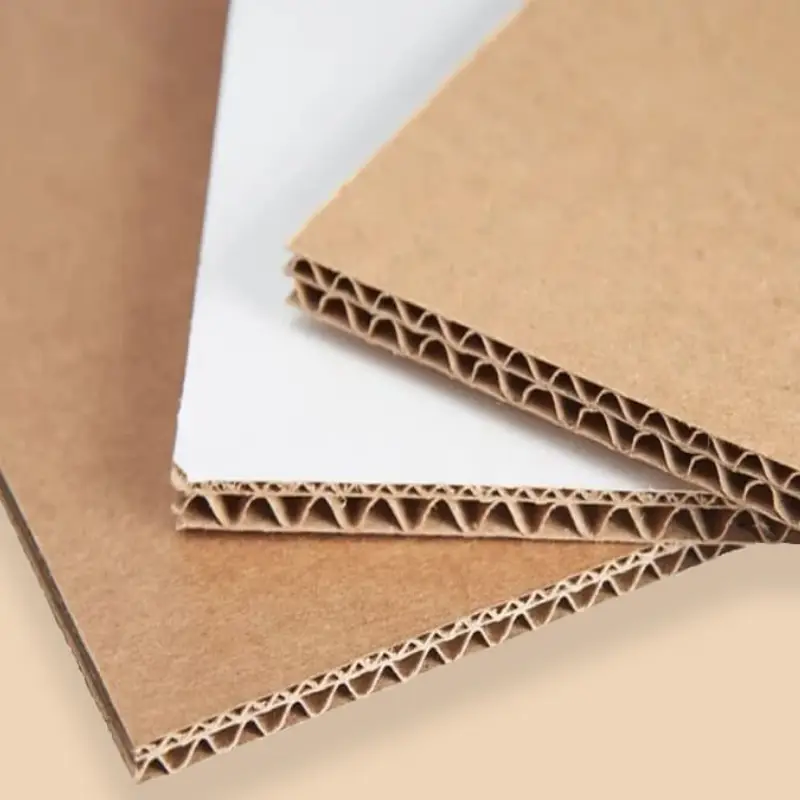
Cardboard is a popular material used for packaging, but it comes in two main types: corrugated and non-corrugated. Understanding the differences between these two is essential for choosing the right one for your products. This blog will explore the characteristics, uses, and advantages of each type of cardboard.
While corrugated cardboard offers extra protection and strength due to its fluted layers, non-corrugated cardboard is typically thinner and smoother. Whether you’re looking for lightweight packaging or a sturdy solution for heavier items, knowing which type to choose will help you make the right decision for your business.
What is Corrugated Cardboard?
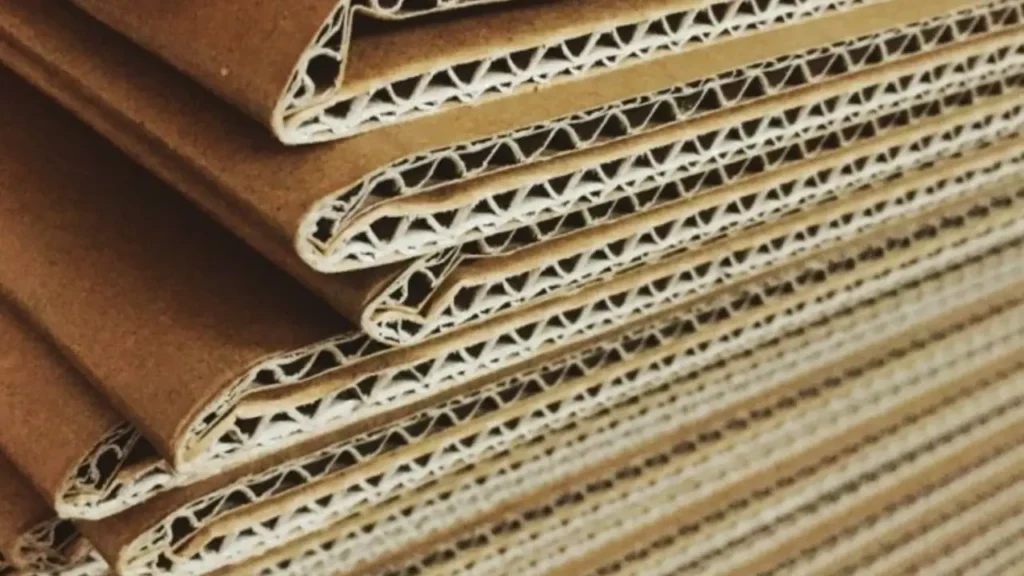
Corrugated cardboard is a strong, lightweight material made of three layers: two flat liners and a fluted inner layer. It is commonly used for packaging due to its durability and protective qualities. Its design allows it to absorb shocks and prevent damage to goods during shipping, making it an ideal choice for a variety of applications.
Application Industries:
- Shipping & Logistics: Used to pack fragile or heavy items, it ensures safe transport, with custom-sized boxes for specialized products.
- Retail Packaging: Lightweight and easy to store, corrugated cardboard is used for consumer goods and displays, while printed designs enhance branding.
- Food & Beverage: Helps preserve freshness and security for packaged meals, drinks, and produce, while being eco-friendly and sustainable.
- Electronics: Provides shock protection for delicate items like phones and computers, with customizable packaging for secure fits.
- Manufacturing & Industrial: Essential for packaging machine components and industrial items, with versatility for bulkier products through custom box sizes.
What is Non Corrugated Cardboard?
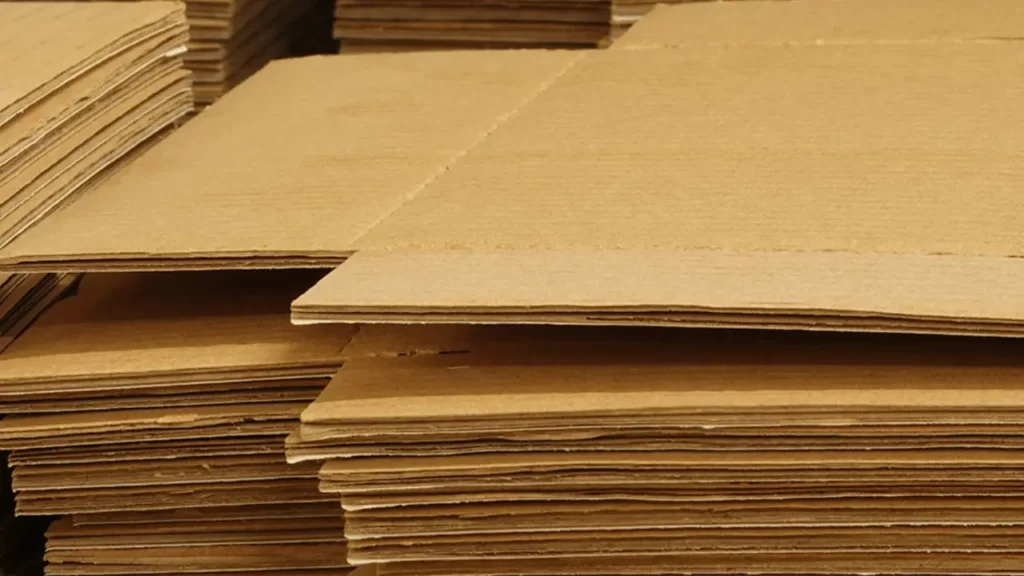
Non-corrugated cardboard, also known as paperboard or chipboard, is a single-layer material that is thinner and more rigid than corrugated cardboard. It is often used for packaging applications that require less protection but still need durability and a clean, smooth surface. Non-corrugated cardboard is lightweight, cost-effective, and ideal for less fragile items.
Application Industries:
- Retail Packaging: Commonly used for packaging smaller consumer goods like cereal boxes and product packaging, providing durability and cost-efficiency.
- Food & Beverage: Often used for packaging dry food products such as cookies and snacks, offering a smooth surface for branding and printing.
- Printing & Publishing: Used for book covers, folders, and other printed materials due to its smooth, printable surface and strength.
- Stationery & Office Supplies: Utilized for packaging office products like notebooks and file folders, offering lightweight protection with a clean finish.
- Toys & Gifts: Non-corrugated cardboard is often used for packaging toys, gift boxes, and craft items due to its smooth surface and ease of customization.
Corrugated vs Non Corrugated Cardboard
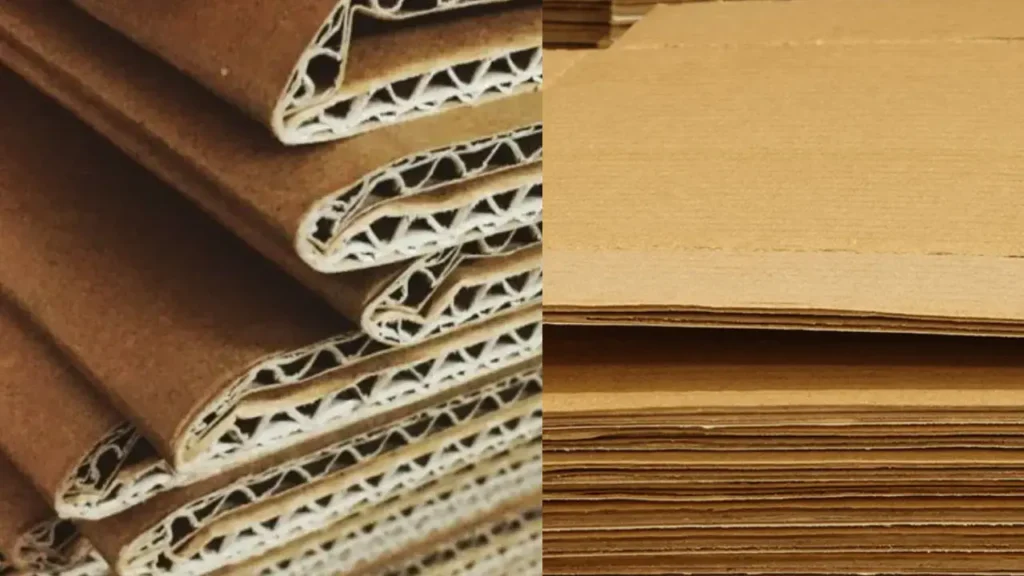
Non-corrugated cardboard, or paperboard, is a flat, single-layer material used primarily for packaging lightweight and less fragile items. It’s thinner and more rigid compared to corrugated cardboard, offering a smooth surface that’s ideal for printing.
Non-corrugated cardboard is a cost-effective option for various industries, providing protection and flexibility for a wide range of products.
Features
Non-corrugated cardboard is made from a single layer of paperboard, which gives it a smooth, firm texture. It is often used where lightweight packaging is required. The material can be coated or uncoated, offering different finishes based on the intended use.
It can be easily cut and shaped to fit specific products, making it a versatile material for custom packaging. Its smooth surface is also ideal for printing logos and designs, which is why it’s commonly used in retail packaging.
Benefits
One of the primary benefits of non-corrugated cardboard is its cost-effectiveness. Because it is thinner and uses less material, it is typically less expensive than corrugated options.
It is also lightweight, which makes it an ideal solution for packaging that doesn’t need to offer heavy-duty protection. This results in lower shipping costs for businesses, which helps reduce overall expenses.
Applications
Non-corrugated cardboard is commonly used for a variety of products such as food packaging (e.g., cereal boxes), retail items (e.g., cosmetic packaging), and paper-based products (e.g., folders, book covers).
It’s widely used in the production of smaller, lightweight packaging solutions where strength isn’t a primary concern. Additionally, its smooth surface makes it great for packaging that requires printing, such as branded retail products.
Cost
Non-corrugated cardboard is typically more affordable than corrugated cardboard because it is made from fewer materials.
Its production process is also simpler, which translates to a lower overall cost per unit. This makes it a preferred option for businesses seeking to minimize packaging costs while still providing a professional appearance.
Durability
While non-corrugated cardboard is durable enough for lightweight products, it doesn’t offer the same level of protection as corrugated cardboard.
It is more prone to bending, crushing, and tearing under stress, so it’s best suited for products that don’t require heavy protection during shipping. For high-impact resistance, it’s often paired with additional internal padding.
Here is a chart about the differences between non-corrgated cardboard and corrugated cardboard:
| Aspect | Non-Corrugated Cardboard | Corrugated Cardboard |
|---|---|---|
| Features | Single layer, smooth texture, printable surface | Multi-layer with fluted inner layer for strength |
| Benefits | Cost-effective, lightweight, easy to print on | Strong, durable, great for heavy or fragile items |
| Applications | Food packaging, retail boxes, printed materials | Electronics, shipping boxes, industrial use |
| Cost | Lower cost due to simpler production process | Higher cost due to multi-layer construction |
| Durability | Less durable, prone to bending and crushing | Highly durable, impact-resistant |
Considerations about Choosing Corrugated and Non Corrugated Cardboard?
When choosing between corrugated and non-corrugated cardboard, several factors should be considered. The choice depends on the product’s size, weight, fragility, and the level of protection needed during shipping.
Understanding these aspects helps ensure cost-efficiency while providing adequate protection for your goods.
Product Fragility
The fragility of your product plays a key role in determining the type of cardboard to use.
- For fragile items like electronics or glass, corrugated cardboard provides superior protection due to its multiple layers.
- Non-corrugated cardboard is better suited for sturdier, lightweight products that don’t require extensive protection.
Weight of the Product
The weight of your product determines how much strength the packaging material needs to have.
- Heavier products typically require corrugated cardboard, which provides additional strength and impact resistance.
- Lighter items can often be packaged using non-corrugated cardboard, which is more cost-effective and easier to handle.
Shipping Distance and Conditions
The shipping distance and environmental conditions are important considerations when selecting packaging materials.
- For long-distance or international shipping, corrugated boxes are more reliable, offering greater protection against rough handling and environmental factors.
- Non-corrugated boxes are more suitable for short-distance shipments or items that won’t be exposed to harsh conditions.
Branding and Printing Needs
If your packaging needs to carry branding or product information, the material you choose will affect the design.
- Non-corrugated cardboard offers a smooth surface that’s ideal for high-quality printing and sleek branding.
- Corrugated cardboard, while durable, may not provide the same print quality due to its textured surface.
Cost Efficiency
Cost plays a major role in the decision-making process.
- Non-corrugated cardboard is generally more affordable due to its simple construction and fewer materials.
- Corrugated cardboard, while more expensive, offers greater durability and protection, which may justify the higher cost for more delicate or heavier items.
Conclusion
Choosing between corrugated and non-corrugated cardboard depends largely on the level of protection needed for your products. Corrugated cardboard is ideal for heavier, fragile items, while non-corrugated options work well for lighter, less delicate items. Understanding these distinctions can help you optimize packaging costs and effectiveness.
For businesses seeking durable, cost-effective packaging, corrugated cardboard is the go-to solution. With its superior strength and protective qualities, it ensures your products arrive at their destination safely. Whether you need regular, double-wall, or custom-sized boxes, corrugated cardboard provides the reliability you need for shipping and storage.
At Letai Packaging, we offer high-quality wholesale corrugated boxes that cater to various business needs. From small to large quantities, our boxes are designed for durability and efficiency, ensuring your products are protected throughout the shipping process. Contact us today to find the perfect corrugated box solutions for your business!

I have honed my expertise in creating high-quality packaging solutions, bringing both innovation and efficiency to the field. I am passionate about delivering exceptional results and contributing to sustainable packaging practices.
- What is a CBD Box? The Ultimate Guide - June 9, 2026
- Bangle Box Ideas: Inspiring Designs for a Clutter-Free Space - June 8, 2026
- What is a Bangle Box? The Ultimate Guide - June 8, 2026
 English
  Español
  Deutsch
  Français
  Italiano
  日本語
日本語  한국어
한국어  Русский
  Português do Brasil
  العربية