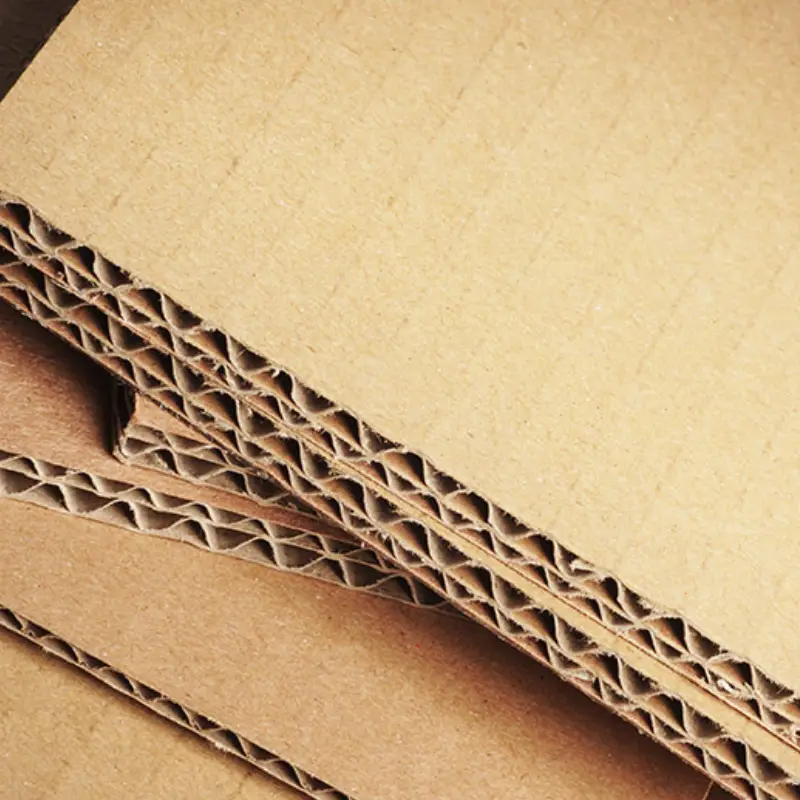
Corrugated cardboard is a versatile material widely used for packaging. Its structure consists of a fluted layer sandwiched between two flat layers, providing strength and durability. This design allows it to withstand pressure and protect products during shipping.
In this ultimate guide, we will explore the types, benefits, and uses of corrugated cardboard. Understanding these aspects helps businesses make informed choices for their packaging needs, ensuring both efficiency and sustainability.
What is Corrugated Cardboard?
Corrugated cardboard is a sturdy and lightweight material made up of three layers: an inner fluted layer and two outer flat layers.
The fluted middle layer provides strength and cushioning, making it ideal for protecting goods during shipping and storage. Widely used in packaging, it is durable, cost-effective, and recyclable, offering both functionality and eco-friendliness.
What Are Corrugated Boxes Made Of?

Corrugated boxes are made from three layers of paperboard: an inner fluted layer and two outer flat layers. The fluted layer adds strength and cushioning, while the flat layers provide a smooth surface for printing and labeling. Below is a breakdown of the materials that make up corrugated boxes:
- Paper: The primary material used in corrugated boxes is paper, typically kraft paper, known for its durability and strength. It is sourced from both recycled and virgin wood pulp, making it a sustainable choice.
- Fluting: The middle layer, or fluting, is made of a wavy, crinkled paper that provides structural integrity and shock absorption. Fluting adds cushioning to protect the contents and prevents damage from impacts during shipping.
- Linerboard: The outer layers of corrugated boxes are made of linerboard, a thick, smooth paper that provides strength and durability. It acts as a protective layer, offering resistance to tearing and helping to keep the box’s shape intact.
- Recycled Materials: Many corrugated boxes are made from recycled paper, which helps reduce environmental impact. The use of recycled paper contributes to sustainability efforts and ensures that the boxes remain cost-effective without compromising quality or strength.
- Adhesive: The layers of the box are glued together using a strong adhesive. The adhesive is typically water-based and safe for both manufacturing and recycling processes, ensuring the boxes maintain their integrity while being environmentally friendly.
- Coatings: Some corrugated boxes are coated with a layer of wax or other water-resistant materials to make them more suitable for certain conditions, such as exposure to moisture or cold temperatures, while maintaining the strength and protection of the packaging.
- Printing Ink: Corrugated boxes often feature printed logos, branding, and product information. The ink used for printing is eco-friendly and designed to withstand the rigors of transportation without fading, providing excellent promotional value for businesses.
What’s Inside Corrugated Cardboard?
Corrugated cardboard consists of several layers that work together to provide strength, flexibility, and durability. The unique structure helps protect goods during shipping and storage, making it an ideal material for packaging. Here’s a breakdown of what’s inside corrugated cardboard:
- Fluted Layer: The wavy, crinkled layer of paper inside the cardboard, known as the flute, adds cushioning and strength. It helps absorb shock, preventing damage to products during transit while maintaining the overall structure of the box.
- Linerboards: The two flat outer layers, or linerboards, are made of thicker, smooth paper. These provide stability and durability, offering resistance to tearing and protecting the inner fluted layer. They also serve as a surface for printing labels and logos.
- Adhesive: A strong, water-based adhesive is used to bond the fluted layer to the linerboards. The adhesive ensures that the layers stay together, creating a robust structure that can withstand heavy loads and rough handling.
- Recycled Paper: Corrugated cardboard often contains recycled paper, making it an eco-friendly option. Using recycled materials reduces waste and helps conserve resources, while still maintaining the strength and functionality of the packaging.
- Coatings: Some corrugated cardboard may have coatings, such as wax or plastic films, to enhance water resistance or provide extra protection from external elements. These coatings help maintain the integrity of the cardboard, especially for products that need additional protection.
- Microflute: Some types of corrugated cardboard use microflutes, which are smaller and finer than traditional flutes. This makes the material lighter and more flexible, while still providing the necessary cushioning and strength, especially for smaller or lighter products.
- Printing: The outer layers of corrugated cardboard often feature printed designs, logos, and product information. The ink used for printing is typically water-based, ensuring that the box is both visually appealing and environmentally friendly.
What Are Corrugated Boxes Used For?

Corrugated boxes are essential in packaging due to their strength, versatility, and protective qualities. These boxes are used across various industries for shipping, storage, and product protection.
Below are eight industries where corrugated boxes play a critical role:
- E-commerce: Corrugated boxes are commonly used in e-commerce to safely deliver a wide range of products to consumers. Their ability to withstand shipping pressures and be tailored to various sizes makes them ideal for online retailers.
- Food & Beverage: In the food and beverage industry, corrugated boxes ensure safe transit of packaged goods. They provide necessary protection from contamination, preserve freshness, and can be designed for temperature control to meet food safety regulations.
- Retail: Retail businesses depend on corrugated boxes for packaging products, whether for in-store displays or shipping orders. They are sturdy, easy to stack, and offer significant branding space for companies looking to enhance customer experience.
- Electronics: The electronics industry relies on corrugated boxes for their durability in protecting fragile products like smartphones, computers, and televisions. These boxes provide shock resistance, preventing damage from drops or rough handling during transport.
- Pharmaceutical: For pharmaceutical companies, corrugated boxes safeguard medications and medical equipment from physical damage and environmental factors. They are also essential for maintaining product integrity, such as temperature-sensitive shipments, ensuring regulatory compliance.
- Furniture: Furniture manufacturers and distributors utilize large corrugated boxes to protect items like tables, chairs, and cabinets during storage and shipping. These boxes are designed to prevent scratches, dents, and other damage, ensuring products arrive in perfect condition.
- Cosmetics: Cosmetics companies use corrugated packaging to protect their products, including lotions, perfumes, and skincare items, from damage. The material’s versatility also allows for custom branding, offering companies an opportunity to enhance their product presentation.
- Automotive: The automotive industry uses corrugated boxes to package spare parts, tools, and accessories. These boxes provide excellent protection against external factors, preventing scratches and dents to parts while maintaining a clean and secure shipping process.
Different Types of Corrugated Board

Corrugated board comes in several types, each designed for specific applications based on strength, flexibility, and durability. The different types vary in the number of layers and flute sizes, providing varying degrees of protection and support. Below are some common types of corrugated board:
- Single Wall Corrugated Board: This type consists of one layer of fluted paper sandwiched between two linerboards. It is the most commonly used corrugated board, offering sufficient strength for lightweight items and general packaging needs. Ideal for shipping and storage, it balances durability with cost-effectiveness.
- Double Wall Corrugated Board: Double-wall corrugated board has two layers of fluted paper with three linerboards. This increases the strength and cushioning properties, making it ideal for heavy-duty packaging. It offers better protection for fragile or bulky items, especially for longer shipping times or challenging handling conditions.
- Triple Wall Corrugated Board: With three layers of fluted paper and four linerboards, triple-wall corrugated board is extremely strong and durable. This type is used for very heavy-duty packaging, such as large machinery or heavy products. It provides exceptional protection from impact, pressure, and environmental elements during transport.
- Microflute Corrugated Board: Microflute boards have smaller flutes, making them lighter and thinner than standard fluted cardboard. They are used for products that require a more compact and lighter packaging solution, such as consumer electronics or printed materials, offering flexibility and a premium finish.
- Eco-friendly Corrugated Board: Eco-friendly corrugated boards are made from 100% recycled materials or are designed to be fully recyclable. These boards provide sustainable packaging options for companies aiming to reduce their environmental impact while still delivering reliable protection for products.
Here is a chart showing you the different types of corrugated board
| Type | Number of Layers | Applications | Strength & Durability |
|---|---|---|---|
| Single Wall | 3 | Light to medium-duty packaging | Standard protection, cost-effective |
| Double Wall | 5 | Heavy-duty packaging | Increased protection for fragile items |
| Triple Wall | 7 | Very heavy-duty packaging | Maximum strength, ideal for heavy items |
| Microflute | 3 | Lightweight, premium packaging | Light, compact, yet strong |
| Eco-friendly | 3-5 | Sustainable packaging | Environmentally friendly, recyclable |
Why is Corrugated Cardboard Important?
Corrugated cardboard is an essential material in packaging, offering numerous advantages that make it a top choice for businesses worldwide. Its strength, versatility, and eco-friendliness provide value to both manufacturers and consumers. Here’s why corrugated cardboard is so important:
- Durability: Corrugated cardboard is highly durable, capable of withstanding rough handling during transportation and storage. Its layered structure provides excellent protection against external pressures, impacts, and even moisture, ensuring that products reach their destination undamaged.
- Lightweight: Despite its strength, corrugated cardboard is relatively lightweight. This reduces shipping costs while still offering robust protection. Businesses can save on transportation expenses while ensuring that products are well-protected during transit, making it an efficient packaging choice.
- Recyclability: One of the most significant benefits of corrugated cardboard is its recyclability. Made primarily from paper, it can be reused and recycled multiple times, reducing waste and promoting sustainability. This makes it a more environmentally friendly option compared to other packaging materials.
- Cost-Effective: Corrugated cardboard is a relatively inexpensive material, making it a budget-friendly choice for businesses. Its cost-effectiveness, combined with its protective properties, makes it an ideal solution for companies looking to reduce packaging expenses while maintaining quality.
- Customization: Corrugated cardboard can be easily customized in terms of size, shape, and design. This flexibility allows businesses to create packaging that suits their specific products and branding needs, ensuring a tailored fit and enhancing the customer experience.
- Branding Opportunities: The smooth surface of corrugated cardboard is ideal for printing logos, product details, and other branding elements. Companies can use this to promote their brand, creating an attractive and professional look that enhances their packaging’s appeal.
- Protection: The fluted inner layer of corrugated cardboard offers cushioning, preventing damage to fragile items during transport. Its shock-absorbing qualities make it ideal for packaging sensitive products, such as electronics or glassware, ensuring they arrive in perfect condition.
- Versatility: Corrugated cardboard can be used in a wide variety of industries, from retail to food, electronics, and pharmaceuticals. Its adaptability in meeting the needs of different sectors makes it a highly versatile packaging material, suitable for countless applications.
How to Choose Your Corrugated Cardboards?

Choosing the right corrugated cardboard for your packaging needs depends on several factors, including the type of product, durability requirements, and environmental considerations. Here’s how to select the best option for your business:
- Product Type: Consider the size, weight, and fragility of your product. Heavier or fragile items need thicker, more robust cardboard, such as double or triple-wall options, while lighter products can be packaged in single-wall corrugated boxes.
- Durability: Evaluate the conditions your package will face during shipping and handling. For items that will be exposed to rough conditions, double or triple-wall corrugated board provides extra protection. For less demanding conditions, single-wall cardboard may suffice.
- Size & Shape: Ensure the box fits your product perfectly to minimize movement during transit. Corrugated cardboard can be customized to match specific dimensions, but the box should not be too large or too tight, as either can lead to damage or increased shipping costs.
- Environmental Impact: If sustainability is important to your brand, choose corrugated cardboard made from recycled materials or opt for eco-friendly, recyclable options. Many manufacturers offer corrugated boxes that are 100% recyclable, helping reduce waste and supporting your business’s green initiatives.
- Cost: Factor in the cost of packaging when choosing corrugated cardboard. While thicker, more durable options like double or triple-wall boards offer extra protection, they tend to be more expensive. Single-wall boards are a more cost-effective choice for lighter, less fragile products.
- Printing & Branding Needs: If your packaging needs to showcase branding, ensure that the corrugated cardboard can accommodate high-quality printing. Many types of corrugated cardboard offer smooth surfaces for printing logos, product details, or promotional messages, helping to enhance your packaging’s appearance.
- Strength-to-Weight Ratio: Consider the strength-to-weight ratio of the corrugated cardboard. A balance between strength and weight ensures cost-effective shipping without sacrificing protection. Corrugated boards with microflute layers, for instance, provide strength while keeping the weight low, making them ideal for lightweight but sturdy packaging needs.
- Shipping Requirements: Understand the nature of your shipping method. If your products need to be stored for long periods or shipped internationally, you may need stronger cardboard that can withstand potential weather conditions, moisture, or rough handling in transit. Always choose a grade suitable for the shipping journey.
Conclusion
Corrugated cardboard is an essential material in the world of packaging, offering strength, flexibility, and eco-friendliness. With various types available, businesses can select the most suitable option to meet their specific requirements.
From shipping boxes to point-of-sale displays, corrugated cardboard is used across numerous industries. Its cost-effectiveness and environmental advantages make it a preferred choice for packaging solutions.
For businesses seeking bulk options, wholesale corrugated cardboard packaging from Letai Packaging ensures both high quality and reliability. Choose us for your packaging needs and enjoy customized, sustainable solutions.

I have honed my expertise in creating high-quality packaging solutions, bringing both innovation and efficiency to the field. I am passionate about delivering exceptional results and contributing to sustainable packaging practices.
- What is a CBD Box? The Ultimate Guide - June 9, 2026
- Bangle Box Ideas: Inspiring Designs for a Clutter-Free Space - June 8, 2026
- What is a Bangle Box? The Ultimate Guide - June 8, 2026
 English
  Español
  Deutsch
  Français
  Italiano
  日本語
日本語  한국어
한국어  Русский
  Português do Brasil
  العربية