Corrugated boxes are a staple in the packaging industry, offering durability, flexibility, and cost-effectiveness. There are several types, each tailored to different needs, from single-wall to triple-wall options. Understanding these variations can help businesses make informed decisions when it comes to product packaging, ensuring safety and efficiency.
In this blog, we’ll explore the different types of corrugated boxes and their unique uses. Whether you need lightweight packaging or robust protection for heavy-duty shipments, this guide will explain the key differences and help you choose the right type of box for your products.
What Are Corrugated Boxes?
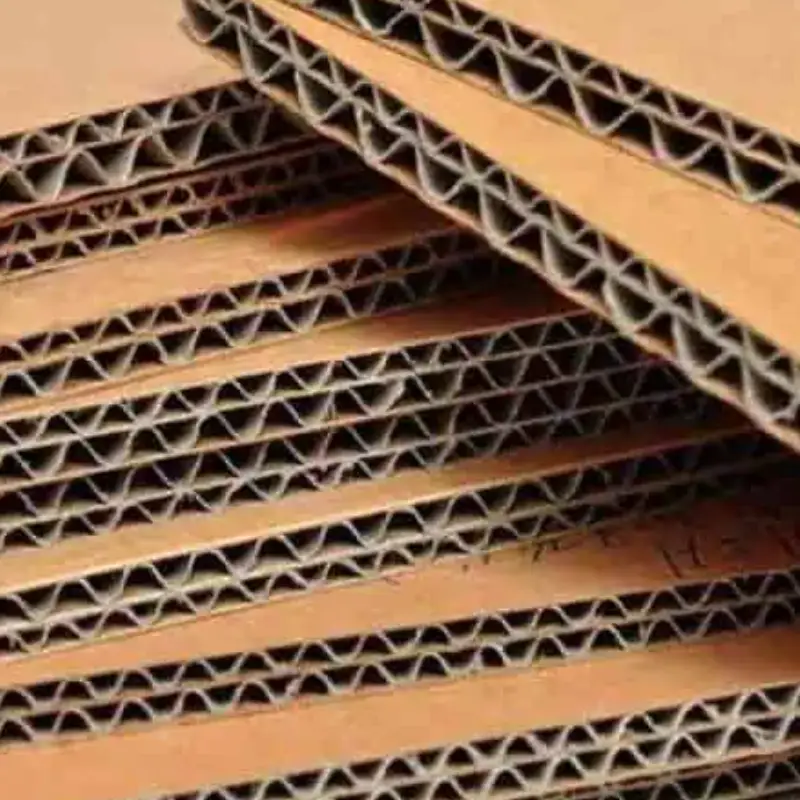
Corrugated boxes are a type of packaging made from corrugated cardboard, which consists of a fluted layer of paper sandwiched between two flat linerboards.
The fluted layer provides strength and cushioning, making it ideal for protecting items during shipping and handling. These boxes are highly versatile, offering protection for everything from fragile electronics to large, bulky items.
Types of Corrugated Boxes

Corrugated boxes come in various types, each designed to offer different levels of protection, strength, and customization based on the packaging needs. From single face to triple wall, the choice depends on factors like the product’s weight, fragility, and shipping conditions. Below are the common types of corrugated boxes and their respective features and uses.
Single Face Corrugated Boxes
Features: Single face corrugated boxes consist of a single layer of fluted paper attached to a smooth linerboard. They are lightweight yet provide basic cushioning and protection. The fluted paper helps absorb impact, while the smooth liner surface is easy to print on, offering customization for branding.
Uses: These boxes are typically used for lightweight products, fragile items, or as protective wraps for individual items. They’re ideal for in-store displays, as a protective layer around larger boxes, or for light shipping tasks that don’t require heavy-duty protection. Commonly seen in the food industry or retail packaging.
Single Wall Corrugated Boxes
Features: Single wall corrugated boxes feature one layer of fluted paper sandwiched between two linerboards. They are the most commonly used type of corrugated box, providing a balance between strength and lightweight construction. The fluted layer offers cushioning, while the linerboards ensure structural integrity.
Uses: Single wall boxes are used for a wide range of packaging needs, from small consumer goods to electronics and apparel. They are the go-to choice for everyday shipping, as they offer sufficient protection for standard products that do not face extreme handling conditions. Widely used in e-commerce and retail.
Double Wall Corrugated Boxes
Features: Double wall corrugated boxes consist of two layers of fluted paper and three linerboards. This extra layer of fluting provides additional strength and cushioning compared to single wall boxes, making them ideal for heavier or more fragile products. They are highly durable and can withstand more pressure during transportation.
Uses: Double wall boxes are used for shipping heavier products like machinery, large electronics, and bulkier items. They provide extra protection against impact and rough handling, making them suitable for items that require more robust protection. Ideal for international shipping or long-distance transportation.
Triple Wall Corrugated Boxes
Features: Triple wall corrugated boxes are made up of three layers of fluted paper and four linerboards, offering maximum strength and durability. These boxes provide superior protection against crushing, punctures, and extreme handling, making them the strongest option in the corrugated box category.
Uses: Triple wall boxes are used for shipping extremely heavy items such as large machinery, industrial equipment, or large quantities of goods. They are ideal for packaging large, bulky products that require superior protection during transit. Commonly used in industries like automotive, construction, and heavy machinery.
Here’s a chart to summarize the different types of corrugated boxes:
| Type of Box | Layers | Features | Common Uses |
|---|---|---|---|
| Single Face | 1 fluted layer + 1 linerboard | Lightweight, basic protection, easy to print on | Light packaging, protective wraps, in-store displays |
| Single Wall | 1 fluted layer + 2 linerboards | Balanced strength, lightweight, cost-effective | Everyday shipping, retail packaging, electronics |
| Double Wall | 2 fluted layers + 3 linerboards | Extra strength, enhanced cushioning | Heavy-duty shipping, fragile items, bulk goods |
| Triple Wall | 3 fluted layers + 4 linerboards | Maximum strength, superior protection | Heavy machinery, industrial equipment, large shipments |
Types of Corrugated Flutes
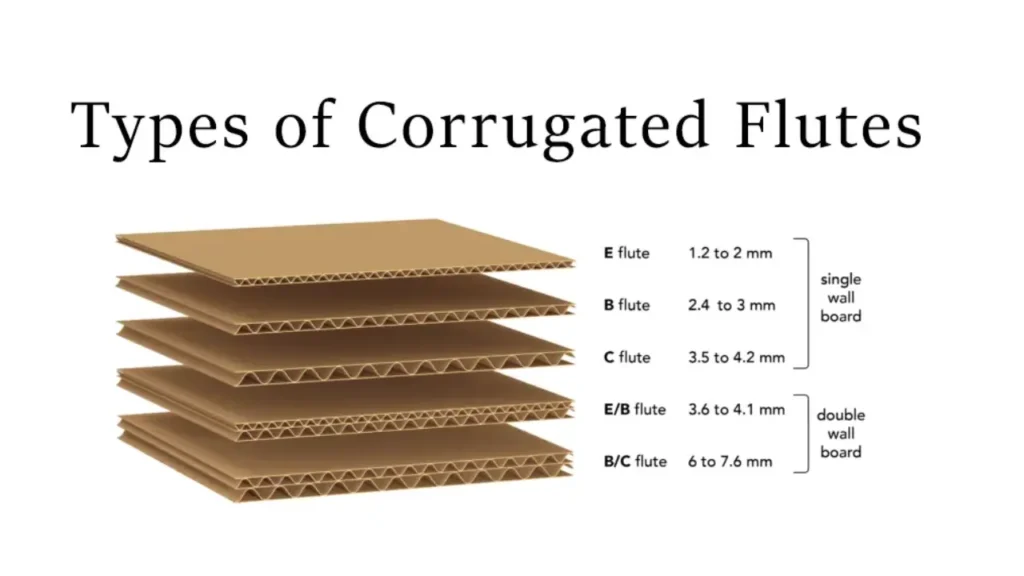
Corrugated flutes are the wavy, middle layer of corrugated cardboard that provides strength and cushioning. The size and type of flute determine the box’s strength, durability, and suitability for different applications. Here are the most common types of flutes and their uses:
- A-Flute: The largest flute size, offering the greatest strength and cushioning. A-flute provides excellent protection for fragile items and is ideal for heavy-duty packaging. It’s commonly used in boxes for shipping large or bulky items, offering enhanced shock resistance and durability during transport.
- B-Flute: Slightly smaller than A-flute, B-flute is still strong but more compact, offering good crush resistance and cushioning. It is widely used for packaging lighter, more delicate products like electronics, glassware, and retail displays. B-flute is also more efficient for printing, providing a smooth surface for branding.
- C-Flute: C-flute is a medium-sized flute, offering a balance between cushioning and strength. It is the most commonly used type for corrugated boxes, providing an effective solution for general-purpose packaging. C-flute is ideal for shipping a wide range of products, from food items to apparel, offering protection without added bulk.
- E-Flute: E-flute is the smallest flute, providing a thinner profile and smoother surface. It is often used for retail packaging or when a more compact and lightweight box is needed. E-flute boxes are ideal for smaller items and are frequently used for custom packaging, such as for cosmetic products or gift boxes.
- F-Flute: The smallest of the flutes, F-flute offers excellent printability and a very thin profile. It’s often used for lightweight packaging, such as folding cartons or small retail boxes. F-flute’s fine structure allows for more intricate printing, making it a preferred choice for high-end retail packaging.
Types of Corrugated Flutes
| Flute Type | Size | Features | Common Uses |
|---|---|---|---|
| A-Flute | Largest | Maximum cushioning and strength | Heavy-duty shipping, fragile items |
| B-Flute | Medium | Good crush resistance, smooth surface for printing | Electronics, glassware, retail displays |
| C-Flute | Medium | Balanced cushioning and strength | General-purpose shipping, food packaging, apparel |
| E-Flute | Smallest | Thin profile, smooth for printing | Retail packaging, cosmetics, small electronics |
| F-Flute | Smallest | Fine structure, excellent printability | Lightweight packaging, folding cartons, retail |
Style of Corrugated Boxes
Corrugated boxes come in various styles to suit different packaging needs, from standard shipping boxes to specialized designs that offer additional functionality. Choosing the right style ensures better product protection, branding opportunities, and enhanced customer experience. Here are some common styles of corrugated boxes:
- Regular Slotted Container (RSC): The most common style of corrugated box, where all flaps are of equal length and meet in the center. It’s versatile, cost-effective, and suitable for most products. It’s ideal for shipping and stacking, offering a balance of strength and space efficiency.
- Half Slotted Container (HSC): This box style is similar to the RSC, but it has no top flaps, making it easier to load and access products. HSCs are great for packaging bulkier items, such as large electronic devices or oversized products that don’t need top sealing.
- Full Overlap (FOL): This style has overlapping flaps on both the top and bottom, providing added strength and protection. It’s ideal for heavier or fragile products, as the overlap reinforces the box and protects the contents from impacts and external pressure.
- Telescope Box: This two-piece box style consists of a top and bottom section that fit together. The adjustable design allows for flexibility in accommodating various product sizes, providing superior protection by completely enclosing the item. It’s often used for high-value items like electronics, art, or fragile goods.
- Die-Cut Box: A custom-shaped box created by a die-cutting process to fit a specific product. These boxes offer precise dimensions and can be shaped for unique products. The die-cutting allows for a high degree of customization, making it perfect for retail displays, high-end products, and promotional packaging.
- Wrap-Around Box: This style is a one-piece design that is formed by wrapping the material around the product, offering seamless protection. The box is easily assembled by folding and closing the flaps, providing a sleek and efficient packaging solution. Wrap-around boxes are often used for packaging bottles or smaller items.
- Tray Box: Tray boxes are flat, open-top boxes used for packaging items that need to be displayed or easily accessed. Typically used in retail or food packaging, these boxes provide sturdy support and can be customized for branding, allowing for easy stacking or transport of products.
- Storage Box: Designed for long-term storage rather than shipping, these boxes are often larger and made with thicker corrugated material. They can be customized for easy stacking and often feature reinforced corners. Ideal for storing heavy or bulk items safely and efficiently, they help protect products over extended periods.
What to Consider When Choosing Corrugated Boxes?
When selecting corrugated boxes, several factors need to be considered to ensure the packaging meets both functional and financial requirements. These considerations will help businesses choose the right box style, material, and size to protect their products while maintaining cost-effectiveness. Here are key factors to consider:
- Product Size & Weight: The size and weight of your product determine the type and strength of the corrugated box required. Heavier or larger products need stronger boxes, like double or triple-wall, while lighter items can be packaged in single-wall boxes. This ensures proper protection during transport.
- Protection Needs: Consider how fragile or sensitive your products are. Products that are prone to damage during handling or transportation, such as electronics or glass, require boxes with extra cushioning, like double or triple-wall boxes. The right box can prevent product breakage and reduce returns.
- Shipping & Handling Conditions: Assess the shipping route and handling conditions. If your items will be exposed to rough handling or extreme weather, opt for stronger and more durable boxes. Double or triple-wall boxes provide added protection for international shipping or products that need to endure harsh conditions.
- Customization: Customization allows you to design boxes that fit your brand’s image and your products. Consider options for custom printing, shapes, and sizes to improve your packaging’s appearance and functionality. Custom-designed boxes also provide a better fit for the product, reducing movement and damage risk during transport.
- Cost-Effectiveness: While sturdier boxes provide more protection, they can also be more expensive. Weigh the cost of higher-strength boxes against your product’s need for protection. For lightweight, non-fragile items, single-wall boxes are sufficient, whereas high-value or heavy products may justify a higher upfront packaging cost.
- Environmental Impact: Consider the sustainability of the corrugated boxes you choose. Many boxes are made from recycled materials and are themselves recyclable. Selecting eco-friendly options can help reduce your carbon footprint and appeal to environmentally conscious consumers. Look for companies offering sustainable packaging materials.
- Stackability & Storage: If your products are being stored or shipped in bulk, stackability is important. Corrugated boxes should be easy to stack and able to support weight without collapsing. Choosing the right strength and box design ensures efficient storage and safe stacking during transit or in warehouses.
- Ease of Assembly: The design of the box and how easy it is to assemble should be considered. Quick and easy-to-assemble boxes save time during packaging. Look for boxes that are user-friendly for your employees or customers, which will help streamline the packing process and reduce labor costs.
Conclusion
Choosing the right type of corrugated box is essential for ensuring your products are protected during transport and storage. From single-wall boxes for lightweight items to triple-wall boxes for heavy-duty applications, the right choice can save you time, money, and potential damage to your goods.
Understanding the types of corrugated boxes and their uses ensures that businesses can find the ideal solution for their packaging needs. Whether for shipping, storage, or display, there’s a corrugated box that fits the bill, providing strength, versatility, and sustainability.
For wholesale corrugated boxes tailored to your specific requirements, Letai Packaging offers top-quality options. Contact us today to find the best packaging solutions for your business, with reliable and customizable corrugated boxes at competitive prices.

I have honed my expertise in creating high-quality packaging solutions, bringing both innovation and efficiency to the field. I am passionate about delivering exceptional results and contributing to sustainable packaging practices.
- What is a CBD Box? The Ultimate Guide - June 9, 2026
- Bangle Box Ideas: Inspiring Designs for a Clutter-Free Space - June 8, 2026
- What is a Bangle Box? The Ultimate Guide - June 8, 2026
 English
  Español
  Deutsch
  Français
  Italiano
  日本語
日本語  한국어
한국어  Русский
  Português do Brasil
  العربية