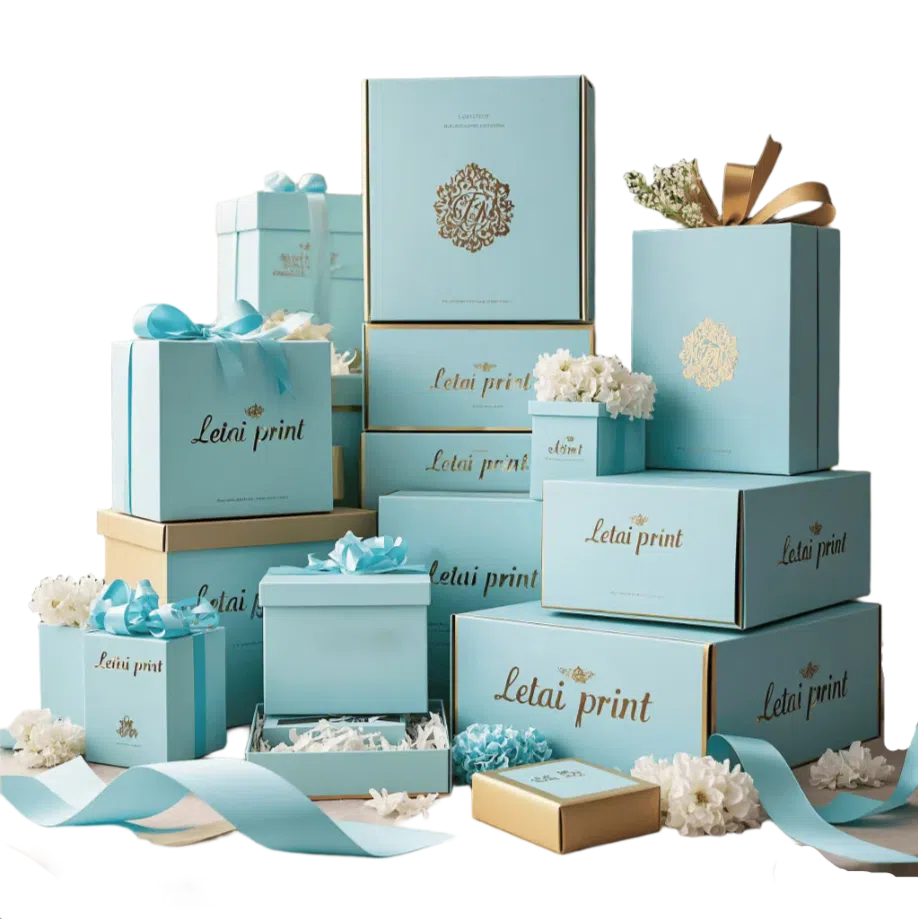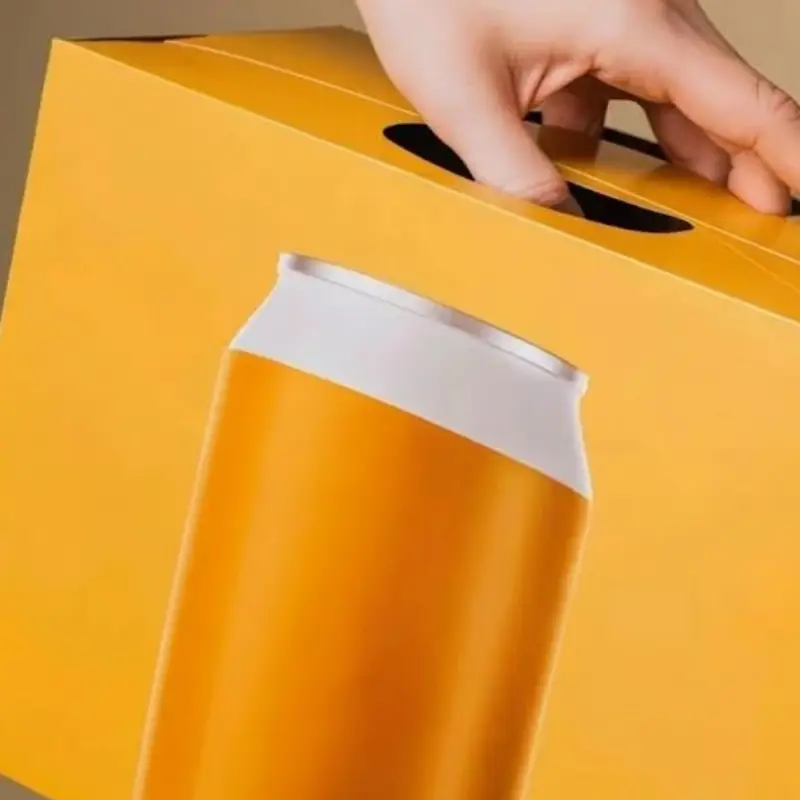
Beer packaging plays a vital role in preserving quality and enhancing the customer experience. The choice of packaging—whether glass, box, can, or barrel—affects not only the beer’s freshness but also its appeal. Each type offers unique benefits depending on the brand’s target audience and distribution needs.
In this blog, we’ll explore the different beer packaging options, comparing their strengths and limitations. From the classic glass bottle to the eco-friendly cardboard box, each packaging solution offers a distinct experience for both brewers and consumers. Understanding these options will help you make an informed decision for your product.
Why Needs Beer Packaging?
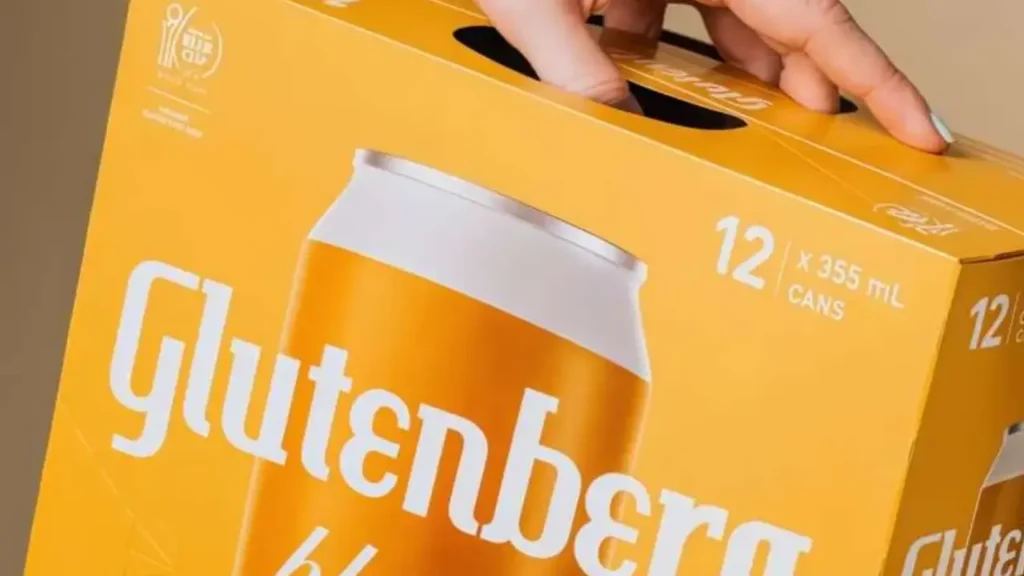
Beer packaging is crucial for maintaining product quality, enhancing brand identity, and ensuring safe transportation. Packaging protects beer from external factors like light, oxygen, and temperature, all of which can impact flavor and shelf life.
- Preservation of Freshness: Packaging keeps beer fresh by protecting it from oxygen and light exposure. This preserves the taste, ensuring customers enjoy the beverage as intended.
- Brand Differentiation: Unique packaging designs help differentiate your product in a crowded market. Creative packaging attracts attention and builds a strong brand image that resonates with consumers.
- Convenience and Portability: Packaging allows for easy transportation and handling. It makes your beer portable, which is especially important for retail environments, allowing customers to enjoy your product on the go.
- Sustainability: Environmentally friendly packaging options, such as recyclable materials, contribute to sustainability. Consumers increasingly value eco-conscious brands, making it important for breweries to consider packaging that aligns with green initiatives.
Beer Packaging Types
Beer packaging comes in various forms, each offering distinct benefits depending on the brand’s objectives, distribution needs, and sustainability goals. The right packaging protects the beer, enhances its shelf life, and communicates the brand’s identity effectively.
Let’s take a closer look at different beer packaging types and their features.
1. Glass Beer Packaging
Materials: Glass bottles, sometimes accompanied by crown caps or twist-off closures, are the most traditional beer packaging option.
Benefits: Glass preserves the beer’s taste by protecting it from light and air exposure, making it an excellent choice for craft and premium beers. Glass is also widely recyclable and maintains an upscale, premium appearance. However, it’s heavier and can break easily, limiting its portability.
Glass beer packaging offers classic aesthetic appeal, making it the go-to choice for breweries aiming to enhance the perceived value of their products. The transparency of glass also allows for a visual display of the beer, often making it more attractive on shelves. Despite its fragility, glass remains one of the most popular packaging materials.
2. Aluminum Can Beer Packaging
Materials: Made from aluminum, these cans are lightweight, sealed with a pull tab or tab-and-pull mechanism, and often lined with a coating to prevent contact between the beer and metal.
Benefits: Aluminum cans are highly portable, durable, and 100% recyclable. They protect the beer from light and oxygen, preserving its flavor and aroma. Cans are also stackable, making them easy to transport. However, they may lack the premium feel that glass bottles offer.
Aluminum cans are a common choice for beer brands seeking to cater to convenience and sustainability. Their lighter weight makes them ideal for shipping and storage, which is why they’re widely used in mass-market beers and large-volume distribution. Additionally, the convenience of a can provides great marketing potential, especially for outdoor activities.
3. Plastic Bottle Beer Packaging
Materials: Plastic bottles, typically made of PET (Polyethylene Terephthalate), are another popular option for beer packaging.
Benefits: Plastic bottles are lightweight and unbreakable, which reduces transportation costs and the risk of product loss due to breakage. They are more cost-effective than glass but do not offer the same level of preservation. Plastic may allow some light to penetrate, which could impact flavor.
Plastic bottles are often used for beers intended for casual drinking experiences, especially in outdoor settings. The material is more flexible than glass, making it easy to handle and store. However, it’s generally not favored by premium or craft breweries due to concerns about the effect of plastic on the taste and appearance of the beer.
4. Keg Beer Packaging
Materials: Kegs are usually made from stainless steel, a durable and reusable material that protects beer during long storage and transportation.
Benefits: Kegs are the preferred beer packaging for bars, restaurants, and large-volume events. They hold significant quantities of beer and can be easily tapped for serving. The steel material maintains the beer’s integrity, keeping it safe from contamination or external factors.
Kegs are designed for draft beer delivery, offering an efficient and cost-effective way to distribute large quantities of beer. Their reusable nature also makes them a sustainable option, reducing waste. However, kegs are not suitable for retail sales as they require specialized equipment to tap the beer, making them ideal for on-premise consumption only.
5. Box Beer Packaging
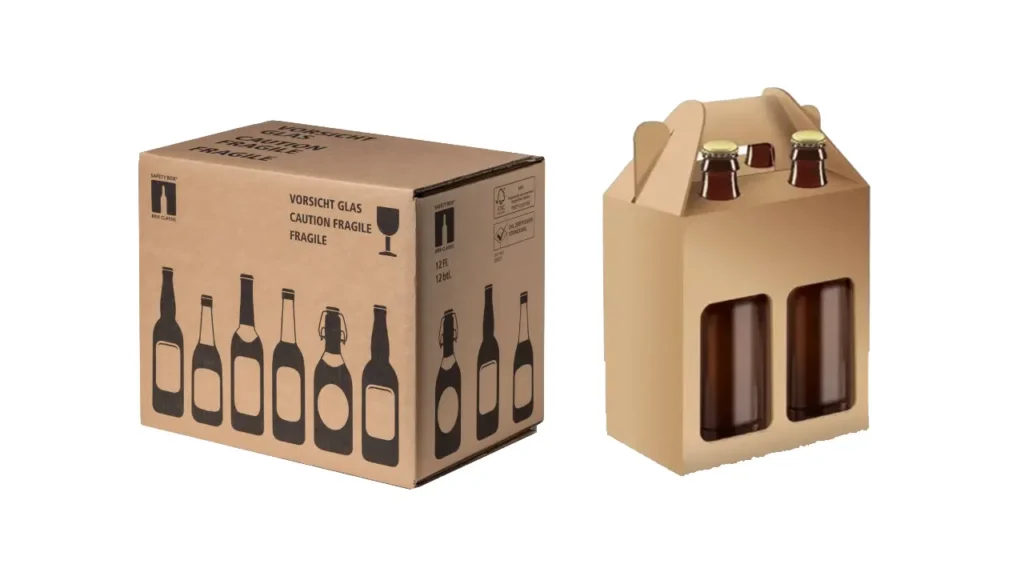
Materials: Box packaging typically uses cardboard or paperboard, which can be custom-designed to hold bottles or cans of beer.
Benefits: Box packaging is lightweight, eco-friendly, and customizable. It can feature promotional designs that help boost a brand’s visibility on shelves. Additionally, boxes can provide better protection for multiple bottles or cans, reducing damage during shipping. However, they’re not as protective on their own as glass or metal.
Box beer packaging is often used for multipacks or special edition releases. It provides consumers with added convenience by bundling products together while offering a higher level of branding opportunity. Boxes can be printed with designs, logos, and promotional messages, making them an attractive option for gift sets or seasonal beers.
6. Beer Packaging in Cartons
Materials: Similar to box packaging, cartons are made of corrugated paperboard, providing a sturdy external layer for bottles or cans.
Benefits: Cartons offer enhanced protection for the beer, especially during distribution. They’re an excellent solution for retail display purposes, as their sturdy design helps maintain the integrity of the product. Cartons are also highly recyclable, aligning with sustainable packaging initiatives.
Beer packaging in cartons is often used for bulk distribution or for creating unique product packaging, such as limited-edition or promotional packs. Their strength makes them ideal for shipping larger quantities of beer, reducing the likelihood of breakage and ensuring that products arrive in top condition. Custom prints can also help promote the beer’s brand.
7. Paper Beer Packaging
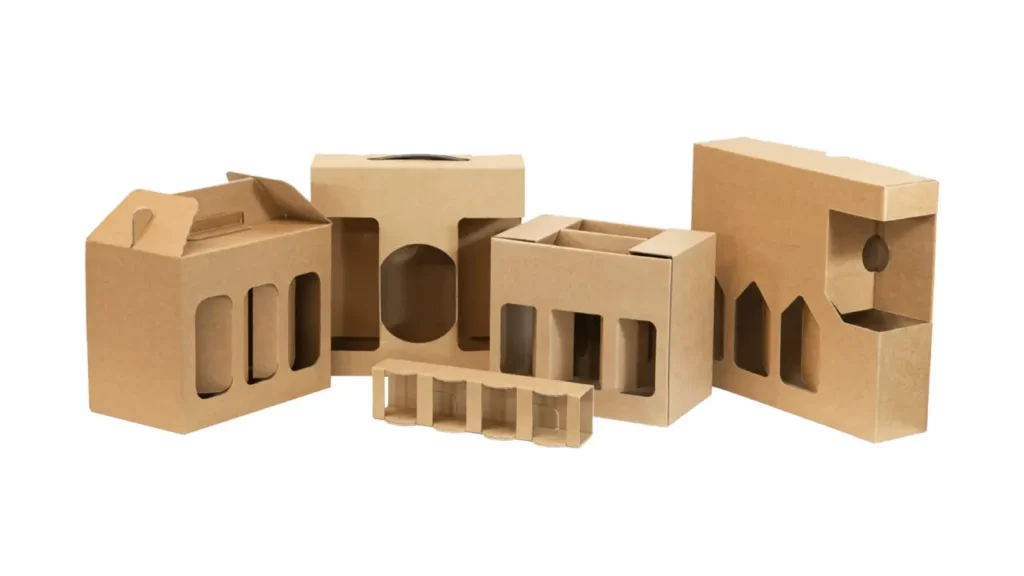
Materials: Paper packaging often uses a variety of materials like recycled paperboard or Kraft paper to wrap bottles or cans of beer.
Benefits: Paper packaging is environmentally friendly and can be made from renewable resources. It offers a more sustainable alternative to plastic, and paper wraps can be recycled or composted after use. However, paper does not provide the same level of protection as glass or metal.
This type of beer packaging is ideal for breweries focused on sustainability. It provides a good balance of protection and eco-conscious branding. While it may not be as durable as other materials, paper packaging offers unique advantages for businesses looking to appeal to environmentally-minded consumers and those seeking a minimalistic design.
8. Beer Packaging in Pouches
Materials: Beer packaging in pouches is often made from flexible laminated films or foil pouches.
Benefits: Pouches are lightweight and flexible, reducing transportation costs. They take up less space and are a unique way of packaging beer. However, their non-traditional appearance may not appeal to all consumers, and the material might not offer the same level of long-term preservation as cans or glass bottles.
Beer pouches are generally used for niche markets or experimental products, providing a fun and portable packaging solution. They are especially popular in festival and event settings where single-serve options are desired. While not as mainstream as other packaging types, pouches offer flexibility in both design and transport.
9. Growler Beer Packaging
Materials: Growlers are large glass, ceramic, or stainless steel containers, often sealed with a cap or screw-on lid.
Benefits: Growlers allow for the sale of draft beer in a more portable form, often used by customers to take home fresh beer directly from a tap. The glass or stainless steel maintains the beer’s quality, offering a reusable, eco-friendly solution. However, growlers require refrigeration to preserve freshness.
Growlers are favored by craft breweries and taprooms, providing a way for beer lovers to enjoy freshly poured beer in a convenient, take-home form. The reusable nature of growlers also reduces waste, making them an environmentally conscious choice for those looking to minimize their carbon footprint. They serve as a great marketing tool, too.
10. Tetra Pak Beer Packaging
Materials: Tetra Pak uses multi-layered paperboard combined with aluminum and plastic to form a sturdy yet lightweight container.
Benefits: Tetra Pak is highly protective, keeping beer fresh by blocking light and air. It’s also very durable and provides a long shelf life. The material is fully recyclable, making it an environmentally friendly option, though it’s often seen as less premium than glass or aluminum.
Tetra Pak beer packaging is a modern solution, primarily used in markets looking for a more sustainable packaging option. Its lightweight and recyclable nature makes it an attractive choice for eco-conscious breweries. Though less common in premium beer markets, Tetra Pak can be effective for mass-market beer distribution.
11. Wine Bottle-Style Beer Packaging
Materials: This packaging style uses traditional wine bottles, typically made of glass, with a cork or screw cap.
Benefits: Wine bottle-style beer packaging adds a touch of elegance and premium appeal. It’s perfect for high-end beers and limited edition releases. The closure methods—either corks or caps—help maintain freshness and provide a unique experience for consumers.
Ideal for craft beers or special releases, this packaging type gives a sense of sophistication, aligning the beer with a fine wine experience. While not as convenient as cans or traditional beer bottles, the wine bottle-style packaging offers a strong branding opportunity, especially for boutique breweries aiming to make a high-impact statement.
12. Cask Beer Packaging
Materials: Casks are typically made of stainless steel or oak, with a vented lid and a tap for dispensing.
Benefits: Cask beer is typically unfiltered and naturally carbonated, offering a unique experience for consumers. It provides a traditional way of packaging and serving beer, particularly for real ales. Casks maintain the flavor integrity of beer and are ideal for breweries that wish to offer an authentic, fresh experience.
Cask beer packaging is popular in the craft beer and real ale community, as it maintains the beer’s character and quality. The process of naturally fermenting and carbonating the beer inside the cask makes it a distinctive choice for specialty beer brands. It’s typically used in pubs and bars where customers can enjoy freshly drawn beer.
13. Canister Beer Packaging
Materials: Canisters are typically made from metal or sturdy plastic with a screw-on lid, often used for bulk packaging.
Benefits: Canisters are ideal for large-volume beer packaging, offering protection from contaminants and external factors. They are also lightweight and easy to handle, making them suitable for retail or event-based sales. The primary drawback is that they don’t offer the same premium appeal as glass bottles.
Canister beer packaging is often used for larger distribution, especially for beers sold in larger quantities. It offers a space-saving and cost-effective solution while protecting the beer. Despite their practical benefits, canisters may be viewed as less attractive than other packaging options for beers that are marketed for specialty or high-end consumption.
14. Beer Packaging in Tins
Materials: Tins are metal containers, similar to cans but usually featuring a more retro or artisanal design.
Benefits: Tin beer packaging offers a premium, nostalgic appeal, often used for craft beers and limited-edition releases. It is lightweight and offers protection from light and air, ensuring beer stays fresh. Tins are also fully recyclable and can provide a more aesthetically appealing option compared to standard aluminum cans.
Tins offer a unique blend of nostalgia and novelty, especially for craft breweries aiming to stand out. The vintage look often appeals to customers looking for something different in the beer aisle. While not as common as cans, tin packaging is a great way to market high-end or artisanal products that require an eye-catching presentation.
15. Foil Pouch Beer Packaging
Materials: Foil pouches are made from a combination of aluminum and plastic layers, providing a barrier against light, air, and moisture.
Benefits: Foil pouches are lightweight and flexible, reducing transportation costs and space. They also offer excellent protection for beer, extending shelf life. Though they may not have the same premium appeal as glass, foil pouches offer practical advantages and are great for niche markets looking for a cost-effective solution.
Foil pouches are a growing trend in specialized beer packaging, especially for single-serve options or limited releases. Their flexibility makes them ideal for events, festivals, or trial-sized packaging. As they are cost-effective and easy to handle, foil pouches are becoming an increasingly viable option for some beer brands aiming to attract a broader audience.
16. Barrel Beer Packaging
Materials: Traditionally, barrels are made of oak or stainless steel, used primarily for aging or storing beer.
Benefits: Barrel beer packaging is ideal for creating unique, barrel-aged beer experiences. The wood or stainless steel offers an additional layer of flavor, as beer absorbs characteristics from the barrel. It also has an artisanal feel, which is great for high-end or craft beer brands.
Barrel packaging is mainly used for specialty and aged beers, providing a distinctive flavor profile that draws craft beer enthusiasts. It’s often used for small batches of beer, allowing the beer to take on rich, complex notes from the wood or stainless steel. Barrel packaging is also ideal for creating one-of-a-kind, limited-edition brews.
How to Choose Suitable Beer Packaging?
Selecting the right beer packaging is essential for preserving product quality and aligning with brand values. The ideal packaging should maintain the beer’s freshness, suit your distribution channels, and appeal to your target audience. Consider factors like sustainability, cost, and convenience to find the best packaging solution.
- Consider Beer Style: Different styles of beer, such as craft beers or mass-market lagers, may require different packaging types. Premium beers may benefit from glass bottles to enhance the consumer experience, while lighter beers might be better suited for cans, which are more portable.
- Think About Brand Identity: Your packaging should reflect your brand’s message and appeal to your target market. Consider whether you want a classic look with glass bottles or a modern, eco-friendly approach with aluminum cans or paper packaging. Packaging design helps distinguish your product on crowded store shelves.
- Distribution Needs: Consider how your beer will be transported and sold. If you are targeting bars and restaurants, kegs or bottles may be more appropriate. If you’re focusing on retail stores, cans or boxes may offer better convenience and stackability, reducing shipping costs.
- Environmental Impact: With sustainability gaining importance, choosing recyclable or biodegradable materials can boost your brand’s appeal. Consider using eco-friendly packaging options like paperboard or aluminum, which are more sustainable compared to plastic. Customers increasingly prioritize brands that contribute to environmental protection.
- Packaging Durability: Ensure that your chosen packaging protects the beer during transport and storage. Glass provides excellent protection but is heavier, while aluminum cans are lightweight and durable. Choose a material that will minimize breakage and ensure your beer reaches consumers in top condition.
Conclusion
Choosing the right beer packaging is essential for both branding and product preservation. Glass bottles maintain the beer’s traditional appeal, while cans are lightweight and offer convenience. Cardboard boxes, on the other hand, provide sustainability without compromising quality. Each option has its place depending on your beer style and market needs.
The rising demand for eco-conscious packaging has led to a greater focus on sustainable solutions. Beer packaging types like cardboard and paper provide excellent alternatives to traditional materials, reducing environmental impact while offering sturdy protection during shipping and storage. As the industry evolves, sustainability remains a top priority.
If you’re looking to source wholesale cardboard and paper beer packaging, Letai Packaging offers customizable solutions tailored to your brand’s needs. We provide durable, eco-friendly options that help preserve the integrity of your product, making it stand out in the market while meeting environmental goals.

I have honed my expertise in creating high-quality packaging solutions, bringing both innovation and efficiency to the field. I am passionate about delivering exceptional results and contributing to sustainable packaging practices.
- What is a CBD Box? The Ultimate Guide - June 9, 2026
- Bangle Box Ideas: Inspiring Designs for a Clutter-Free Space - June 8, 2026
- What is a Bangle Box? The Ultimate Guide - June 8, 2026
 English
  Español
  Deutsch
  Français
  Italiano
  日本語
日本語  한국어
한국어  Русский
  Português do Brasil
  العربية