Corrugated board is one of the most popular materials used for packaging due to its durability, versatility, and recyclability. It’s widely used in shipping, retail packaging, and storage solutions. Understanding how this strong, lightweight material is made helps appreciate its value in various industries and applications.
The process of making corrugated board begins with the preparation of raw materials, including wood pulp and recycled paper. These materials are transformed into sheets through a specialized manufacturing process. The sheets are then combined to create the final product, resulting in the strong, protective material we use daily in packaging.
What is Corrugated Board?
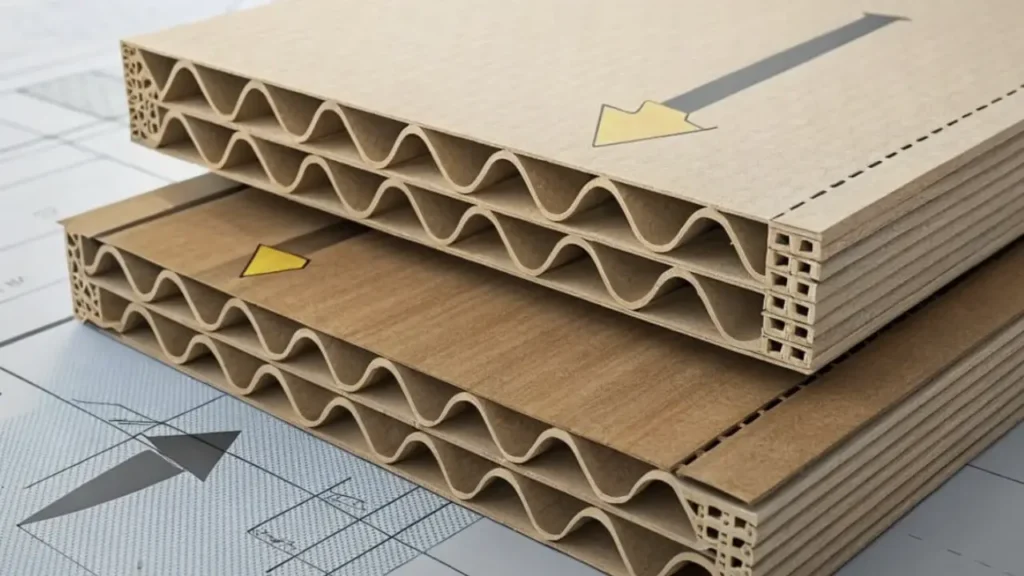
Corrugated board is a durable and lightweight material made from three layers of paper: an inner fluted layer sandwiched between two flat outer layers. This structure gives it strength and rigidity, making it ideal for packaging, shipping, and protecting products. It’s widely used due to its versatility and recyclability.
What Are Corrugated Boxes Made Of?
Corrugated boxes are made of a combination of paperboard layers that provide strength, flexibility, and durability. These boxes are widely used for packaging, shipping, and storage. Here’s a breakdown of the materials that make up corrugated boxes:
- Outer layers: The two flat layers are made from paperboard, which provides structure and smoothness for printing.
- Fluted inner layer: The wavy, corrugated layer adds strength and cushioning, making the box ideal for protecting fragile items.
- Adhesive: A starch-based glue is used to bond the fluted layer to the outer layers, ensuring durability.
- Recycled paper: Often used in the production of both the outer and fluted layers, making the box more sustainable.
How is Corrugated Board Made?
Making corrugated board involves a series of precise steps to ensure strength, durability, and functionality. Below is an outline of the key steps in the manufacturing process:
Tools Needed:
- Paperboard rolls
- Corrugating machine
- Glue applicator
- Drying oven
- Cutting tools
Step 1: Preparing the Paper
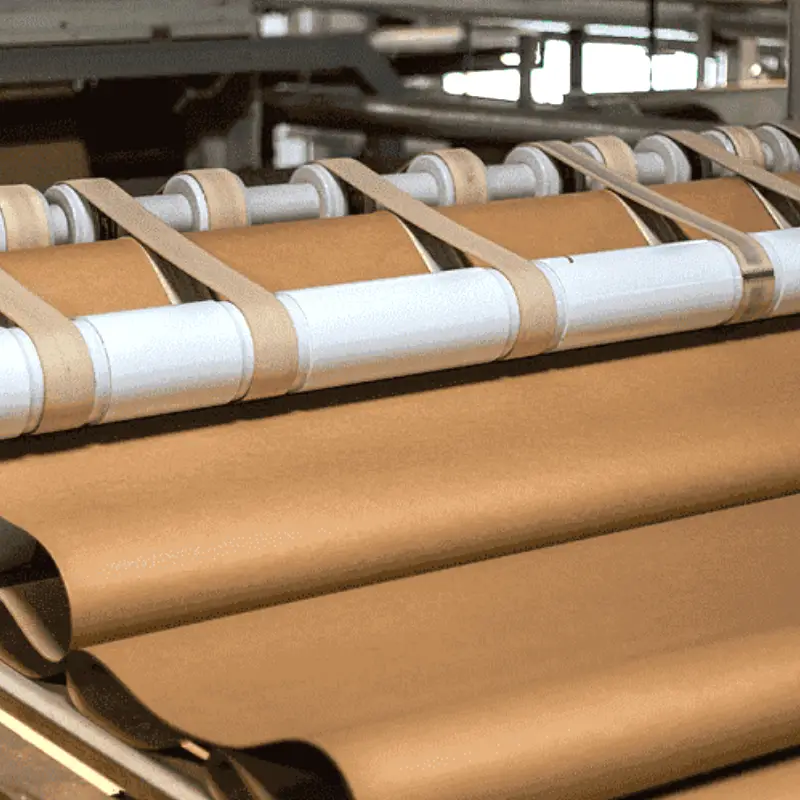
The process begins by sourcing raw materials, typically wood pulp or recycled paper. These materials are processed into paperboard rolls, which are then fed into a corrugating machine. The paper is prepared to form both the inner fluted layer and the flat outer layers that give the board its strength.
The paperboard rolls are unwound and carefully checked for quality. During this stage, the rolls are also coated with a starch-based adhesive to ensure proper bonding during the corrugating process. This step is crucial to prevent issues like poor adhesion or uneven layering, which can compromise the final product.
Step 2: Corrugating the Paper
The paper is fed into the corrugating machine, which uses heated rollers to shape the inner layer into a wavy, fluted form. The outer layers are then pressed onto the fluted paper, creating the characteristic corrugated structure. This adds strength, making it ideal for packaging.
The fluted paper is carefully aligned and glued to the outer layers. The heat and pressure from the machine ensure a strong bond between the layers, which enhances the board’s durability. The result is a flexible yet sturdy material that can withstand the pressures of shipping and handling.
Step 3: Drying and Curing
After the paper is corrugated, it passes through a drying oven to cure the adhesive. This ensures the glue fully sets and the layers are securely bonded. The drying process also helps remove excess moisture, allowing the paper to maintain its structure and strength during use.
The drying oven uses controlled temperatures to prevent overheating, which could damage the paperboard. As the board exits the oven, it is cooled and prepared for further processing. This step is essential to maintaining the board’s strength and flexibility without compromising its integrity.
Step 4: Cutting and Sizing
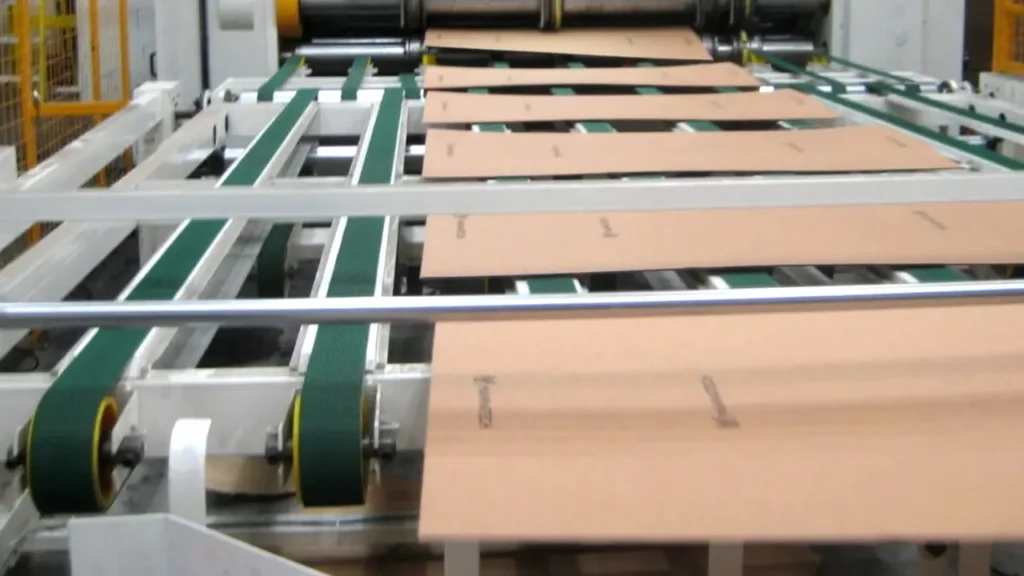
Once the corrugated board has dried and been cured, it is cut into the required sizes. Large sheets of board are cut to specific dimensions depending on the customer’s needs. Automated cutting machines ensure precision and speed, ensuring consistency across all the boards produced.
During this step, different types of cuts are made to create boxes, pads, or other packaging forms. The board is also checked for quality at this stage to ensure it meets required specifications. The final cuts are made according to the size and shape of the intended product packaging.
Step 5: Printing and Branding
At this stage, the corrugated board is ready for printing. Custom designs, logos, or branding elements are applied using high-quality printing techniques. This step gives the packaging its unique appearance, ensuring it aligns with the company’s branding while remaining functional.
The printing process often uses flexographic or digital printing methods, depending on the complexity of the design and the required volume. Printed corrugated board offers excellent visibility for retail products, allowing brands to stand out on store shelves or during transit.
Step 6: Final Inspection and Packing
Before the corrugated board is shipped out, it undergoes a final inspection for quality. This includes checking the alignment, thickness, strength, and print quality. Any defects or inconsistencies are addressed, and the board is packed for distribution.
After inspection, the corrugated board is bundled and prepared for delivery. It is packaged carefully to prevent any damage during transit, ensuring that the final product reaches the customer in perfect condition. The final packaging guarantees that the board is ready for use in a variety of applications.
Corrugated Board Box Structure
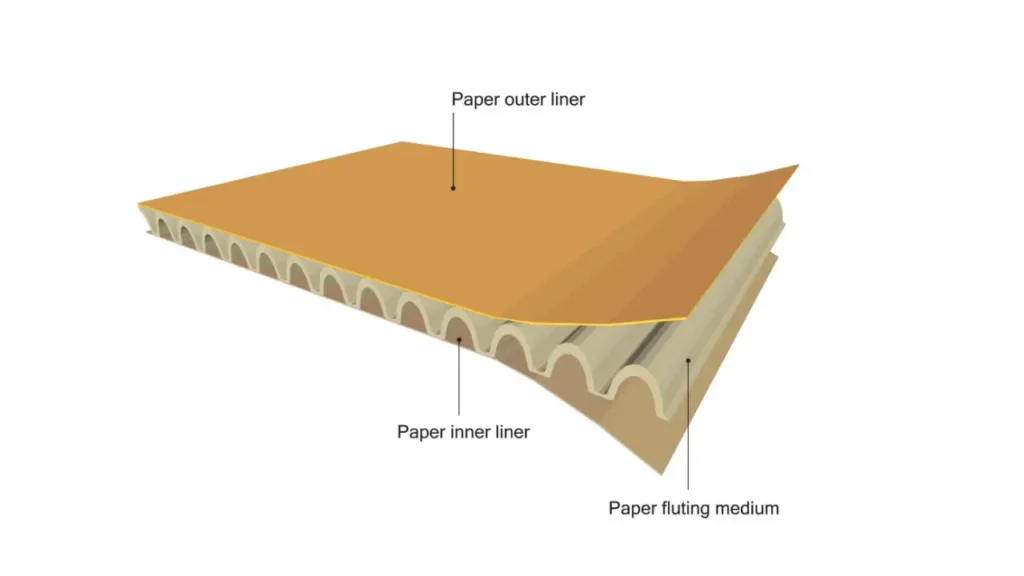
A corrugated board box is made up of multiple layers of paperboard, each contributing to its strength and functionality. The structure of a corrugated box ensures durability, flexibility, and impact resistance. Here’s a breakdown of its components:
- Outer layers: The flat, smooth outer layers of the box are typically made from paperboard. These layers provide structural strength, support, and a surface for printing, ensuring the box is both functional and attractive for branding or labeling.
- Fluted inner layer: The wavy, corrugated layer in the middle is what gives the box its strength and cushioning properties. This layer acts as a shock absorber, protecting fragile items during transport by distributing weight and impact forces across the box.
- Adhesive: A strong, starch-based adhesive is used to bond the outer layers to the inner fluted layer. This ensures the box holds its shape and maintains its structural integrity, even under stress or when exposed to moisture.
- Recycled paper: Many corrugated boards incorporate recycled paper in their construction, offering an eco-friendly option. This helps reduce waste and supports sustainability, without compromising on the board’s strength or quality.
What Makes Corrugated Cardboard Strong?
Corrugated cardboard is known for its strength and durability, making it ideal for packaging and shipping. Several factors contribute to its strength, ensuring it can withstand impact, weight, and external pressure.
Here’s what makes corrugated cardboard so strong:
- Fluted structure: The wavy, fluted middle layer provides strength and rigidity. This design helps distribute weight evenly, making the cardboard resistant to bending and crushing.
- Material composition: Corrugated cardboard is typically made from high-quality paperboard, often using recycled materials. The use of durable fibers adds to its overall strength, allowing it to withstand heavy loads.
- Layer bonding: The outer smooth layers are glued securely to the inner fluted layer, creating a robust bond. This layered construction provides added resistance against punctures, tears, and other damage during transit.
- Thickness: The thickness of the board can be adjusted depending on the application. Thicker corrugated cardboard offers enhanced strength and protection, making it ideal for heavier or more delicate items.
- Moisture resistance: Some corrugated cardboard is treated with moisture-resistant coatings, which prevent weakening when exposed to damp conditions. This adds to its strength, ensuring it performs well in varying environments.
Conclusion
The creation of corrugated board involves several critical steps that ensure its strength and functionality. From the raw material preparation to the final corrugating process, every stage is designed to maximize its durability and cost-effectiveness. This makes it an ideal choice for various packaging needs.
If you’re looking for high-quality, wholesale corrugated packaging solutions, Letai Packaging offers a wide range of products tailored to your business needs. Our corrugated boxes are customizable to meet your specific requirements, ensuring you get the best packaging solutions.
By choosing Letai Packaging, you can benefit from reliable, eco-friendly, and cost-effective packaging that is designed to protect your products while also reducing environmental impact. Get in touch with us today to explore our full range of corrugated packaging options.

I have honed my expertise in creating high-quality packaging solutions, bringing both innovation and efficiency to the field. I am passionate about delivering exceptional results and contributing to sustainable packaging practices.
- What is a CBD Box? The Ultimate Guide - June 9, 2026
- Bangle Box Ideas: Inspiring Designs for a Clutter-Free Space - June 8, 2026
- What is a Bangle Box? The Ultimate Guide - June 8, 2026
 English
  Español
  Deutsch
  Français
  Italiano
  日本語
日本語  한국어
한국어  Русский
  Português do Brasil
  العربية