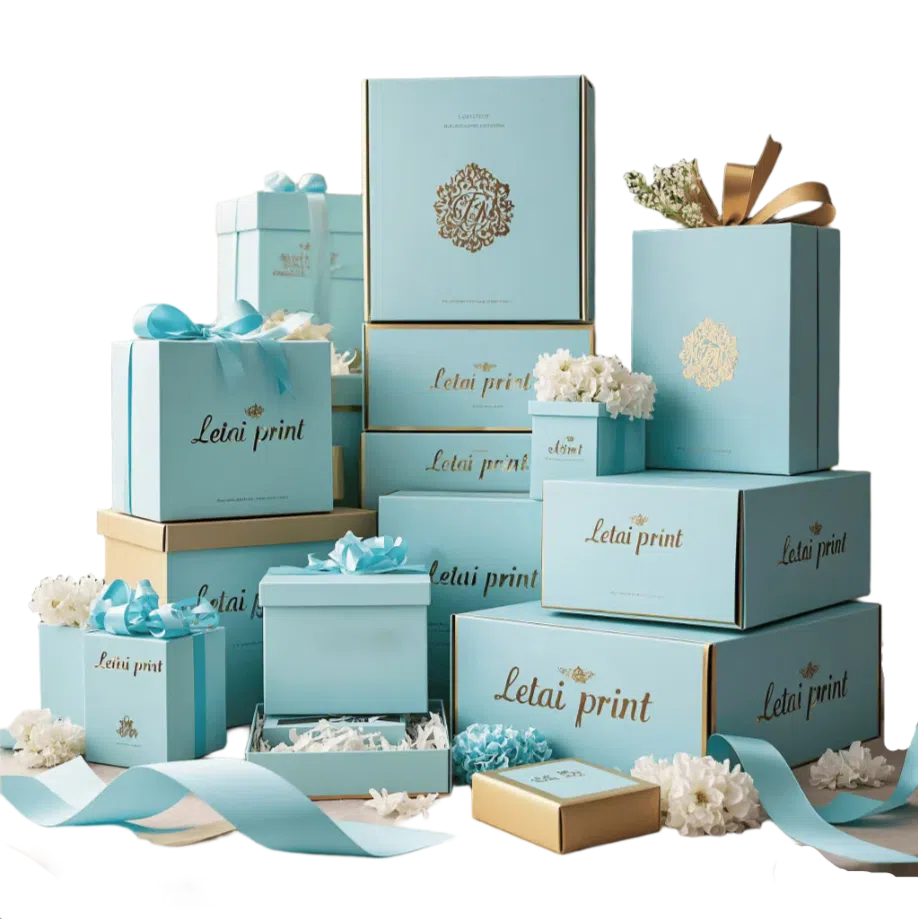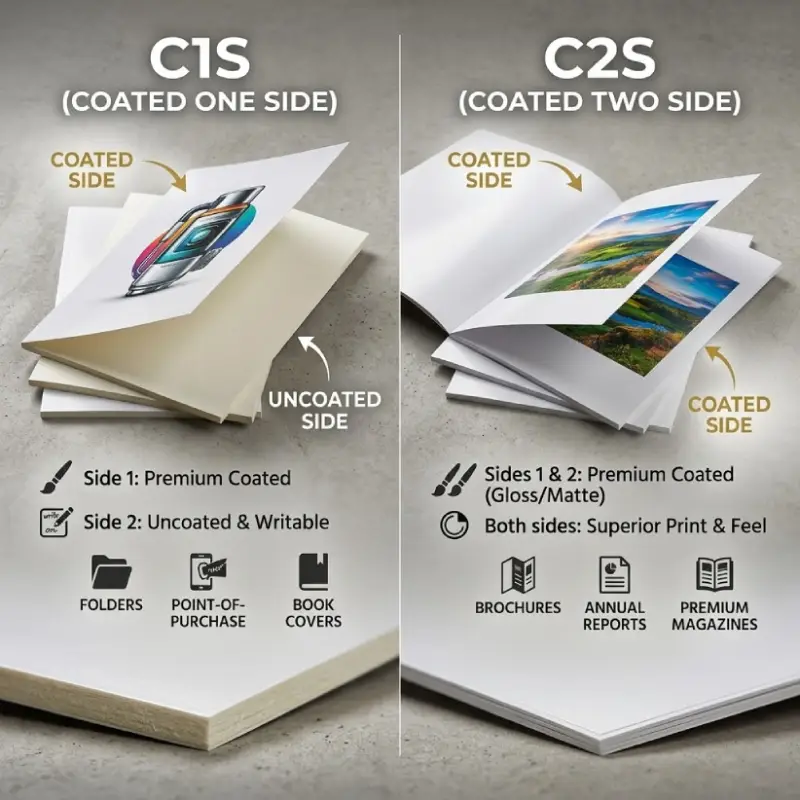
C1S and C2S papers are widely used in printing and packaging, but they have distinct characteristics that affect appearance, feel, and functionality. Understanding their differences helps businesses select the right paper for specific projects, ensuring high-quality results and cost-effectiveness in both printing and packaging applications.
C1S, or coated one side, has a smooth coated surface on one side and a rough backside, while C2S, or coated two sides, is coated on both sides for a uniform look. These differences influence ink absorption, print quality, and usability. Choosing the appropriate paper depends on your design and functional requirements.
What is C1S Paper?
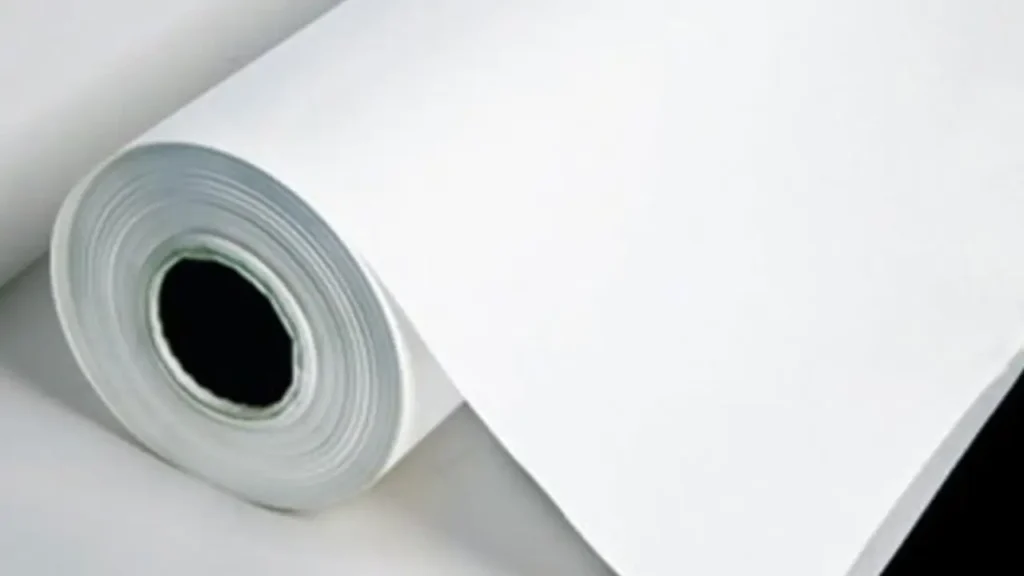
C1S paper, or coated one-sided paper, has a smooth, glossy, or matte coating on one side, while the other side remains uncoated and rough. This unique structure allows high-quality printing on the coated side while keeping costs lower than fully coated papers, making it ideal for packaging and labels.
- High print quality: The coated side ensures sharp, vibrant images and crisp text. It enhances color saturation, making logos and designs stand out, which is particularly useful for marketing materials, labels, and product packaging.
- Cost-effective: Compared to double-coated papers, C1S reduces production costs while still providing a premium printed surface. It balances quality and budget, making it suitable for high-volume printing without sacrificing visual impact.
- Versatility: C1S paper can be used for labels, cartons, flyers, and promotional materials. Its uncoated side allows for easy writing or gluing, offering practical flexibility for diverse packaging and printing applications.
- Durability: The coated surface resists smudging and minor abrasions, protecting printed designs during handling and transportation. While not as protective as double-coated paper, it provides sufficient durability for most commercial and retail uses.
What is C2S Paper?
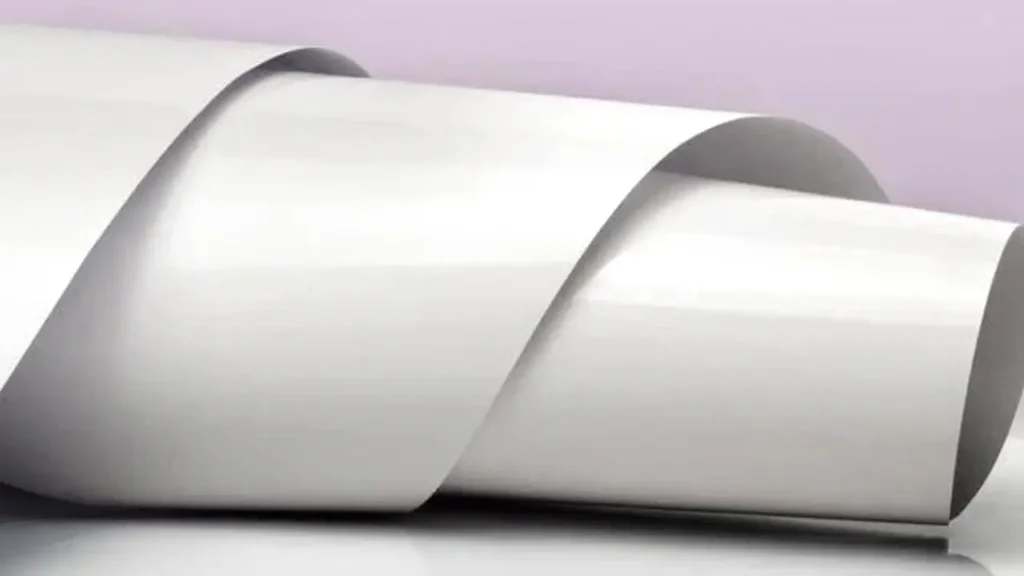
C2S paper, or coated two-sided paper, features a smooth, glossy, or matte coating on both sides, providing a uniform finish throughout. This makes it ideal for double-sided printing, offering vibrant colors, sharp images, and a professional appearance, commonly used in brochures, magazines, and premium packaging materials.
- Consistent print quality: Both sides are coated, ensuring sharp images and vivid colors on every page or surface. This consistency enhances design presentation, making it ideal for brochures, booklets, and packaging where double-sided printing is required.
- Premium appearance: C2S paper delivers a polished, professional look. Its smooth surfaces convey quality and elegance, elevating the perceived value of printed materials and packaging, which is especially important for luxury products or high-end marketing collateral.
- Versatility: Suitable for magazines, catalogs, flyers, and high-quality packaging, C2S paper supports a wide range of applications. Both sides can be printed without compromising clarity or color, allowing designers greater creative freedom and functional flexibility.
- Durability: The dual coating protects against smudges, scratches, and minor moisture exposure. This durability ensures that printed images and text maintain their quality during handling, shipping, and storage, making it reliable for commercial and retail use.
C1S vs C2S Paper
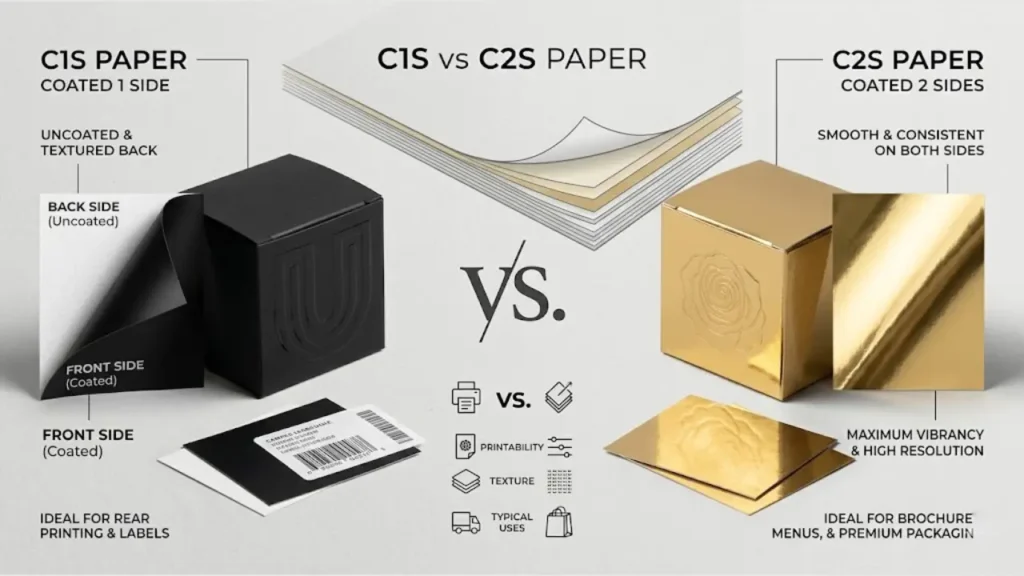
Choosing between C1S and C2S paper is crucial for printing and packaging projects. Both offer coated surfaces for high-quality printing, but their structure, appearance, and performance differ. Understanding these differences helps businesses select the right paper for specific applications, balancing cost, aesthetics, and functionality. This guide examines five key aspects of comparison.
Coating and Surface
C1S paper is coated on one side only, providing a smooth, high-quality surface for printing while the other side remains uncoated. This makes it suitable for packaging, labels, and products where only one side needs a premium finish.
C2S paper is coated on both sides, offering uniform smoothness and consistent print quality. Both sides can showcase sharp images and vibrant colors, making it ideal for brochures, magazines, and double-sided packaging where presentation on all surfaces is important.
Print Quality
The coated side of C1S ensures crisp text, vibrant colors, and good image clarity. The uncoated side is rough and cannot achieve the same level of detail, so it is usually left blank or used for writing or gluing.
C2S paper offers excellent print quality on both sides. Text, graphics, and images appear sharp and vibrant throughout, providing a professional and polished look. This makes it ideal for materials requiring double-sided printing or full-color coverage.
Cost Efficiency
C1S is generally more cost-effective than C2S because only one side is coated. It balances quality and budget, making it suitable for high-volume projects where only one side needs premium printing.
C2S tends to be more expensive due to coating on both sides. While it offers superior quality and consistency, it requires higher production costs. Businesses often reserve it for high-end or double-sided print materials.
Applications
C1S is widely used in cartons, labels, flyers, and promotional packaging where only the front side requires a premium look. Its uncoated backside allows for easier gluing or printing additional text.
C2S is ideal for magazines, brochures, booklets, flyers, and premium packaging that need a consistent finish on both sides. It works well for designs requiring full-color, double-sided printing or sophisticated graphics throughout.
Durability and Protection
C1S paper provides moderate protection on the coated side, resisting minor scratches and smudges. The uncoated side is more vulnerable, so care is needed during handling and shipping.
C2S paper offers higher durability on both sides, protecting printed designs from abrasion, smudging, and minor moisture. Its uniform coating ensures consistent protection and presentation, making it suitable for commercial and retail uses.
Here are some differences between C1S and C2S paper:
| Aspect | C1S Paper | C2S Paper |
|---|---|---|
| Coating and Surface | Coated on one side only | Coated on both sides |
| Print Quality | High on coated side, rough uncoated side | High and consistent on both sides |
| Cost Efficiency | More affordable | Higher cost |
| Applications | Labels, cartons, flyers, single-side prints | Magazines, brochures, double-side prints |
| Durability and Protection | Moderate protection, uncoated side less durable | High protection on both sides |
How to Choose C1S and C2S Paper?
Selecting the right paper between C1S and C2S depends on your project’s printing requirements, budget, and desired appearance. Understanding the differences in coating, print quality, and functionality helps ensure the final product meets expectations. Choosing carefully improves presentation, durability, and overall customer experience for packaging, promotional materials, or printed publications.
- Assess printing needs: Determine if your project requires single-side or double-side printing. C1S is suitable for one-sided prints, like labels or cartons, while C2S provides uniform quality for double-sided brochures, magazines, and premium packaging. Matching paper type to design ensures optimal visual impact and professional results.
- Consider aesthetics and branding: Think about the desired finish and tactile feel. C1S offers a high-quality coated side for vibrant graphics, while C2S gives consistent elegance on both sides. Selecting the finish aligned with your brand enhances product perception and reinforces marketing objectives.
- Evaluate cost and budget: C1S is generally more affordable, making it suitable for high-volume or cost-sensitive projects. C2S is pricier due to dual coating but delivers superior print quality and consistency. Balancing cost against quality requirements helps avoid overspending while achieving a professional outcome.
- Check durability requirements: Consider handling, shipping, and storage. C1S provides moderate protection on one side, suitable for less exposed products. C2S offers stronger durability and resistance to smudges or abrasions, ideal for high-end packaging, brochures, or materials subject to frequent handling.
- Match application and material compatibility: Ensure the chosen paper works with your printing method, inks, and adhesives. C1S is versatile for cartons and labels where glue or additional printing may occur on the uncoated side. C2S excels for double-sided prints, brochures, and premium packaging needing premium finishes.
Conclusion
Understanding the differences between C1S and C2S paper allows businesses to make informed decisions for printing and packaging projects. C1S is ideal for products where only one side needs a premium finish, while C2S provides a consistent look for both sides. Correct selection enhances presentation and functionality.
At Letai Packaging, we provide wholesale custom packaging solutions tailored to your paper requirements. Our team ensures the right choice of C1S or C2S paper to achieve high-quality prints and durable packaging. With our expertise, your products can stand out on shelves and leave a lasting impression.
Get wholesale custom packaging from Letai Packaging for all your needs. We offer flexible options, competitive pricing, and expert guidance on paper selection. Whether you require C1S or C2S paper, our solutions help elevate your packaging, improve print quality, and enhance the overall customer experience.

I have honed my expertise in creating high-quality packaging solutions, bringing both innovation and efficiency to the field. I am passionate about delivering exceptional results and contributing to sustainable packaging practices.
- What is a CBD Box? The Ultimate Guide - June 9, 2026
- Bangle Box Ideas: Inspiring Designs for a Clutter-Free Space - June 8, 2026
- What is a Bangle Box? The Ultimate Guide - June 8, 2026
 English
  Español
  Deutsch
  Français
  Italiano
  日本語
日本語  한국어
한국어  Русский
  Português do Brasil
  العربية