DTG (Direct-to-Garment) and Screen Printing are two popular methods for customizing apparel. Both have distinct features that make them suitable for different types of projects. DTG is known for its fine detail and color accuracy, while Screen Printing is renowned for its durability and cost-effectiveness for large orders.
When choosing between DTG and Screen Printing, it’s essential to consider your specific needs, including design complexity, order size, and fabric type. Each method has its own set of advantages, and understanding these differences can help you make an informed decision about which one is the best for your business or personal project.
What is DTG Printing?
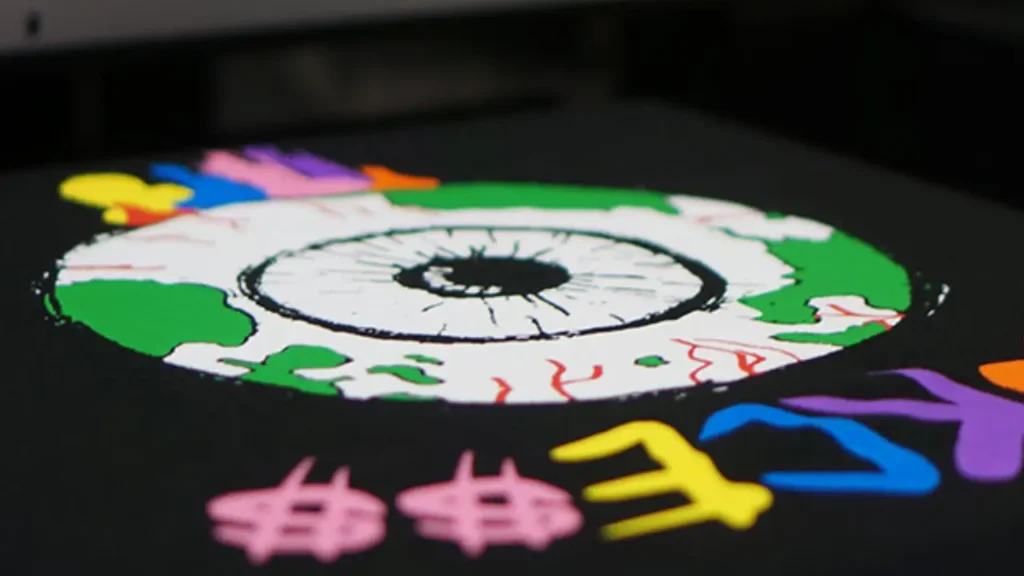
DTG (Direct-to-Garment) printing is a method where a digital printer applies ink directly onto fabric using specialized inkjet technology. This process allows for high-resolution designs, making it ideal for printing detailed images with vibrant colors. DTG is especially popular for custom apparel and small orders, offering flexibility and speed.
Benefits of DTG Printing:
- High Detail Resolution: DTG allows for intricate designs with fine details, making it ideal for artwork or photographs. The ink adheres to the fabric, resulting in sharp and accurate designs that would be difficult to achieve with other methods. Perfect for custom and small-run designs.
- Full-Color Printing: DTG can produce designs in full color, including gradients and complex patterns. This flexibility ensures your designs come out vibrant and true to the original artwork, ideal for designs requiring precise color matching.
- No Minimum Order Quantity: DTG is perfect for businesses or individuals who need small batches. There’s no need to commit to large order sizes, making it an affordable option for one-off or custom designs. Ideal for personalization without extra costs.
- Eco-Friendly Option: DTG printers use water-based inks, which are more environmentally friendly than plastisol inks used in traditional screen printing. The process produces less waste and reduces the need for chemicals, making it a greener choice for those looking to minimize their environmental impact.
- Fast Turnaround Time: DTG offers quicker setup and production time compared to screen printing, especially for small batches. This makes it an attractive option for last-minute orders, allowing businesses to fulfill custom apparel requests quickly and efficiently.
What is Screen Printing?
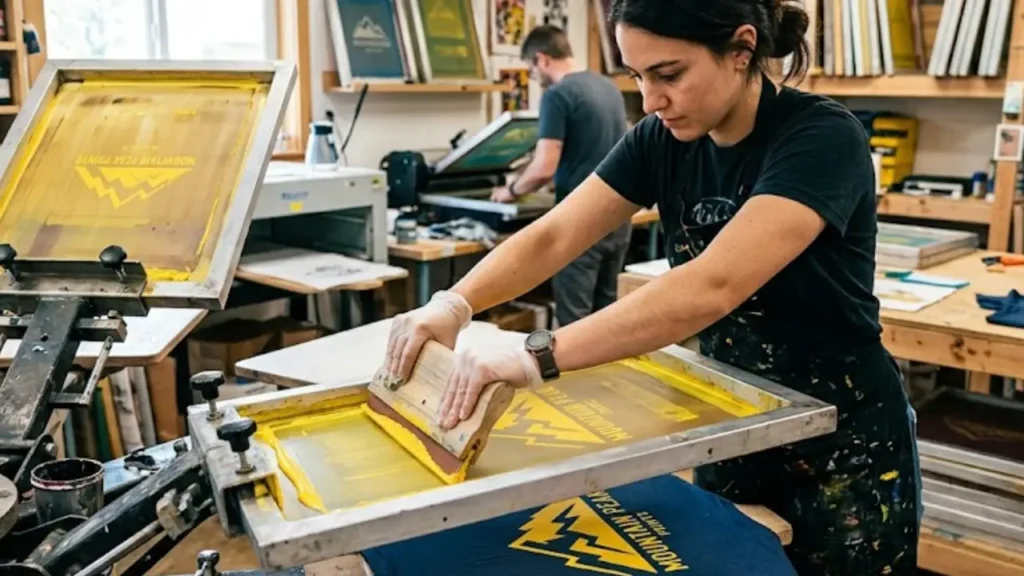
Screen printing is a method where ink is pressed through a mesh screen onto fabric, creating bold, vibrant designs. It involves creating a stencil (or screen) for each color in the design, and applying ink in layers. Ideal for large runs of designs with fewer colors, screen printing is cost-effective for bulk orders.
Benefits of Screen Printing:
- Durability: Screen printing creates designs with ink that binds directly to the fabric, resulting in highly durable prints that can withstand frequent washing and wear. This longevity makes it an excellent choice for products like t-shirts that require long-lasting graphics.
- Cost-Effective for Bulk Orders: For large orders, screen printing becomes very cost-effective, as the setup cost is spread across many pieces. This method is ideal for mass production, making it popular for promotional items or large merchandise runs.
- Vibrant Colors: The ink used in screen printing is thick, which results in vibrant and opaque colors. This technique is especially effective for designs that require solid, bold colors that stand out, making it great for logo prints and simple graphics.
- Versatility: Screen printing is highly versatile, capable of printing on various materials beyond fabric, such as wood, plastic, metal, and glass. This flexibility makes it a popular choice for custom products and promotional items across different industries.
- Large Print Area: Unlike DTG printing, which works best for smaller designs, screen printing can accommodate larger print areas, such as full front or back designs on apparel. This allows for a broader range of creative possibilities when it comes to design layout and size.
DTG vs Screen Printing
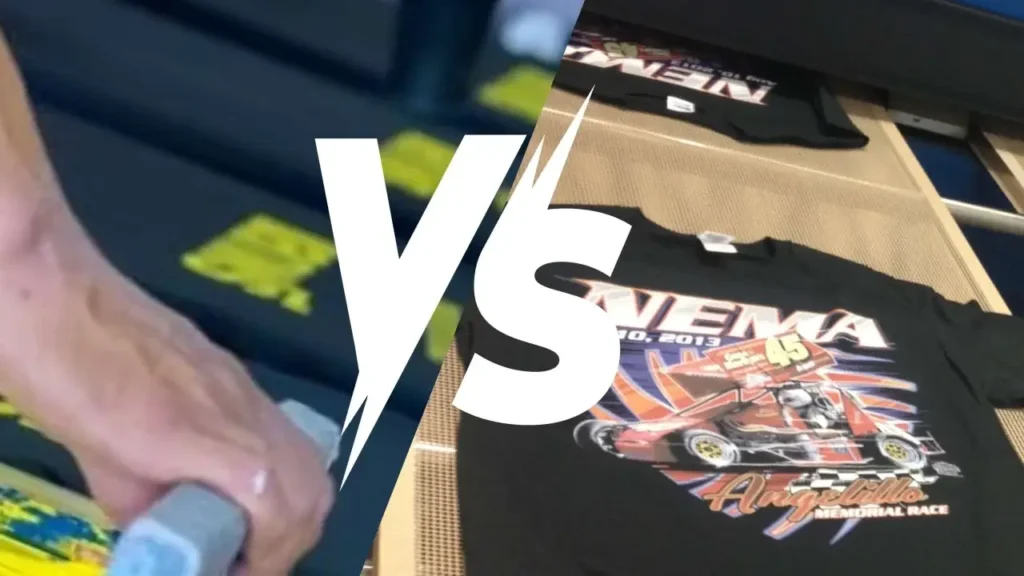
DTG (Direct-to-Garment) and Screen Printing are two common methods for customizing textiles, but they differ in various aspects such as technology, cost, and application. DTG uses digital technology to print designs directly onto fabric, while Screen Printing involves applying ink through a mesh stencil. Each method has unique advantages depending on the project.
Both DTG and Screen Printing are effective for creating custom apparel, but choosing the right one depends on the specific needs of your order. In this comparison, we will explore key differences, benefits, technology, and ideal uses to help you make the best decision for your printing project.
Benefits
DTG Benefits: DTG is best suited for intricate, full-color designs that require high detail. Since it uses inkjet technology, it allows for precise and vibrant prints, even on small orders. It also eliminates the need for screens or stencils, making it more flexible for one-off pieces or small batch orders.
Screen Printing Benefits: Screen Printing is ideal for large-scale production runs, particularly when simple, bold designs are needed. The inks used are thick, offering durability and opacity. This method is cost-effective for mass production, especially when printing multiple items with the same design, making it a go-to for t-shirts, posters, and promotional products.
Uses
DTG Uses: DTG excels at producing detailed prints with complex designs and vibrant color gradients. It’s perfect for custom t-shirts, hoodies, and small-scale personalized products. DTG is commonly used for on-demand printing and custom apparel businesses, where order quantities are lower and design complexity is higher.
Screen Printing Uses: Screen Printing is great for larger orders, making it the go-to method for bulk printing needs. It’s commonly used for mass-produced t-shirts, sportswear, and promotional merchandise. The method is also suited for designs that require solid colors, such as logos and simple graphics, which need to be consistent across large quantities.
Technology
DTG Technology: DTG printing uses an inkjet printer to apply water-based ink directly onto the garment, layer by layer. The fabric is pretreated to ensure ink adherence. This method doesn’t require screens or stencils, allowing for quick setup and customization of designs without the need for physical templates.
Screen Printing Technology: Screen Printing relies on a stencil or mesh screen to transfer ink onto fabric. Each color in the design requires its own screen. This process is more manual, and the setup is labor-intensive, but it becomes more efficient for large production runs. The use of thick inks creates durable, long-lasting prints.
Cost Efficiency
DTG Cost Efficiency: DTG is best suited for smaller orders or custom designs. It’s ideal when you need to print only a few pieces, as there’s no need for creating multiple screens. However, the cost per unit is higher compared to Screen Printing for large orders, making it less economical for mass production.
Screen Printing Cost Efficiency: Screen Printing offers significant cost savings for larger orders due to economies of scale. The initial setup costs are higher because of the creation of screens, but the cost per unit decreases as the number of items increases. It’s most cost-effective when printing in bulk, especially for simple designs.
Flexibility
DTG Flexibility: DTG is more flexible when it comes to design complexity and order volume. Whether it’s a single piece or hundreds, DTG can accommodate designs of any color or detail, including photos and intricate artwork. This makes it an excellent choice for businesses offering custom, one-of-a-kind items.
Screen Printing Flexibility: While Screen Printing is more limited in terms of color complexity, it offers flexibility in terms of material variety. It can be used on various surfaces, such as fabric, wood, and glass. The method is particularly versatile for large orders of simpler designs, making it ideal for mass production across various industries.
Here are some differences between DTG and screen printing:
| Aspect | DTG Printing | Screen Printing |
|---|---|---|
| Technology | Inkjet-based, direct print onto fabric | Ink applied through a mesh stencil |
| Benefits | Detailed, vibrant prints, good for small runs | Durable, cost-effective for large orders |
| Uses | Custom, small batch, complex designs | Bulk orders, simple designs, promotional items |
| Cost Efficiency | Higher per unit cost for small orders | Lower per unit cost for large production runs |
| Flexibility | High flexibility in design and quantity | Versatile on different surfaces, limited to simpler designs |
How to Choose DTG and Screen Printing?
Choosing between DTG and Screen Printing depends on several factors such as order size, design complexity, and cost considerations. DTG is ideal for detailed, small-batch designs, while Screen Printing is best for large orders with simpler designs.
Understanding your specific project needs will help you make the best choice.
Factors to Consider:
- Design Complexity: DTG is best for intricate, multi-colored designs with gradients, photos, or fine details. It allows for full-color printing with no restrictions, making it ideal for custom artwork. Screen Printing works best for simpler designs with fewer colors, especially when solid color prints are needed.
- Order Quantity: DTG is great for small orders or one-off prints since there are no setup costs involved. It works well when you need a personalized piece or a limited run. However, Screen Printing becomes more cost-effective for larger orders, as setup costs decrease per unit with higher quantities.
- Material Type: DTG is best suited for light-colored, cotton-based fabrics, although it can also work on certain blends. The ink used in DTG printing tends to feel softer on the fabric. Screen Printing works well on a broader range of materials, including cotton, polyester, and other fabrics.
- Turnaround Time: DTG printing typically has a quicker turnaround for small orders, as it requires less setup time. However, for bulk orders, Screen Printing is often faster once the screens are prepared, as multiple shirts can be printed at once, making it more efficient for large-scale production.
- Budget: DTG tends to be more expensive per unit for large orders due to the cost of ink and machine time. It’s better suited for custom or small-batch jobs. Screen Printing has a higher initial setup cost, but the per-unit price decreases significantly as the order size increases, making it more economical for bulk printing.
Conclusion
Both DTG and Screen Printing offer unique benefits that make them ideal for different situations. DTG excels with detailed, colorful designs and smaller orders, making it great for custom pieces or one-off garments. However, Screen Printing shines when large quantities are involved, offering a more cost-effective solution for mass production.
Choosing the right printing method depends on your specific requirements. Consider the design complexity, order volume, and fabric type when making your decision. By understanding the differences between these techniques, you can achieve the best results for your project.
For businesses in need of custom packaging to complement their printing services, consider getting wholesale custom packaging from Letai Packaging. Their wide selection of packaging options ensures your products stand out and are delivered securely. Whether for apparel or other items, Letai Packaging offers high-quality solutions tailored to your needs.

I have honed my expertise in creating high-quality packaging solutions, bringing both innovation and efficiency to the field. I am passionate about delivering exceptional results and contributing to sustainable packaging practices.
- What is a CBD Box? The Ultimate Guide - June 9, 2026
- Bangle Box Ideas: Inspiring Designs for a Clutter-Free Space - June 8, 2026
- What is a Bangle Box? The Ultimate Guide - June 8, 2026
 English
  Español
  Deutsch
  Français
  Italiano
  日本語
日本語  한국어
한국어  Русский
  Português do Brasil
  العربية