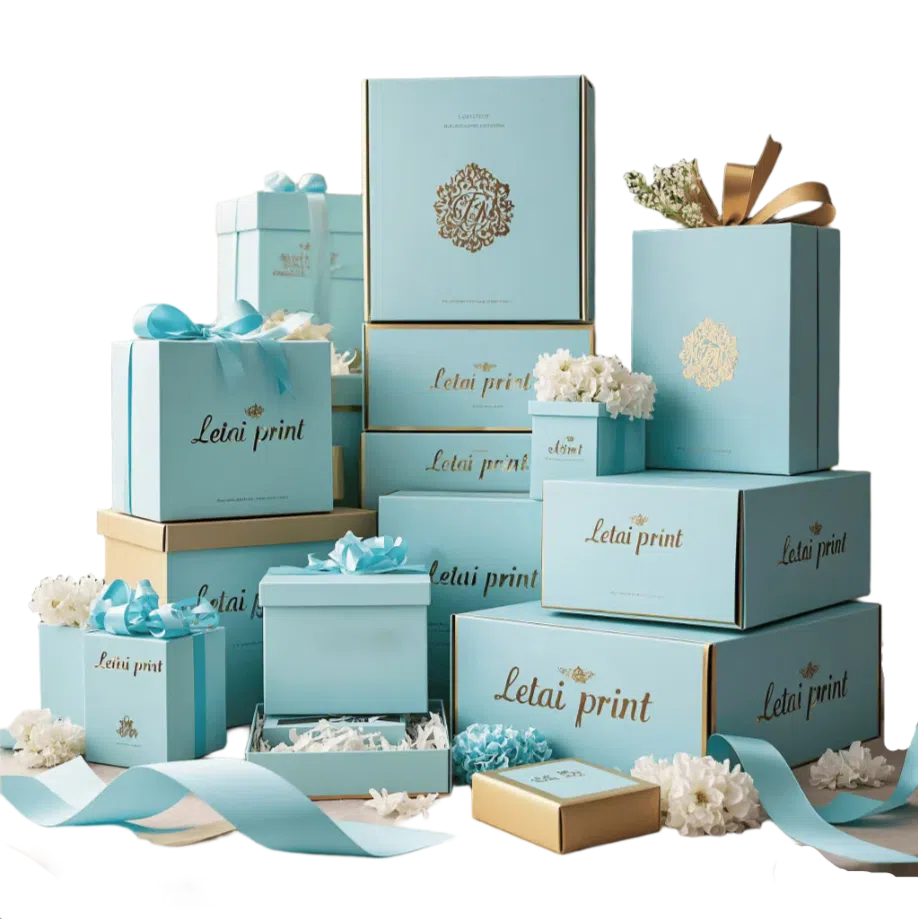
Screen printing and digital printing are two popular methods used in various industries, each offering unique advantages depending on the project. Screen printing is known for its durability and vibrant colors, making it ideal for large runs and specialized designs. On the other hand, digital printing provides flexibility and high-resolution output, perfect for smaller orders or complex graphics.
Choosing between screen printing and digital printing depends on the nature of your project and the desired outcome. Factors such as production volume, cost-effectiveness, and design complexity play a significant role in this decision. Understanding the strengths and limitations of both techniques can help you make an informed choice that best suits your needs.
What is Screen Printing?
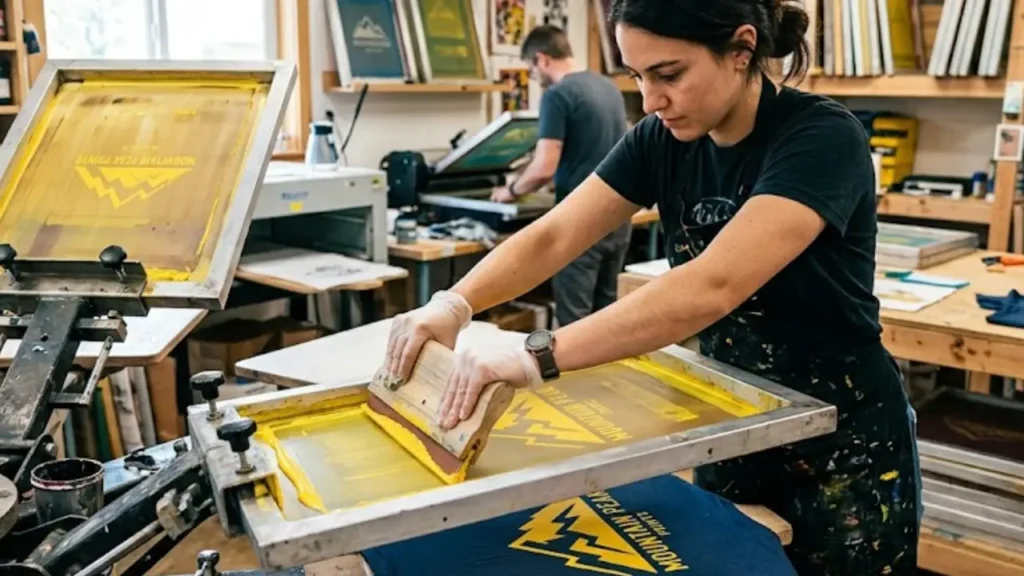
Screen printing is a technique where ink is applied to a surface through a mesh stencil or screen. This method allows for vibrant, durable designs and is commonly used for both fabric and non-fabric items. It is ideal for large-scale runs and offers a long-lasting finish.
Applications of Screen Printing:
- Apparel: Screen printing is widely used for t-shirts, hoodies, and other garments due to its ability to produce bright, durable designs. It ensures vibrant colors that won’t fade over time, even with multiple washes, and adheres well to fabric, offering long-lasting results.
- Promotional Products: Items like tote bags, mugs, and water bottles are often screen printed for branding purposes. The durability and vibrant colors make it ideal for high-visibility products that require logos or custom designs, effectively showcasing a brand on promotional items.
- Posters and Prints: Artists and businesses alike use screen printing to create high-quality posters and art prints. This method allows for rich color saturation and unique texture, making it a preferred choice for collectible prints and artistic designs.
- Signs and Banners: Screen printing is commonly used for large signage and banners, both indoors and outdoors. Its ability to handle large-scale printing on various materials ensures clear, bold graphics that remain durable in different weather conditions, making it ideal for high-impact visual communication.
What is Digital Printing?
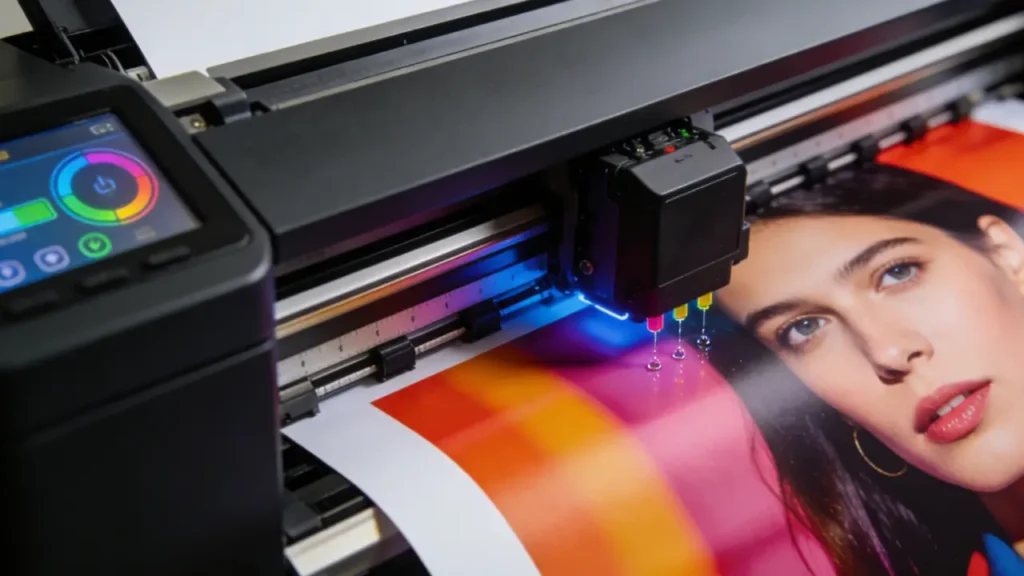
Digital printing is a modern printing technique where a digital image is directly transferred onto a surface. Unlike traditional methods, it doesn’t require printing plates, making it more cost-effective for small runs and custom designs. This method allows for intricate designs, high-resolution outputs, and fast production times, offering flexibility for various projects.
Applications of Digital Printing:
- Business Cards: Digital printing is commonly used for business cards, offering high-quality prints with intricate details. This method allows for fast production, enabling businesses to quickly update designs and print in small quantities while maintaining vibrant colors and sharp text.
- Brochures and Flyers: Businesses often turn to digital printing for brochures and flyers due to its cost-effectiveness for short runs and customization. Digital printing allows for variable data printing, meaning each piece can have personalized information or unique designs, which is ideal for targeted marketing campaigns.
- Custom Apparel: Digital printing is used for custom apparel like t-shirts, hoodies, and hats, especially for small orders or intricate designs. This method directly prints the image on the fabric, offering full-color printing with fine details and smooth gradients that screen printing may not achieve.
- Labels and Stickers: Digital printing is widely used for creating labels and stickers, especially for small batches. It allows for high-resolution printing with complex graphics, fine text, and vibrant colors, making it ideal for products requiring customization, such as packaging, promotional stickers, or personal branding.
Screen Printing vs Digital Printing
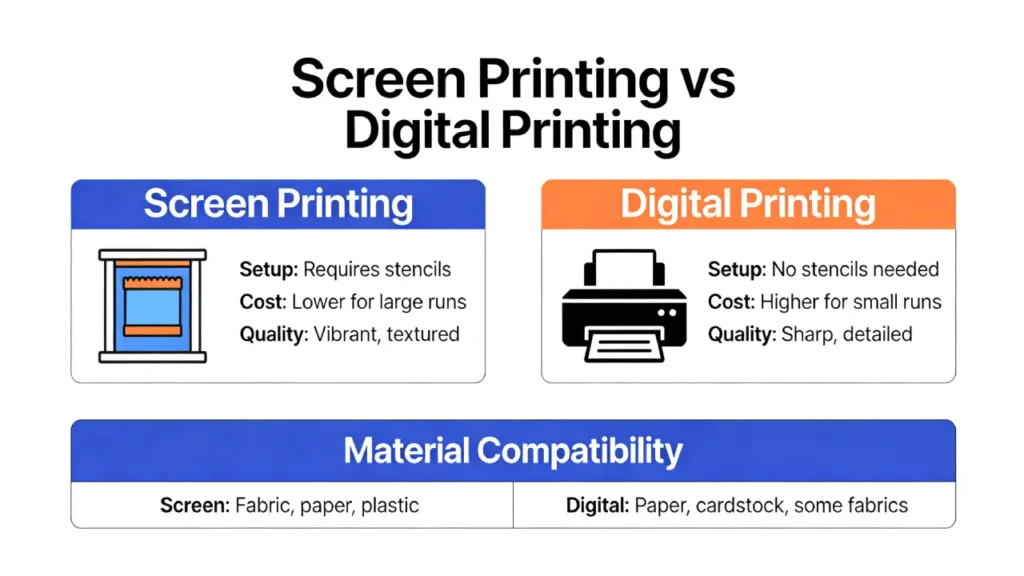
When comparing screen printing and digital printing, each technique has its strengths and is suitable for different projects. Screen printing uses stencils to apply ink, offering vibrant colors and durability for large-volume projects. Digital printing, on the other hand, prints directly from a digital file, providing flexibility and precision for smaller runs and intricate designs.
Materials
- Screen Printing: Suitable for a wide range of materials, including fabric, metal, wood, plastic, and glass. This versatility makes it ideal for large-scale applications like apparel or promotional products.
- Digital Printing: Best for materials like paper, fabric, vinyl, and certain plastics. It works well for products requiring intricate designs or short runs, but may have limitations with textured or irregular surfaces.
Benefits
- Screen Printing: Known for its durability, screen printing produces long-lasting results, even in harsh conditions. It’s perfect for large-volume orders where the same design is used repeatedly, offering cost savings on mass production.
- Digital Printing: Offers high-resolution prints with no setup time, making it ideal for small orders, personalized prints, and complex designs. It’s also more environmentally friendly as it produces less waste and uses fewer resources compared to screen printing.
Applications
- Screen Printing: Commonly used for printing on t-shirts, hoodies, posters, banners, and promotional items. It is the go-to method for large, uniform batches of printed items like branded merchandise or signage.
- Digital Printing: Widely used for custom packaging, business cards, brochures, and photo prints. It’s especially suited for short runs, one-off designs, and projects that require quick turnaround times or complex artwork.
Cost and Setup
- Screen Printing: More cost-effective for large volumes due to the setup involved. However, the setup can be expensive and time-consuming for small runs, as custom stencils or screens are needed.
- Digital Printing: Costs per unit are higher for large runs, but there’s minimal setup, making it ideal for smaller orders and quick-turnaround projects. There’s no need for stencils or screens, reducing initial costs.
Color Accuracy and Detail
- Screen Printing: Provides vibrant, bold colors and is excellent for solid colors. However, fine details, gradients, or photographic images can be difficult to replicate, and it typically uses a limited color palette.
- Digital Printing: Offers exceptional color accuracy, allowing for fine details, gradients, and photographic-quality images. It can reproduce complex designs with high resolution and precise color matching, making it ideal for projects with intricate artwork.
Here are some differences between screen printing and digital printing:
| Aspect | Screen Printing | Digital Printing |
|---|---|---|
| Materials | Fabric, plastic, metal, wood, glass | Paper, fabric, vinyl, certain plastics |
| Benefits | Durable, cost-effective for large runs | High resolution, fast turnaround, customization |
| Applications | Apparel, posters, promotional products | Business cards, photo prints, packaging |
| Cost and Setup | High setup costs, cost-effective for large runs | Low setup costs, ideal for small runs |
| Color Accuracy | Vibrant, limited color range | Exceptional color accuracy, supports gradients |
How to Choose Screen Printing and Digital Printing?
Choosing between screen printing and digital printing depends on factors such as order size, design complexity, and material type. Both methods have unique strengths, so understanding your project’s requirements is key to making the right choice for cost, quality, and turnaround time.
Factors to Consider When Choosing Screen Printing:
- Order Volume: Screen printing is ideal for large-scale orders due to its cost-effectiveness at high volumes. If you need to print hundreds or thousands of items with the same design, this method helps reduce the overall cost per piece. The more you print, the lower the cost per unit becomes, making it highly advantageous for bulk orders.
- Durability and Vibrancy: Screen printing is great for projects requiring long-lasting designs with vibrant colors. It works well on fabrics, ensuring a bold finish that resists wear and tear. The ink used bonds well with materials, providing durability and ensuring colors stay vibrant even after multiple washes or exposure to the elements.
- Design Simplicity: Screen printing excels with simple designs featuring few colors. If your artwork is basic, like logos or text, screen printing delivers clean, sharp lines and solid color blocks. It’s perfect for straightforward designs but less effective for complex graphics or images with gradients or fine details.
Factors to Consider When Choosing Digital Printing:
- Small Orders or Customization: Digital printing is perfect for small orders or customized items, such as personalized gifts or short runs with unique designs. With no setup costs, it’s more cost-effective for low quantities. Since no screens or plates are needed, digital printing is ideal for one-off projects or quick runs.
- Design Complexity: Digital printing is the best choice for intricate designs with fine details, gradients, or multiple colors. It allows high-resolution prints, making it perfect for complex graphics or photographic images. For detailed artwork, digital printing offers the precision and clarity that screen printing often cannot achieve.
- Material Flexibility: Digital printing works well on a variety of materials such as paper, vinyl, and fabric. However, it may not be as durable on certain substrates like apparel. Digital printing is best for smooth, flat materials, while screen printing may be more durable for textured or uneven surfaces, especially on fabrics like t-shirts.
Conclusion
When deciding between screen printing and digital printing, it’s essential to consider your specific needs. Screen printing excels in large-scale production, offering a cost-effective solution for high-volume orders with simple designs. Its vibrant colors and long-lasting finish make it a top choice for products like apparel and promotional items.
Digital printing, however, is ideal for intricate designs, short runs, and projects requiring faster turnaround times. With its ability to print complex images directly from a digital file, digital printing offers precision and customization that is hard to match. It’s an excellent choice for businesses with unique or changing designs.
For those looking for custom packaging solutions, Letai Packaging offers wholesale options tailored to your needs. With their vast experience in the packaging industry, they provide a range of services, including both screen and digital printing, to bring your brand vision to life.

I have honed my expertise in creating high-quality packaging solutions, bringing both innovation and efficiency to the field. I am passionate about delivering exceptional results and contributing to sustainable packaging practices.
- What is a CBD Box? The Ultimate Guide - June 9, 2026
- Bangle Box Ideas: Inspiring Designs for a Clutter-Free Space - June 8, 2026
- What is a Bangle Box? The Ultimate Guide - June 8, 2026
 English
  Español
  Deutsch
  Français
  Italiano
  日本語
日本語  한국어
한국어  Русский
  Português do Brasil
  العربية