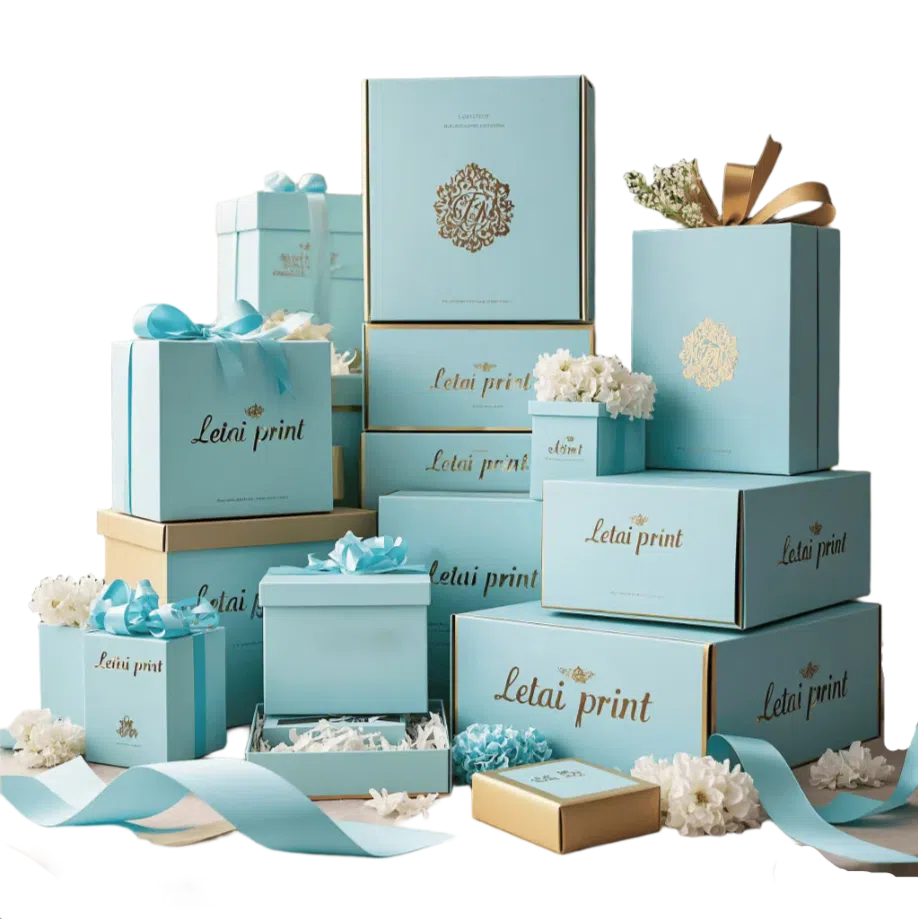
When it comes to packaging, folding cartons and corrugated boxes are two popular choices, each with distinct characteristics. Folding cartons are lightweight and often used for retail packaging, offering a sleek, customizable design. On the other hand, corrugated boxes are known for their durability, often used for shipping and heavy-duty packaging needs.
Understanding the differences between these two packaging options is essential for businesses to choose the right solution for their products. While folding cartons are great for presentation and cost-effectiveness, corrugated boxes offer added protection during transit. Let’s dive into the key differences and the best use cases for each.
What is a Folding Carton?

A folding carton is a type of paperboard packaging that is lightweight, cost-effective, and designed for easy assembly. It is typically used for retail packaging, providing an attractive, functional solution for various consumer goods. Folding cartons can be customized in terms of shape, size, and print for branding purposes.
- Retail Packaging: Folding cartons are commonly used for retail items such as food, cosmetics, and pharmaceuticals. They offer an appealing display while keeping products protected, and their design versatility allows them to stand out on store shelves and enhance the product’s visual appeal.
- Consumer Electronics: Folding cartons are frequently used to package consumer electronics like headphones and chargers. The lightweight nature of the material ensures easy handling, while the structure provides protection against minor impacts, ensuring the safety of fragile components.
- Gift Packaging: Folding cartons are ideal for packaging gifts and promotional items. They can be easily customized with special designs, prints, and finishes to make products feel luxurious or exclusive, making them a popular choice for packaging jewelry, fragrances, and holiday gifts.
- Cosmetic Packaging: Many cosmetic products use folding cartons due to their ability to be easily printed with vibrant designs and detailed branding. The paperboard material also offers protection from light and dust, which is crucial for maintaining the quality of skincare or makeup products.
- Food Packaging: Folding cartons are widely used in the food industry for products like frozen meals, snacks, and bakery items. Their ability to be both protective and visually attractive makes them perfect for keeping products safe while showcasing them effectively in the retail space.
What is a Corrugated Box?

A corrugated box is a type of packaging made from a durable, fluted paperboard, providing strength and protection. It consists of three layers: an outer liner, a fluted middle layer, and an inner liner. Corrugated boxes are commonly used for shipping, moving, and storing items, offering significant protection for fragile products.
- Shipping and Storage: Corrugated boxes are widely used for shipping and storage due to their strength and ability to protect items during transit. The fluted middle layer provides cushioning, absorbing shocks and preventing damage, making it ideal for e-commerce and large-scale distribution.
- Heavy-duty Packaging: Corrugated boxes are perfect for heavy-duty packaging needs, such as for large equipment, industrial parts, and furniture. Their robust construction ensures that heavy items remain secure and undamaged, even during rough handling or long-distance shipping.
- Retail Packaging: While more commonly used for shipping, corrugated boxes are also employed for retail packaging when durability is required. Custom corrugated boxes with unique designs can serve as a packaging solution for bulk products or items that need extra protection.
- Product Protection: The multi-layered structure of corrugated boxes offers excellent protection against physical damage, moisture, and dust. This makes them a popular choice for packaging electronics, glass items, and other delicate products that require extra care during handling and storage.
- Eco-friendly Packaging: Corrugated boxes are made from recyclable materials, which makes them an environmentally friendly choice for packaging. They are easily recyclable after use and can be reused for various purposes, aligning with sustainability goals in industries focusing on reducing their environmental footprint.
Folding Carton vs Corrugated Box

When choosing between folding cartons and corrugated boxes, understanding the differences in their structure, functionality, and ideal applications is crucial. Both serve distinct roles in packaging but are tailored for varying needs. Here’s a comparison to help businesses decide which option is best suited for their packaging requirements.
Structure and Material
Folding cartons are made from paperboard, which is lightweight and flexible. This material allows for easy folding and assembly. They are often thinner than corrugated boxes and are ideal for retail and display purposes. On the other hand, corrugated boxes are composed of multiple layers, including a fluted middle layer that provides strength and durability. The structure is thicker and more robust, offering better protection during shipping.
Folding cartons typically use a single layer of paperboard, making them suitable for lightweight items, while corrugated boxes, with their layered construction, excel at protecting heavier and more fragile goods. The extra fluting in corrugated boxes ensures that they can absorb shocks during transit, preventing damage to the contents.
Durability and Protection
Folding cartons are designed primarily for product display and protection from dust and light handling. While they offer a moderate level of protection, they are not suitable for heavy-duty shipping or items that need extra cushioning. Their strength lies in their ability to hold items securely for retail purposes but they may not withstand rough handling during transport.
Corrugated boxes, however, are known for their superior durability. The fluted structure acts as a buffer, providing additional protection against impacts, punctures, and moisture. These boxes are ideal for shipping items over long distances or for products that require a high level of protection, such as electronics, glass, and industrial parts.
Customization and Branding
Folding cartons offer more flexibility when it comes to customization, as they are often printed with high-quality graphics, colors, and finishes. This makes them an excellent choice for products that need to stand out on retail shelves. Brands can add intricate designs and details to enhance their product’s visual appeal and attract consumers.
While corrugated boxes can also be customized, they typically feature simpler designs due to their primary focus on functionality and protection. Custom printing options are available, but the designs are often less elaborate compared to folding cartons. However, their large surface area provides ample space for branding and labeling, especially in bulk shipments.
Cost Efficiency
Folding cartons are usually less expensive than corrugated boxes, making them an attractive option for businesses looking to reduce packaging costs, especially for products that don’t require heavy-duty protection. The material and manufacturing process for folding cartons are more affordable, particularly in high-volume production runs.
Corrugated boxes, while more expensive due to the extra layers of material and the added durability, offer greater value for businesses that need to ship products safely. The cost of corrugated boxes can be justified by the protection they provide, reducing the risk of damaged goods during transit and thus potentially lowering overall costs in the long term.
Environmental Impact
Folding cartons are generally made from recyclable paperboard and are considered environmentally friendly, especially when sourced from sustainable forests. Their lightweight nature also means less energy is used during transportation, reducing their carbon footprint.
Corrugated boxes are made from recycled materials and are fully recyclable as well. Due to their durability and ability to be reused or repurposed, they are often seen as a sustainable packaging option. However, their heavier weight can result in higher transportation costs and a larger carbon footprint compared to folding cartons.
Here are some differences between folding cartons and corrugated boxes:
| Aspect | Folding Carton | Corrugated Box |
|---|---|---|
| Material | Paperboard, lightweight | Multi-layered with fluted structure for strength |
| Durability | Moderate protection, suited for light handling | High durability, ideal for shipping and heavy-duty use |
| Customization | High-quality printing, ideal for branding | Customizable, but simpler designs |
| Cost | More affordable, ideal for retail products | More expensive due to added durability |
| Environmental Impact | Recyclable, energy-efficient for transport | Recyclable, but heavier and impacts transport costs |
Folding Cartons vs Rigid Boxes
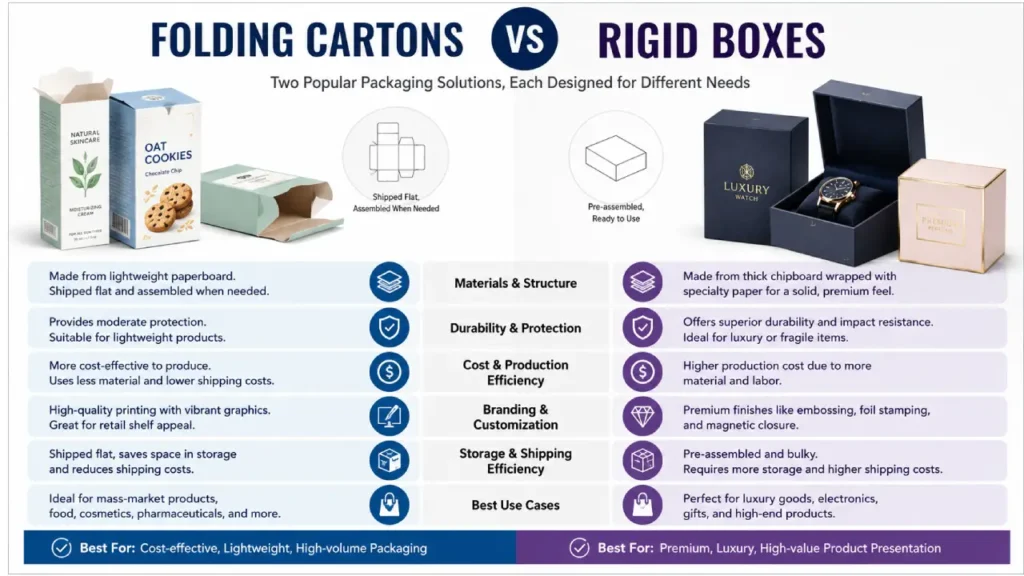
Folding cartons and rigid boxes are two common packaging solutions used across retail, e-commerce, and product branding industries. Each type offers different advantages in terms of structure, cost, appearance, and protection.
Understanding their differences helps businesses choose the right packaging based on product value, shipping requirements, and customer experience expectations in modern supply chains and retail presentation strategies.
Materials And Structure
Folding cartons are typically made from lightweight paperboard that is shipped flat and assembled when needed, making them space-efficient and easy to store. Rigid boxes use thicker chipboard wrapped with specialty paper, giving them a solid, premium feel. This structural difference directly impacts strength, presentation quality, and overall packaging durability in practical use.
Durability And Protection
Folding cartons provide moderate protection suitable for lightweight or pre-packaged products, but they are not designed for heavy impact resistance. Rigid boxes, however, offer superior durability due to their thick construction, making them ideal for luxury goods, electronics, or fragile items that require enhanced protection during handling, shipping, and retail display environments.
Cost And Production Efficiency
Folding cartons are more cost-effective to produce because they use less material and ship flat, reducing transportation and storage expenses. Rigid boxes require more labor and material, which increases production costs significantly. As a result, folding cartons are preferred for mass-market products, while rigid boxes are reserved for high-end packaging applications.
Branding And Customization
Folding cartons offer flexible printing options, allowing vibrant graphics and detailed branding at a lower cost, making them ideal for retail shelves. Rigid boxes support premium finishes such as embossing, foil stamping, and magnetic closures, enhancing brand perception. Both types allow customization, but rigid boxes deliver a more luxury unboxing experience overall.
Storage And Shipping Efficiency
Folding cartons are highly efficient for storage and shipping since they are delivered flat and assembled on demand, saving warehouse space. Rigid boxes are pre-assembled, requiring more storage volume and higher shipping costs. This difference makes folding cartons more practical for high-volume logistics operations and fast-moving consumer goods distribution systems.
Here is the table showing you the differences between folding cartons and rigid boxes:
| Feature | Folding Cartons | Rigid Boxes |
|---|---|---|
| Material | Lightweight paperboard | Thick chipboard |
| Durability | Moderate | High |
| Cost | Low | High |
| Storage | Flat-packed, space-saving | Pre-assembled, bulky |
| Branding | High-quality printing | Premium finishes |
| Use Case | Mass-market products | Luxury and gift items |
How to Choose Folding Carton and Corrugated Box?
Selecting the right packaging depends on your product’s needs, from protection to branding. Both folding cartons and corrugated boxes serve different purposes, so it’s essential to understand what each offers before making a decision. Here are some factors to consider when choosing between the two.
- Product Weight and Fragility: For lightweight or delicate items, folding cartons are ideal as they offer sufficient protection for less fragile goods. However, for heavier or more fragile products, corrugated boxes provide the durability and cushioning needed to prevent damage during shipping.
- Shipping Requirements: If your product is being shipped long distances or across rough terrains, corrugated boxes are the best option. Their multi-layered structure ensures your items are well-protected during transit. For local delivery or in-store display, folding cartons are often sufficient and more cost-effective.
- Branding and Presentation: Folding cartons are perfect for products that require high-end branding and retail appeal. With the ability to print vibrant graphics and detailed designs, they enhance product presentation. Corrugated boxes, while customizable, are generally used for bulk packaging or shipping where branding is secondary to functionality.
- Cost Considerations: Folding cartons are typically more affordable than corrugated boxes, especially for products that don’t require significant protection. If cost is a major factor and your product is light and less prone to damage, folding cartons are a more economical choice.
- Environmental Impact: Both packaging types are recyclable, but corrugated boxes are often more eco-friendly due to their ability to be reused multiple times. If sustainability is a priority for your brand, consider the environmental impact of your packaging choice, balancing durability with eco-friendliness.
Conclusion
Both folding cartons and corrugated boxes have their unique advantages, depending on your packaging needs. Folding cartons are ideal for retail and lightweight products, offering a cost-effective and visually appealing solution. Corrugated boxes, however, excel at providing strength and protection, making them perfect for shipping and heavy-duty applications.
When choosing between the two, consider factors like product weight, the level of protection needed, and your brand’s presentation goals. A well-chosen packaging solution can make a significant impact on both product safety and customer experience.
For businesses seeking high-quality wholesale folding box packaging, Letai Packaging offers custom solutions tailored to your needs. With a focus on durability and design, Letai Packaging ensures that your products are well-protected and beautifully presented. Reach out to us today for your packaging needs.

I have honed my expertise in creating high-quality packaging solutions, bringing both innovation and efficiency to the field. I am passionate about delivering exceptional results and contributing to sustainable packaging practices.
- What is a CBD Box? The Ultimate Guide - June 9, 2026
- Bangle Box Ideas: Inspiring Designs for a Clutter-Free Space - June 8, 2026
- What is a Bangle Box? The Ultimate Guide - June 8, 2026
 English
  Español
  Deutsch
  Français
  Italiano
  日本語
日本語  한국어
한국어  Русский
  Português do Brasil
  العربية