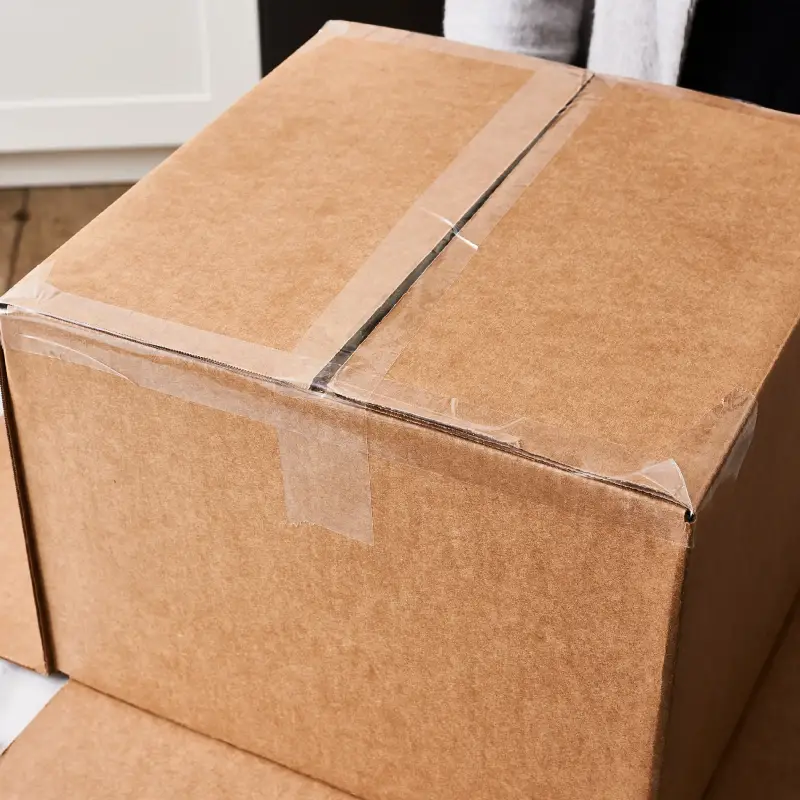
Folding a carton box correctly helps improve packaging efficiency, product protection, and storage organization. Whether you are preparing boxes for shipping, retail packaging, or warehouse use, understanding the proper folding process can save time and reduce material waste. With a few simple techniques, anyone can assemble strong and secure carton boxes quickly and professionally.
Carton boxes are widely used across industries because they are lightweight, durable, and cost-effective. Learning how to fold them properly ensures better structural stability during transportation and handling. In this guide, we will explain easy folding steps, practical tips, and common mistakes to avoid, helping you achieve neat and reliable packaging results for different applications.
What are Carton Boxes?

Carton boxes are lightweight packaging containers made primarily from paperboard or corrugated cardboard materials. They are commonly used for storing, protecting, displaying, and shipping products across many industries, including food, electronics, cosmetics, retail, and e-commerce.
Carton boxes are valued for their durability, affordability, and customizable designs, making them one of the most widely used packaging solutions worldwide.
How to Fold Carton Box?
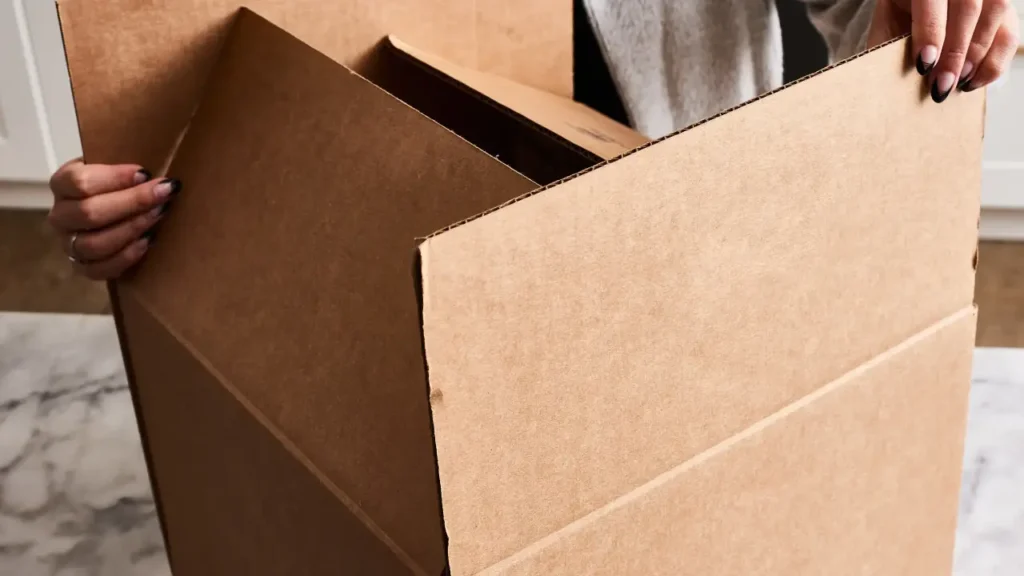
Folding carton boxes correctly helps improve packaging strength, storage efficiency, and shipping safety. Whether used for retail packaging, moving, or warehouse operations, proper folding techniques help maintain box stability and product protection.
By following simple steps and using the right tools, you can quickly and neatly assemble carton boxes while reducing packaging errors and improving overall packing efficiency across different applications.
Tools Needed
- Carton box blanks
- Packing tape
- Tape dispenser
- Utility knife
- Ruler or measuring tape
- Marker pen
- Glue adhesive
- Protective gloves
Step 1: Prepare the Carton Box
Begin by placing the flat carton box on a clean and stable working surface. Carefully inspect the material for any damage, weak corners, or bent edges before starting the folding process. Ensuring the carton remains undamaged helps improve final box strength and prevents packaging problems during shipping, storage, transportation, and regular warehouse handling activities.
Next, identify the folding lines, side flaps, bottom panels, and top closure sections clearly before assembly begins. Organizing the carton properly allows smoother folding and faster packaging preparation. Workers should keep tools nearby and maintain enough workspace to avoid mistakes, uneven folds, or accidental tearing while handling different carton box materials during busy packaging operations.
Step 2: Fold the Side Panels
Lift the side panels carefully along the pre-scored folding lines while maintaining even pressure on each section. Proper alignment helps create accurate box shapes and improves structural balance during assembly. Folding panels slowly prevents cracks or warped edges, ensuring the carton box maintains its intended design, appearance, and strength throughout storage and transportation processes safely.
Continue folding each side panel inward until the carton begins forming a rectangular or square structure securely. Check that all corners align correctly before moving to the next step. Misaligned panels can weaken packaging stability and create gaps that reduce product protection, making careful folding extremely important for achieving clean and professional carton box assembly results.
Step 3: Secure the Bottom Flaps
Fold the smaller bottom flaps inward first, making sure they lay flat without overlapping unevenly during assembly. Correct flap positioning improves box stability and helps distribute product weight evenly inside the carton. Smooth folding also prevents unnecessary pressure points that could damage the box structure during shipping, stacking, or warehouse movement over extended storage periods.
After positioning the smaller flaps, fold the larger flaps over them to close the carton bottom securely. Apply packing tape evenly across the center seam and edges for reinforcement. Strong sealing prevents accidental opening and supports heavier products, helping maintain carton durability and reliable product protection throughout transportation, delivery handling, and long-distance shipping conditions safely.
Step 4: Reinforce the Box Structure
Inspect the assembled carton carefully to ensure all folds remain tight, even, and properly connected across every panel section. Reinforcing weak areas improves packaging reliability and reduces the possibility of box collapse during transportation. Additional tape or adhesive can strengthen high-stress points, especially when packaging fragile, valuable, or heavy products for long shipping distances safely.
Apply extra reinforcement along the bottom seams, corners, and side joints if additional strength becomes necessary during packaging preparation. Stronger reinforcement helps the carton resist pressure, vibration, and stacking weight effectively. Businesses handling industrial products or bulk shipments often reinforce carton boxes further to improve shipping security and maintain professional packaging performance consistently worldwide.
Step 5: Fold and Close the Top Flaps
Place products carefully inside the carton box while maintaining balanced weight distribution for better handling stability during transportation. Proper loading prevents internal movement that could damage products or weaken carton walls. Organizing items neatly inside the box also improves packaging appearance and allows easier sealing once the top flaps are folded into position securely afterward.
Fold the smaller top flaps inward first before closing the larger outer flaps across the carton opening evenly. Press the folds gently to maintain proper alignment and avoid bulging sections. Correct top closure improves product security and creates a cleaner package appearance, helping businesses maintain professional packaging standards during shipping and customer delivery operations consistently.
Step 6: Seal and Inspect the Carton Box
Use durable packing tape to seal the top center seam completely from edge to edge without leaving gaps exposed. Proper sealing prevents accidental opening during transportation and protects products from dust, moisture, and handling damage. Applying smooth and even tape lines also improves carton appearance and helps create more secure packaging for warehouse storage conditions.
Finally, inspect the completed carton box carefully to confirm all folds, seals, and reinforcements remain secure and properly aligned throughout assembly. Test the box gently for stability before shipment or storage begins. Performing a final inspection helps reduce packaging failures, improves customer satisfaction, and ensures products remain protected during transportation, handling, and long-term distribution processes.
When to Fold Carton Boxes?
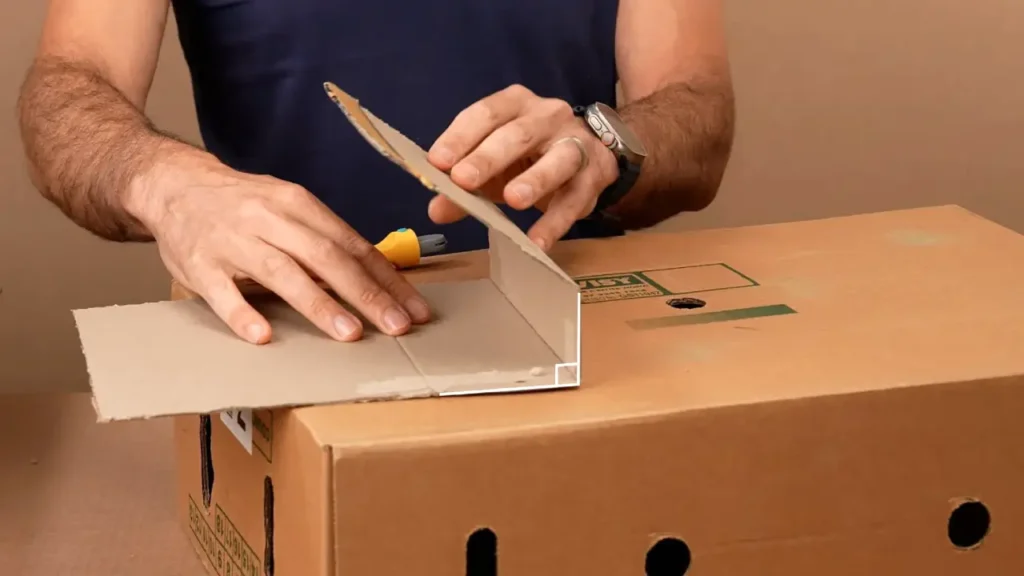
Carton boxes are typically folded at different stages of production, storage, and distribution depending on operational needs. The timing matters because it affects warehouse efficiency, shipping readiness, and space usage.
Folding too early or too late can disrupt workflow, so businesses plan it carefully to match packaging demand and logistics schedules throughout the supply chain for smoother operations overall.
- Before Peak Shipping Season: carton boxes are folded ahead of high-demand periods so packaging teams can handle large order volumes without delays. this ensures enough ready stock is available, reduces last-minute labor pressure, and helps warehouses maintain smooth operations during seasonal spikes and busy sales cycles efficiently across distribution networks overall.
- After Production and During Warehousing: folding cartons in bulk after production allows warehouses to optimize storage space and keep packaging materials organized. this step supports better inventory control, reduces clutter in storage areas, and ensures boxes are ready for quick deployment when orders increase or distribution needs rise steadily over time.
- Before Retail Display Setup: folding carton boxes before store setup helps retailers streamline product placement and prepare packaging materials in advance. this improves merchandising efficiency, shortens setup time, and ensures staff can quickly access ready-to-use boxes during promotions, store openings, or seasonal display changes in retail environments smoothly and effectively overall.
- Before Relocation or Moving: carton boxes are folded ahead of moving activities to ensure they are ready when packing begins. this preparation reduces stress, saves time during relocation, and helps organize belongings more efficiently, allowing households or offices to manage transport and packing tasks in a more structured and controlled way.
Conclusion
Properly folded carton boxes improve packaging appearance, protect products during delivery, and increase packing efficiency. By following the correct folding methods and using the right techniques, businesses can reduce packaging errors and maintain consistent box quality. Simple adjustments during the folding process can also help prevent box damage and improve overall shipping performance.
Choosing carton boxes is equally important for secure and professional packaging results. Strong materials, accurate dimensions, and durable construction all contribute to better product protection and customer satisfaction. Businesses that invest in reliable folding carton boxes can improve warehouse operations, reduce transportation risks, and enhance their packaging presentation across different industries.
If you are looking for dependable wholesale folding carton boxes, our Letai Packaging offers customized packaging solutions for various products and industries. We provide durable materials, professional printing, and flexible box styles to meet your packaging requirements. Contact Letai Packaging today to get cost-effective folding carton boxes designed for safe shipping, attractive presentation, and efficient storage.

I have honed my expertise in creating high-quality packaging solutions, bringing both innovation and efficiency to the field. I am passionate about delivering exceptional results and contributing to sustainable packaging practices.
- What is a CBD Box? The Ultimate Guide - June 9, 2026
- Bangle Box Ideas: Inspiring Designs for a Clutter-Free Space - June 8, 2026
- What is a Bangle Box? The Ultimate Guide - June 8, 2026
 English
  Español
  Deutsch
  Français
  Italiano
  日本語
日本語  한국어
한국어  Русский
  Português do Brasil
  العربية