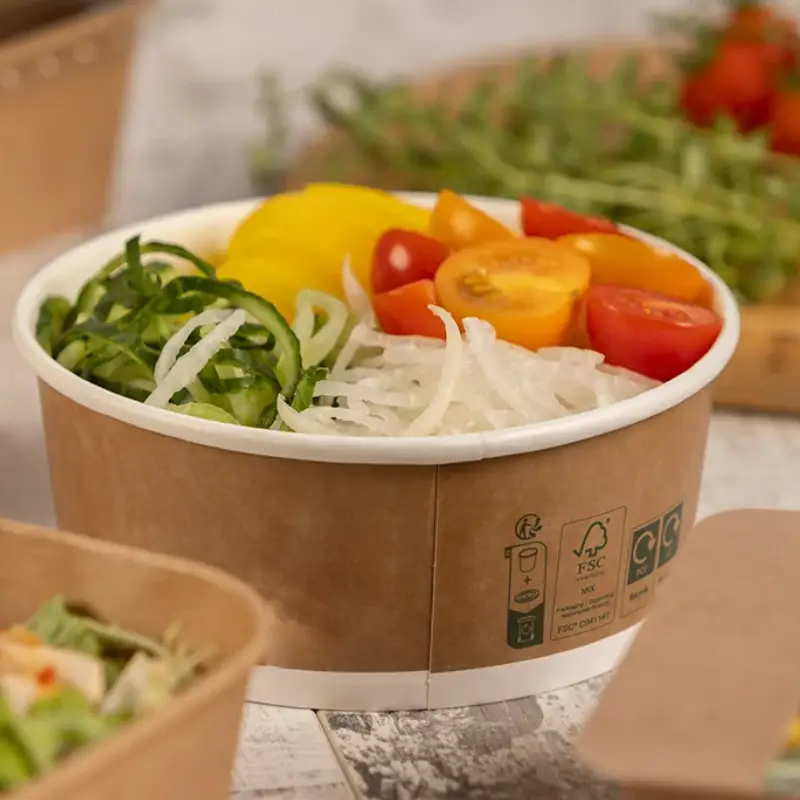
Food packaging recycling plays a vital role in reducing waste and promoting sustainability in the food industry. As more companies focus on eco-friendly practices, recycling packaging materials helps minimize environmental impact and conserve resources. The shift toward recyclable packaging is crucial for businesses aiming to meet consumer demand for greener products.
Incorporating food packaging recycling into business operations can lead to significant cost savings and improved brand reputation. From reducing landfill waste to conserving energy, recycling offers long-term environmental benefits. In this blog, we’ll explore practical tips for food businesses looking to reduce waste through effective packaging recycling methods.
What is Food Packaging Recycling?
Food packaging recycling refers to the process of collecting and processing used food packaging materials to create new products or materials, reducing waste and conserving resources.
It involves sorting, cleaning, and transforming materials like plastic, glass, aluminum, and paper back into reusable forms. This practice plays a significant role in minimizing environmental impact by reducing the need for raw materials.
Recyclable Packaging Materials
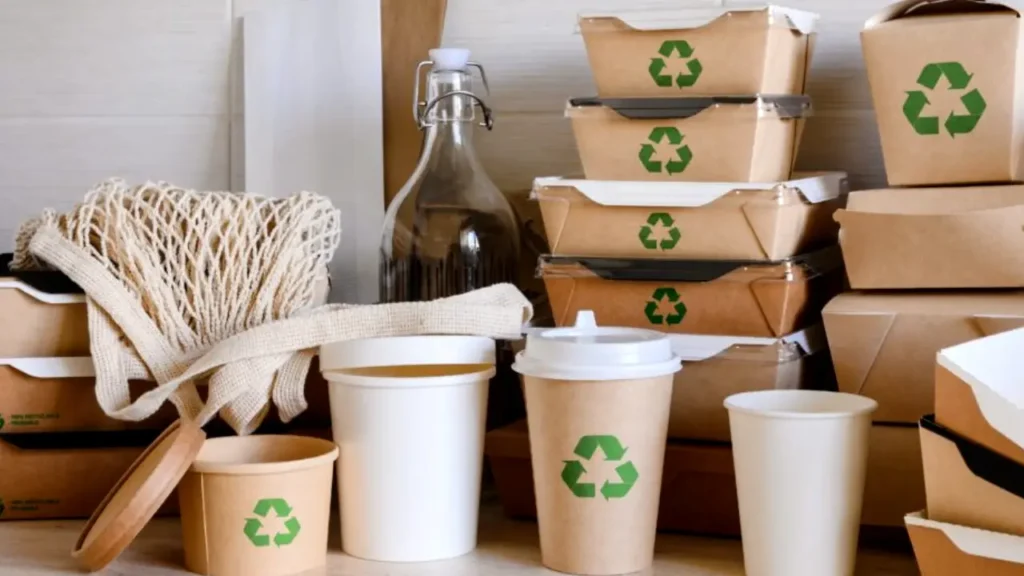
Recyclable packaging materials are a crucial part of sustainable practices in the food industry. By using materials that can be easily processed and reused, businesses can significantly reduce waste and environmental impact. Below are some common recyclable packaging materials that help minimize landfill waste and promote a circular economy.
- Glass: Glass is one of the most widely recycled materials in food packaging. It is durable, non-toxic, and can be recycled indefinitely without losing quality. Glass containers, such as jars and bottles, are ideal for preserving food products and are fully recyclable, reducing the need for new raw materials.
- Aluminum: Aluminum is lightweight, durable, and highly recyclable. It is often used in beverage cans, trays, and food containers. Aluminum packaging can be recycled repeatedly without degrading, making it an excellent option for reducing waste in the food industry. It also saves energy and resources during the recycling process.
- Paperboard: Paperboard is a versatile and recyclable material commonly used for packaging dry foods, cereals, and snacks. Made from wood pulp, paperboard is biodegradable and can be recycled into new paper products. It provides a sustainable alternative to plastic and helps reduce environmental impact, especially when sourced from responsibly managed forests.
- Plastic (PET and HDPE): Certain plastics, like PET (polyethylene terephthalate) and HDPE (high-density polyethylene), are widely accepted for recycling. These materials are commonly used in beverage bottles, milk containers, and food packaging. By recycling PET and HDPE plastics, companies can help reduce plastic waste while promoting a circular economy.
- Cardboard: Cardboard is one of the easiest recyclable materials and is used for a wide range of food packaging, from shipping boxes to food containers. It is biodegradable, lightweight, and easily recyclable into new products like paper or packaging. Choosing recyclable cardboard reduces waste and ensures packaging is reusable.
How to Know if Food Packaging is Recyclable?
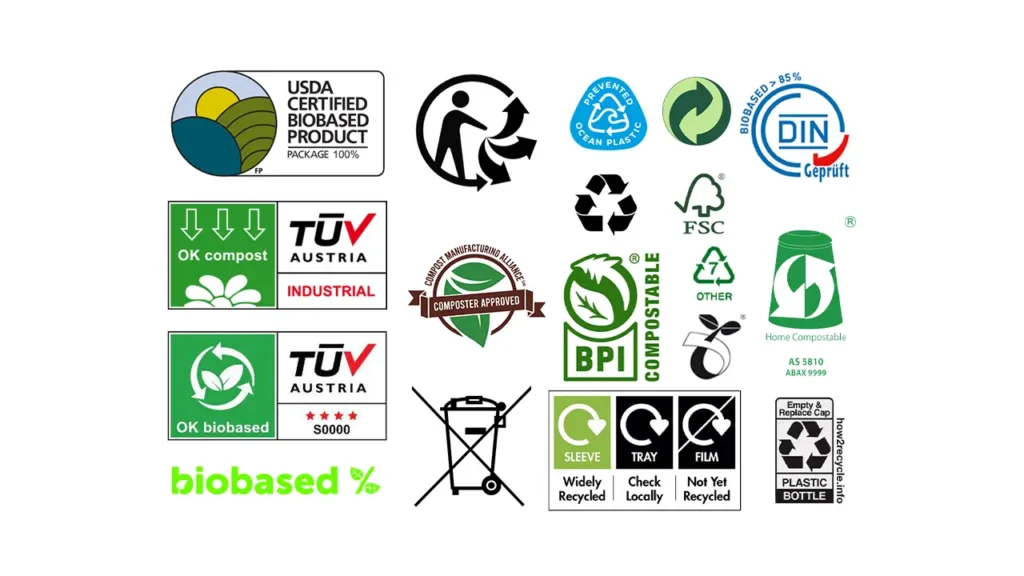
Determining if food packaging is recyclable is crucial for proper disposal and waste reduction. Many packaging materials are recyclable, but some may not be accepted by all recycling facilities. Here are key ways to identify whether your food packaging can be recycled.
- Check Recycling Symbols: Look for the recycling symbol on the packaging. This symbol often indicates that the material is recyclable. The number inside the symbol can help identify the type of plastic, which can help you determine if your local recycling facility accepts it.
- Read Packaging Labels: Many manufacturers now provide information about whether their packaging is recyclable. Check the label for specific instructions on recycling or any relevant certifications, such as “recyclable” or “made from recycled materials.” These labels guide consumers toward responsible disposal methods.
- Know Your Material Types: Different materials require different recycling methods. Materials like aluminum, glass, and some plastics (like PET and HDPE) are commonly recyclable. However, materials like mixed plastics or those with food residue might not be accepted. Understanding these material types can help make recycling decisions easier.
- Check Local Recycling Guidelines: Not all recyclable materials are accepted by every local recycling program. Contact your local recycling center to confirm which materials are accepted. Some areas may not accept certain types of plastics or packaging, even if they are technically recyclable, so it’s essential to verify what’s allowed in your area.
- Avoid Mixed Materials: Packaging made from a combination of materials, such as foil-lined cartons or plastic with metal coatings, can be difficult to recycle. Always check if the packaging is made from a single material or multiple layers. Single-material packaging is typically easier to process and recycle effectively.
How to Recycle Food Packaging?
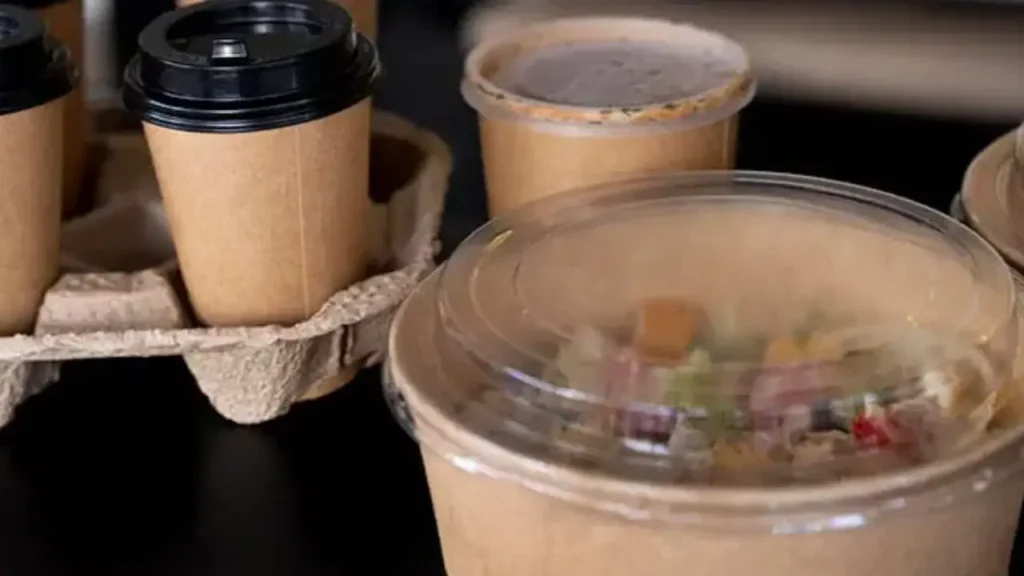
Recycling food packaging is an essential step toward reducing waste and promoting sustainability. Understanding the proper recycling methods for different materials ensures that they are processed effectively. Below are key recycling methods for common food packaging materials.
Glass Recycling
Glass food packaging, such as bottles and jars, is highly recyclable. To recycle glass, clean and remove any food residue before placing it in the recycling bin. Glass can be melted and reformed into new containers, reducing the need for raw materials. It’s important to separate colored glass from clear glass for better recycling efficiency.
Aluminum Recycling
Aluminum packaging, like cans and trays, is fully recyclable. Rinse off any food remnants, crush the cans to save space, and place them in the designated recycling bin. Aluminum can be recycled infinitely without losing quality. Properly recycling aluminum saves energy and reduces environmental impact, making it an important material for sustainability.
Paperboard Recycling
Paperboard, commonly used for packaging dry foods and snacks, is recyclable. Make sure to remove any plastic liners or food residues before recycling. Paperboard is broken down and repurposed into new paper products or packaging. Recycling paperboard helps preserve natural resources and reduce the amount of waste sent to landfills.
Plastic Recycling
Certain plastics like PET (polyethylene terephthalate) and HDPE (high-density polyethylene) are recyclable. To recycle plastic food packaging, rinse the containers to remove any food debris and check for local recycling guidelines. These plastics can be processed into new products, reducing the need for virgin plastic production. Proper sorting is essential to ensure they are effectively recycled.
Cardboard Recycling
Cardboard is easy to recycle and can be processed into new paper products. For recycling, flatten cardboard boxes and remove any non-paper components like plastic or metal. Cardboard is biodegradable, and recycling it reduces landfill waste while conserving energy. It’s one of the most effective packaging materials to recycle, supporting a more sustainable packaging system.
Food Packaging Recycling Tips
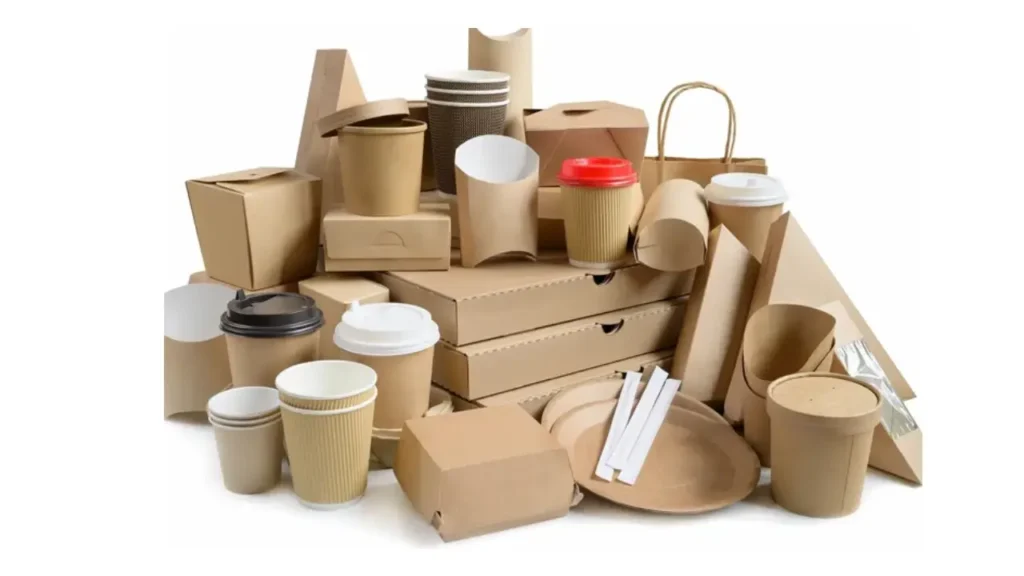
Recycling food packaging is an essential practice to reduce waste and promote sustainability. By following some simple tips, businesses and consumers can contribute to a greener planet. Below are helpful tips for improving your food packaging recycling efforts and ensuring the proper disposal of materials.
- Clean Before Recycling: Always clean food packaging before recycling. Residual food can contaminate recyclable materials, making it harder for recycling plants to process them. Rinse off any leftovers or debris to ensure the packaging is in good condition for recycling, improving the chances of it being reused in new products.
- Separate Materials: Different food packaging materials need to be sorted for proper recycling. For example, glass, aluminum, and plastic should be separated. This reduces contamination and helps recycling facilities process materials more efficiently. Check local guidelines to ensure you’re sorting the materials correctly before placing them in the recycling bin.
- Flatten Packaging: Flattening packaging, such as cardboard boxes or plastic bottles, saves space in recycling bins and makes transportation more efficient. It also prevents packaging from being crushed under other materials, ensuring it’s properly processed. This simple step helps increase the amount of packaging that can be recycled.
- Use Recyclable Packaging: Whenever possible, choose food packaging that is clearly labeled as recyclable. Many manufacturers are shifting toward using eco-friendly materials. By opting for recyclable packaging, you contribute to reducing waste and supporting a circular economy. Always look for packaging with recognizable recycling symbols to make informed choices.
- Educate Others: Share recycling tips with others to help promote a culture of sustainability. Informing colleagues, friends, and family about how to properly recycle food packaging can lead to more widespread adoption of responsible recycling practices. Small actions collectively make a significant impact on the environment.
Conclusion
In conclusion, food packaging recycling is not just an environmentally responsible choice; it’s a necessity for businesses aiming to reduce waste and embrace sustainability. By adopting better recycling practices, companies can lower their carbon footprint and make a positive impact on the planet. These actions also align with consumer expectations for eco-friendly solutions.
Choosing recyclable food packaging is a smart investment in both the environment and your business. From plastic and glass to plant-based options, sustainable packaging materials offer a way to reduce waste while protecting the food inside. The future of packaging is sustainable, and businesses need to adapt to this shift.
For businesses looking to implement sustainable packaging solutions, Letai Packaging offers wholesale recyclable food packaging options that meet your needs. Get in touch with us today for a quote and explore our wide range of eco-friendly packaging options designed to support your waste reduction efforts.

I have honed my expertise in creating high-quality packaging solutions, bringing both innovation and efficiency to the field. I am passionate about delivering exceptional results and contributing to sustainable packaging practices.
- What is a CBD Box? The Ultimate Guide - June 9, 2026
- Bangle Box Ideas: Inspiring Designs for a Clutter-Free Space - June 8, 2026
- What is a Bangle Box? The Ultimate Guide - June 8, 2026
 English
  Español
  Deutsch
  Français
  Italiano
  日本語
日本語  한국어
한국어  Русский
  Português do Brasil
  العربية