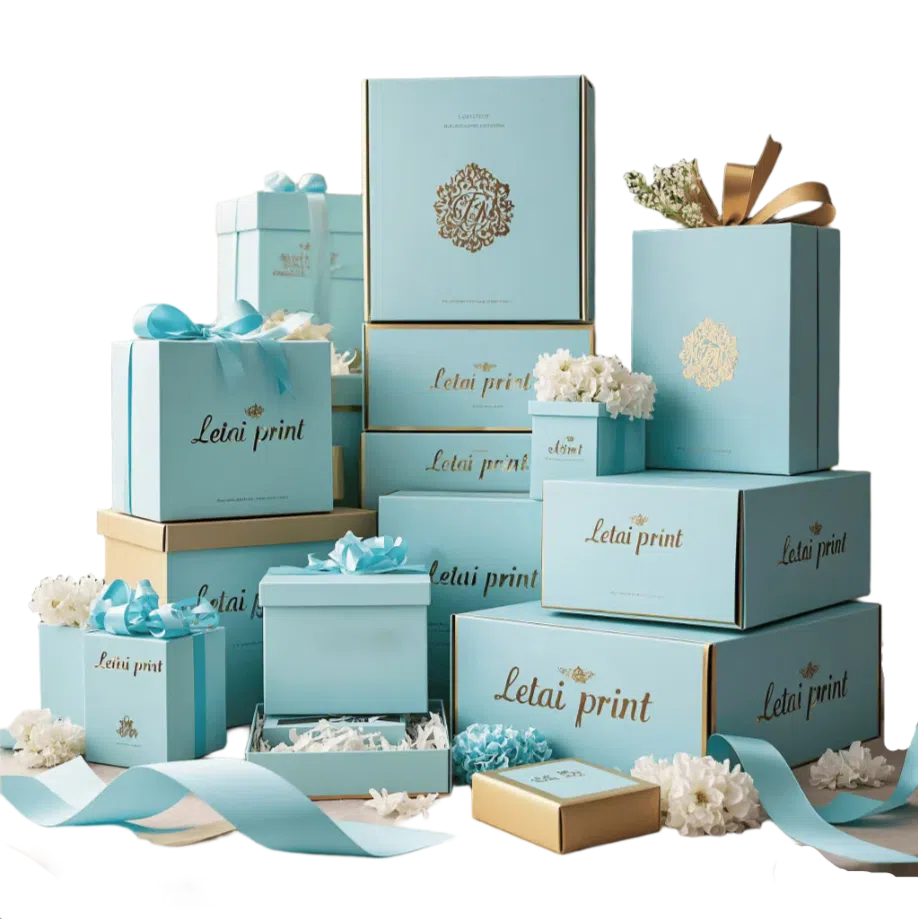
Food packaging plays a critical role in protecting food from contamination and ensuring freshness during transportation and storage. It’s a key element in the food supply chain, influencing not only safety but also convenience and sustainability. This guide explores the various types of food packaging and their benefits.
From flexible pouches to rigid containers, food packaging options are diverse and cater to specific needs. The right packaging helps preserve taste, texture, and nutrients while also attracting consumers. In this ultimate guide, we’ll break down the most common packaging methods and their impact on the food industry.
What is Food Packaging?
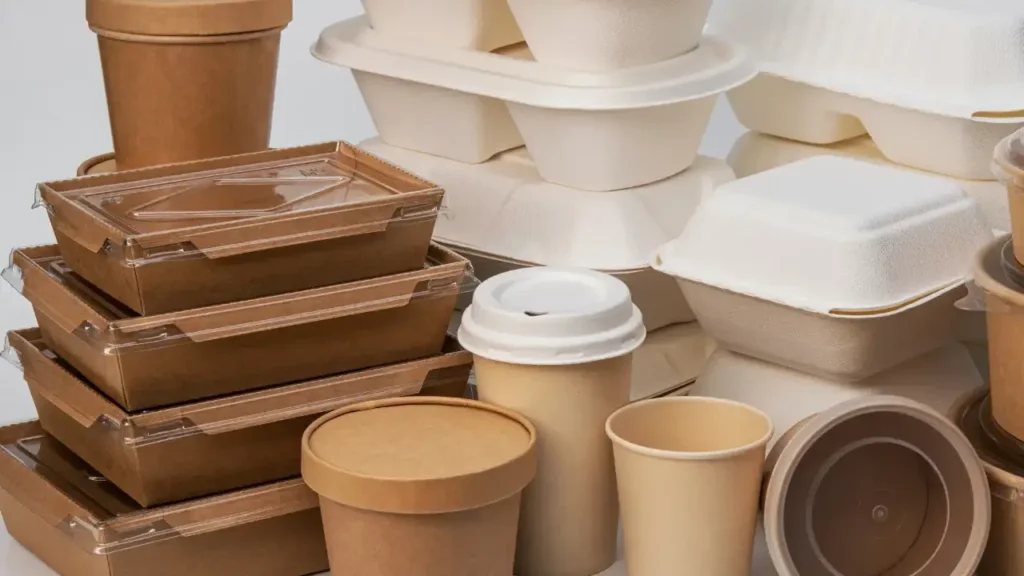
Food packaging refers to the materials and containers used to store, protect, and transport food products. It serves multiple purposes, including preserving freshness, preventing contamination, and providing information to consumers.
Food packaging also helps maintain the nutritional value and quality of food, extending its shelf life. The choice of packaging material can depend on the type of food, its shelf life, and consumer preferences.
What Are the Requirements for Food Packaging?
Food packaging must meet several key requirements to ensure safety, functionality, and compliance with regulations. These requirements vary depending on the type of food and its intended use. Below are the essential factors to consider when choosing food packaging.
- Protection from Contamination: Packaging must shield food from external contaminants like bacteria, dirt, and moisture. This ensures food remains safe for consumption and maintains quality throughout its shelf life.
- Preservation of Freshness: Packaging should help preserve the food’s flavor, texture, and nutritional value. Many packaging materials, like vacuum seals or modified atmosphere packaging, are designed to extend shelf life by controlling air and moisture levels.
- Compliance with Regulations: Food packaging must comply with food safety regulations set by authorities such as the FDA or EU. This includes using food-grade materials and ensuring the packaging doesn’t leach harmful substances into the food.
- Ease of Use: Packaging should be convenient for consumers, allowing easy access to the product. It should also be easy to open, reseal, and dispose of, improving the overall user experience.
- Sustainability: With increasing concerns about environmental impact, packaging should be eco-friendly. Materials that are recyclable, biodegradable, or reusable are preferred to reduce waste and promote sustainability.
Food Packaging Materials
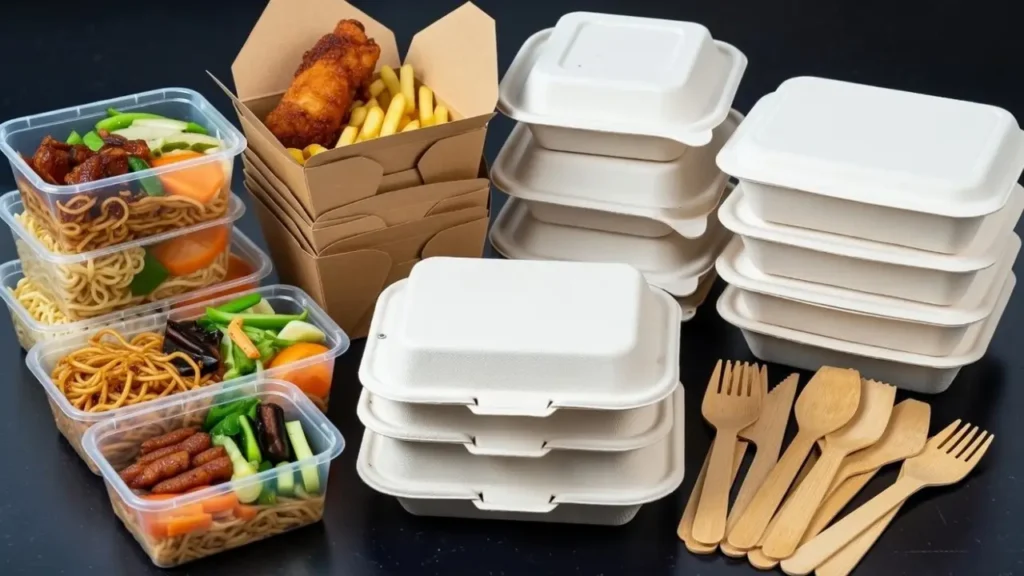
Food packaging materials are essential in protecting food from external elements, preserving freshness, and providing information. Different materials offer unique benefits depending on the type of food being packaged and its requirements. Here are some common food packaging materials used in the industry today.
- Plastic Food Packaging: Plastic is one of the most commonly used materials in food packaging due to its versatility, light weight, and ability to create airtight seals. It’s widely used for everything from snack bags to beverage bottles and containers. Plastic packaging helps maintain food freshness and is cost-effective, though recycling concerns are rising.
- Glass Food Packaging: Glass provides an excellent barrier against air, moisture, and contaminants, making it ideal for preserving food quality. It’s commonly used for packaging products like sauces, jams, and beverages. Glass is non-reactive, meaning it doesn’t affect the taste or quality of food, and is fully recyclable, which appeals to eco-conscious consumers.
- Metal Food Packaging: Metal packaging, such as aluminum cans and tin cans, offers excellent protection against light, air, and moisture, which helps extend shelf life. It is often used for beverages, canned fruits, vegetables, and ready-to-eat meals. Metal packaging is durable, and it also has a long track record of being recyclable.
- Paper Food Packaging: Paper-based materials, such as cardboard, paperboard, and kraft paper, are often used for food packaging, particularly for dry or non-perishable items. Paper packaging is biodegradable and recyclable, making it a popular choice for eco-friendly packaging solutions. It can be used for snack boxes, fast food containers, and packaging for bakery products.
- Biodegradable Food Packaging: Biodegradable materials, such as plant-based plastics, are gaining traction in the food industry. These materials break down naturally, reducing waste and environmental impact. They are commonly used for packaging fruits, vegetables, and takeaway containers. Biodegradable food packaging offers an environmentally sustainable alternative to traditional plastic.
For a reliable and cost-effective solution, quote paper material food packaging from us today! At Letai Packaging, we provide high-quality, eco-friendly paper packaging options tailored to meet your product’s needs. Contact us to discuss your requirements and get a competitive quote.
Types of Food Packaging
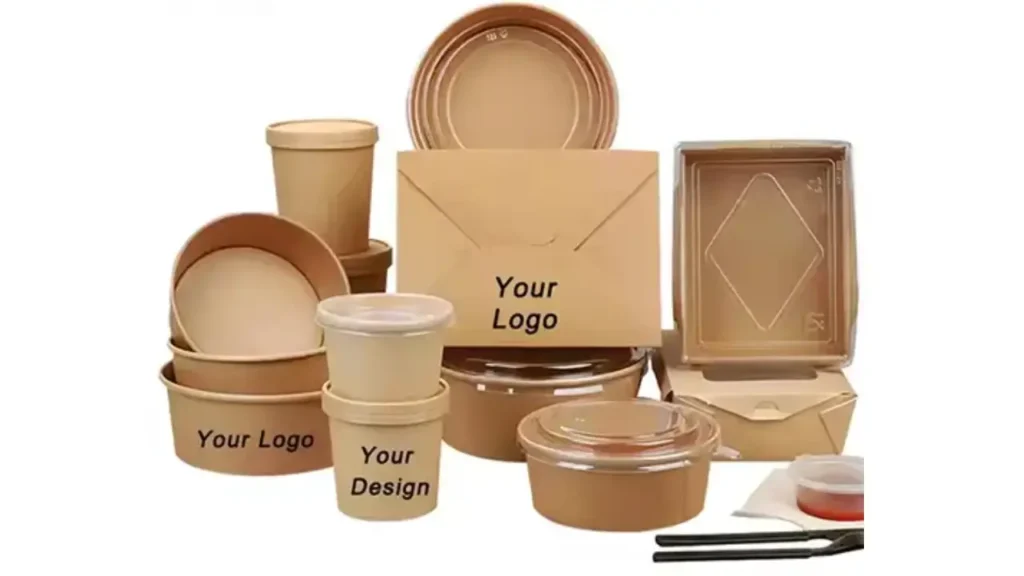
Food packaging comes in various types, each suited to different food products and their specific requirements. Whether it’s protecting freshness, extending shelf life, or promoting the product, choosing the right type of food packaging is essential. Below are some common types of food packaging used in the industry.
- Rigid Food Packaging: Rigid food packaging includes materials like glass jars, cans, and plastic containers. It provides excellent protection against contamination and physical damage. This type of packaging is ideal for products like beverages, sauces, and canned foods, offering durability and safety during transport and storage.
- Flexible Food Packaging: Flexible food packaging, such as pouches, bags, and wraps, is lightweight and versatile. It is commonly used for snacks, baked goods, and frozen foods. Flexible packaging is cost-effective, space-efficient, and allows for easy customization, making it a popular choice for both manufacturers and consumers.
- Vacuum Food Packaging: This method removes air from the packaging to preserve food for longer periods. Vacuum-sealed food packaging is often used for meats, cheeses, and dried foods, preventing spoilage by reducing oxygen levels. It helps extend shelf life and retain the flavor and texture of food.
- Modified Atmosphere Food Packaging (MAP): MAP involves altering the gases in the food packaging, such as reducing oxygen and increasing nitrogen or carbon dioxide. It is widely used in fresh produce, meats, and ready-to-eat meals to slow down spoilage, preserve freshness, and extend shelf life without the use of preservatives.
- Edible Food Packaging: This innovative food packaging is made from food-grade ingredients that can be consumed along with the product. Edible packaging is gaining popularity in the food industry due to its sustainability and minimal environmental impact. It is particularly suitable for snack foods and certain confectionery products.
Environmentally Friendly Food Packaging
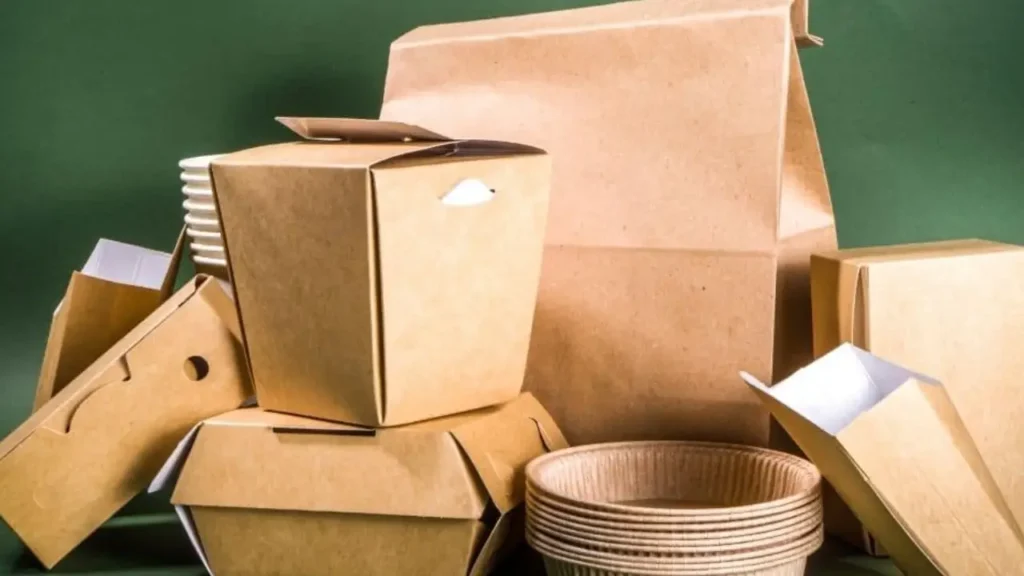
As sustainability becomes more critical, environmentally friendly food packaging is gaining popularity. This packaging helps reduce waste, minimizes carbon footprints, and ensures minimal environmental impact.
Below are some key types of environmentally friendly food packaging that are both sustainable and practical for the food industry.
- Biodegradable Packaging: Biodegradable food packaging is made from natural materials that break down over time, reducing waste. Examples include packaging made from plant-based plastics or starch. This type of packaging is compostable, which helps decrease landfill accumulation and supports eco-friendly disposal methods, making it a popular choice for environmentally conscious brands.
- Recyclable Packaging: Recyclable food packaging is designed to be reused through recycling processes. Materials like glass, aluminum, and certain plastics can be easily recycled. By using recyclable packaging, manufacturers help conserve resources, reduce pollution, and promote a circular economy. This is one of the most effective ways to support sustainability in packaging.
- Edible Packaging: Edible food packaging is made from food-grade ingredients that can be safely consumed along with the product. It not only eliminates waste but also provides a novel, sustainable solution for packaging perishable items like snacks and desserts. Edible packaging is innovative and increasingly being used for snack foods and single-serve products.
- Reusable Packaging: Reusable food packaging is designed to be used multiple times, reducing the need for single-use materials. Containers, bags, and wraps that are durable and reusable help cut down on waste and can be used across various industries. Reusable packaging is ideal for bulk foods and subscription box services.
- Plant-Based Packaging: Plant-based food packaging is derived from renewable sources like cornstarch, sugarcane, or bamboo. This type of packaging is both biodegradable and compostable. As a natural alternative to plastic, plant-based packaging offers an eco-friendly solution that reduces reliance on fossil fuels while still providing the necessary protection for food.
How to Choose the Right Food Packaging for Your Product?
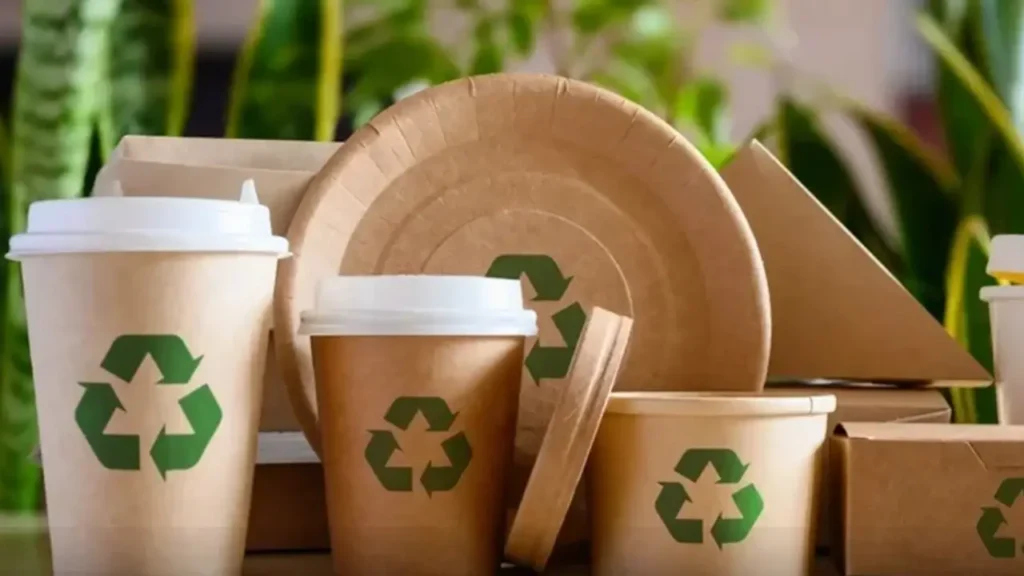
Choosing the right food packaging is crucial for preserving product quality, ensuring safety, and attracting consumers. The ideal packaging balances functionality, convenience, sustainability, and cost.
In this guide, we’ll explore key factors to consider when selecting packaging that suits your product’s specific needs.
Understand Your Product’s Needs
The first step in choosing the right food packaging is understanding the specific needs of your product. Consider factors like the type of food, its shelf life, and its sensitivity to light, moisture, or temperature. For perishable items, choose packaging that ensures freshness, while for dry foods, select materials that provide protection without compromising product integrity.
Assess Environmental Impact
Sustainability is becoming increasingly important in food packaging. When selecting packaging, consider the environmental impact of your materials. Opt for eco-friendly options like biodegradable, recyclable, or reusable packaging. This not only helps reduce waste but can also appeal to environmentally conscious consumers, improving your brand’s reputation and marketability.
Ensure Consumer Convenience
Packaging should also be designed for consumer ease of use. Consider whether the packaging is easy to open, reseal, and store. Packaging that allows for portion control or features an easy-to-use dispenser can enhance the consumer experience. Additionally, clear labeling and instructions should be visible to guide consumers in using the product efficiently.
Comply with Regulatory Standards
Food packaging must meet specific regulatory standards to ensure safety and compliance. Different regions have guidelines on materials and labeling for food packaging. Ensure that your packaging meets the necessary health and safety regulations and that it uses food-grade materials to avoid any harmful substances leaching into your product.
Cost-Effectiveness
Finally, while quality and functionality are important, the packaging should also be cost-effective. Compare different materials and manufacturing processes to find an affordable solution without sacrificing quality. Consider the long-term savings as well, such as reducing food waste or improving the product’s shelf life, which can contribute to a more cost-efficient operation.
Conclusion
In conclusion, food packaging is much more than just a protective layer; it’s an essential part of food preservation and presentation. Choosing the right packaging can improve shelf life, reduce waste, and even boost your product’s appeal to consumers. With growing demand for eco-friendly solutions, the packaging industry continues to evolve.
Selecting the right food packaging ensures that your products reach customers in the best possible condition while also aligning with regulatory requirements. Whether you’re launching a new product or upgrading existing packaging, the right solution can help streamline your operations and enhance customer satisfaction.
For all your food packaging needs, consider Letai Packaging. We offer wholesale food packaging solutions designed for safety, sustainability, and cost-effectiveness. Get in touch with us today to find the ideal packaging for your products.

I have honed my expertise in creating high-quality packaging solutions, bringing both innovation and efficiency to the field. I am passionate about delivering exceptional results and contributing to sustainable packaging practices.
- What is a CBD Box? The Ultimate Guide - June 9, 2026
- Bangle Box Ideas: Inspiring Designs for a Clutter-Free Space - June 8, 2026
- What is a Bangle Box? The Ultimate Guide - June 8, 2026
 English
  Español
  Deutsch
  Français
  Italiano
  日本語
日本語  한국어
한국어  Русский
  Português do Brasil
  العربية