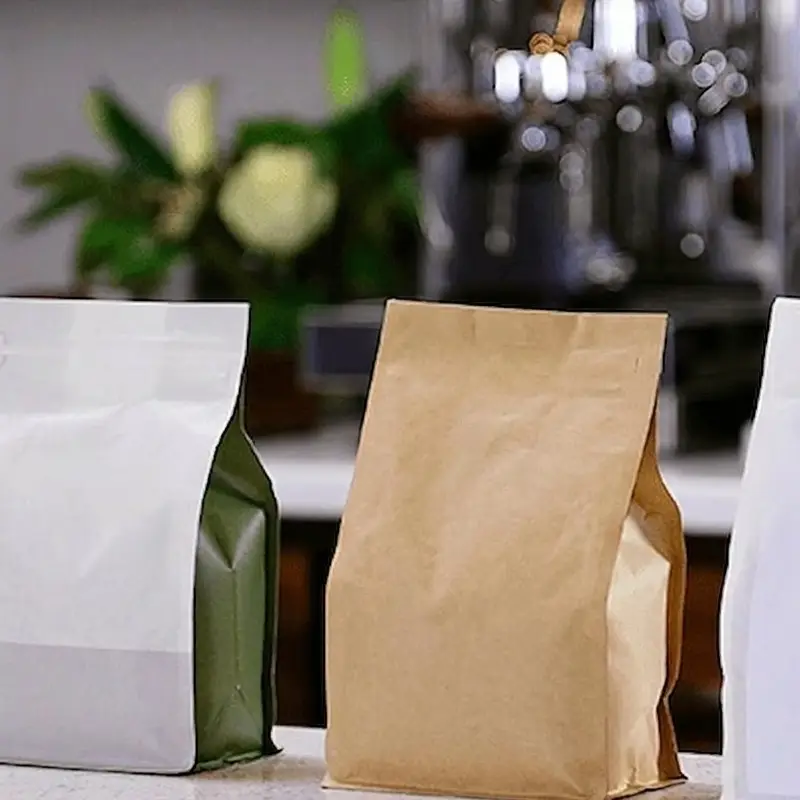
Flexible packaging is created through a detailed process involving the selection of materials, design, and various manufacturing techniques. The most common materials used are films, foils, and paper, which offer flexibility, durability, and protection for a wide range of products. Understanding how flexible packaging is made helps businesses select the right option for their needs.
The process begins with choosing the right substrate material, which is then printed with branding elements. After that, it undergoes a series of steps like lamination, extrusion, and sealing. Each stage plays a crucial role in ensuring the packaging’s durability, functionality, and aesthetic appeal, offering the perfect balance of protection and flexibility.
What is Flexible Packaging?

Flexible packaging refers to materials that can bend, fold, and stretch to accommodate various products. Made from materials like plastic films, foils, or paper, it is a versatile, lightweight, and cost-effective solution. This type of packaging can be used for a variety of consumer goods across different industries.
Uses of Flexible Packaging:
- Food Products: Flexible packaging is commonly used for food items like snacks, ready-to-eat meals, and beverages. Its ability to preserve freshness, extend shelf life, and offer portion control makes it ideal for packaging items like chips, juices, and frozen meals.
- Beverages: Flexible pouches and films are popular in the beverage industry, used for packaging liquids like juices, smoothies, and coffee. The lightweight and portable nature of flexible packaging makes it a convenient option for single-serve or on-the-go beverages.
- Personal Care and Cosmetics: Personal care products such as lotions, shampoos, and toothpaste are often packaged in flexible materials. Flexible packaging allows for easy storage and portability, offering consumers convenient, travel-sized options, and providing enhanced branding opportunities with custom designs.
- Pet Food and Animal Care: Flexible packaging is widely used in the pet food industry, offering a durable and protective solution for storing pet food and treats. The packaging is flexible enough to accommodate various product sizes and includes features like resealable closures for freshness.
- Pharmaceuticals: Flexible packaging is commonly used for medical supplies, including pills, powders, and liquids. Its tamper-evident and protective qualities ensure product safety, while its lightweight and space-saving nature allows for easier storage and transportation within the healthcare sector.
How is Flexible Packaging Made?

The process of manufacturing flexible packaging involves multiple steps, from material selection to final product formation. It requires careful planning, specialized tools, and precise execution to create high-quality packaging that meets both functional and aesthetic requirements. In the following guide, we’ll walk through each step, from order confirmation to the final packaging process.
Tools Needed:
- Material handling equipment
- Design software
- Sampling tools
- Customer specifications
- Printing plates/cylinders
- Laminating machines
- Curing ovens
- Slitting machines
- Converting equipment
Step 1: Order Confirmation
The manufacturing process begins by receiving the customer’s order details, including material specifications, design elements, and desired product quantity. This step ensures all requirements are clearly defined, allowing the team to prepare for the next stages of production. Proper order confirmation helps prevent misunderstandings and ensures that production runs smoothly.
Once the order is confirmed, it’s crucial to evaluate any custom requests, such as specific packaging features (e.g., resealable zippers or spouts). The customer’s vision is translated into technical specifications, ensuring the packaging meets their branding needs and functional requirements. This thorough preparation sets the foundation for successful manufacturing.
Step 2: Plate and Cylinder Making
In the plate and cylinder making stage, the design artwork is transferred onto printing plates or cylinders. These tools serve as the medium for printing high-quality designs onto the flexible packaging material. At this point, it’s important that the plates are manufactured with precise alignment and optimal detail to produce accurate images.
Printing plates or cylinders are typically made of materials like photopolymer, which captures detailed graphics and ensures high-quality printing. The process involves creating a negative image of the artwork on the plates, which will then transfer the design onto the flexible packaging material during printing. Proper preparation of plates and cylinders ensures that print quality is consistent and matches the customer’s vision.
Step 3: Printing
The printing process uses flexographic or gravure printing methods to apply designs, logos, and text to the flexible packaging material. The printed material can range from plastic films to paper or foil, depending on the packaging requirements. Printing consistency is critical for achieving high-quality results, especially when dealing with complex designs or multiple colors.
During the printing stage, ink is applied to the substrate, with precise control over color and detail. Flexographic printing, for example, uses fast-drying ink and allows for continuous printing, while gravure printing offers exceptional color consistency, making it ideal for high-volume, high-quality printing. This step requires careful attention to avoid misprints and ensure that the product meets design standards.
Step 4: Print Inspection
After the printing process is complete, the printed material is subjected to an inspection stage. This step involves closely examining the print quality for any defects, such as ink smudges, color misalignment, or areas where the print is uneven. Defective prints are removed, ensuring only perfect materials proceed to the next stage.
The print inspection process can be manual or automated, using specialized cameras to scan for inconsistencies. This stage is critical for maintaining the quality of the final product, as any errors in the print could compromise the aesthetics or functionality of the packaging. It also serves as a way to check for defects before additional processing steps, saving time and resources.
Step 5: Lamination
Lamination involves bonding multiple layers of flexible materials (such as films, foils, and paper) to enhance the strength, barrier properties, and durability of the packaging. This is essential for ensuring the packaging protects the product, especially in industries like food and pharmaceuticals, where preservation is key. The lamination process typically uses adhesives or heat to bond the layers together.
During lamination, the substrate materials are coated with adhesives and then passed through rollers or presses to bond them firmly. The result is a multi-layer structure that provides better protection against light, moisture, and oxygen. Depending on the material, lamination can also improve the packaging’s ability to withstand physical stresses during handling and transport.
Step 6: Coating
Coating is an optional process that adds specific properties to the laminated material, such as moisture resistance, heat-sealability, or anti-fog properties. The coating process is often used to improve the functionality of flexible packaging, making it better suited for specific product types, like perishable foods or beverages. The choice of coating depends on the end use of the packaging.
The coating can be applied by methods like extrusion or solvent-based systems, depending on the desired result. This ensures that the flexible packaging meets industry standards for performance and durability. Coating also plays a vital role in improving the aesthetic appeal of the packaging, as certain coatings can add shine or matte finishes that enhance visual appeal.
Step 7: Curing
Curing is the process used to set and stabilize adhesives and coatings applied during the lamination or coating stages. The materials go through a curing oven or UV light to ensure that the adhesive bonds and coatings are completely set. Proper curing prevents any issues such as peeling or fading of the printed design during later stages.
Curing helps the packaging materials achieve their maximum durability and functionality. The curing process also plays a significant role in ensuring that the layers remain intact throughout the product’s life cycle. Whether using heat, UV light, or other methods, curing ensures the packaging materials perform effectively, safeguarding the product inside.
Step 8: Slitting and Rewinding
After curing, the large rolls of laminated, printed material are passed through slitting machines to cut them into narrower rolls. These smaller rolls are ideal for use in converting equipment, where they will be formed into final packaging formats such as pouches or bags. Slitting also reduces waste by trimming off any excess material.
Rewinding occurs after slitting, where the material is rolled back into tight, uniform rolls. This process is essential for preparing the material for subsequent converting. Precision in slitting and rewinding is critical to ensure that the rolls are evenly cut, preventing any material misalignment during the bag-making or pouch-forming process.
Step 9: Pouch/Bag Forming
In the final step of the manufacturing process, the slit material is fed into converting machines, where it is shaped into pouches, bags, or other desired packaging forms. The converting machine applies heat-sealing or ultrasonic bonding techniques to seal the edges and create the final package. This process also involves adding features like zippers or spouts.
Once the pouch or bag is formed, additional steps may be required, such as adding tear notches or applying a protective layer to preserve the product’s shelf life. The finished packaging is then inspected for quality and consistency before being packaged and prepared for shipping to customers. This stage brings the flexible packaging to its final form, ready to be filled with products.
Conclusion
Understanding how flexible packaging is made helps businesses make informed choices about their packaging needs. The process involves selecting materials, printing, and sealing techniques that ensure the packaging is strong, durable, and visually appealing. With the right process, flexible packaging offers a great balance of cost-efficiency, sustainability, and convenience.
As flexible packaging continues to grow in popularity, it’s important to work with a reliable manufacturer that can provide high-quality, customized solutions. At Letai Packaging, we specialize in manufacturing flexible paper packaging tailored to meet your unique needs. Our processes ensure that you get durable, functional, and eco-friendly packaging for your products.
Letai Packaging offers wholesale flexible paper packaging that is both cost-effective and sustainable. Our expert team can guide you in selecting the right material and design to fit your product perfectly. Reach out to us today to explore customized, high-quality flexible packaging solutions for your business.

I have honed my expertise in creating high-quality packaging solutions, bringing both innovation and efficiency to the field. I am passionate about delivering exceptional results and contributing to sustainable packaging practices.
- Perfume Box Ideas: Stylish Packaging for High-End Fragrances - June 1, 2026
- Shoe Box Size: Perfect Dimensions for Organizing Your Shoes - May 25, 2026
- Pizza Box Sizes: Tips to Save on Packaging Costs - May 22, 2026
 English
  Español
  Deutsch
  Français
  Italiano
  日本語
日本語  한국어
한국어  Русский
  Português do Brasil
  العربية